

Skip to content

Handling Toxic Relationships

From the friend who constantly complains, to the gossip-loving coworker, and the unsupportive spouse, this collection of expertly sourced resources will help you improve these relationships while keeping your emotions and triggers in check.

Managing Difficult Friendships

two women mediate on a dock

How to Handle Friendship Conflict

By Jessie Sholl

One of the first steps? Realizing that conflict is normal.

Handling Difficult Family Dynamics

folded elderly hands sit across a table from younger folder hands

How to Establish Healthy Boundaries With Grandparents

By Jon Spayde

Supportive grandparents can be a godsend for you and your kids — but disagreements about parenting may create tension. Setting healthy boundaries can help you find a balance.

Creating a Healthier Marriage

Navigating Difficult Work Situations

a person shrugs like they don't care about papers a coworker is showing them.

How to Deal With a Defensive Coworker

By Sharon Salzberg

Interacting with a colleague who constantly has their guard up can be frustrating and lead to unnecessary tension. However, your word choice can do a lot to break down those barriers.

a woman looks concerned as two coworkers talk together

How to Navigate Office Gossip

By Sharon Salzberg

Gossip can lead to a dysfunctional and toxic workplace. The good news? You don’t have to stop it. Mindfulness pioneer Sharon Salzburg explains here.

Coping With Other Difficult Relationships 

a person complaining

How to Cope With Chronic Complainers

By Jon Spayde

Here’s how to avoid getting drawn into other people’s negativity spirals.

a couple quibbling

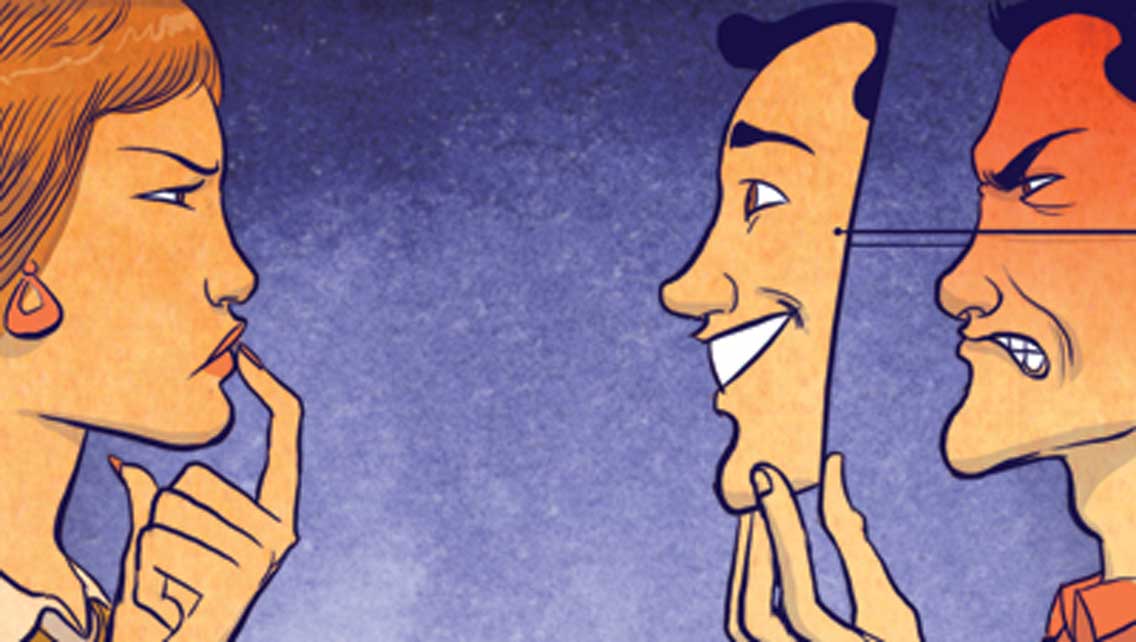
How to Respond to Gaslighting

By Quinton Skinner

Gaslighting can undermine your self-confidence and perception of the truth. Here are signs of gaslighting — and how to break free from it.

Your Role and Reactions

Navigating relationships — especially challenging ones — starts with understanding our own role in interactions. While we can’t control others, we can take responsibility for how we respond and set healthy boundaries. By understanding these dynamics, we can begin to step away from toxicity and create more peace in our lives. The following articles will guide you to better understand your role, create healthy boundaries, develop self-awareness and keep your reactions in check.


Managing Your Emotions and Reactions

illio arrows in a bullseye

How to Manage a Trigger Response

By Jane McCampbell Stuart, MA, LMFT, CPCC, RMFT

You don’t have to be hijacked by strong reactions. Learn how to manage them — and how to recover your cool when you’ve already lost it.

Understanding Roles and Dynamics

Back To Top