Skip to content

Health

Why V02 Max Matters for Longevity

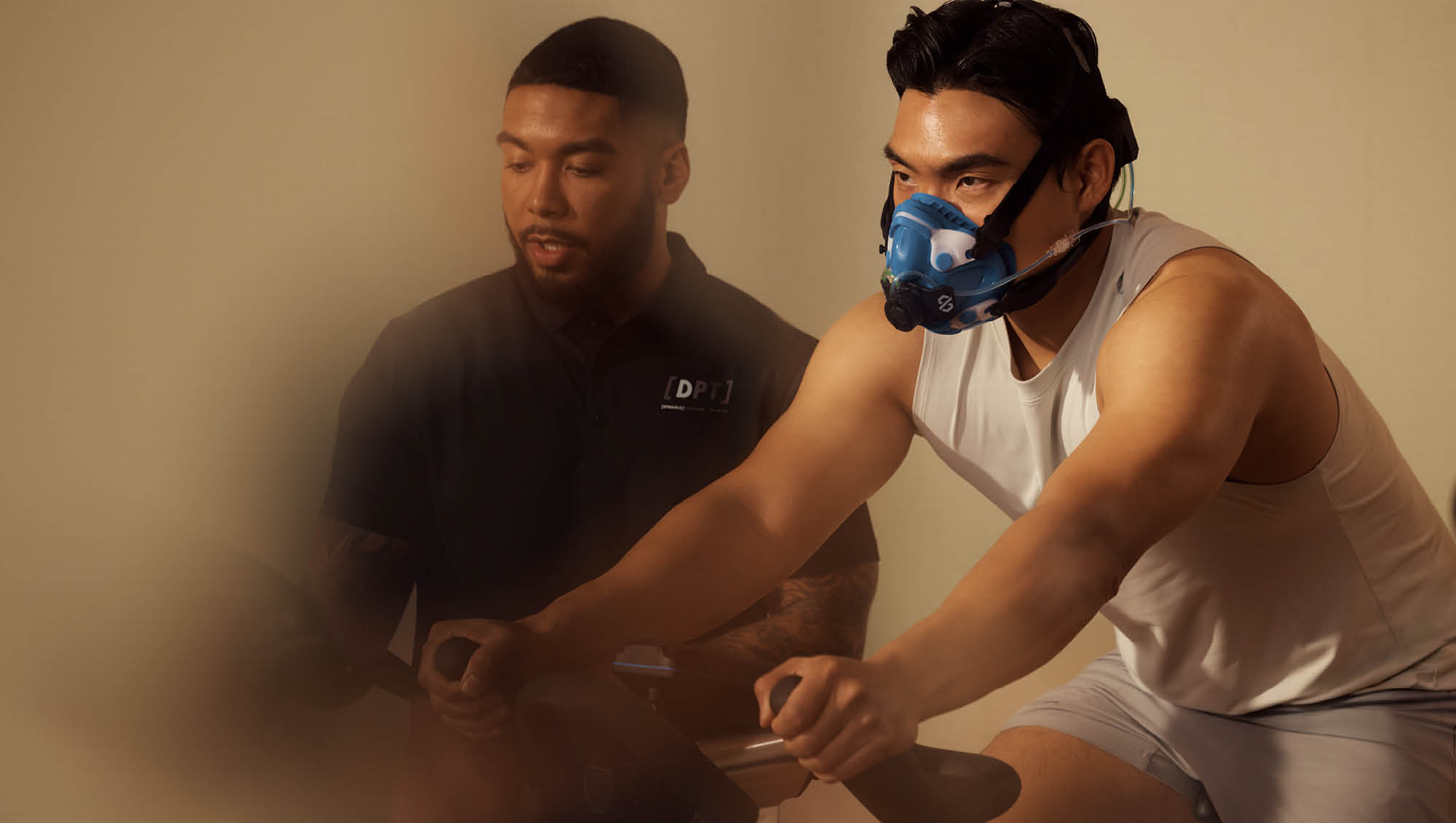
Learn what VO2 max measures, why it's one of the strongest predictors of longevity, and how to test and improve it with the right training mix.
By Jessica Migala

Talks — S13, EP13 / The Evolving Peptide Revolution (Performance & Longevity Series)

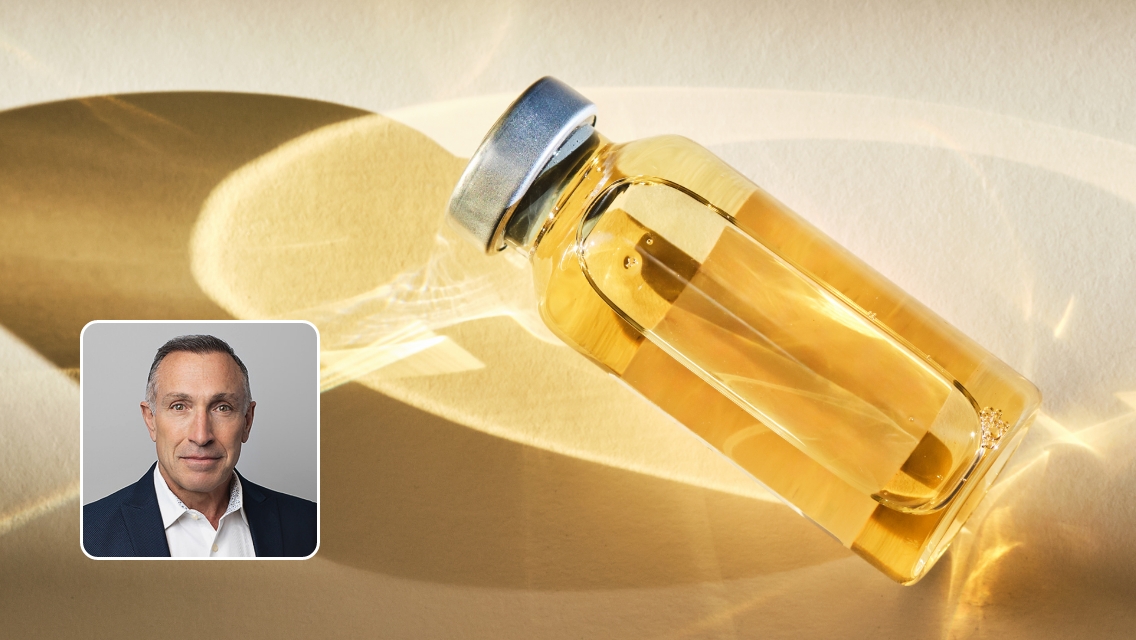
Learn more about the current state of the peptide revolution, including the important differences between research peptides and for-human-use peptides, how FDA oversight is shifting, and how to spot credible information, prioritize safety, and make informed choices.

With Jim LaValle, RPh, CCN

The Heavy-Metal Big Four

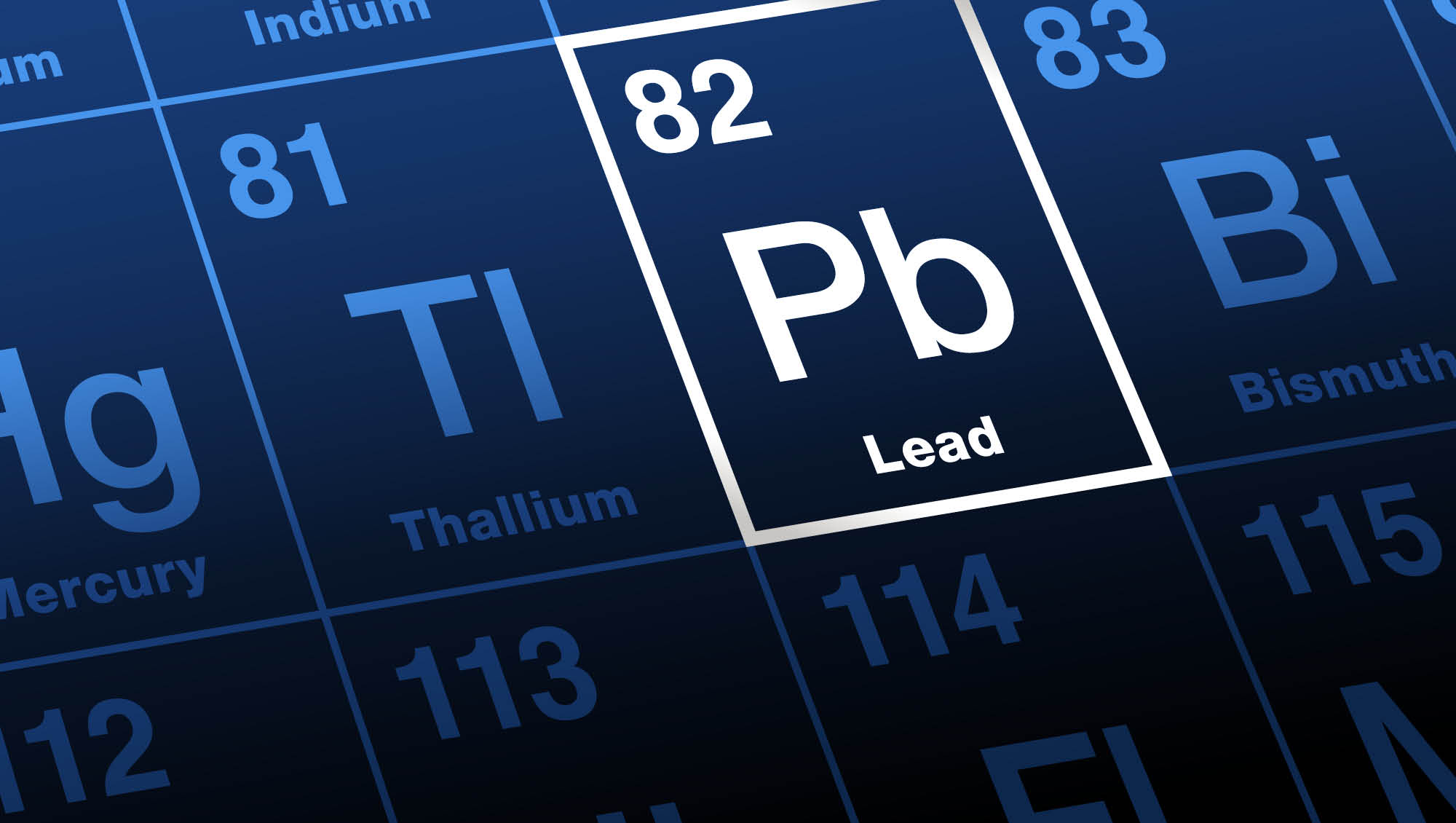
Here's how we are exposed to four of the most common heavy metals — arsenic, cadmium, lead, and mercury.
By Catherine Guthrie

6 Exercises to Build Stronger Bones at Every Age

Build bone density and protect against osteoporosis with these expert-backed exercises.
By Lauren Bedosky

3 Ways to Push Back Against Ageism

Yale researcher Becca Levy, PhD, shares her ABC method for overcoming ageism.
By Jon Spayde

Talks — S13, EP11 / The Reality of Being on a GLP-1 (Performance & Longevity Series)

Understand the reality of being on a GLP-1, including the health benefits beyond weight loss and the risks that can derail results. Plus, learn why a personalized approach and medical guidance are crucial for success and for supporting your health along the way.


With Jim LaValle, RPh, CCN

What Do I Need to Know About Testosterone Replacement Therapy (TRT) for Men?

Learn how TRT works for men with low testosterone, including benefits, risks, and who's a good candidate.
By Mo Perry

The Quick and Easy Heart Test You May Have Not Heard Of

A coronary artery calcium (CAC) scan can reveal heart disease risk. So why isn’t it used more often?
By Craig Cox

Talks — S13, EP10 / Why Your Healthy Routine Isn’t Working Anymore

Learn why your routine might not be working and what it means to tune in to your own body and its changing needs so you can understand stalled progress and make informed adjustments to jumpstart your efforts.

With Anika Christ, RD

10 Tips for a Gentle Heavy-Metal Detox

Try these straightforward and simple strategies to help gently detox heavy metals from your body.
By Catherine Guthrie

How Your Bones Change as You Age

Bone loss doesn't have to be inevitable. Learn which types of weight-bearing and resistance exercises are best for each life stage.
By Lauren Bedosky

Talks — S13, EP9 / Why You Feel “Off” But Your Labs Look Normal (Performance & Longevity Series)

Learn why “normal” lab results can still miss underlying health issues, and why it’s important to listen to your symptoms, track your lab patterns over time, and take a preventive approach to better understand your health trajectory.
With Jim LaValle, RPh, CCN

Why Anti-Inflammatory Drugs After Surgery May Prolong Pain

Inflammation after surgery is not necessarily a bad thing, according to a recent study. Here's why.
By Michael Dregni

5 Supplements to Support Your Sleep

Consider adding these nutrients to your routine if you need better rest.
By Emily Ewen

What Are the Safety Concerns About Supplemental Estrogen?

A 2002 Women's Health Initiative study cast doubt on the safety of supplemental estrogen. But, researchers have since pointed out significant flaws in that study. Learn more.
By Mo Perry

You Don’t Need to Fight Time

Our time is limited whether we like it or not. But we can learn how to make this fact work for us.
By Oliver Burkeman

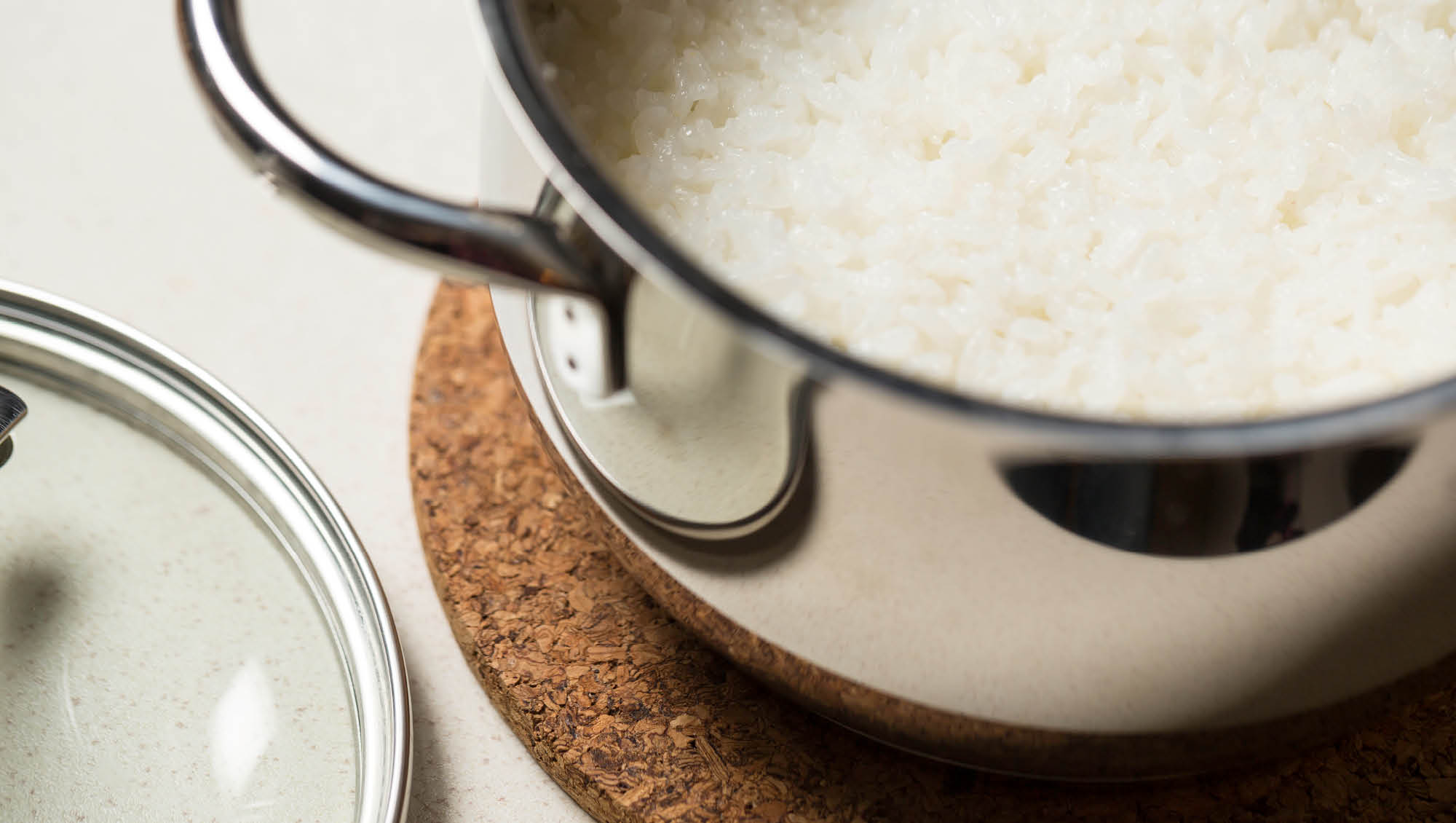
Cooking Rice This Way Can Lower Its Arsenic Levels

The way you cook your rice can affect its arsenic content. Here's why.
By Catherine Guthrie

How Does Music Protect Your Brain?

Frequent music listeners are less like to develop dementia, according to a recent study by Australia’s Monash University.
By Craig Cox

Talks — S13, EP7 / Why PCOS Is Now PMOS (Performance & Longevity Series)

Learn what led to the naming shift of PCOS (polycystic ovarian syndrome) to PMOS (polyendocrine metabolic ovarian syndrome) and why it matters for how we understand, treat, and manage the condition that affects an estimated 1 in 8 women.


With Jim LaValle, RPh, CCN

How Does the Body Respond to the Decline in Reproductive Hormones?

Learn why a drop in estrogen, progesterone, and testosterone can affect libido, bone density, brain health, joints, and mood.
By Mo Perry
Back To Top