





Skip to content

Allergies

The Surprising Link Between Your Gut Microbiome and Allergy Rates

Discover how gut health affects your allergic sensitivities.
By Mo Perry

Why Seasonal Allergies Are Getting Worse — and What You Can Do About It

Climate change is extending the duration of the allergy season, but these key nutrients can help you build resilience and manage symptoms.
By Jill Patton, NBC-HWC

Talks — S10, EP14 / Why Allergy-Friendly Foods Can Make All the Difference

Gain advice for how to better navigate the food world with food allergies.

With Denise Woodard, founder of Partake

Talks — S8, EP3 / Why It’s Worth it to Test for At-Home Food Reactions

A registered dietitian explains what food sensitivities are, what the symptoms and causes are, and what’s involved in testing for them — and the advantages of doing so.

With Katie Knafla, RD

How Climate Change Is Extending the Allergy Season — and What You Can Do About It

The increasing amount of carbon dioxide in the air, warmer temperatures, and longer growing seasons are increasing allergy symptoms in many parts of the world. Here's what you can do to keep your immune system in tip-top shape.

By Mo Perry

Talks — S6, EP19 / Allergies, Sensitivities, Intolerances: All About Food Reactions

Adverse reactions to many foods are on the rise, and while allergies are often more easily identifiable, sensitivities and intolerances typically are not. Regardless, they can all cause troubling effects in the body. Samantha McKinney, RD, explains the differences between food allergies, sensitivities, and intolerances, what the common food offenders are, how to spot signs of a reaction, and —  in the case of the latter two — why those signs are often symptoms but not the root cause.

With Samantha McKinney, RD

What Are the Health Benefits of Quercetin?

Quercetin can help with allergies, brain health, heart health, and more. It can easily be incorporated into your healthy eating routine.
By Jill Patton, NBC-HWC

Can Quercetin Relieve Your Seasonal Allergies?

Learn how this common nutrient can provide relief.
By Jill Patton, NBC-HWC

Which Health Conditions Are Considered Inflammatory?

Chronic conditions such as autoimmune disorders, Alzheimer's, and certain types of arthritis indicate some level of inflammation.
By Mo Perry

Why Do Some People Sweat Excessively?

Though rare, hyperhidrosis can cause someone to sweat a lot.
By Margret Aldrich

4 Simple Ways to Detox the Air in Your Home

Do you know what you're breathing in your home? Here's how to improve your indoor air quality and create a healthier living environment in your home.
By Jacqueline White

What Chronic Conditions Might be Exacerbated by Food Reactivity?

Food sensitivities can make chronic conditions, such as Crohn's disease, IBS, and ulcerative colitis worse.
By Mo Perry

Is Food Reactivity On the Rise?

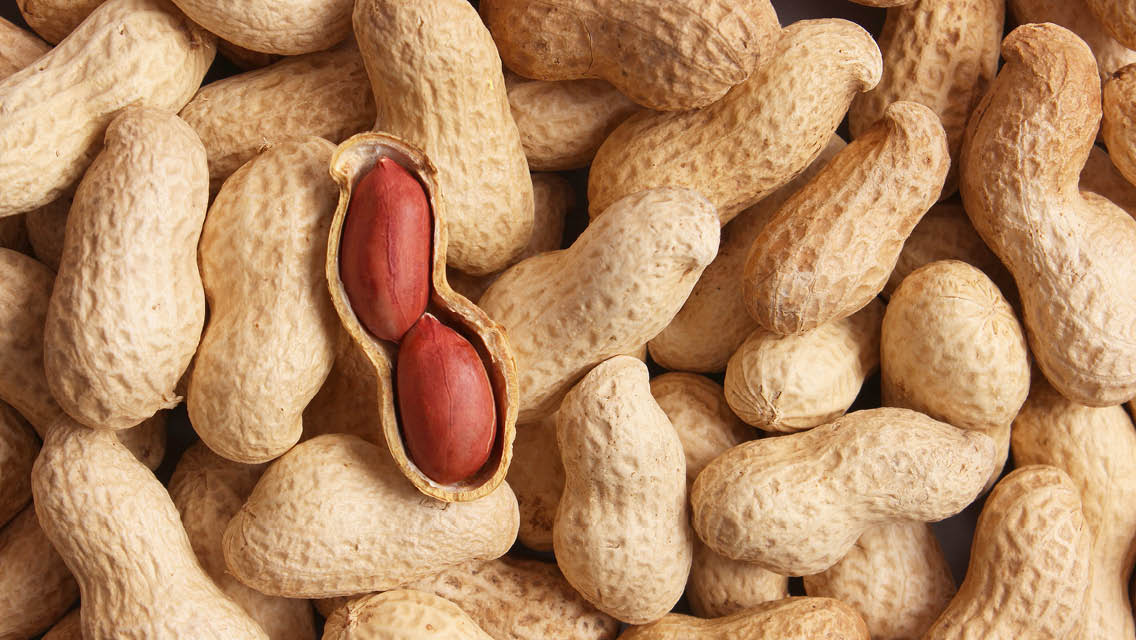
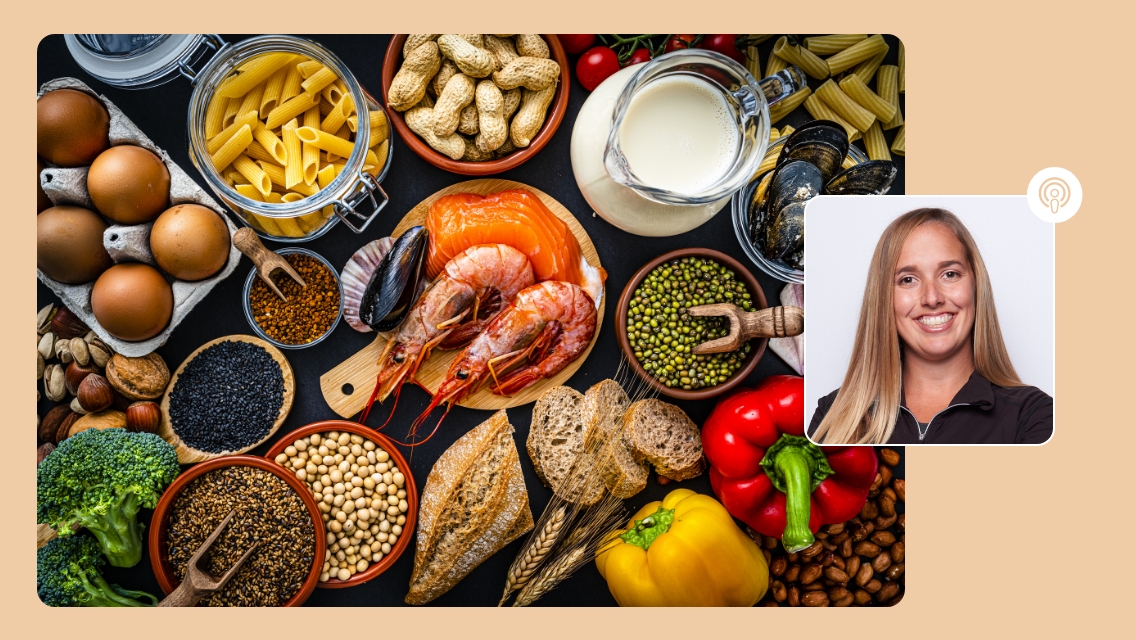
Yes. The most common allergenic foods are peanuts, milk, shellfish, tree nuts, eggs, finfish, wheat, soy, and sesame.
By Mo Perry

Can Food Reactivity Be Healed?

Many food sensitivities can resolve over time — as long as the gut has a chance to heal and foods are reintroduced slowly.
By Mo Perry

What Are Common Triggers for Food Intolerances and Sensitivities?

Leaky gut syndrome frequently precedes food intolerances and food sensitivities. Here's why.
By Mo Perry

Why Is it Important to Reintroduce Foods Over Time, When Possible?

Eating a wide variety of healthy foods is important for both physical and mental health, says our expert.
By Mo Perry

What Is a Food Intolerance?

Unlike food allergies and food sensitivities, food intolerances do not involve the immune system. Here's why.
By Mo Perry

What Is a Food Sensitivity?

Food sensitivities often cause delayed — not immediate — reactions such as joint pain, fatigue, and brain fog.
By Mo Perry

What Is a Food Allergy?

Although the term "food allergy" is used widely, it refers to a food exposure that triggers an immediate, marked immune response — often involving IgE antibodies.
By Mo Perry

Do Environmental Toxins Play a Role in Food Reactivity?

Glyphosate, which is used in the herbicide Roundup, and mercury in fish can contribute to leaky gut.
By Mo Perry

Does Food Reactivity Increase the Risk of Disordered Eating?

It can, but working with a functional nutritionist can help.
By Mo Perry
Back To Top