




Nutrition Tips
LATEST STORIES
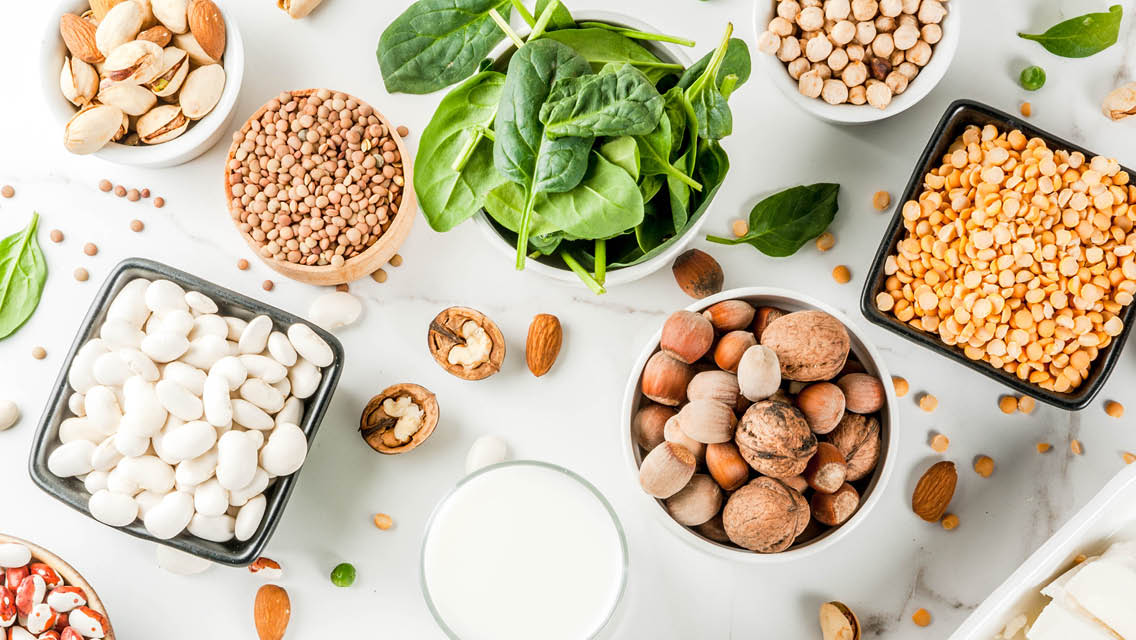
How to Get Enough Protein From a Plant-Based Diet
Plant-based foods can easily meet your protein needs. The key is diversity.
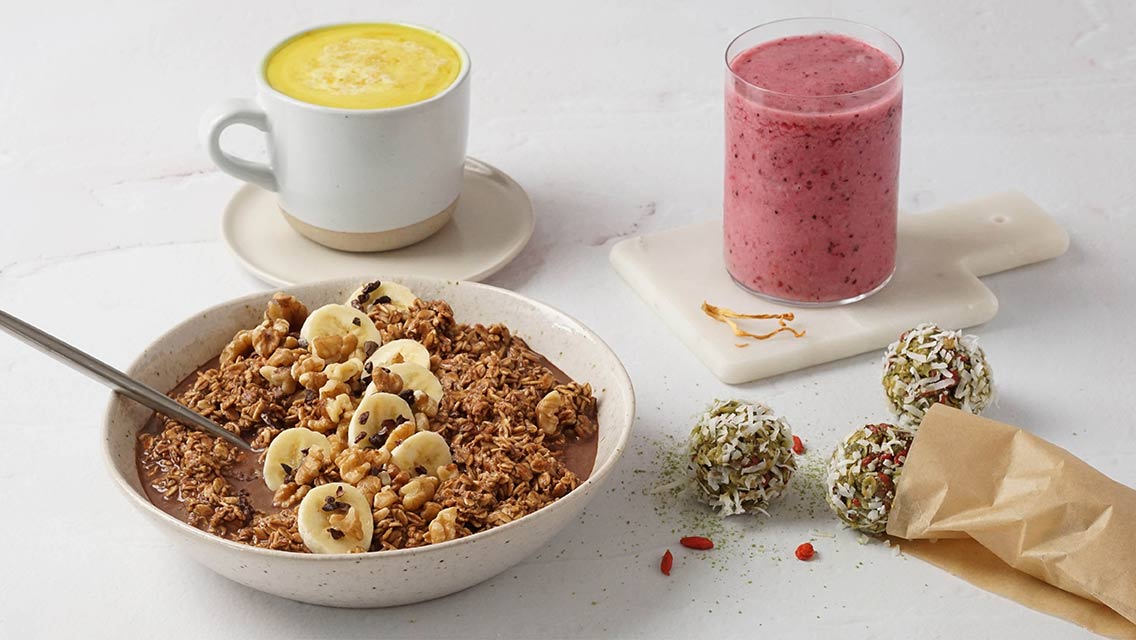
4 Adaptogenic Recipes to Try
Adaptogens can help relieve stress, support your immune system, and even aid your workouts. Try these recipes to get more of these healing herbs in your diet.
What Does “Cruelty-Free” Really Mean?
The government does not oversee or regulate this term, but other groups have stepped in. Look for the Animal Welfare Approved label and the Certified Humane Raised & Handled labels.

Are the Alkaloids in Nightshades Bad for You?
Most people tolerate the alkaloids just fine, but these toxin-containing compounds may trigger health issues in others.

Kicking the Sugar Habit — Together
One Life Time team member and her parents enrolled in the Life Time Sugar Fix program together to eliminate the ingredient from their diets. This was their experience.
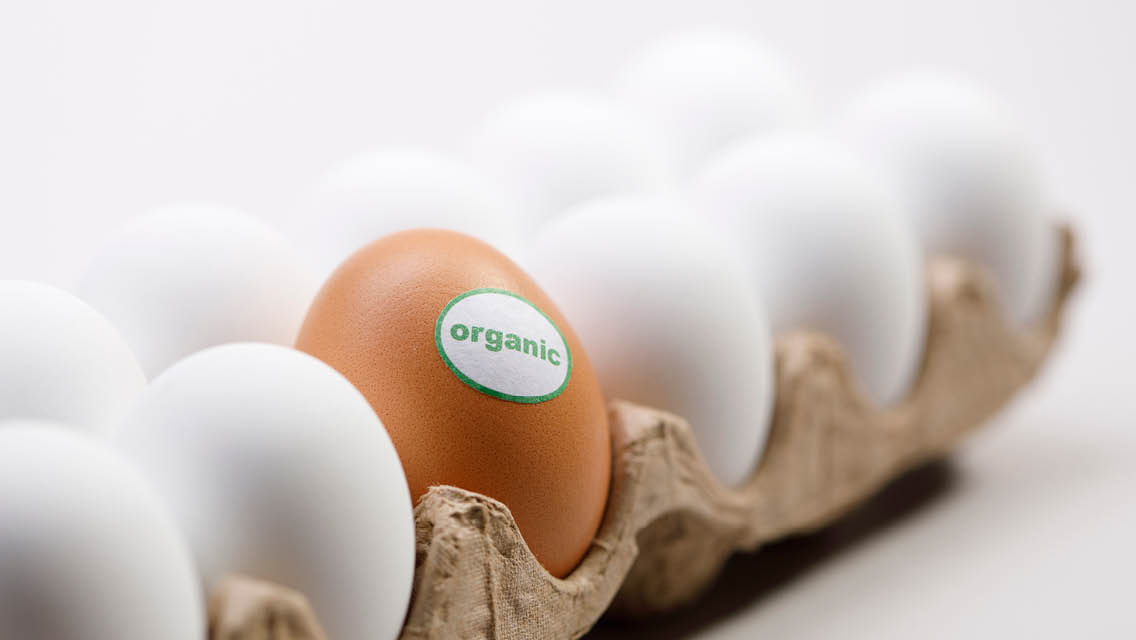
What Does “Organic” Really Mean?
The term is much more regulated than it used to be. Look for the USDA Organic label, which means that at least 95 percent of the ingredients are mostly free of pesticides and fertilizers.

What Does “Grassfed” Really Mean?
Look for American Grassfed Association certification, which means animals were raised 100 percent on grass and forage — not grain.
How to Balance Your Blood Sugar
Learn how blood sugar impacts nearly every aspect of health and understand the opportunities we have to intervene with lifestyle habits to better control it.
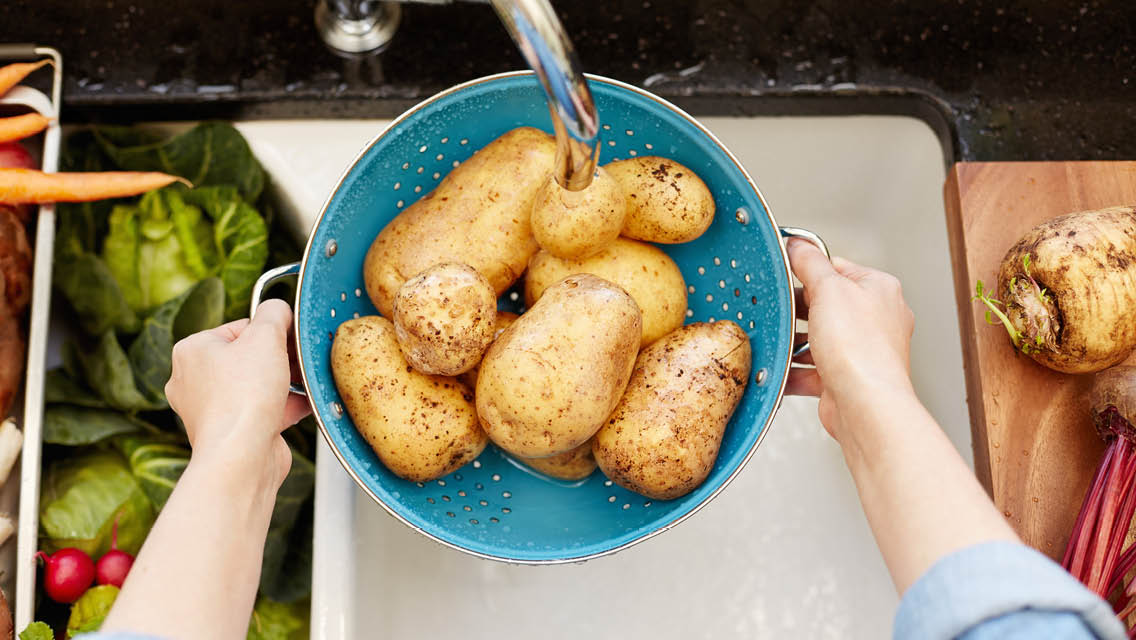
How to Make Nightshades More Digestible
Nightshade vegetables and fruits are nutrient-dense foods, delivering important antioxidant and anti-inflammatory benefits. Learn why these foods can be great for you — and how you can mitigate their effects if they bother you.
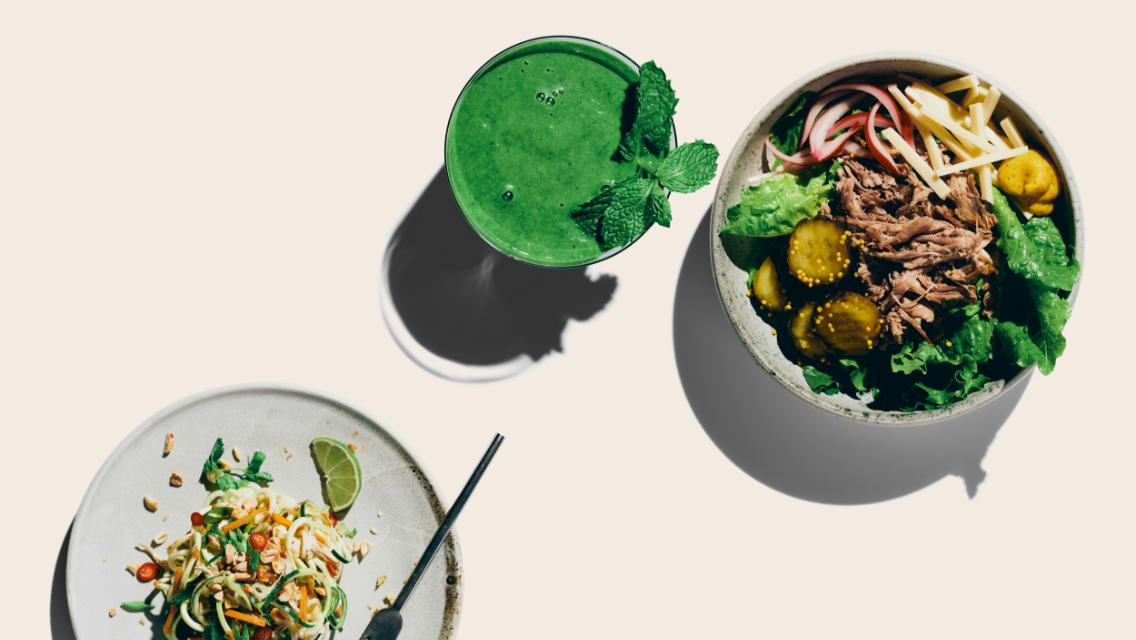
3 Habits Life Time Dietitians Do on the Regular
Strategies that help set them up for daily nutritional success.
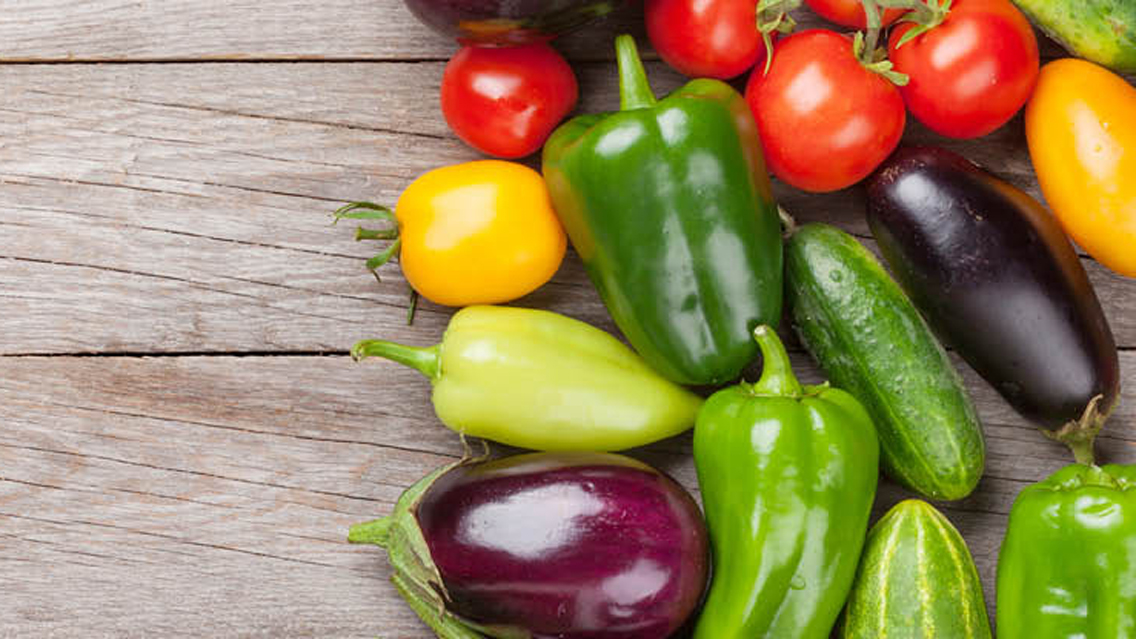
How to Navigate Nightshade Foods
Are nightshades bad for you? For most people, these foods are a healthy part of a varied diet. But for others, tomatoes, peppers, eggplants, and potatoes can be problematic.
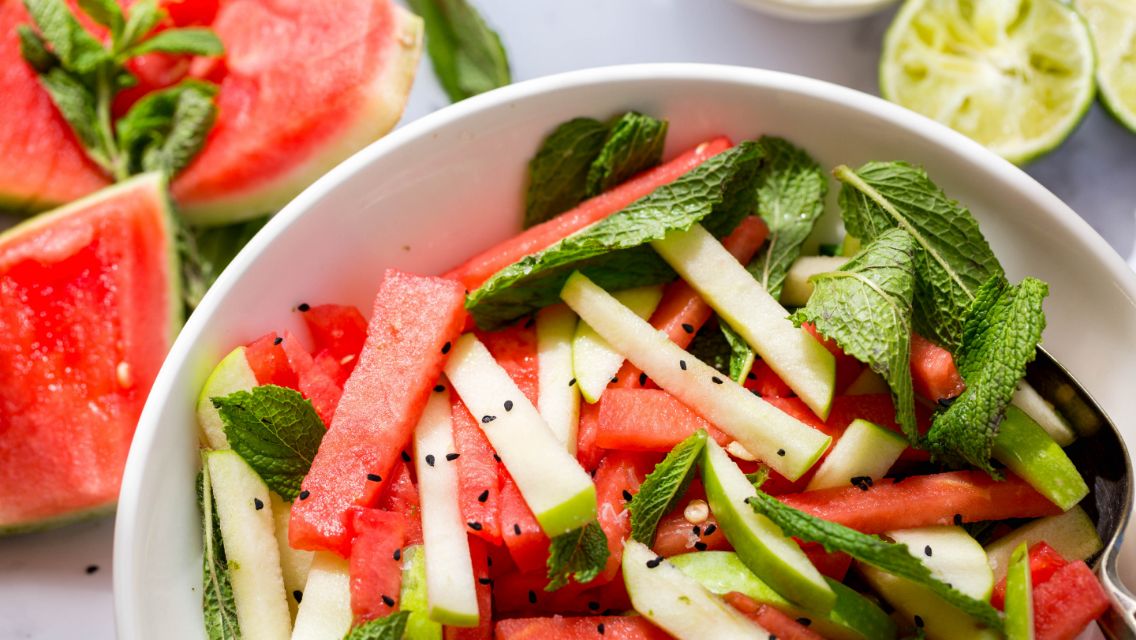
Rethinking Nutrition . . . for Real
After years of quick-fix dieting, the cofounder of the ARORA program finally progressed toward her health goals when she made healthy eating a lifestyle.
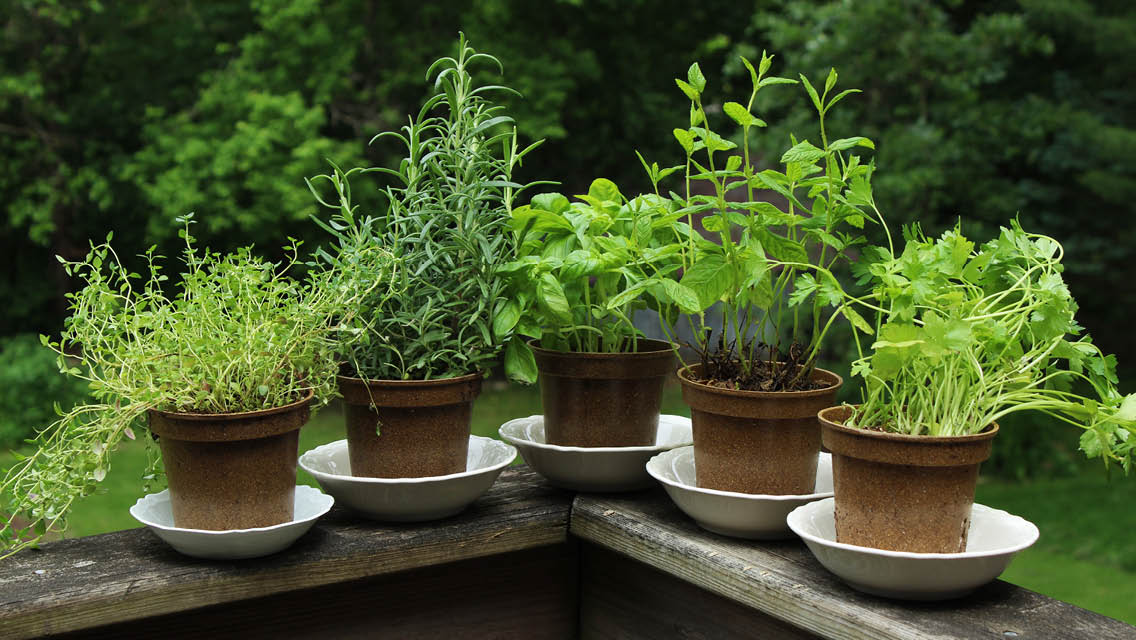
Gardens That Heal: Q&A With Juliet Blankespoor
Herbs like basil, thyme, fennel, mint, and more can be used in cooking — and in herbal medicine.
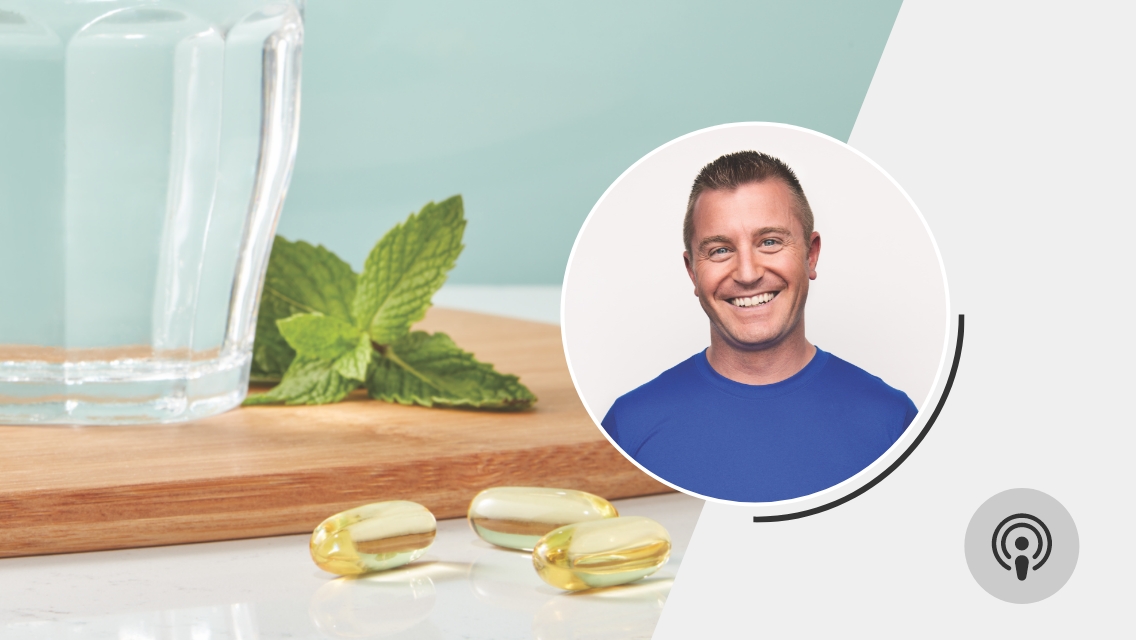
Why Omega-3s?
Without sufficient intake of omega-3s, our health can suffer: We might experience more inflammation, our cell signaling may be inhibited, and our cognitive health can take a hit. In this mini episode, Paul Kriegler, RD, explains why omega-3s are so essential and offers advice on how we can support our bodies with optimal amounts of this fatty acid.

Is There a Sustainability Difference Between Freshwater and Saltwater Fish?
Overfishing happens in both oceans and lakes.

How Much Does Pollution Affect Seafood Quality?
Fish are frequently contaminated with persistent organic pollutants. Here are some tips on how to avoid toxins when you eat fish.

How to Find Sustainable Seafood
Fish offers a host of health benefits, but pollution, overfishing, and human-rights abuses have muddied the waters. Learn how to make more sustainable choices.
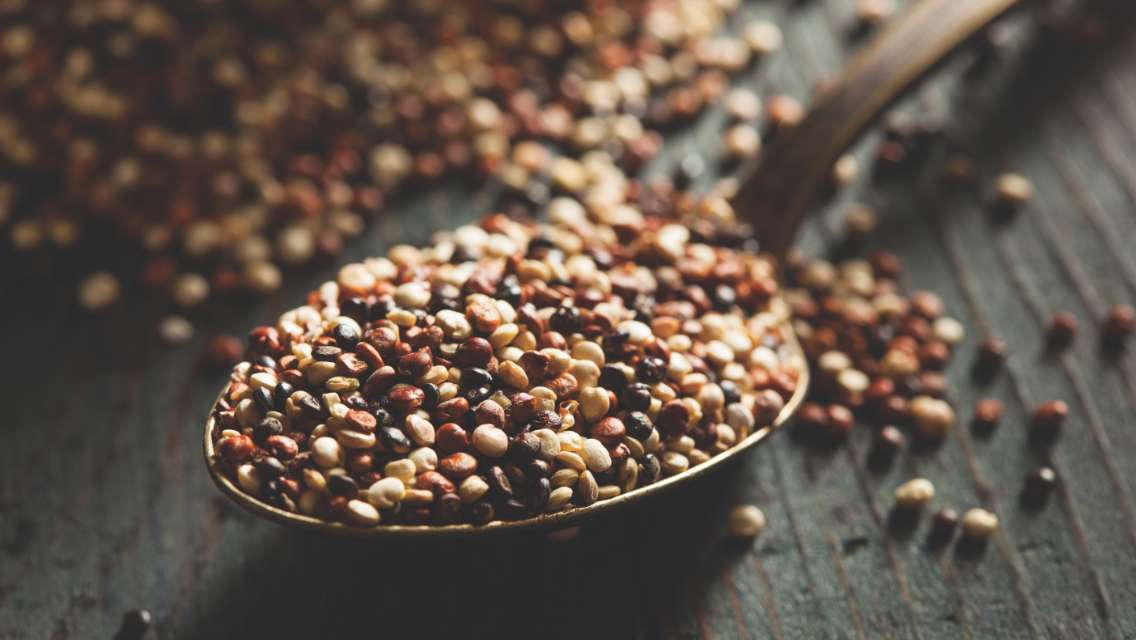
Expert Picks for Plant-Based Proteins
A Life Time dietitian shares her top choices for plant-based protein food sources — and considerations to keep in mind if you’re using them to hit your daily protein targets.
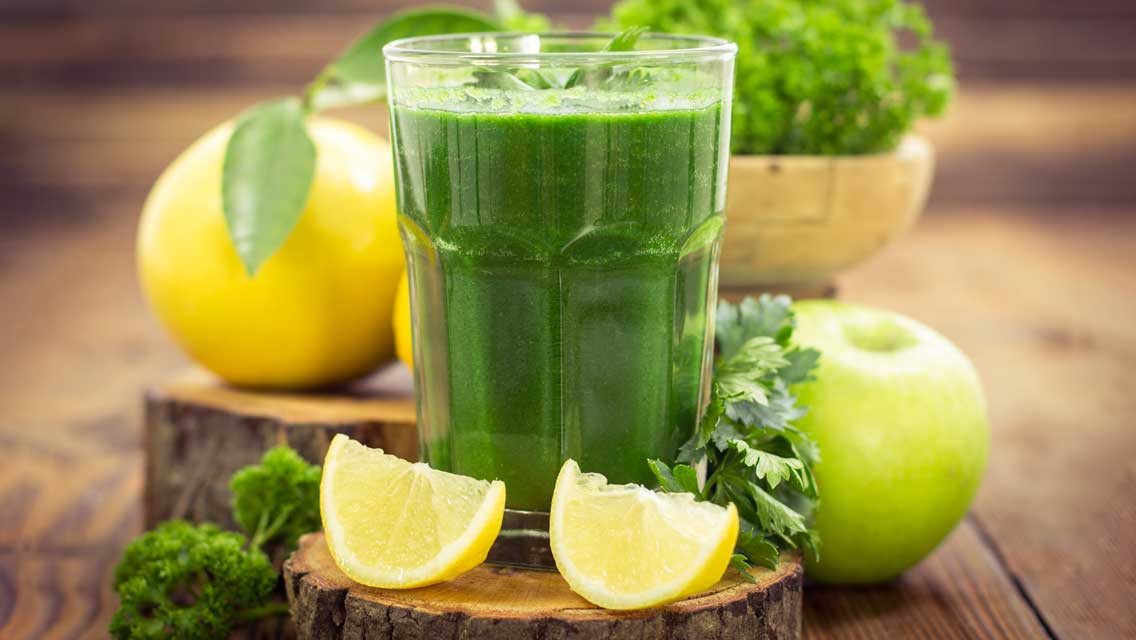
How pH Balance Affects Your Body’s Ability to Detox
Discover how to naturally detoxify your body every day by maintaining a balanced pH level.

How Fermented Foods Help Your Body Naturally Detox
Discover how fermented foods like kefir and yogurt can help your body’s natural detoxification process.
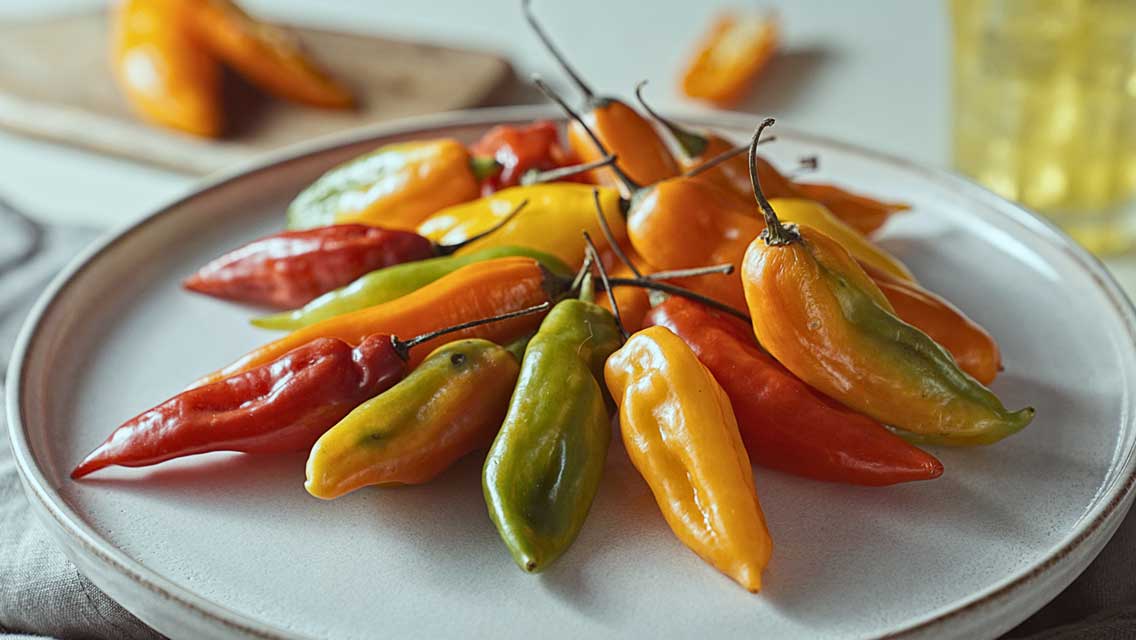
How Sweat Inducing Foods Help Your Body Naturally Detox
Discover how inducing your body to sweat can help your body’s natural detoxification process.