
Skip to content
Subscription

Nutrition Tips

Talks — S4, EP14 / Why Magnesium?

Magnesium is one of the most prevalent minerals in the body, impacting how we feel and function every day — yet it’s also the second most common nutrient deficiency behind vitamin D. In this mini episode, Samantha McKinney, RD, CPT, explains magnesium’s far-reaching role in our health and offers tips for making sure our bodies have optimal levels.


With Samantha McKinney, RD, CPT

The Wild World of Fermentation: Q&A With Sandor Katz

The author and "fermentation revivalist" talks about fermented soybeans, turmeric-infused pickles, and living with HIV.
By Marco Dregni

Good Eats for All: How to Navigate the Holidays With Dietary Restrictions

Based on learnings from her own healing journey, best-selling cookbook author Danielle Walker shares tips for enjoying seasonal gatherings when dealing with food intolerances or allergies.
By Julie Dulude

Talks — S4, EP11 / Why Vitamin D?

Vitamin D is the most common micronutrient deficiency — but it’s also one that we can prevent with relative ease. In this mini episode, Anika Christ, RD, CPT, explains why vitamin D is critical to our health, including its role in immunity, and offers ways we can make sure our bodies get optimal levels.


With Anika Christ, RD, CPT

Foods to Eat — and Avoid — During Cancer Treatment

Use nutrition to help protect — and fortify — a weakened immune system during cancer treatment.
By Catherine Guthrie

6 Tips for Sourcing High-Quality, Fair-Trade Spices

If you want to buy fresh seasonings grown by farmers who are treated fairly, keep these suggestions in mind.
By Helen Martineau

The Benefits of Alkaline Water

Research suggests alkaline water may help lower blood pressure and cholesterol and moderate the effects of diabetes.
By Courtney Helgoe

Eating Well During Cancer Care

Integrative cancer experts offer ways to nourish yourself when food seems less appealing.
By Catherine Guthrie

How to Lower Grilled Meat’s Cancer Risk

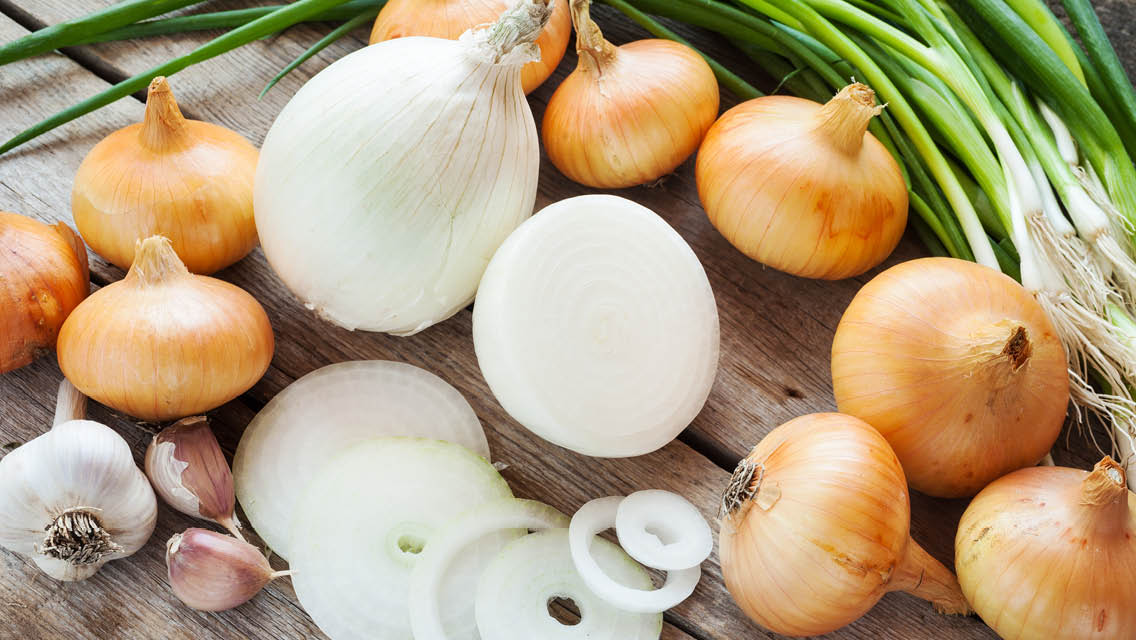
Adding onions and garlic to a meat marinade may offset the risks of heterocyclic amines.
By Catherine Guthrie

What You Need to Know About Alliums

What is an allium — and why do you need to eat more of them? Read on for the benefits of onions, garlic, leeks, and more.
By Catherine Guthrie

How Much Caffeine Is In That?

The amount of caffeine in some of our favorite foods and drinks varies greatly.
By Laine Bergeson

3 Ways to Get Hydrated — That Aren’t Plain Water

Try one of these three creative ways to boost your body’s hydration levels.
By Samantha McKinney, RD, CPT

Talks — S4, EP3 / Building Mental Health Through Nutrition

Of all the calories we eat each day, 20 percent are used by our brains — so it’s no wonder there’s such a strong connection between our nutritional habits and mental-health status. Drew Ramsey, MD, psychiatrist, author, and mental-health advocate, joins us to explain this relationship and teach us about the food choices that best support our brains and mental well-being.


With Dr. Drew Ramsey

How Much Caffeine Is Right for Me?

To figure out how much caffeine — if any — is OK for you, try eliminating it for a couple of weeks and then reintroducing it.
By Laine Bergeson

Talks — S4, EP2 / Why Hydration?

Our bodies are 70 percent water, so maintaining a healthy body starts with sustaining healthy hydration habits. In this mini episode, Paul Kriegler, RD, explains why proper hydration is so essential for our health and how we can make sure we’re optimizing our water intake.


With Paul Kriegler, RD

How Does Caffeine Really Affect Your Health?

Your questions about this common stimulant, answered.
By Laine Bergeson

Green-Tea Lovers May Live Longer

Drinking green tea at least three times a week is associated with a lower risk of heart disease and stroke, according to recent research.
By Craig Cox

Can Regenerative Agriculture Save Us?

Why nourishing topsoil, raising healthier animals, and growing more nutrient-dense crops and produce is critical to the future of food — and the planet.
By Elizabeth Millard

Why Nutrition-Only Programs Rarely Work

Looking for transformational results? Learn why nutrition, exercise, and lifestyle all play a pivotal and connected role.
By Samantha McKinney, RD, CPT

Talks — S3, EP14 / Fueling for Your Workouts

Fueling for workouts can be tricky: How we do it depends on a lot of individual factors, and it can take time to learn what does or does not work for us. Cliff Edberg, RD, Master Trainer at Life Time, breaks down what we need to know about pre- and post-workout nutrition, and offers general guidelines we can start with to then hone in on what’s best for us.


With Cliff Edberg, RD, Master Trainer

Can People With Thyroid Conditions Eat Cruciferous Vegetables?

Cooking and fermenting the veggies — and making sure you have adequate iodine — might be the key.
By Mo Perry
Back To Top