



Skip to content
Subscription

Nutrition Tips

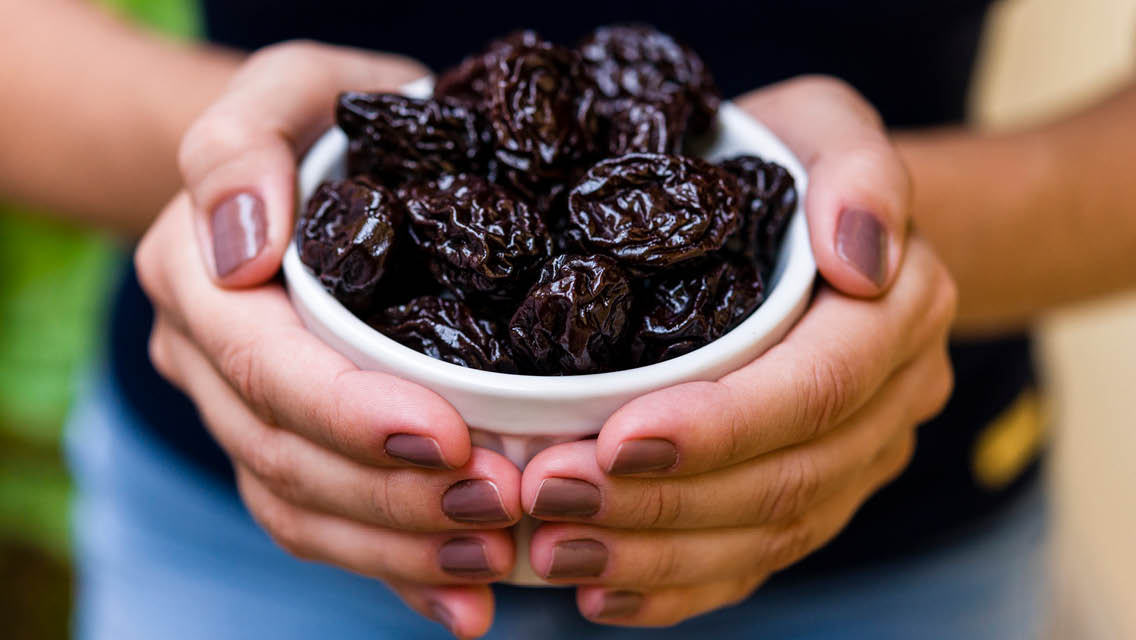
Can Prunes Help Improve Bone Density?

Prunes are well-known for their ability to help keep us regular. However, recent research indicates prunes may improve bone health in postmenopausal women.
By Craig Cox

Does Calorie Restriction Slow Down Aging?

Recent research indicates that cutting calories after the age of 45 can increase longevity and reduce age-related disease. Learn why and if it's right for you.
By Frank Lipman, MD 

How Vitamin D Supports Sleep

This vitamin is critical to creating melatonin. Are you getting enough?
By Mo Perry

Which Nutrients and Supplements Can Help Me Sleep?

A host of supplements — think melatonin, magnesium, and more — can help you drift off and sleep more soundly. And they’re typically safer than pharmaceuticals.
By Mo Perry

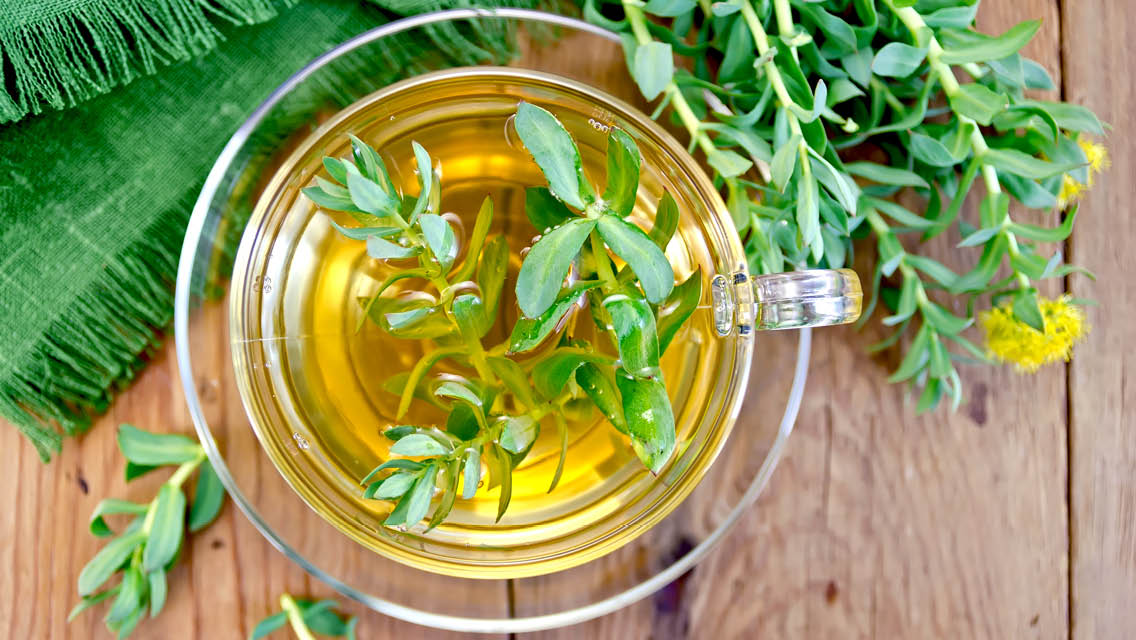
How to Use Rhodiola for Energy and Focus

Rhodiola is an adaptogenic plant that can help with mental focus. Here's how.
By Henry Emmons, MD

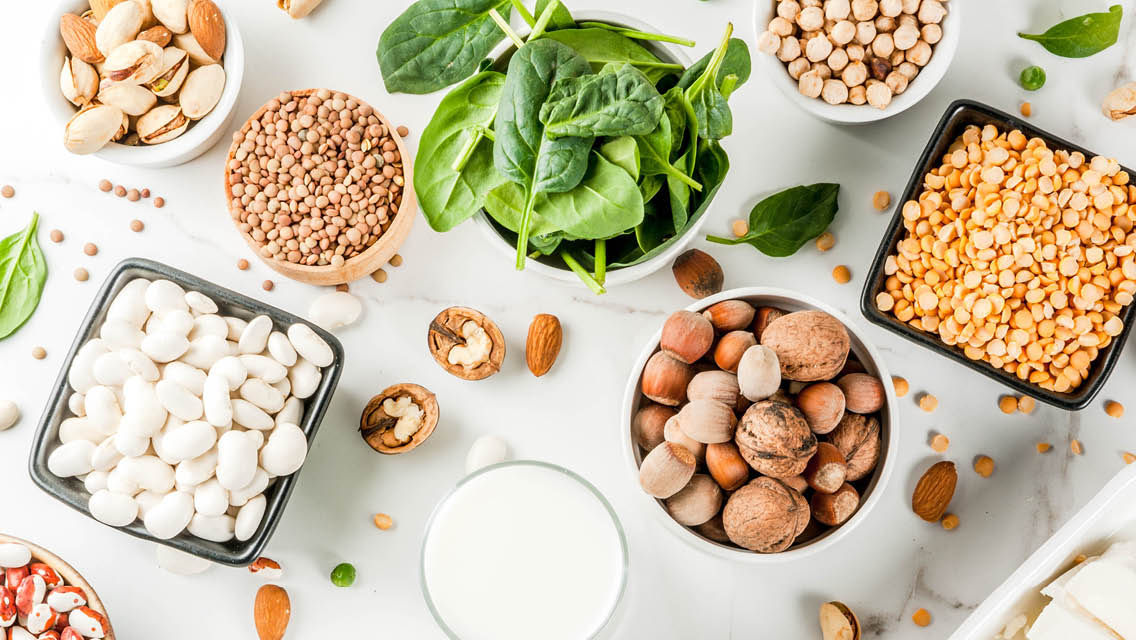
3 Reasons to Eat More Plant-Based Protein

It comes down to longevity, fending off chronic illness, and helping the planet.
By Catherine Guthrie

5 Tips to Pick the Best Loaf of Bread

Seek out sprouted grains, real sourdough, and more.
By Robin Asbell

3 Tips to Increase Your Magnesium Intake

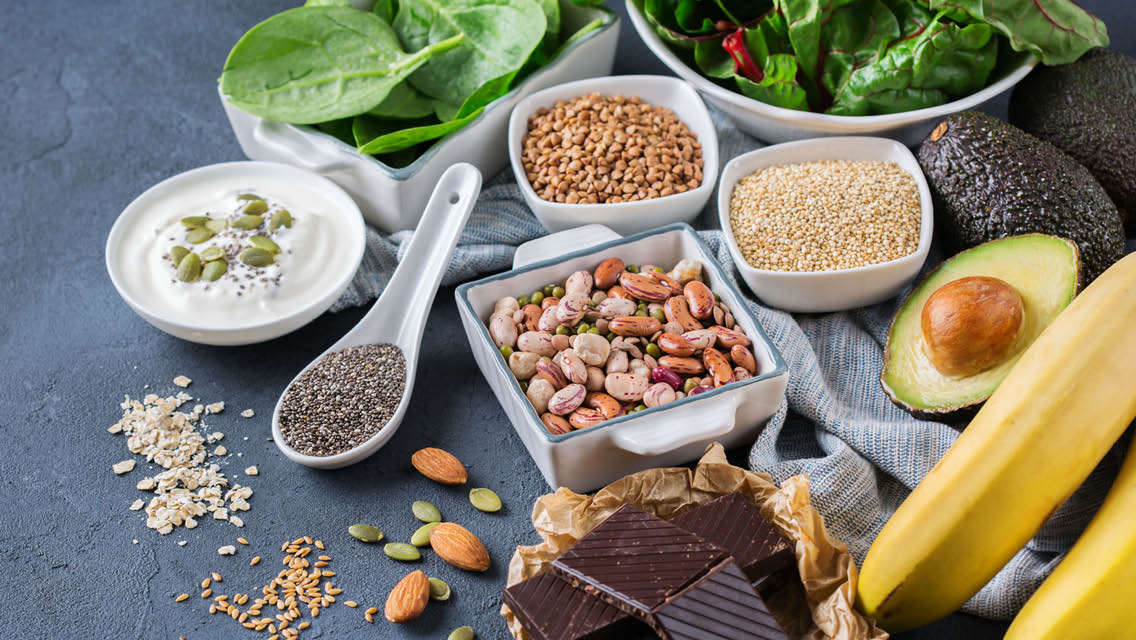
Magnesium is involved in many bodily processes, including bone building, mood regulation, and energy production. Here's how to get more of this vital nutrient.
By Experience Life Staff

The 7 Best Sources of Plant-Based Protein

This guide outlines several of the most protein-abundant foods in the plant world.
By Catherine Guthrie

How to Get Enough Protein From a Plant-Based Diet

Plant-based foods can easily meet your protein needs. The key is diversity.
By Catherine Guthrie

4 Adaptogenic Recipes to Try

Adaptogens can help relieve stress, support your immune system, and even aid your workouts. Try these recipes to get more of these healing herbs in your diet.
By Maddie Augustin

What Does “Cruelty-Free” Really Mean?

The government does not oversee or regulate this term, but other groups have stepped in. Look for the Animal Welfare Approved label and the Certified Humane Raised & Handled labels.
By Michael Dregni

Are the Alkaloids in Nightshades Bad for You?

Most people tolerate the alkaloids just fine, but these toxin-containing compounds may trigger health issues in others.
By Jill Patton, NBC-HWC

Kicking the Sugar Habit — Together

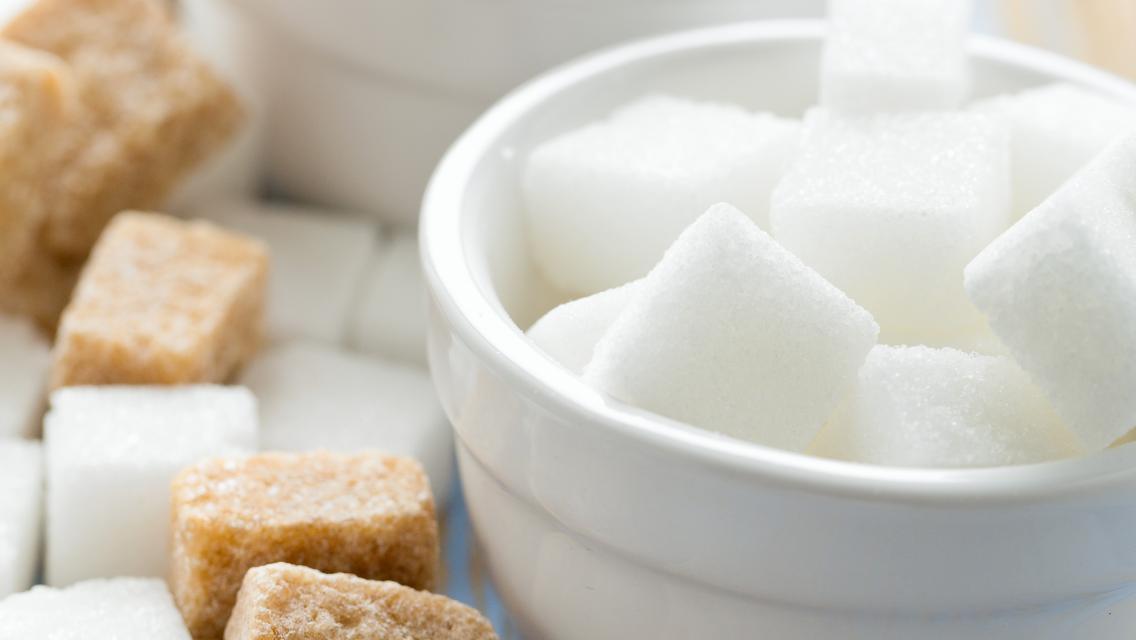
One Life Time team member and her parents enrolled in the Life Time Sugar Fix program together to eliminate the ingredient from their diets. This was their experience.
By Annie Kragness

What Does “Organic” Really Mean?

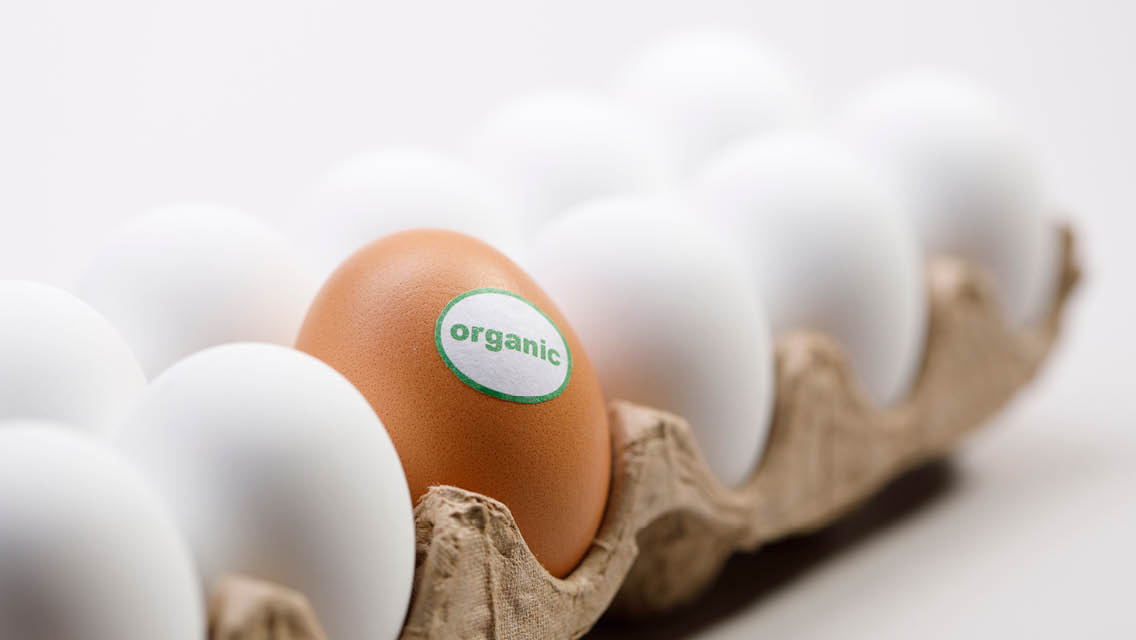
The term is much more regulated than it used to be. Look for the USDA Organic label, which means that at least 95 percent of the ingredients are mostly free of pesticides and fertilizers.
By Michael Dregni

What Does “Grassfed” Really Mean?

Look for American Grassfed Association certification, which means animals were raised 100 percent on grass and forage — not grain.
By Michael Dregni

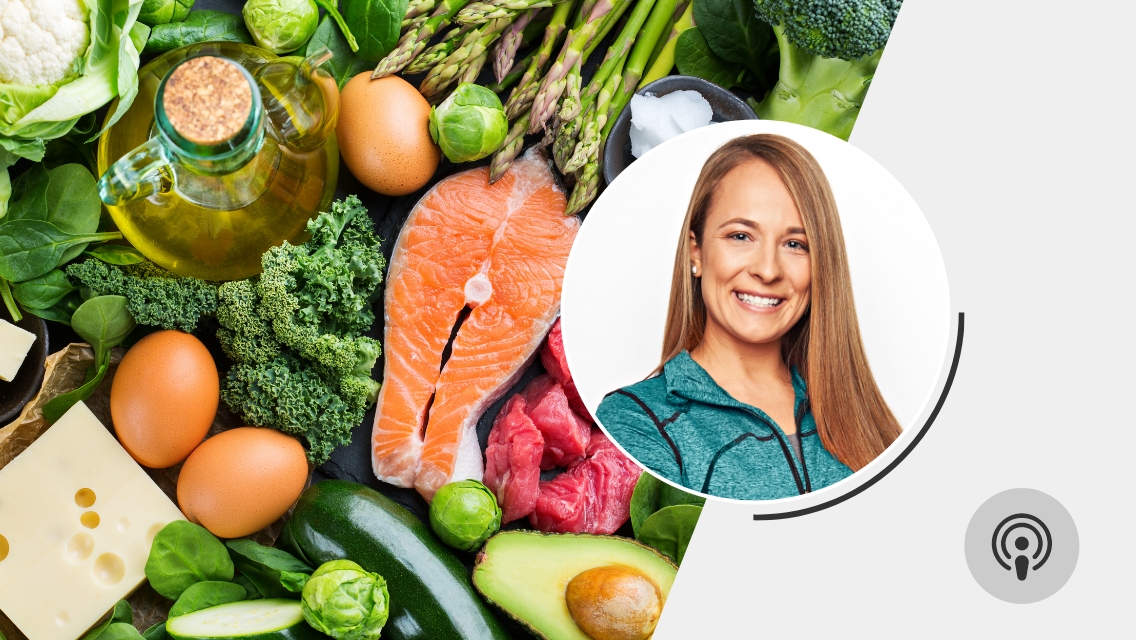
Talks — S5, EP12 / How to Balance Your Blood Sugar

Learn how blood sugar impacts nearly every aspect of health and understand the opportunities we have to intervene with lifestyle habits to better control it.

With Samantha McKinney, RD

How to Make Nightshades More Digestible

Nightshade vegetables and fruits are nutrient-dense foods, delivering important antioxidant and anti-inflammatory benefits. Learn why these foods can be great for you — and how you can mitigate their effects if they bother you.
By Jill Patton, NBC-HWC

3 Habits Life Time Dietitians Do on the Regular

Strategies that help set them up for daily nutritional success.
By Samantha McKinney, RD, CPT

How to Navigate Nightshade Foods

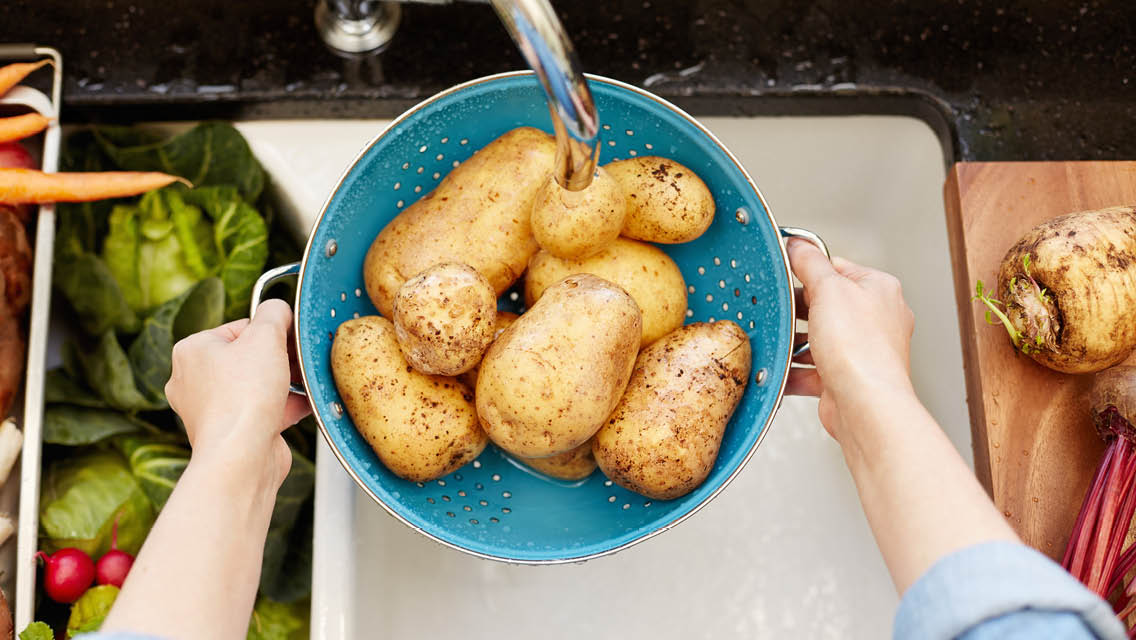
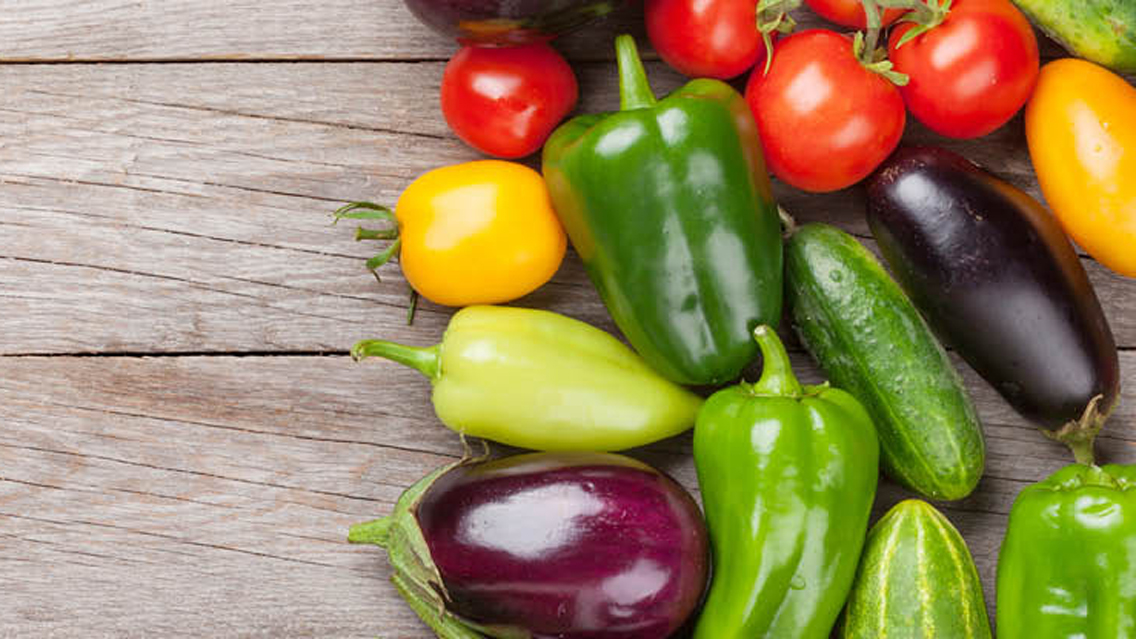
Are nightshades bad for you? For most people, these foods are a healthy part of a varied diet. But for others, tomatoes, peppers, eggplants, and potatoes can be problematic.
By Jill Patton, NBC-HWC

Rethinking Nutrition . . . for Real

After years of quick-fix dieting, the cofounder of the ARORA program finally progressed toward her health goals when she made healthy eating a lifestyle.
By Renée Main
Back To Top