

Perimenopause and menopause can be a bewildering time. Symptoms vary wildly from person to person, and those linked to perimenopause can last for up to a decade before menopause officially occurs — a year after your last period. Because the combination of these phases is colloquially referred to as ‘menopause,’ many people don’t realize that ‘menopausal’ symptoms begin before menstruation ends.
To add to the challenge, menopause is a sensitive topic, even a taboo one. It can feel tricky to discuss even with your closest friends and family, and most healthcare providers receive only minimal training about menopause. All this leaves many of us confused, frustrated, and in search of helpful guidance.
Providing that guidance is Laura Libby’s mission. Founder of Blooming Third Age, Libby is a certified menopause support specialist who acts as a trusted guide through the menopausal transition. She spoke with us about the value of having a partner in the process.
Q&A With Laura Libby
Experience Life | How do you define menopause?
Laura Libby | Physiologically, menopause marks the end of a woman’s menstrual cycle due to hormonal shifts. This transition — known as perimenopause — typically begins around age 42 but can start as early as 35 or occur suddenly due to hysterectomy or medical treatments such as chemotherapy. Whether it’s gradual or abrupt, every person born with ovaries who lives long enough experiences menopause.
Each person’s path through menopause is shaped by their health history, lifestyle, and personal experiences, including trauma exposure. It’s a uniquely individual journey that also represents a profound rite of passage encompassing cultural, familial, emotional, and spiritual dimensions. How someone navigates this transition can profoundly influence their quality of life.
Despite its universality, menopause remains widely misunderstood. It’s often stigmatized, feared, and met with inadequate care. Many women still feel uncomfortable talking about it with friends, family, or even their healthcare providers. The changes in body, identity, and purpose can be disorienting, and going it alone can be overwhelming. That’s where a menopause support specialist can help.
EL | How do you reframe the menopause experience for your clients?
LL | People usually look at me like I’m nuts when I say menopause can be an amazing and wonderful time in a woman’s life. I know firsthand that can be hard to believe, especially when you feel like crap and much of the world seems to have started ignoring you. But the truth is, with education and support, menopause can be an incredible time of personal growth — even a time to celebrate.
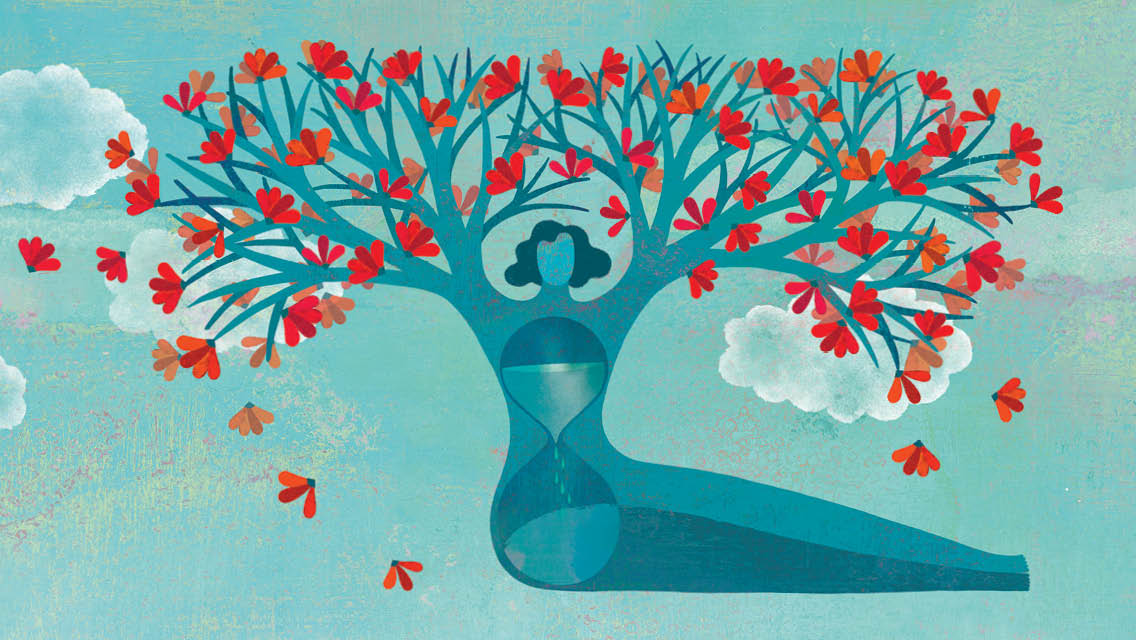
“The change” is a perfect example of the phoenix-rising story. As a powerful spiritual totem, the phoenix is the ultimate symbol of strength and renewal that represents the transformative birth, death, and rebirth cycle that menopause brings. For many women, a loss of estrogen, which previously suppressed stress hormones like cortisol, becomes an awakening of no more BS. Rage also helps us bring our voice when it’s needed, so we can advocate for ourselves and speak out against injustice. There’s great power and freedom in no longer striving to meet other people’s expectations and just showing up as your own special self, cracks and all.
I work with clients to connect with their strengths, celebrate achievements, and challenge ageist narratives using tools like meditation, journaling, art, and even dance. I suggest they ask themselves some questions, such as: What if I treated myself with the same kindness and understanding that I offer to others? How would my inner dialogue change, and how might that shift my whole experience of life?
EL | What is a menopause support specialist?
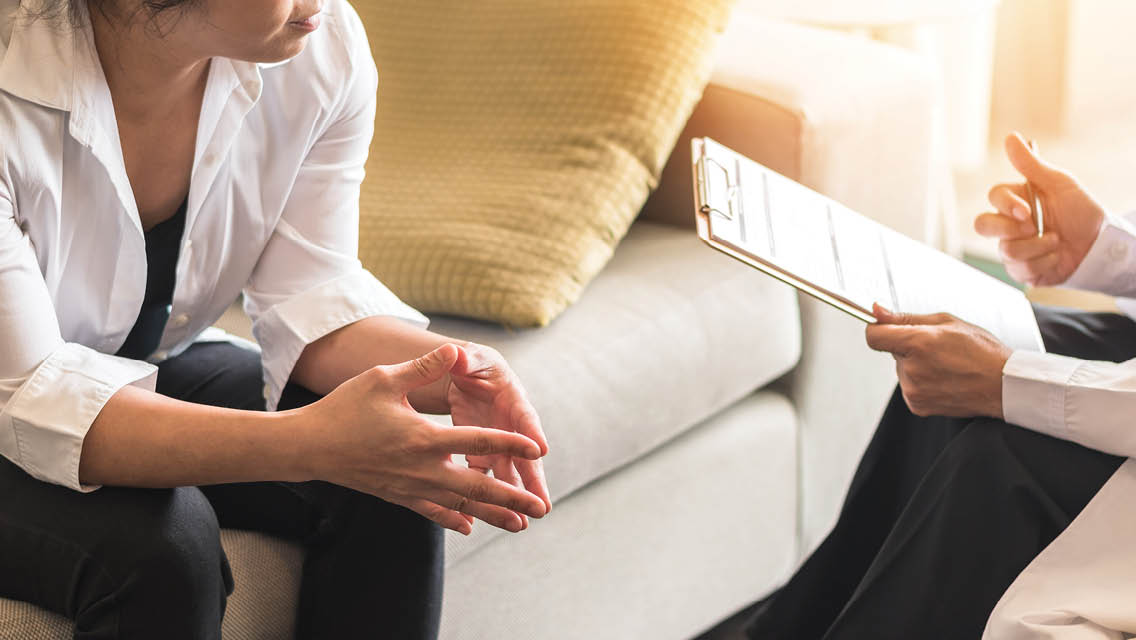
LL | We are educators, advocates, and allies dedicated to bridging a crucial gap between women and their healthcare teams during menopause. Our role includes educating clients to help them better understand their symptoms, providing them with language for better self-advocacy and developing a personalized action plan to meet their goals. We focus on nutrition, supplemental support, mindset shifts, manifesting, goal setting, and finding appropriate medical providers whenever needed.
By collaborating with healthcare professionals, like doctors, nutritionists, acupuncturists, and mental health providers, we work to ensure clients receive the holistic support they need and create a safe landing pad during the journey through perimenopause and menopause.
EL | Why work with a support specialist?
LL | Many women starting menopause find they can’t get the guidance they need from their regular healthcare providers. A Yale University review found that nearly 75 percent of those who sought care for menopausal symptoms received no treatment, while a 2023 Harris Poll revealed that one in three women between the ages of 45 and 54 have been misdiagnosed with another condition.
This is partly due to a lack of training of medical professionals. A survey conducted in 2017 found that fewer than 7 percent of medical residents feel “adequately prepared” to treat menopause patients. Without proper training, even well-meaning healthcare providers may overlook or misdiagnose menopausal symptoms. Many women say they feel dismissed by their physicians, even those they trust who previously helped them through an illness or delivered their children.
Having a menopause support specialist means having an ally and an experienced guide to help you navigate these changes. I’m like a project manager for one of life’s biggest events, supporting you in finding your power and becoming who you’re truly meant to be.
EL | When is a good time to seek out a support specialist?
LL | Many women, especially in midlife, are managing jobs, homes, families, businesses — and they’re possibly caring for aging parents. Who’s got time to listen to the messages our bodies are sending? When I was going through perimenopause, I certainly did not.
I’ve since learned this lack of awareness is all too common, again largely due to the silence and stigma surrounding menopause. Most women in the western world are rolling into perimenopause depleted — and then when it hits them, it can knock them flat. It’s a crucial time to slow down and find care that addresses the whole picture.
It’s entirely possible to be in perimenopause without knowing it. You might just feel unexplainably weird. Many people don’t realize women have estrogen receptors in nearly every organ system in their bodies, which affects everything from our brains and bone health to heart and tissue function.
Many people don’t realize women have estrogen receptors in nearly every organ system in their bodies, which affects everything from our brains and bone health to heart and tissue function.
Symptoms of menopause include much more than just hot flashes, and these symptoms can be a moving target. One day you might wake up with joint pain — then a few days later, poof, it’s gone, only to return months later in a different spot.
Feelings of rage, moodiness, increased anxiety, or depression are often misunderstood as everyday stress, when they might be signals that your body is in transition and needs care.
EL | What do you offer that doctors or friends can’t?
LL | While doctors may only have 10 to 15 minutes per patient, I have the luxury of quality time. I provide a safe space to listen deeply and validate my clients’ experiences. It’s a heartbreaking truth that among women, the 45 to 64 age group faces the highest rate of suicide. It seems likely that the social stigma and dismissive medical treatment experienced by aging women contribute to that statistic.
But the value of being seen and heard, with genuine support from someone who’s been through menopause, can be transformative and a big source of renewed hope. That’s the work of a menopause support specialist.
EL | How do I find a qualified menopause specialist?
LL | The best place to start is using the “find a menopause practitioner” search at the website for the North American Menopause Society. It can help you locate an expert in your area (or online) who has made a point of learning how to support patients physically and emotionally during the menopause transition.
My own formal training started in early 2023, when I completed a certification course through Burrell Education in the United Kingdom. This was a 40-plus hour class covering topics like nutrition, bone and joint health, exercise, cognition, hormone therapy, and sexual and mental health in menopause.
I also participated in Hagitude, a yearlong program led by renowned author Sharon Blackie that examined menopause through cultural and spiritual lenses, often using archetypes from folklore and the Fool’s Journey of tarot. This included powerful and inspiring discussions about sacred activism, spiritual eldering, and what it means to become a good ancestor.
These trainings, combined with my lived experience as a massage therapist, professional dancer, yoga instructor, meditation leader, and menopause survivor, have given me a unique perspective on the menopausal transition as a holistic body, mind, and spirit event. My blending of scientific knowledge, cultural wisdom, and lived experience allows me to support my clients in a way that most healthcare providers simply cannot.
EL | What does your work with a client look like?
LL | Each support specialist has their own approach, though you can expect that any menopause support specialist will address the body first, since it’s hard to be optimistic about your future when you feel like you’re on fire from the inside and you might throat-punch the next person who asks you what time it is. It’s common to begin by reducing sugar, eliminating caffeine and alcohol, and adding more protein and fiber — these changes can have a big impact on symptoms, mood, and energy.
A good coach will also discuss your sleep hygiene, stress, and exercise. I might also refer a client to an acupuncturist for symptom relief or to a qualified doctor to determine if they’d be a good candidate for hormone therapy.
Once we have those foundational physical pieces in place, we look at mindset. That means unpacking some of the cultural baggage about aging and self-worth. Most all of us have at least some of it! Many of my clients have been serving others for decades, and menopause can be an opportunity for them to finally reflect on their own needs, learning what’s best for them in the final chapters of life. Empowering women to love themselves and embrace radical self-acceptance is my personal specialty and brings me great joy.
Finally, I believe there’s a vital spiritual component to the menopausal transition. I guide my clients as they review their pasts and release what’s weighing them down. I encourage them to own and share their wisdom and explore the healing powers of forgiveness. The menopausal transition is also a great time to deepen your existing faith or explore new spiritual practices, connect with community, even tap into the divine feminine. These are our wisdom years!
EL | Where do you stand on hormone therapy?
LL | I’m 100 percent for it if it’s right for you. Every person’s experience in menopause is different, so there has to be room for multiple solutions. Shame and judgment deserve no place on this journey.
I’ll freely admit that prior to my training, I had a lot of judgment and concerns around hormone therapy. I worried it was yet another way for pharmaceutical companies to profit from women’s fears of aging. And, of course, many people have concerns about a possible connection between estrogen and cancer risk.
What I know now is that the research about estrogen’s safety continues to evolve, and that supplemental estrogen can offer not just symptom relief but important preventive benefits. A recent study shows that supplemental hormones may reduce the total mortality rate in women under the age of 60 by nearly 40 percent. That’s dramatic!
As with all medications, supplemental hormones come with risks and should be discussed with a doctor. But again, finding a qualified doctor trained in menopause care can be an extremely frustrating process. Though I don’t diagnose or prescribe medications, I do help clients find informed providers and coach them on which questions to ask and how best to advocate for themselves.
In preparation for a menopausal hormone-therapy appointment, I’ve sent clients to their doctor with medical journals and fact sheets based on current science. Afterward, I can be a sounding board for clients to recap the appointment and process the best action plan to achieve their goals. Many women say they’re not sure they could’ve done it alone. I’ve also had multiple doctors thank me because they need more support too.
The Menopause Society now has an educational program for U.S. physicians and a public database to find certified providers by state. While hormone therapy might not be right for everyone, every woman deserves a conversation with her doctor to determine her risk-to-benefit ratio so she can make the most informed choice for her body.
EL | What inspired you to become a menopause support specialist?
LL | I can’t tell you how many women I’ve known, including myself, who’ve been told to “just get used to it” when they’re seeking help for menopause symptoms. My own symptoms included heart palpitations, brain fog, panic attacks, depression, anxiety, suicidal ideation, insomnia, joint pain, muscle loss, plantar fasciitis, frozen shoulder, migraine, weight gain, tooth loss, and neurological dysfunction. When I sought help, I was repeatedly told these symptoms were just part of aging and even that it was all in my head.
It just didn’t add up. I’d been very active with good nutrition most of my life, but my symptoms were making it impossible to function day to day. I tried everything. I meditated, did breathwork and acupuncture, took herbal supplements, and tried every nutritional protocol under the sun, all with little effect.
Of the many, many clinicians I saw for symptom relief between the ages of 42 and 52, not one suggested I might be in perimenopause. It took fracturing my wrist while ice-skating at 52 to discover that I was in the early stages of osteoporosis, related to low estrogen. It took a year to find a qualified provider to get the help I needed.
No one should have to go through what I did. I truly believe that with some education and support, menopause can be more than just manageable — it can be a time to celebrate stepping into your full power.
EL | Any parting words of wisdom?
LL | Did you know that women in cultures that have a more positive view of menopause experience fewer symptoms? Many elder women are their most powerful when they reach menopause. They’re experienced, intuitive, and wise, with gifts to share that the world desperately needs. In many cultures, this is the time to step into leadership roles.
Learning to embrace obstacles as opportunity, elevating our expectations of care, and sharing wisdom is how we move past our culture’s negative views of aging women. I have a daughter, and my hope is that when she enters menopause, she’ll see it not as this weird, ugly, mysterious thing to be feared but instead as a chance to know her power. We all deserve to step into our full potential as wise elders.
Telling aging women that they’re useless and ugly is a method of patriarchal control. It’s important not to believe this ruse. Making change starts by normalizing the conversation around menopause, challenging outdated systems, and reprograming unhealthy mindsets. The work I do as a menopause support specialist is deeply rewarding. It was a bumpy road getting here, but I’m grateful for this calling and honored to have the opportunity to lift others up.






Comments (0)