

Learning From Injury
Why sports writer Chris Ballard (almost) wishes he’d been injured years earlier.


Why sports writer Chris Ballard (almost) wishes he’d been injured years earlier.

Commuters who bike to work are the happiest — and have the highest sense of overall well-being — compared with those who drive cars or use public transportation, according to a Portland State University study.

A new study suggests playing soccer can help geezers stay healthy, but I have my doubts.

For patients with tick-borne diseases, the path to health can be confounding. Combining integrative and conventional approaches may be the best way forward.

A canoe transports you to places you’d never see otherwise — at a speed that allows you to appreciate them.

What 95-year-old track star Olga Kotelko can teach us about living and aging well.

You need a solid core for everyday life. This basic body-weight circuit builds both strength and stability.

Use your healthy frustration about unhealthy status quos to spark creativity and determination.

The Olympian reflects on the advantages of age, experience, and believing in yourself against the odds.
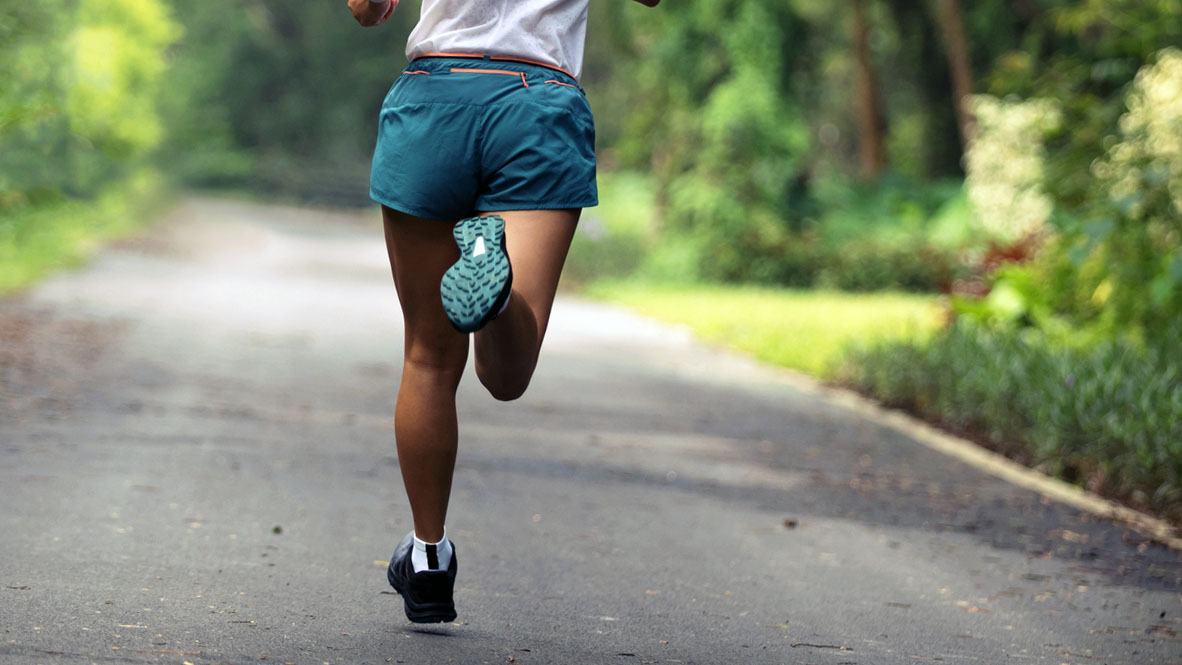
Our fitness experts tackle your questions on replacing minimalist running shoes, intermittent fasting for fat loss, and yoga and hypermobility.

University of Rochester Medical Center research reports that while we sleep, our brains flush out toxins that build up when we’re awake — allowing us to clear our heads.

Fermented foods boost the good bacteria in our guts, which makes us healthier, happier, and more resilient.

The tick-borne illness, one of the fastest growing diseases in the United States, can be disabling if left untreated.

A home improvement project got me thinking about the importance of stairs as we age.

Thanks to its physical and mental challenges, rock climbing gives new meaning to upward mobility.

Tips for navigating the stress of relocating and feeling at home in a new place from psychologist and psychotherapist Elizabeth Stirling, PhD.

At best, the dyes are aesthetic enhancers. At worst — and as many "real food" advocates claim — they are a public-health menace linked to behavioral problems and other consequences.