


Healthy Aging
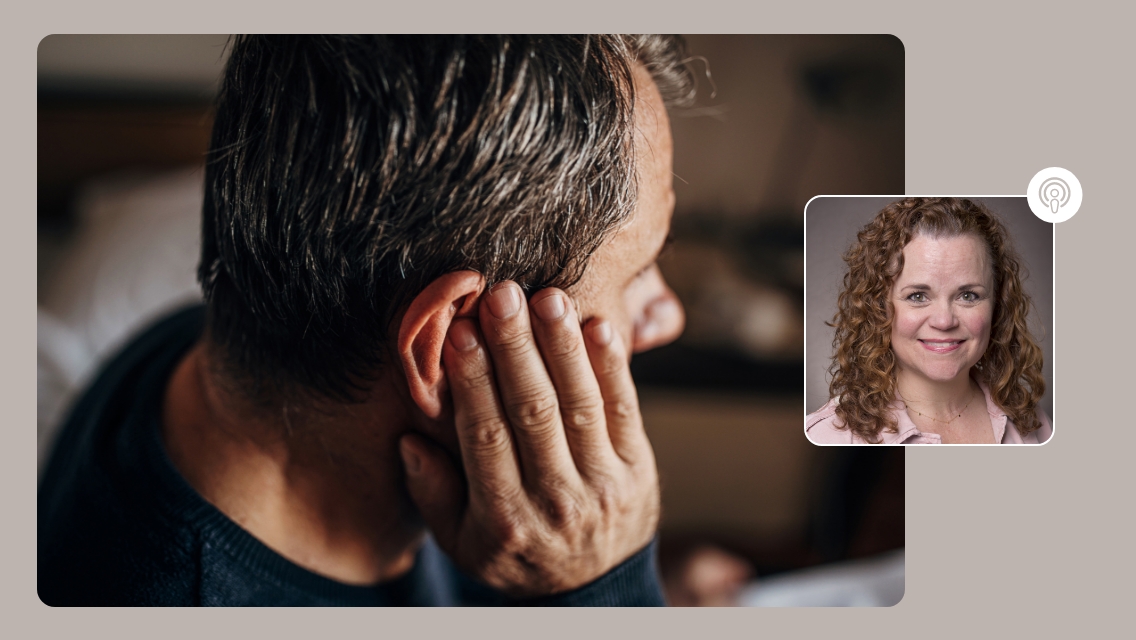
Talks — S8, EP19 / Listen Up: Why Taking Care of Your Hearing Health Matters
One in four people are projected to have some degree of hearing loss by 2025, according to the World Health Organization — and hearing loss is connected to several deeper health impacts, including cognitive decline and cardiovascular function.





Why Is Colon Cancer on the Rise Among Younger Adults?



Talks — S7, EP20 / Caring for Caregivers
Whether you’re in a position of caregiving for loved ones or in an industry in which it’s your job to do so, caring for others can take an invisible toll on one’s health. It’s made even more challenging by the lack or absence of societal systems to support caregivers.
Laura van Dernoot Lipsky, MSW, explains the effects of caregiving, including the corresponding struggles you may experience — such as trauma, decision fatigue, and overwhelm. She also shares ideas for how caregivers can care for themselves and support their well-being.

Talks — S7, EP17 / Living Well While You Live Long: The Growing Quest for Longevity
Most of us, regardless of our age, are looking to optimize not only our lifespan, but also our health span. In recent years, this quest for longevity has contributed to a growing business with significant economic impact.
In this, episode, Jeff Zwiefel and Jim LaValle, RPh, CCN, discuss the lifestyle factors that contribute to a long and healthy life, as well as the growing body of resources and tools that can support this effort, including MIORA Performance and Longevity at Life Time.





Talks — S7, EP5 / The Stages of Menopause + How to Support Your Body
Menopause is a normal physiological process that affects every woman at some point in their life, yet it’s only as of late that it’s being discussed more openly. Samantha McKinney, RD, CPT, discusses what happens to our bodies during menopause and its various stages, the symptoms one can expect and why they occur, and the lifestyle habits and behaviors we can implement to support our bodies during this transitional time.

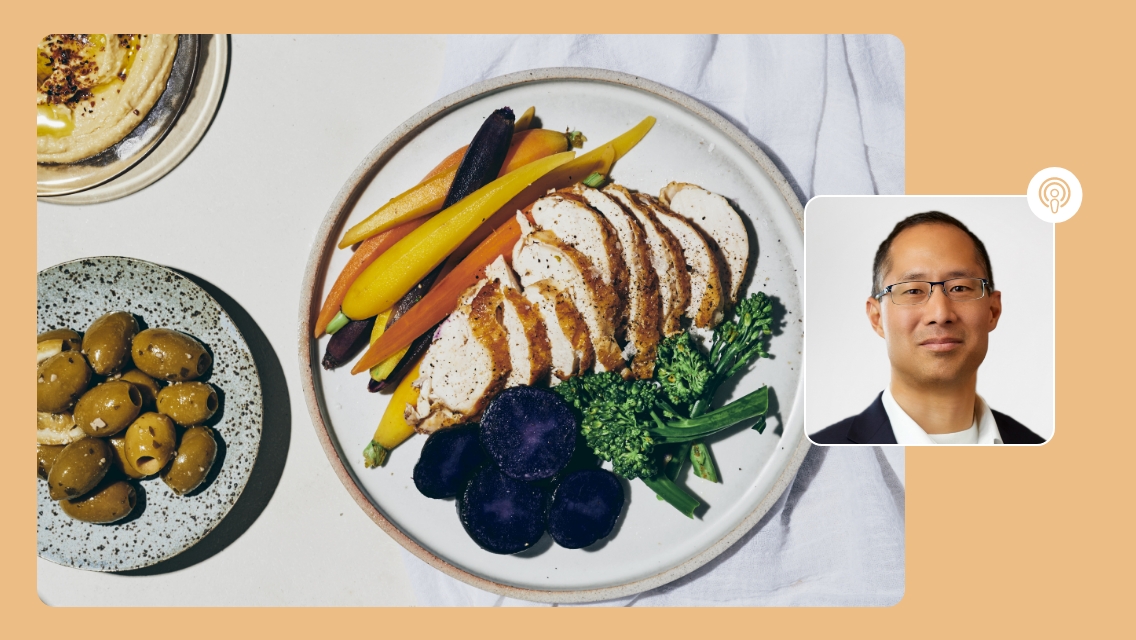
Talks — S7, EP3 / How to Keep Your Brain Healthy as You Age
Our brains age just like the rest of our bodies, and just like it’s important to care for our bodies so we can move functionally well for as long as possible, it’s also essential to do everything we can to maintain and support healthy brain function as the years pass by. With the current absence of effective treatment options for most neurological diseases, prevention really is the best treatment for them, and it’s never too early — or too late — to start. Edward Park, PhD, explains what to know about normal and abnormal brain aging, as well as the lifestyle strategies we have control over to support our brain health and help reduce the risk of decline and disease.





Newsletter
Catch up on the latest stories from Experience Life and be the first to know about giveaways, special promotions, and more.