














Skip to content
Subscription

Brain Health

Got the Blues? Ultraprocessed Food May Be to Blame

Highly processed foods, which are typically high on the glycemic index, can reduce levels of serotonin and dopamine — and potentially contribute to depression and anxiety.
By Craig Cox

How Chronic Inflammation Affects Your Health

Our bodies need inflammation to fight off infection, but too much of it for too long can spur a wide range of illnesses. Learning to manage it effectively is key.
By Mo Perry

What Are the Risk Factors and Triggers for Functional Neurological Disorders?

It turns out there are a variety of different triggers, say experts.
By Mo Perry

What Is a Functional Neurological Disorder?

Hybrid disorders of the brain, mind, and body once confounded physicians and researchers. Today experts are beginning to uncover the conditions’ complexities — and how to treat them.
By Mo Perry

What Are Seniors’ Most Common Mental Health Issues?

Depression and physical decline are just two issues many seniors face.
By Alexandra Smith, MA, LPCC

What Happens to Your Brain When You Fall in Love

Stephanie Cacioppo, PhD, shares what happens to your brain when you fall head-over-heels for someone.
By Michael Dregni

Game On!: 3 Ways Games Boost Your Health

Card and dice games have come to Life Time — and an ARORA co-founder shares three reasons getting dealt in is good for your health and well-being.
By Annie Kragness

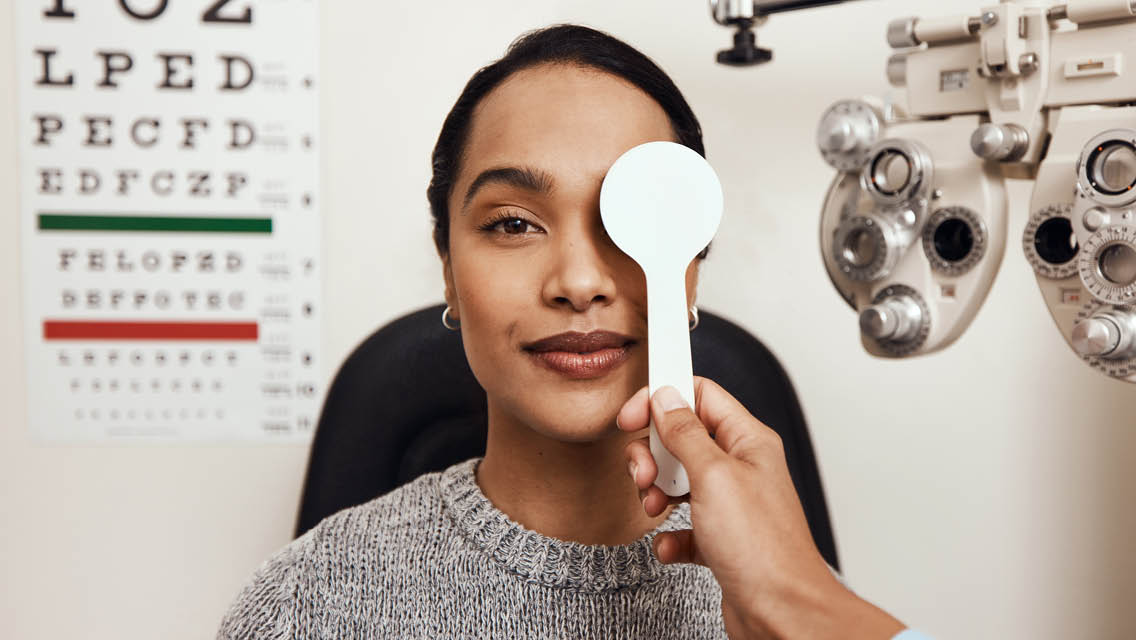
The Cognitive Benefits of Cataract Surgery

Untreated cataracts could contribute to dementia and depression, according to recent research.
By Craig Cox

Want Smarter Children? Teach Them Music

Music can shape stronger neural networks, according to a recent study.
By Michael Dregni

Can Lithium Orotate Be Used for Everyday Mood Support?

Lithium carbonate is a popular medical treatment for bipolar disorder, but a milder, over-the-counter form of this mineral can be used as a mood stabilizer.
By Henry Emmons, MD

How to Treat Postconcussion Syndrome

About 20 percent of people who sustain a traumatic brain injury have postconcussion syndrome — symptoms that last for months or even years. Here are three therapies that may help.
By Michael Dregni

Is Doing Housework Good for Your Brain?

Vacuuming and cleaning windows may help our cognition and attention spans, according to a recent study.
By Craig Cox

Can Exercise Build Brain “Muscle”?

Yes, according to recent research — and it might also help reduce the neuroinflammation connected with Alzheimer's.
By Michael Dregni

How Nature Supports Our Mental Health

Here's how nature supports our mind and mood — and how to get more of it.
By Henry Emmons, MD

Can Taking a Walk Help the Aging Brain?

Regular walks can help improve the brain's white matter, according to a recent study.
By Craig Cox

Understanding OCD

What is OCD, and what are some treatment options?
By Alexandra Smith, MA, LPCC

Morning Exercise May Stoke Your Brain All Day Long

Morning movement can increase cognitive skills, according to a recent study.
By Michael Dregni

Understanding ADHD

Treating ADHD starts by understanding what it is — and what it isn't.
By Alexandra Smith, MA, LPCC

Talks — S2, EP11 / Protecting Our Brains: TBIs, Concussions, and Everyday Healing

Traumatic brain injuries (TBIs) are most often connected to sports-related trauma, yet nearly half occur in everyday life from incidents such as slips, falls, and even infections. The good news: There’s hope for healing. Jeremy Schmoe, DC, joins us to talk about how to identify abnormalities and the ways we can better support our brains.

With Dr. Jeremy Schmoe
Back To Top