



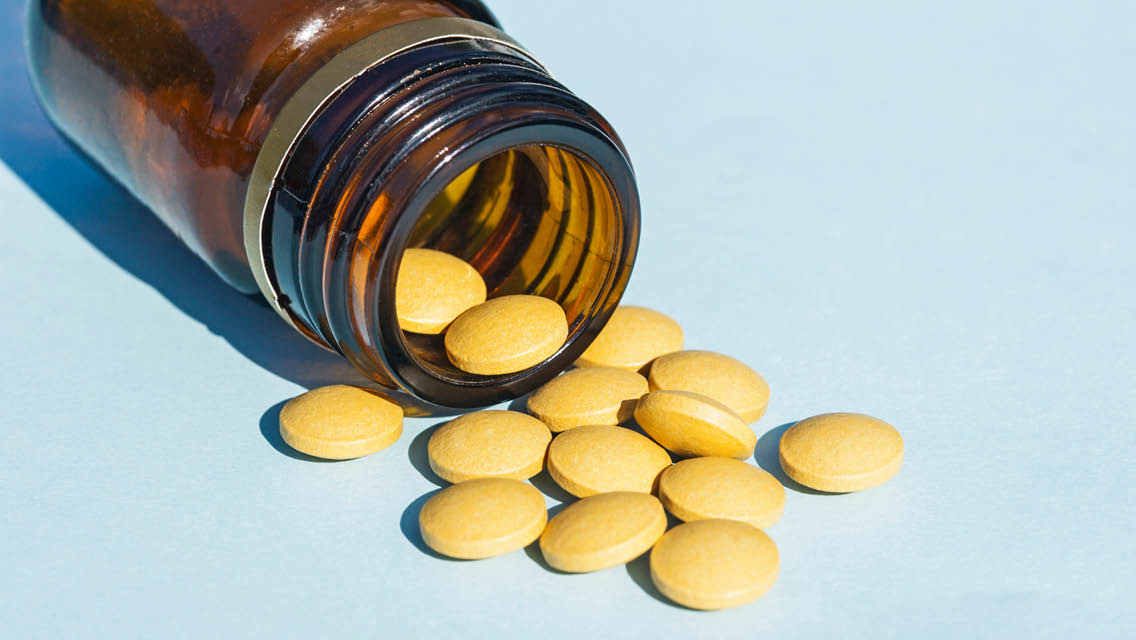
A B-complex supplement is “the most overlooked, inexpensive, and benign treatment there is,” write Bonnie J. Kaplan, PhD, and Julia J. Rucklidge, PhD, in The Better Brain: Overcome Anxiety, Combat Depression, and Reduce ADHD and Stress with Nutrition.
When stress is elevated, the sympathetic nervous system activates a range of protective responses, including spikes in blood sugar and adrenal hormones like cortisol. Ongoing stress leads to chronic adrenal activation, exhausting the stress-response system and often leading to low mood; Bs can help regulate this response and prevent burnout.
Bs also play a key role in the methylation cycle, which is how the body produces and sustains protein and DNA. The methylation process facilitates DNA repair, detoxification, hormone regulation, and the production of several neurotransmitters, including serotonin and dopamine. Without sufficient B vitamins, especially B9 (known as folate) or folic acid (synthetic folate), those sleep-, mood-, and energy-regulating neurotransmitters can’t do their jobs.
Some people have a polymorphism in the gene MTHFR that impedes folate processing; this often corresponds to depressive tendencies. For those who can’t convert folate into a usable form, Emmons recommends an “activated” B supplement in which folate is easier for the body to access. (Find out more about B vitamins and mental health at “All About B Vitamins.”)
How to Supplement: For general mental health support, a B-complex supplement is best; it will contain some or all of the B vitamins necessary for a good baseline. These supplements may cause upset stomach, so take them with food. Look for a complex that contains the following:
- B6: The recommended dietary allowance is between 1.3 and 1.7 milligrams (mg). (If you’re over 50, seek 1.5 mg or more.)
- B9: You want at least 400 micrograms (mcg) per day. If you’re pregnant, or if you consume more than one alcoholic drink a day (alcohol can impair absorption), aim for 600 mcg.
- B12: Take around 2.4 mcg.
Note: If you choose an activated B-complex supplement and begin to feel jittery, reduce the dose or discontinue.
Learn More
Explore our collection of mental health articles to find more information that can assist you in supporting your overall well-being.
This was excerpted from “8 Key Supplements to Boost Your Mental Health — Naturally” which was published in Experience Life magazine.







Comments (0)