



Skip to content

Get Experience Life delivered to your door

Experience Life
Delivered every two months

Real Health. No Hype.

More than 600,000 subscribers trust us to keep them informed, inspired, and authentically healthy. Join them.

How to Use Nutrition to Relieve Acid Reflux

Try these foods and supplements to calm your reflux symptoms.

what to eat to tamp acid reflux

Certain foods, herbs, and supplements also offer safe, long-term support for reducing reflux.

Ginger, fennel, and parsley may help calm the digestive system. Teas made with these foods can also be beneficial, especially if sipped slowly after meals.

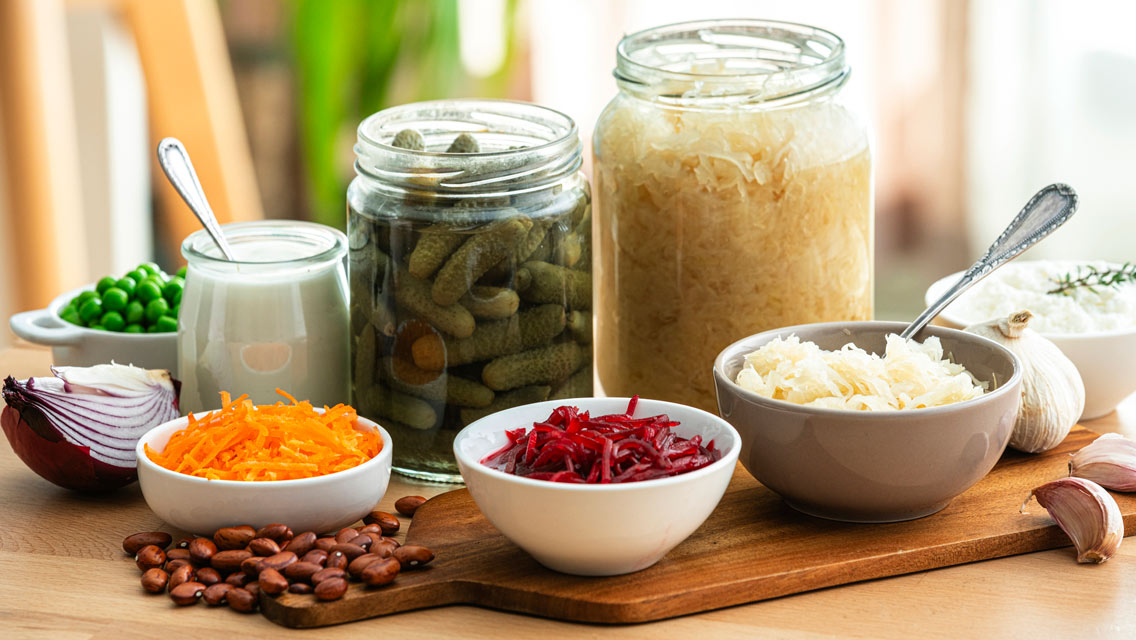
Probiotics, which help support intestinal flora, are also key for some people, and eating fermented foods, such as kimchi, miso, and sauerkraut, can support better digestion and help reduce reflux symptoms.

Functional nutritionist Jesse Haas, CNS, LN also recommends supplements: Zinc carnosine, glutamine, and magnesium can aid general digestion, ensure regular bowel movements, and reduce systemic inflammation.

Another option is adding acid to your diet. Haas says that some of her patients with reflux benefit from this practice, usually in the form of drinking a small amount (a tablespoon or so) of pickle brine or apple-cider vinegar before meals.

If you try this and it aggra­vates your symptoms, then this approach is not for you. If it helps, your reflux symptoms may be triggered by low levels of hydrochloric acid (HCL) in the stomach, a condition called hypochlorhydria. Confusingly, this condition feels like too much stomach acid, because you still feel that burn in the esophagus.

Adequate HCL is crucial for proper digestion, and levels drop as you age, as well as when you take some medications, including oral contraceptives. There are HCL tablets that you can take before meals, but only if recom­mended by your health­care prac­titioner.

Natural Remedies to Soothe Reflux

If reflux still crops up occasionally when you eat a trigger food or dine late, you might seek out herbs and foods that can help soothe the burn when needed. But even natural remedies are just symptom management and not treatment, Haas explains: “You still have to remove the offending factors.”

On-the-spot, nondrug remedies can help you break the antacid habit, though. Most antacids are reasonably safe, but using them routinely can inhibit healthy digestion. (See “The Trouble With Antacids.”)

Marshmallow root and slippery elm are two of Haas’s favorite supplements to help manage reflux symptoms. Aloe-vera juice and licorice tea or lozenges can also calm a fiery gut. These compounds all have soothing qualities, creating a viscous solution in the gut that coats the membranes in the stomach and esophagus. This reduces irritation and inflammation.

Cindi Lockhart, RDN, LD, an integrative and functional-nutrition practitioner suggests a quick fix that your grandmother would recognize: a teaspoon of baking soda in water. “It’s a tried-and-true quick solution for heartburn,” she says. “It works!”

(Try this warming after-dinner drink made from fennel and ginger.)

This was excerpted from “5 Ways to Manage Acid Reflux Without Medication” which was published in the March 2023 issue of Experience Life.

Stephanie Soucheray is a health journalist based in St. Paul, Minn.

Share

Discover more from Life Time

Certain foods, herbs, and supplements also offer safe, long-term support for reducing reflux.

Ginger, fennel, and parsley may help calm the digestive system. Teas made with these foods can also be beneficial, especially if sipped slowly after meals.

Probiotics, which help support intestinal flora, are also key for some people, and eating fermented foods, such as kimchi, miso, and sauerkraut, can support better digestion and help reduce reflux symptoms.

Functional nutritionist Jesse Haas, CNS, LN also recommends supplements: Zinc carnosine, glutamine, and magnesium can aid general digestion, ensure regular bowel movements, and reduce systemic inflammation.

Another option is adding acid to your diet. Haas says that some of her patients with reflux benefit from this practice, usually in the form of drinking a small amount (a tablespoon or so) of pickle brine or apple-cider vinegar before meals.

If you try this and it aggra­vates your symptoms, then this approach is not for you. If it helps, your reflux symptoms may be triggered by low levels of hydrochloric acid (HCL) in the stomach, a condition called hypochlorhydria. Confusingly, this condition feels like too much stomach acid, because you still feel that burn in the esophagus.

Adequate HCL is crucial for proper digestion, and levels drop as you age, as well as when you take some medications, including oral contraceptives. There are HCL tablets that you can take before meals, but only if recom­mended by your health­care prac­titioner.

Natural Remedies to Soothe Reflux

If reflux still crops up occasionally when you eat a trigger food or dine late, you might seek out herbs and foods that can help soothe the burn when needed. But even natural remedies are just symptom management and not treatment, Haas explains: “You still have to remove the offending factors.”

On-the-spot, nondrug remedies can help you break the antacid habit, though. Most antacids are reasonably safe, but using them routinely can inhibit healthy digestion. (See “The Trouble With Antacids.”)

Marshmallow root and slippery elm are two of Haas’s favorite supplements to help manage reflux symptoms. Aloe-vera juice and licorice tea or lozenges can also calm a fiery gut. These compounds all have soothing qualities, creating a viscous solution in the gut that coats the membranes in the stomach and esophagus. This reduces irritation and inflammation.

Cindi Lockhart, RDN, LD, an integrative and functional-nutrition practitioner suggests a quick fix that your grandmother would recognize: a teaspoon of baking soda in water. “It’s a tried-and-true quick solution for heartburn,” she says. “It works!”

(Try this warming after-dinner drink made from fennel and ginger.)

This was excerpted from “5 Ways to Manage Acid Reflux Without Medication” which was published in the March 2023 issue of Experience Life.
More like this

15 Tips to Prevent or Reduce Heartburn

Elevate your head, eat smaller meals, and 13 other ways to ease heartburn.
By Catherine Guthrie

Share a thought

0 Comments

Comments (0)

Leave a Reply

Your email address will not be published. Required fields are marked *

Keep the conversation going

Leave a comment, ask a question, or see what others are talking about in the Life Time Health Facebook group.

Facebook Group

Advertisement

Back To Top