




On the evening of May 5, 2024, I was leaving the pickleball court after playing for nearly three hours. I was drenched in sweat, flushed, and laughing — but as I got into the car to head home, something felt off. My hands started to tingle, I felt dizzy, and my breathing turned shallow.
It was subtle at first — easy to dismiss. But by the time I got home, I knew something was wrong.
I went to the hospital and was admitted with a heart rate of nearly 200 BPM and a blood pressure reading of 220/150. I was experiencing a severe atrial fibrillation (A-fib) event that would last all night and through the next day.
A-fib, which can be episodic or chronic, is a serious cardiac arrhythmia in which the heart beats rapidly and irregularly. It can be triggered by an underlying heart condition or, as in my case, a combination of genetic predisposition and lifestyle factors, such as stress, dehydration, physical inactivity, excessive caffeine consumption, and poor diet.
I was only 58 at the time, which is relatively young for an A-fib episode. It certainly came as a shock to me — and it made me realize I couldn’t afford to continue ignoring the signals my body was sending. It was time to truly prioritize my health.
A Perfect Storm
Although fitness and sports had always been a part of my life, my exercise routine had become sporadic. I might have worked out once a week or even multiple times a week — but without consistent commitment. Some months I’d find a rhythm, but pain, stress, or more pressing obligations would knock me off track.
I had developed several painful health issues after giving birth to my second child, in 1997. I’d returned to activity before fully recovering from the birth and suffered a herniated disc. I also had neuropathy in my feet, which led to instability and multiple ankle injuries.
In my 40s, I underwent two back surgeries and continued to struggle with foot problems. My focus became pain management, so my activity was often limited to what I could do in physical therapy or in low-impact settings, like water therapy.
Other responsibilities at the time made prioritizing fitness even more difficult. In addition to working full time, I was the primary caregiver for my father, who suffered from multiple acute health issues — including A-fib. I maintained this caregiving role until he died, in 2016.
That same year, I became a caregiver for my husband after he was diagnosed with brain cancer.
My injuries and caregiving responsibilities took a toll. I was constantly fatigued and in pain. I was also anxious and overwhelmed. I didn’t know how to prioritize my own well-being, so I was often running on fumes.
In 2023, a few years after my husband’s successful cancer treatment, I decided it was time to get my life back on track. That meant addressing my chronic pain, building strength, and regaining a sense of joy and control.
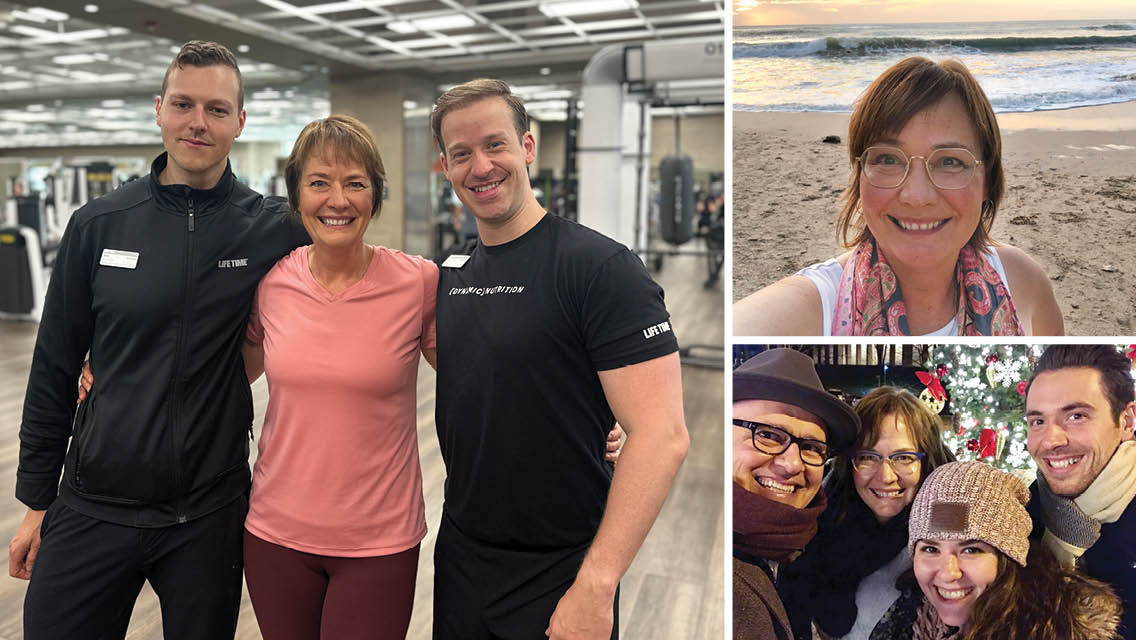
After connecting with a new pain-management and physical therapy team, I joined the Life Time Middletown club near my home in New Jersey. I started working with a personal trainer, Dylan Mills, in February 2024. He was attentive, knowledgeable, and willing to listen. He didn’t try to force me past my limits. Instead, he focused on form, safety, and building a foundation I could sustain.
Even so, I continued pushing myself hard. After spending so long prioritizing other people’s health, I’d become desensitized to my own needs. My diet included a lot of highly processed foods, salty snacks, some alcohol, and four cups of coffee a day. I didn’t drink enough water.
My body still held the anxiety from so many years of caregiving, and my stress level was sky-high from work. I was still mentally and physically overloaded.
All of this was a perfect storm leading up to the A-fib event.
A Chance to Rebuild
Despite my father’s history of A-fib, my own episode surprised me. I was now at higher risk for stroke, blood clots, and heart failure — even at my relatively young age. I knew what that could mean: constant monitoring and daily doses of medication, including a lifelong regimen of blood thinners. But I couldn’t accept that reality. I wanted to reclaim my health on my own terms.
I was discharged from the hospital with a list of restrictions to lower my risk of complications, and I embraced a new mission: to protect my heart and build resilience from the inside out.
I needed to reduce inflammation in my body, and two primary recommendations were cutting down on alcohol and stimulants like caffeine and increasing my hydration. I also wanted to reduce my intake of highly processed foods, limit sugar and salt, and adopt a mostly plant-based diet.
It wasn’t easy. I had to make gradual changes to ensure they would stick. Dylan and Life Time nutritionist Eric Cassara helped me break everything down into manageable steps. I introduced new initiatives one at a time: a plant-based protein shake, then a new hydration strategy, then meal planning. Eric helped me track macronutrients to be sure I was getting enough fiber and clean protein.
Returning to exercise was slow too. I started with walking and gentle strength work — just body-weight movements or light bands or machines I had to monitor my Apple Watch closely to keep my heart rate under 110 BPM to help prevent another A-fib occurrence, which meant I rested frequently. (Walking is an underrated form of exercise, and people often assume that the only way to make it challenging is to walk faster, jog, or even run. Up the ante on your next walk with this “30-Minute Walking Workout.”)
As I got stronger and my recovery improved, I was able to tolerate more cardio and attend some higher-intensity classes. Dylan adapted our sessions accordingly, helping me rebuild strength without spiking my vitals.
Little by little, the changes accumulated. Physically, I began feeling lighter, stronger, and more energetic. My doctors and I were thrilled by my progress, and my medical team took me off blood thinners, which felt like a major milestone.
On the emotional side, I felt grounded for the first time in years — less reactive, more stable, and genuinely happier. After enduring years of stress, I finally felt like I had the clarity and capacity to enjoy my family, my work, and each day as it came.
A Life Transformed
I now work out six days a week, and I love it. My workout varies by the day: You might find me in a Pilates reformer class, a personal training session, or a friendly pickleball match with my husband.
Since my hospital stay, I’ve maintained my muscle mass (while losing more than 50 pounds), avoided another A-fib episode, and improved my quality of life. The Life Time community has played a big role in my success: The support, energy, and camaraderie I’ve received from Dylan, Eric, and the people I meet in classes help keep me going.
I still monitor my heart rate, heart rhythm, and blood pressure daily, but there’s less anxiety around it. It’s simply part of my routine now, like drinking water or prepping meals. I build in time for recovery too, including sauna and cold-plunge sessions, rest days, and stress-management practices, like tai chi and deep breathing.
My goal is sustainability. Throughout this experience, I’ve learned that health isn’t about extremes; it’s about consistency, community, and listening to your body. And I’m determined to carry these pillars into my next decade and beyond.
Emily’s Top 3 Takeaways
1. Build a support team. “It took years for me to find the right professionals, and the right gym community, to help me meet my goals,” Emily says. “But it’s absolutely worth the time and effort.”
2. Be your own caregiver. “Prioritize your well-being and put yourself first.”
3. Take action now. “If you’re worried about your heart health, don’t wait. Ask for help. Take small steps. It’s not too late to rewrite your story,” she advises.
My Turnaround
For more real-life success stories of people who have embraced healthy behaviors and changed their lives, visit our My Turnaround department.
This article originally appeared as “Finding a New Rhythm” in the January/February 2026 issue of Experience Life



This Post Has 0 Comments