




Imagine, if you can, an unhurried weekday morning. Your alarm rouses you from a restful sleep. Your energy is steady as you move through your morning routine.
On the road, traffic crawls, but you take a deep breath and relax into your commute. At the office, an unexpected deadline sparks a surge of adrenaline, and you become alert and focused on the task at hand.
By the time you get home, the tensions of the day have receded. You wind down and, later, drift easily to sleep.
Behind the scenes in this ideal scenario, your autonomic nervous system, or ANS, is keeping things humming. This built-in regulator adjusts your heart rate, breathing, digestion, and many other functions throughout the day and night, allowing you to rise to life’s challenges and then return to equilibrium once the tasks are complete — without your having to think about it.
Of course, not everyone’s system finds this rhythm so readily, at least not all the time. Daily stressors, poor sleep, and an imbalanced diet can throw your stability out of whack.
And when you’re dealing with an illness, trauma, or long-term emotional strain, your body’s automatic adjustments may start to misfire. You might experience fatigue, insomnia, brain fog, anxiety, digestive trouble, or a sense of being tired but wired.
In severe cases, dysregulation can evolve into dysautonomia, a condition in which the ANS struggles to regulate even basic functions like breathing.
Fortunately, you can usually bring an out-of-tune system back into harmony on your own. Sleep, movement, and stress management all play important roles in preserving and restoring ANS balance — and nutrition is pivotal.
A Delicate Balance
The ANS is composed of two primary branches: the sympathetic, which prepares your body for alertness and action, and the parasympathetic, which promotes rest, digestion, and recovery.
“Think of the sympathetic nervous system as the accelerator in your car, and the parasympathetic as the brakes,” says functional-medicine practitioner Navaz Habib, DC. “You need to be able to use both and to easily shift between the two for the car to run effectively.”
Certain foods provide the materials your body needs to make neurotransmitters, the chemical messengers that enable you to step on the gas in response to stress — and press the brakes to rest and recover.
“When we have impaired nutrition, we may not be able to make these neurotransmitters,” says functional-medicine physician Gregory Plotnikoff, MD, MTS, FACP. But targeted nutrition can support the biochemical circuitry that helps your body shift smoothly between action and restoration.
Sympathetic Support
Norepinephrine and epinephrine (also called noradrenaline and adrenaline) are the primary neurotransmitters of your sympathetic system. They’re made from the amino acids tyrosine and phenylalanine, which come from dietary protein. Iron, copper, and vitamins C and B6 are considered cofactors, the biochemical supports that enable the sympathetic nervous system to produce these messengers.
Elevated levels of epinephrine and norepinephrine can lead to sympathetic imbalance. “It’s like putting a brick on the accelerator,” says Habib.
You can support a balanced “get-up-and-go” system by getting plenty of protein from legumes, meat, fish, eggs, soy, and dairy. Fresh fruits and veggies add the vitamin C you need, while shellfish, nuts, and seeds provide copper. Good B6 sources include starchy vegetables such as potatoes, yams, and winter squash. Find iron in red meat, fish, and poultry, as well as in plant-based sources like legumes.
“Heme iron, found in meat, is much more readily absorbed than vegetarian nonheme iron,” notes Plotnikoff. You can absorb up to 30 percent of the animal-sourced iron you consume, compared with 2 to 10 percent of iron sourced from a vegetarian diet.
Parasympathetic Support
Your parasympathetic system is dependent on the neurotransmitter acetylcholine. “If you don’t have acetylcholine, both skeletal- and smooth-muscle function — including gastrointestinal functioning — are going to be compromised,” says Plotnikoff.
To make this calming chemical messenger, you need choline, an essential nutrient your body must get from food. Only about 10 percent of adults consume enough choline, and insufficient quantities can impair parasympathetic function. According to the National Institutes of Health, men should aim for 550 milligrams of choline per day, but the average intake is around 400 mg; women need 425 mg per day, but most get closer to 280 mg.
Organ meat and egg yolks top the list of high-choline foods, followed by other red meat and poultry, fish, and soy. Grains, veggies, and dairy provide choline in lower amounts.
“The highest sources tend to be animal products,” says Plotnikoff. “Restricted diets, including gluten-free, dairy-free, and vegetarian diets, can be counterproductive if you’re not intentional around some key nutrients.”
For patients on restricted diets or who need parasympathetic support, Plotnikoff often recommends supplementing with CDP-choline; Habib suggests alpha-GPC or phosphatidylcholine or both.
Thiamine, or vitamin B1, helps your body turn food into the energy needed to make acetylcholine. “Plus, it slows down the enzyme that’s involved in breaking down acetylcholine,” allowing it to stay active longer, says Plotnikoff.
Thiamine can be found in lean pork and whole grains. Many refined-grain products, like pasta and rice, are enriched with thiamine.
Methylation Matters
The production of parasympathetic neurotransmitters — and the sympathetic nervous system’s fight-or-flight response — rely in part on effective methylation, a biochemical process that helps your body build, activate, and recycle key compounds for healthy nervous-system function.
To support methylation, eat plenty of leafy greens, legumes, and citrus for folate; fish, poultry, and dairy for vitamin B; and whole grains, nuts, and seeds, which provide B vitamins, magnesium, and zinc.
“Methylation is a critical metabolic pathway in the body [that’s] responsible for mood, energy, memory, sleep, and general oomph-power,” says Plotnikoff. “And good methylation requires good nutrition.”
Beyond Neurotransmitters: Other Ways Food Brings Balance
In addition to directly affecting your ability to make neurotransmitters, the foods you eat can have an indirect — yet significant — effect on your sense of regulation and resilience. We spoke with several integrative-health experts for emerging insights.
The Gut-Brain Connection
Your brain regulates your autonomic nervous system from the top down, using the vagus nerve — the ANS’s main parasympathetic pathway — to send signals throughout your body, including to your gut.
Symptoms that you might experience when feeling stressed or anxious, such as nausea, cramping, or diarrhea, may be the effects of your sympathetic “brakes” not working properly, says functional neurologist Jeremy Schmoe, DC, DACNB. “Now you’re in more of a fight-or-flight state: The brakes aren’t on, and you’re getting hormonal and blood-flow changes to the gut.”
For the past few decades, researchers have also been exploring a bottom-up relationship between the gut and the brain, hypothesizing that gut health may influence the function of the ANS via the immune system.
For example, imbalances in your gut microbiome can make your intestinal barrier leaky, allowing bacterial fragments to enter the bloodstream and trigger systemic inflammation, explains Schmoe. This inflammation can in turn reach the brain, disrupt neurotransmitter balance, and throw off the autonomic nervous system’s regulation of functions like digestion, mood, and stress response. (Learn more about leaky gut and how to heal it at “What Is Leaky Gut?“)
Scientists are also researching how the vagus nerve may influence inflammation through the cholinergic anti-inflammatory pathway — a reflex circuit in which vagal signals may help regulate immune activity. The precise workings of this pathway in humans, as well as the vagus nerve’s broader role in mediating gut function, remain areas of active research and debate.
Still, for many practitioners, balancing a dysregulated ANS starts by balancing your gut.
“The gut is intricately tied to what’s happening with our stress response and the sensory information we’re taking in,” says Brooke Seiz, LCPC, a licensed mental health counselor, holistic nutritionist, and certified functional-medicine practitioner. “Part of the communication between the gut and the brain happens via the microbial community in there.”
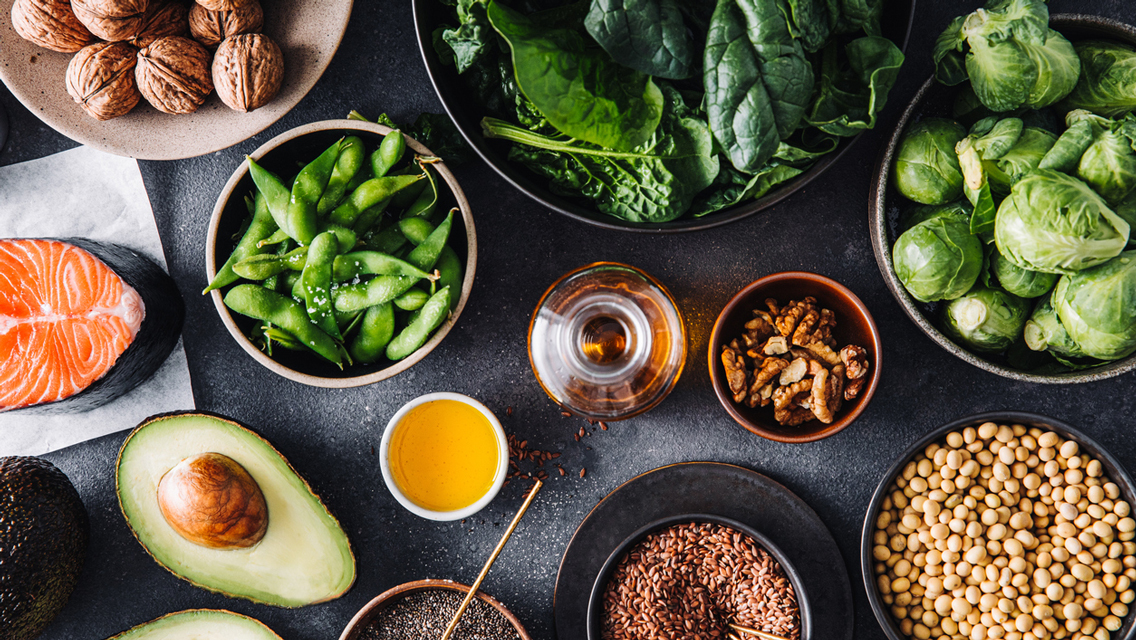
You can improve gut health by avoiding ultraprocessed foods, refined sugars, and artificial sweeteners, as well as excess saturated and trans fats. Focus instead on whole foods that support a healthy microbial ecosystem, including high-fiber veggies; oily fish, walnuts, and flaxseed, which are high in omega-3 fatty acids; anti-inflammatory berries and green tea; and fermented foods, like yogurt and sauerkraut.
“Your gut population can shift pretty easily, and going on a whole-foods diet for a couple of weeks can have a massive positive effect on the bacterial population,” says functional-medicine practitioner Navaz Habib, DC. “That in turn will have a positive effect on leaky gut.”
Calming Nutrients
Because your autonomic nervous system is closely linked with your brain, its state influences how you think and feel.
“Most people are overactivated in the sympathetic nervous system,” says integrative psychiatrist Henry Emmons, MD. While an immediate fight-or-flight response to a perceived threat is normal and healthy, he says, getting stuck in high gear is not.
Many of the same nutrients that help your body regulate stress responses also support the production of neurotransmitters involved in mood, focus, and emotional resilience.
“In terms of nutrition, there are lots of things that help settle people down,” adds nutritional psychiatrist Drew Ramsey, MD. He notes that many of his patients with anxiety are low on vitamin B12. In addition to creating ANS neurotransmitters, B12 — found in liver, mussels, and clams — produces the mood-regulating neurotransmitters serotonin and dopamine.
In fact, many of the nutrients necessary for ANS function are also key players in optimal brain health and emotional regulation. For example, thiamine (vitamin B1) is required for nearly every cellular energy reaction in your body. “It’s really important for brain health, because your brain is your most energy-intensive organ,” Ramsey says.
He also recommends folate-rich foods for serotonin production, iron to make dopamine, magnesium to regulate mood-supporting neurotransmitters, and vitamin C as an antioxidant to counteract damage caused by free radicals.
Ramsey’s dietary recommendations can be summed up in a simple mantra he teaches patients: “Seafood, greens, nuts, and beans … and a little dark chocolate.” (Dark chocolate contains calming magnesium.)
Beyond these recommendations, Emmons often advises overactivated patients to eat less protein, because protein supports the production of epinephrine and norepinephrine in the sympathetic system. “Protein stimulates nervous-system activity, and you don’t want something that’s more activating at that point,” he says.
By nourishing your nervous system with the right foods, you’re not just feeding your body. You’re supporting the calm, clarity, and resilience that help you meet life’s challenges with greater ease.
Key Foods and Nutrients for Balanced Nerves
| FOOD | KEY NUTRIENTS | HOW IT SUPPORTS THE AUTONOMIC NERVOUS SYSTEM (ANS) | |
|---|---|---|---|
 |
Eggs, especially the yolk |
Choline, protein, riboflavin (B2), B12, folate (B9) | Choline helps form acetylcholine; amino acids and B vitamins support neurotransmitter synthesis and methylation. |
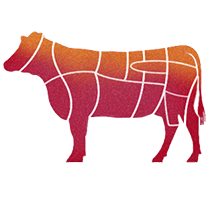 |
Red meat, such as beef |
Protein, heme iron, zinc, B12, methionine | Iron and B12 support norepinephrine and epinephrine production, as well as mood-regulating serotonin and dopamine; methionine supports methylation and neurotransmitter balance. |
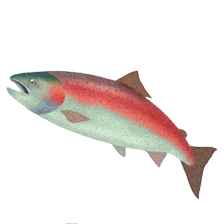 |
Fish, especially salmon, tuna, cod, and sardines |
Protein, B12, niacin (B3), choline, magnesium, omega-3 fatty acids | Amino acids and cofactors support neurotransmitter synthesis; omega-3s help maintain the integrity of your gut barrier and reduce inflammation. |
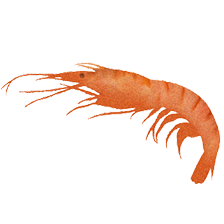 |
Shellfish, such as oysters, crab, and clams |
Copper, zinc, iron, B12 | These nutrients assist norepinephrine and dopamine synthesis, as well as antioxidant defense and methylation. |
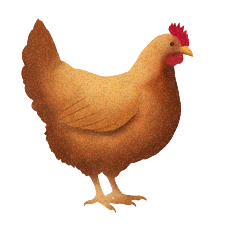 |
Poultry, such as chicken and turkey |
Protein, B6, niacin (B3) | Protein and B6 are essential for synthesis of epinephrine; B3 supports energy and stress resilience. |
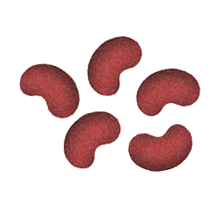 |
Legumes, such as lentils, chickpeas, and beans |
Protein, folate (B9), nonheme iron, magnesium, zinc, dietary fiber | Amino acids support the synthesis of neurotransmitters; folate and magnesium support methylation; fiber may aid gut–brain communication. |
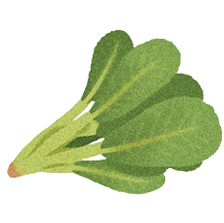 |
Leafy greens, such as spinach, kale, and Swiss chard |
Folate (B9), riboflavin (B2), magnesium | Folate and B2 support methylation; magnesium promotes relaxation and parasympathetic balance. |
 |
Nuts, such as almonds and cashews, and seeds, such as pumpkin, sunflower, and sesame |
Zinc, copper, magnesium | Zinc and copper are cofactors for neurotransmitter production; magnesium supports a sense of calm. |
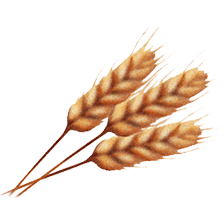 |
Whole grains, such as brown rice, oats, and fortified cereals |
Thiamine (B1), niacin (B3), B6, magnesium | Thiamine enables acetylcholine production; B vitamins and magnesium support methylation. |
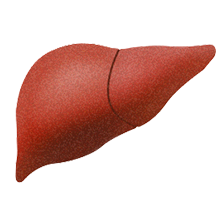 |
Organ meats, such as liver and heart |
Choline, copper, heme iron, B12, folate (B9) | These cofactors support sympathetic (iron, copper, B12) and parasympathetic (choline) neurotransmitter synthesis; folate and B12assist methylation. |
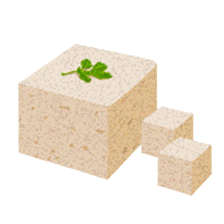 |
Soy foods, such as tofu, edamame, and soy milk |
Protein, choline, magnesium, copper | Plant-based protein and copper support neurotransmitter synthesis; magnesium helps regulate nerve signaling and autonomic balance. |
 |
Dairy, such as milk, yogurt, and cheese |
Protein, riboflavin (B2), B12 | Protein and B vitamins provide building blocks and cofactors for neurotransmitter synthesis. |
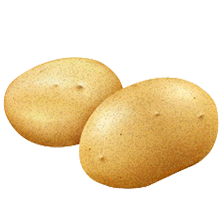 |
Starchy vegetables, such as potatoes, yams, and winter squash |
B6, complex carbohydrates, dietary fiber | B6 aids neurotransmitter synthesis; complex carbs promote serotonin balance; fiber protects the lining of the gut and may reduce inflammation. |
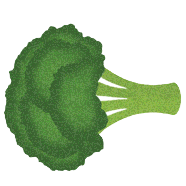 |
Cruciferous vegetables, such as broccoli and Brussels sprouts |
Choline, folate (B9), magnesium | Choline supports acetylcholine synthesis; folate supports methylation; magnesium supports a sense of calm. |
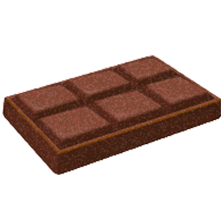 |
Cocoa/dark chocolate | Magnesium, copper | These minerals facilitate neurotransmitter synthesis and promote relaxation. |
Want More Thoughtful Nutrition Insights?
Stay Connected.

This article originally appeared as “Nutrition for Nervous System Balance” in the May/June 2026 issue of Experience Life.





Comments (0)