



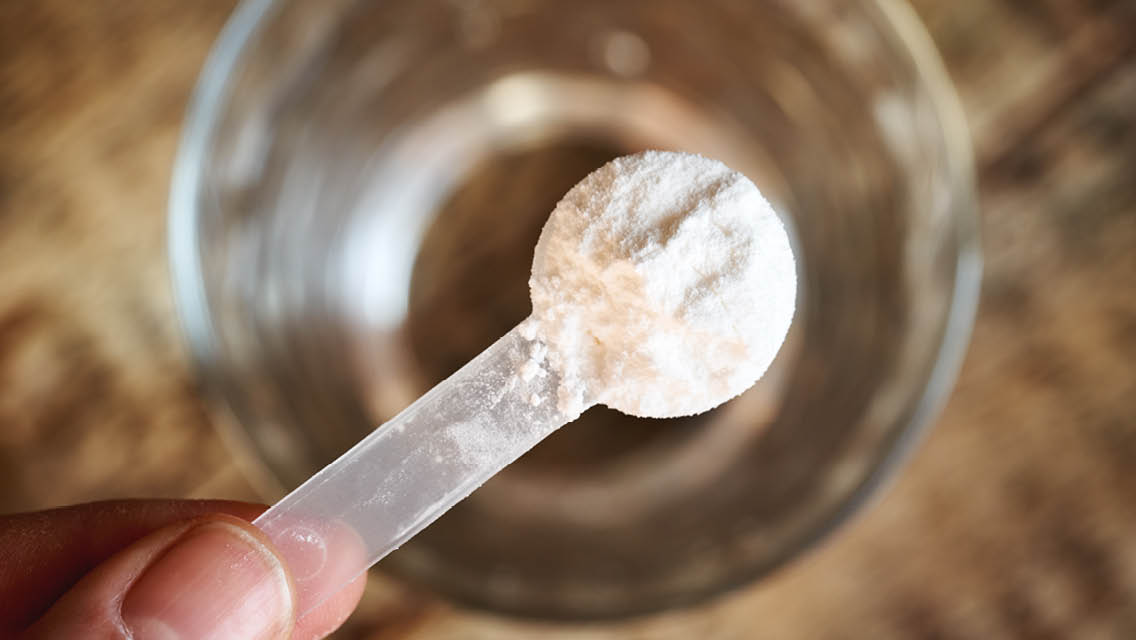
Creatine is an enduringly popular supplement among fitness enthusiasts. It supports energy production at a cellular level, and athletes use it to improve endurance, reduce fatigue, and speed recovery.
The majority of the body’s creatine is stored in the muscles, but the brain uses it too. It offers the same support for energy in the brain as it does in the rest of the body.
Most research into creatine has focused on athletic performance and skeletal muscle, but studies now confirm that it also bolsters brain function. Around 20 percent of our energy resources go to power the brain, which is taxed by stress.
Some psychiatrists have even begun adding creatine to their patients’ toolkits for treating common mental health challenges like depression.
Supporting the Brain
Creatine is a compound made from amino acids, the building blocks of protein. It plays a key role in metabolism by helping to recycle adenosine triphosphate (ATP), the fuel produced in our mitochondria.
ATP is essential for cellular health and overall physical well-being. Creatine helps restore this cellular energy, which is one reason athletes love it.
This energy-production system plays a role in most illnesses, including mental health disorders. Creatine influences the neurotransmitters serotonin and dopamine, which help regulate mood. It may also protect brain cells by reducing damage from inflammation and oxidative stress.
All of this has led scientists to look at creatine as a means of supporting cognitive function and overall mental health.
Addressing Depression
Depression is a complex condition, and while most biological treatments target neurotransmitters, like serotonin and dopamine, there’s growing interest in targeting the brain’s energy metabolism.
This is where creatine plays a key role. Because standard depression treatments are often only partially effective, several studies have explored using creatine alongside other methods — including pharmaceuticals and talk therapy — to produce a more complete response.
A study published in 2012 showed that women with major depressive disorder taking creatine alongside a selective serotonin reuptake inhibitor, or SSRI, displayed faster and more complete symptom relief than those on medication alone.
And a 2025 study found that creatine enhanced the positive effects of cognitive behavioral therapy.
Why would creatine help these other treatments work better?
By maintaining ATP levels in the brain, creatine supports neurotransmitter synthesis and function. Its ability to protect neurons from oxidative stress and inflammation — both of which have been implicated in depression — is another likely reason.
Researchers are also studying creatine for its potential to treat additional neurological and psychiatric conditions. Preliminary findings suggest it may help address bipolar disorder, anxiety, and even neurodegenerative diseases like Parkinson’s and Alzheimer’s.
The evidence is still preliminary, but creatine’s neuroprotective properties and ability to support mitochondrial function make it a promising candidate for healing the brain.
Part of a Holistic Mental Health Plan
As an integrative psychiatrist, I haven’t routinely recommended creatine yet, but I’m watching the research carefully.
I discuss its potential benefits and risks with patients who have persistent fatigue or with those who respond only partially to antidepressants.
Creatine is widely considered safe, but I think it’s still important to check kidney function and potential medication interactions.
Finally, I like to remind my patients that supplements are just one piece of the mental health puzzle. Nutrition, sleep, movement, and interpersonal connection are all foundational to mental wellness.
With the support and guidance of a reputable healthcare provider, creatine can be a promising addition to a mental health toolkit, especially when other treatment methods fall short.
There’s still no substitute, however, for a holistic approach that addresses the specific needs of your body and mind.
Natural Mental Health
For more nonpharmaceutical solutions for common mental health challenges, visit our Natural Mental Health Department.
This article originally appeared as “Creatine and Your Brain” in the May/June 2026 issue of Experience Life.






Comments (0)