



Skip to content

Get Experience Life delivered to your door

Experience Life
Delivered every two months

Real Health. No Hype.

More than 600,000 subscribers trust us to keep them informed, inspired, and authentically healthy. Join them.

Do the Chemicals in Single-Serve Coffee Pods Disrupt Hormones?

A recent study looked at estrogenic chemicals in pod-brewed coffee. Here's what it found out.

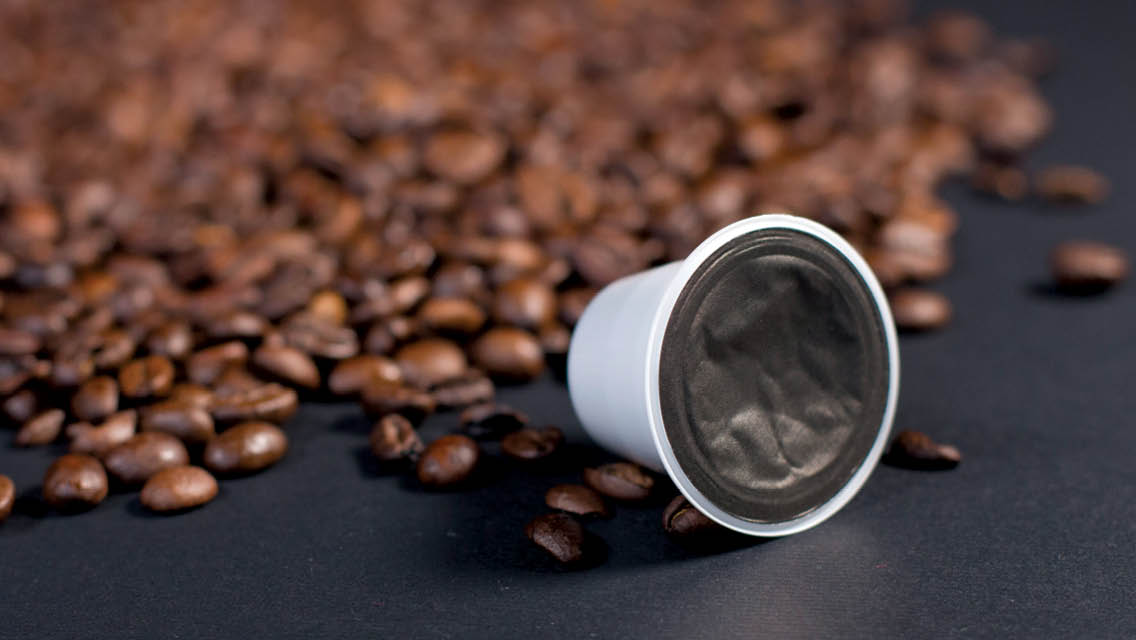
a coffee pod with coffee beans

Single-serve coffee brewers, such as the Nespresso and Keurig systems, have exploded in popularity over the past decade. In 2020, 40 percent of coffee drinkers owned a single-cup brewer, up from less than 10 percent in 2011. 

Yet the brewing process — water forced through coffee inside polypro­py­lene plastic or aluminum pods at high temperatures and pressures — can leach endocrine disrupters into the brew. These chemicals can alter the levels of hormones such as estrogen, causing developmental and reproductive issues and increasing cancer risk. 

A study published in Toxicology Reports in 2020 measured ­estrogenic-chemical (EC) levels in 22 brands of pod-brewed coffee. Researchers identified nine ECs. Five were detected in capsule coffee. 

Of those five, benzophenone was the most common: It was found in six of the 22 samples. Bisphenol A was detected in four, dibutyl phthalate in three, 4-nonylphenol in three, and bisphenol F in two. Three ECs were not found in any of the samples, while the ninth was found only in trace amounts. 

The level of EC exposure was well below safety limits, even when using the least conservative estimates. Yet the University of Connecticut research team warned that long-term exposure could still be a problem.

“While the typical exposure to ECs from coffee appears to be minimal, coffee consumption is often habitual and typically involves several drinks daily for years or decades,” the authors write. “The effects of long-term bio­accumulation of estrogenic chemicals on health [are] not well understood and deserve further investigation.”


Can Coffee Pods Be Recycled?

While many coffee-pod companies claim that their products are easily recyclable, the majority of coffee pods are instead ending up in landfills.

Plastic pods, such as those made by Keurig, are technically ­recyclable. However, each pod must be disassembled and cleaned, and remnants of the attached foil top removed, before being recycled. And not all municipal recycling programs will accept Keurig’s K-Cups, because they’re made of No. 5 polypropylene plastic.

Aluminum Nespresso pods are not accepted in municipal systems and must be mailed to specialized Nespresso recycling facilities. After workers remove and compost the coffee grounds, they break down and recycle the aluminum. This system is promising, but it has low adoption rates: Only 29 percent of Nespresso pods are recycled.

This article originally appeared as “Troubles with Coffee Pods” in the April 2022 issue of Experience Life.
Marco Dregni is an Experience Life contributing writer.

Share

Discover more from Life Time

Single-serve coffee brewers, such as the Nespresso and Keurig systems, have exploded in popularity over the past decade. In 2020, 40 percent of coffee drinkers owned a single-cup brewer, up from less than 10 percent in 2011. 

Yet the brewing process — water forced through coffee inside polypro­py­lene plastic or aluminum pods at high temperatures and pressures — can leach endocrine disrupters into the brew. These chemicals can alter the levels of hormones such as estrogen, causing developmental and reproductive issues and increasing cancer risk. 

A study published in Toxicology Reports in 2020 measured ­estrogenic-chemical (EC) levels in 22 brands of pod-brewed coffee. Researchers identified nine ECs. Five were detected in capsule coffee. 

Of those five, benzophenone was the most common: It was found in six of the 22 samples. Bisphenol A was detected in four, dibutyl phthalate in three, 4-nonylphenol in three, and bisphenol F in two. Three ECs were not found in any of the samples, while the ninth was found only in trace amounts. 

The level of EC exposure was well below safety limits, even when using the least conservative estimates. Yet the University of Connecticut research team warned that long-term exposure could still be a problem.

“While the typical exposure to ECs from coffee appears to be minimal, coffee consumption is often habitual and typically involves several drinks daily for years or decades,” the authors write. “The effects of long-term bio­accumulation of estrogenic chemicals on health [are] not well understood and deserve further investigation.”


Can Coffee Pods Be Recycled?

While many coffee-pod companies claim that their products are easily recyclable, the majority of coffee pods are instead ending up in landfills.

Plastic pods, such as those made by Keurig, are technically ­recyclable. However, each pod must be disassembled and cleaned, and remnants of the attached foil top removed, before being recycled. And not all municipal recycling programs will accept Keurig’s K-Cups, because they’re made of No. 5 polypropylene plastic.

Aluminum Nespresso pods are not accepted in municipal systems and must be mailed to specialized Nespresso recycling facilities. After workers remove and compost the coffee grounds, they break down and recycle the aluminum. This system is promising, but it has low adoption rates: Only 29 percent of Nespresso pods are recycled.

This article originally appeared as “Troubles with Coffee Pods” in the April 2022 issue of Experience Life.

More like this

How the Ingredients in Personal-Care Products Can Affect Your Health

Many of the most popular personal-care items contain toxins that can mess with your health. Here are ingredients to avoid — and tips for finding worthy alternatives.
By Jessie Sholl

Plastics: The Beginning of the End

For the good of our planet and our health, it’s time to rethink our habits around single-use plastics.
By Bahram Akradi

Share a thought

1 CommentClose comments

Comments (1)

  1. Which brands showed these levels. You said 5 of the 9 EC’s were found-
    “Of those five, benzophenone was the most common: It was found in six of the 22 samples. Bisphenol A was detected in four, dibutyl phthalate in three, 4-nonylphenol in three, and bisphenol F in two. Three ECs were not found in any of the samples, while the ninth was found only in trace amounts.” Please say which brands they were.

Leave a Reply

Your email address will not be published. Required fields are marked *

Keep the conversation going

Leave a comment, ask a question, or see what others are talking about in the Life Time Health Facebook group.

Facebook Group

Advertisement

Back To Top