



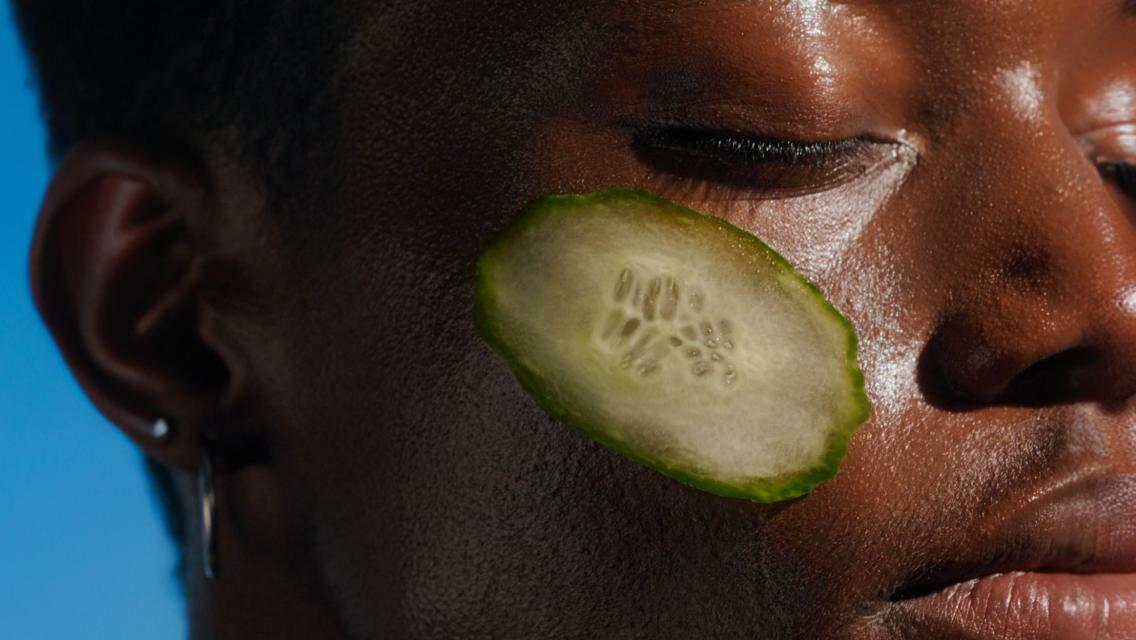
Healthy, vibrant skin is often described in terms of what we can see: smooth, glowing, clear, radiant. But skin health goes far deeper than surface level.
Your skin is a living, metabolically active organ — and as with other organs, its health is affected by the choices you make on a daily basis. Externally, it can reflect your current internal state, including inflammation, nutrient and hydration levels, hormone balance, and more. Topical skincare products play an important role in protecting and supporting the skin barrier, but they are only one part of the equation.
Nutrition is also vital, as what you eat has direct effects on how your skin functions, repairs, and ages over time.
Dietary choices influence the skin’s ability to maintain its barrier, produce collagen, regulate inflammation, and defend against environmental stressors like UV exposure and pollution. Nutrients like essential fatty acids, antioxidants, vitamins, and minerals act as building blocks for healthy skin cells and can help regulate the inflammatory pathways that produce common skin concerns like dryness, acne, premature aging, and sensitivity.
Unlike some topical products that can provide visible short-term improvements, however, nutrition is not a quick fix. Improving your skin’s health through diet is a gradual process that depends on consistent habits. When approached thoughtfully, dietary changes have the potential to create sustainable improvements in skin quality that include — and extend beyond — physical appearance.
The Role of Skincare Products and Skin-Boosting Foods
It’s important to note that skincare products and nutrition can complement each other. Topical skincare works from the outside-in to protect the barrier, delivering targeted active ingredients to address specific concerns. Nutrition works from the inside-out to support the skin’s structure and internal mechanisms over time.
The most effective skincare regimens recognize this synergistic relationship — prioritizing high-quality topical skincare while reinforcing it with a nutrient-dense diet. When these are in sync, the skin is better equipped to respond to clinical treatments, maintain results, and age in a healthier, more resilient way.
6 Foods for Healthier Skin
Understanding the road to healthier, more vibrant skin is a gradual journey that allows you to shift your focus from short-term fixes to daily choices that can support skin function over time. While no single food can transform the skin on its own, certain nutrients consistently stand out for their abilities to positively influence skin health.
1. Fatty Fish
Fatty fish, like salmon, sardines, and mackerel, are rich in omega-3 fatty acids, including both eicosapentaenoic acid (EPA) and docosahexaenoic acid (DHA), the most active forms of omega-3s. These can aid the skin in making anti-inflammatory compounds that help minimize skin inflammation, as well as support the lipid barrier and help reduce water loss so the skin retains moisture. (Learn more: “Can Omega-3s Benefit My Skin and Joint Health?”)
How often to include in your diet: Aim to consume four to six ounces of fatty fish daily or most days of the week to achieve optimal skin health benefits from the omega-3 fatty acids, suggests Chella LaMere, MS, RD, registered dietitian for Life Time.
“For those who aren’t able to achieve this, LTH Glow Omega-3 Fish Oil is specially formulated to provide high-quality, easy-to-absorb EPA and DHA at optimal dosing for combatting inflammation that aids in improved skin health,” she says. “For context, taking one serving of four capsules per day provides the same amount of EPA and DHA as six to eight ounces of salmon.”
Recipe to try: “Pesto Salmon With Asparagus”
2. Avocados
Packed with monounsaturated fats, vitamin E, and carotenoids, avocados can help support skin elasticity and barrier integrity. The skin barrier relies on a well-organized lipid matrix, and dietary monounsaturated fats provide essential lipids for maintaining this structure.
Additionally, the fats in avocados can help improve the absorption of fat-soluble antioxidants from other foods, helping to enhance overall skin protection.
How often to include in your diet: “Aiming for half an avocado or up to an entire avocado daily can support skin elasticity and firmness and reduce skin dryness,” says LaMere.
Recipes to try: “Avocado Boats” and “Raspberry and Balsamic Avocado Toast”
3. Berries
Rich in vitamin C and polyphenols, berries — like blueberries, strawberries, blackberries, and raspberries — help combat oxidative stress. Oxidative stress can damage keratinocyte, the primary cells of the epidermis; It can also harm fibroblast DNA, impair cell repair, and degrade collagen and elastin. Over time, this breakdown can lead to wrinkles.
Consuming berries also supports collagen synthesis, as vitamin C is an essential cofactor that binds to enzymes to make collagen fibers. The antioxidants in berries help slow photoaging (the premature aging of the skin due to UV exposure), while the polyphenols help to neutralize free radicals to protect skin cells from damage. They also improve cellular signaling pathways involved in skin regeneration and lower inflammatory cytokines, helping the skin stay firmer and more resilient.
How often to include in your diet: “Due to the amount of polyphenols in berries, which are potent antioxidants, and the vitamin C for supporting collagen production, I would recommend a serving of berries daily to combat inflammation for improved skin health,” says LaMere.
Recipes to try: “Mixed Berry Sorbet” and “Sheet-Pan Berry Balsamic Chicken”
4. Leafy Greens
Leafy greens — think spinach, kale, and Swiss chard — are sources of vitamins A, C, E, folate, and magnesium, all of which support cell turnover, collagen production, and DNA repair. Consuming leafy greens can help protect skin cells from oxidative damage, while supporting enzymatic processes that are required for collagen synthesis, healthy cell renewal, and DNA repair.
These chlorophyll-rich greens also support antioxidant defense systems and improve skin tone by helping to neutralize free radicals and reduce inflammation.
How often to include in your diet: Consuming at least one serving per day of leafy greens — or about two cups of raw greens — can support skin health, according to LaMere. “Greens pack the highest antioxidant counts across all vegetables,” she says. “When consumed in sufficient amounts, this makes them incredibly impactful at reducing skin hyperpigmentation, wrinkles, texture, and dryness.”
For those who struggle to reach this volume of greens on a daily basis, LTH Greens Life Greens is a powder that delivers more than 40 antioxidant-rich, freeze-dried fruits and vegetables in a serving and can easily be mixed into any liquid.
Recipes to try: “Beans and Greens” and “Spinach Salad With Grapefruit, Avocado, and Pomegranate”
5. Extra-Virgin Olive Oil
Extra-virgin olive oil contains polyphenols and oleic acid, which can help reduce oxidative damage as well as lower chronic inflammation by suppressing inflammatory signaling pathways that contribute to collagen breakdown and accelerated aging. Studies show that having extra-virgin olive oil as a staple in your diet has helped reduce signs of photoaging and improve skin resilience at a cellular level.
How often to include in your diet: LaMere recommends consuming one to two tablespoons of extra-virgin olive oil per day. “Including this in your diet can help reduce skin inflammation due to the specific polyphenol-rich components retained in this oil that act as a strong antioxidant,” she says.
Recipes to try: “5 Simple Sheet-Pan Meals” and “Fall Chicken Salad”
6. Tomatoes
Tomatoes are high in lycopene, a carotenoid shown to enhance natural photoprotection (helping prevent UV rays from causing skin damage) and reduce skin erythema, as well as improve skin thickness and density.
Lycopene works synergistically with healthy fats (such as olive oil or avocados) and vitamin C-rich foods (like berries, citrus, and leafy greens) to regenerate antioxidant defenses, stabilize collagen, and strengthen the skin’s ability to resist oxidative stress and inflammation.
How often to include in your diet for skin health: “Consuming one medium-sized tomato per day can provide significant support to overall skin health, due to the lycopene and beta-carotene concentrations that work together to fight against cellular damage,” says LaMere.
Recipe suggestion: “6 Summer Tomato Recipes” and “Marinated Tomatoes”
Bonus: Plenty of Water
Although not a food or nutrient, water is fundamental for supporting the skin’s health from within.
Drinking enough water can help support skin elasticity by maintaining a strong moisture barrier and optimizing circulation. Adequate hydration also supports nutrient and oxygen delivery to skin cells and helps preserve the lipid barrier, which can prevent transepidermal water loss and dryness.
How often to include in your diet: Consuming half your body weight in ounces of water daily, plus additional fluids to replenish sweat losses and periods of high stress, is a good rule of thumb, according to LaMere.
You can also look to include hydrating food sources, such as cucumbers, celery, and watermelon, in your diet.
“Hydration is not just about how much fluid you consume, however,” LaMere explains. “It’s about what your body actually absorbs to achieve cellular hydration. Proper electrolyte consumption along with fluid intake can allow sufficient water amounts to cross cell membranes to fully hydrate our body’s systems.”
If you struggle with adequate hydration, the inclusion of LTH Hydrate, an intentionally formulated electrolyte blend at a ratio that matches the electrolyte composition of human sweat, can help your body better hydrate from the fluids you consume, according to LaMere.