


Skip to content
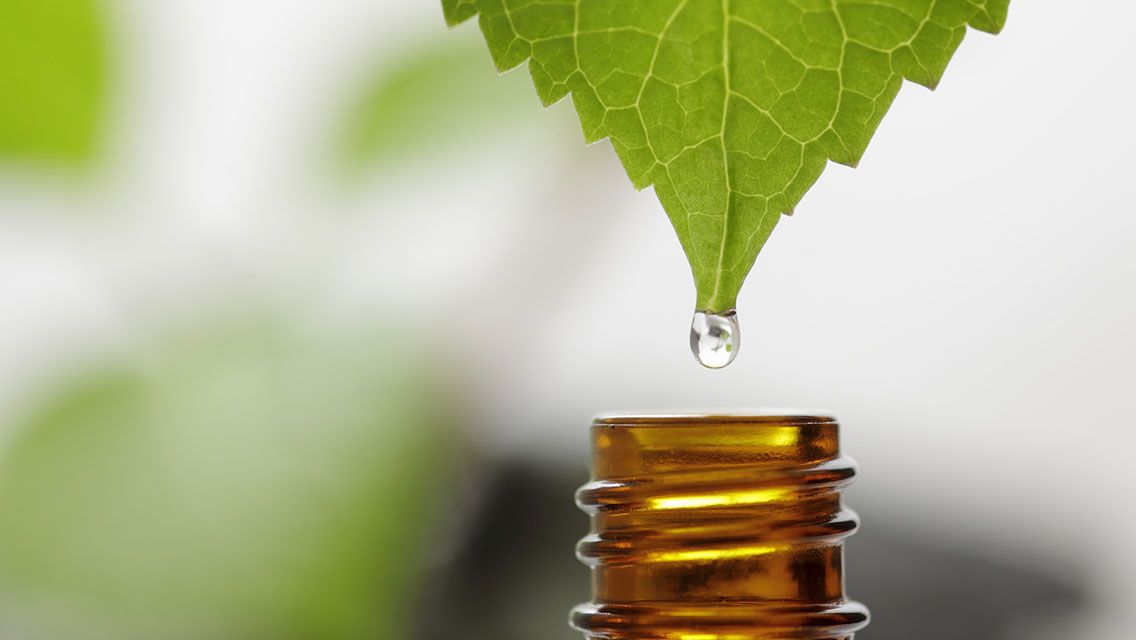
a variety of herbs and herbal supplements to ease PMS symptoms

Navigate directly to:

10 Natural Remedies for PMS

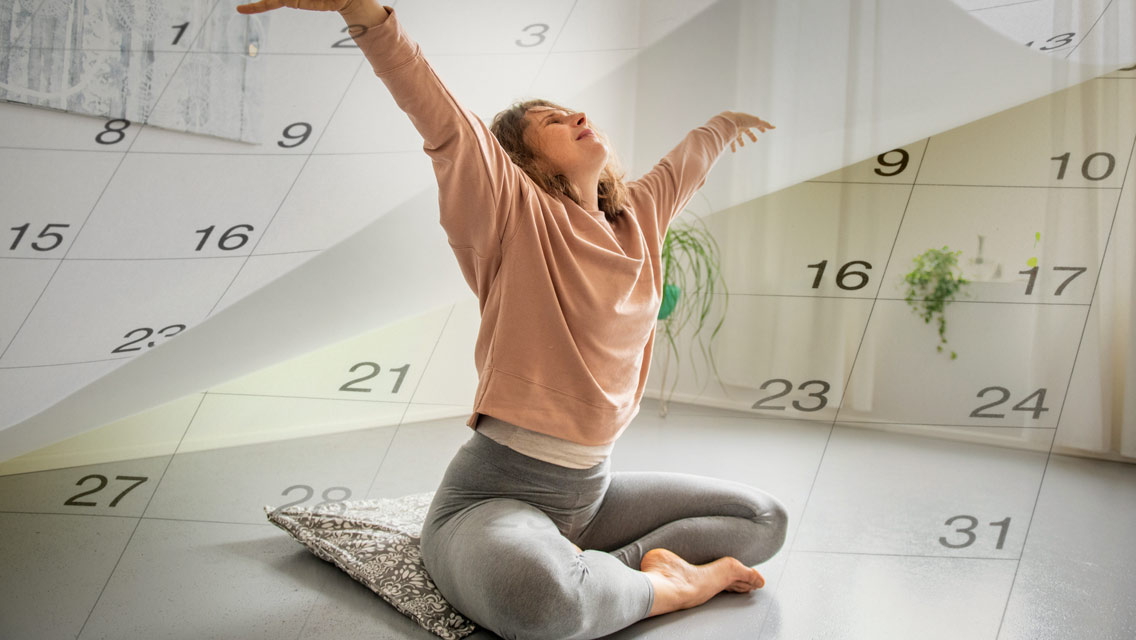
At some point between menarche and menopause, premenstrual syndrome (PMS) symptoms may affect up to 90 percent of women. For some, the effects are mild and manageable; others find themselves canceling plans, calling out from work, or missing class for days each month. And that’s before their monthly flow even begins.

Symptoms are many and varied, ranging from the physical to the emotional. Headaches, breast tenderness, bloating, and nausea are common, as are fatigue and insomnia. Many people report changes in appetite, acne breakouts, or mood-related symptoms, like depression and irritability.

Ever-changing hormones are the culprits behind these symptoms.

Fluctuations in hormone levels throughout menstrual cycles are both natural and necessary. Estrogen levels rise during the mid-follicular phase, then plummet post-ovulation. During the luteal phase, when the uterine lining thickens in preparation for a potential pregnancy, estrogen levels rise once again, only to fall at the start of your monthly menses.

A bit of hormonal acne or bloating isn’t unusual, but if you’re frequently in pain or feeling excessive discomfort, it might be time to have a closer look.

“If you are experiencing premenstrual mood or physical problems, your body is signaling that something is awry physiologically,” says functional-medicine physician Sara Szal, MD, author of The Hormone Cure. “Potential causes? A hormonal imbalance. Or cellular dysfunction. Or a combination of the two.”

Research points also to genetics and potential lifestyle factors that may contribute to PMS and its sister syndrome, premenstrual dysphoric disorder. PMDD is similar to PMS, but the symptoms are usually far more severe.


The Problem With Period pain

PMS symptoms tend to crop up toward the end of the luteal phase, just before you begin menstruating. Typically, once your period starts, the symptoms fade away — but this is when menstrual cramps (dysmenorrhea) can kick in. Period pain is much more common in people with PMS or PMDD symptoms.

Although some discomfort is to be expected, extremely painful periods are not normal, and they drive many women to seek assistance from their healthcare teams, who often prescribe hormonal birth control to curb PMS.

But hormonal birth control is not a good fit for everyone. It can come with a host of side effects, including headaches, mood swings, reduced sexual desire, and a minor risk for blood clotting. For those who would rather avoid taking the pill, there are other ways to manage PMS and period pain.

“If you’ve gone to see the gynecologist for PMS or PMDD, the solution has probably been to medicate with an oral contraceptive,” Szal explains. “But the pill masks symptoms by suppressing ovulation with synthetic hormones.”

While she acknowledges that medi­cation can be necessary in certain circumstances — for patients with endometriosis, for example — Szal believes it’s not always the best option for those with mild to moderate symptoms.

“For women with nonurgent health issues, implementing natural methods to rebalance hormones usually provides relief within a few short months,” she explains. “Your periods might normalize, and you could get your life back.”


Back in Balance

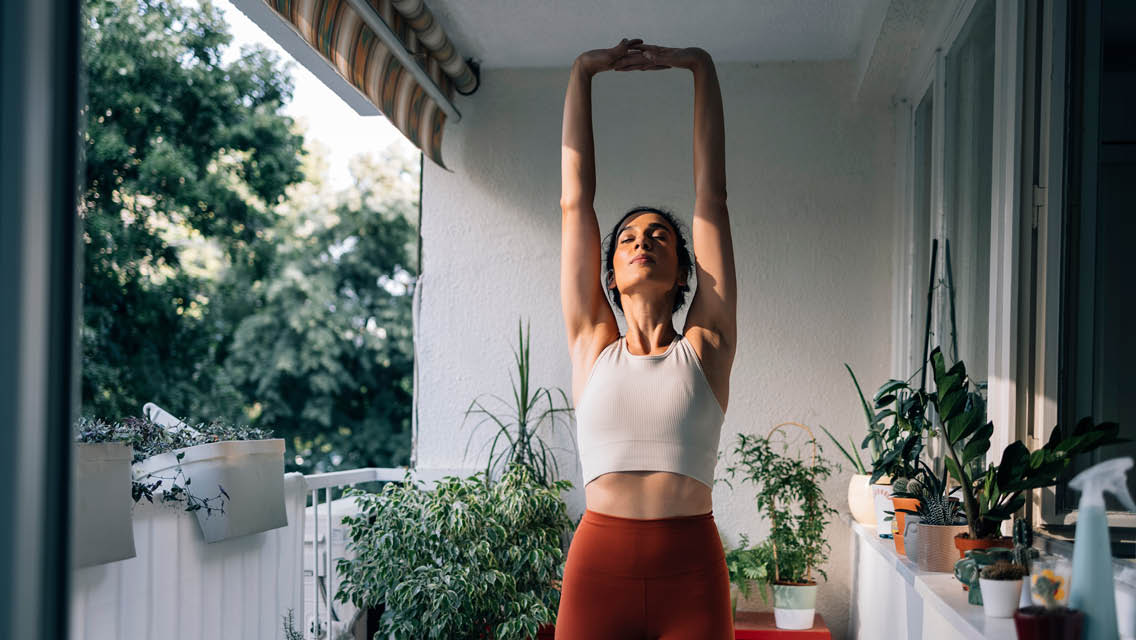
There are several lifestyle changes that can help rebalance hormone levels. Ample research shows that exercise can ease both physical and psychological symptoms, while a diet rich in healthy fats, fiber, and high-quality protein may reduce the severity of PMS.

Avocados, dark chocolate, fatty fish, and leafy greens are good food choices for those with PMS or PMDD; highly processed foods, sugar, caffeine, and alcohol are thought to ­exacerbate symptoms.

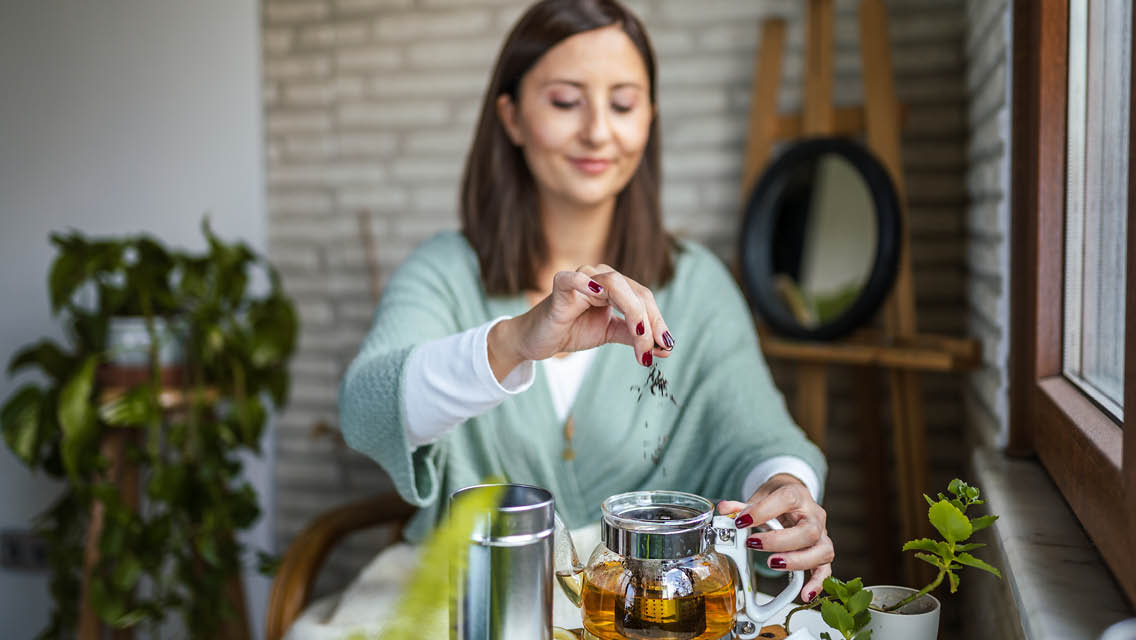
While lifestyle tweaks can certainly help, your spice cupboard is also brimming with plant-based remedies that can offer relief. And your herb garden is nature’s apothecary: Fresh leaves may be plucked and brewed into infusions to help soothe nausea, bloating, and even cramps.

Herbal remedies are widely considered safe by most integrative-­medicine practitioners, but before starting a new regimen, check in with your healthcare provider. This is especially true if you take any medications or have certain health conditions.

“Most herbalists will use a mixture of herbs rather than one single [herb],” explains herbalist Catherine Tupper, BM, BS, BSc. She stresses the importance of working with “an herbalist you trust. They will find the most appropriate herbs from a safe source and monitor your progress.” If you’re buying herbs online, get them only from a company you know well, she emphasizes.

If PMS and period pain have been disrupting your life, try one of these plant-based remedies to find some relief.

Chasteberry
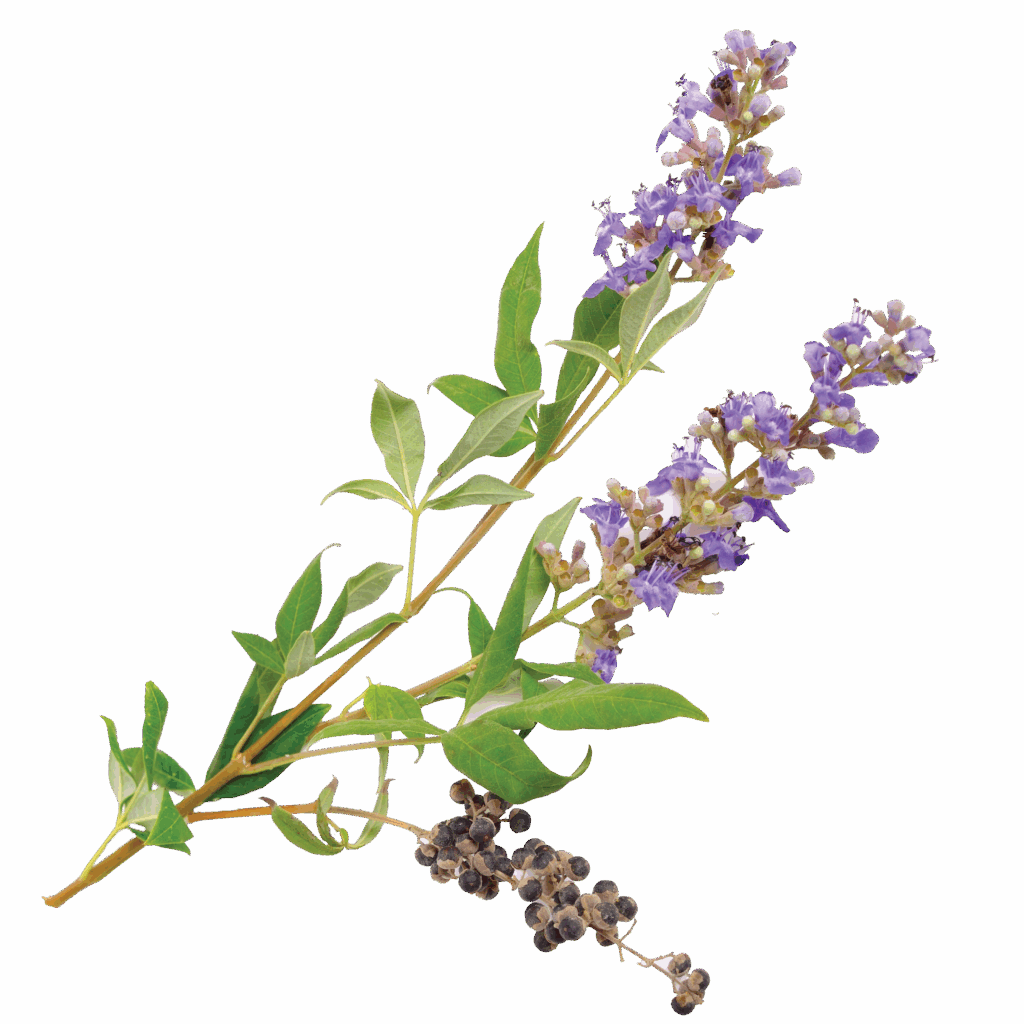
chastberryVitex agnus-castus, more commonly known as the chasteberry, has long been used to treat a variety of menstrual issues. “Its efficacy in treating many of these symptoms makes it one of the most widely used treatments in Germany, where herbal medicine is a standard part of regular medical care,” Romm writes in her book Hormone Intelligence.

Whether as an extract or in capsule form, the fruit from this Mediterranean tree has ­anti-inflammatory and hormone-balancing properties that can provide relief from mood swings, depression, breast tenderness, and headaches.

“It is thought that chaste­berry alters progesterone ­sensitivity and restores ­normal progesterone levels in the body,” Szal ­explains. “PMS symptoms are typically related to a problem with progesterone, especially in perimeno­pausal women. Most researchers believe that chasteberry increases the release of luteinizing hormone from the pituitary [gland], which raises progesterone and normalizes the second half of the menstrual cycle.”

Tupper echoes the benefits of chasteberry as a treatment for PMS-related anxiety, depression, and insomnia. “My first herb would always be Vitex agnus-castus,” she says.

Chamomile

An herb used in both traditional European and Mexican medicine, chamomile may help regulate depression and anxiety. “Stress is the biggest factor that can worsen PMS symptoms. So many hormonal problems in women are due to the downstream effects of cortisol,” says Szal. “Cortisol is a bully, and if it is high, it impacts all the other hormones in our bodies. Addressing your cortisol response and finding ways to manage your stress is probably the most important first step you can take to balance your hormones.” (For more counsel on balancing cortisol levels, see “How to Balance Your Cortisol Levels Naturally.”)

Chamomile has been linked to cortisol reduction, so your evening cup of tea may help lower overall cortisol levels in your body. The herb’s antispasmodic properties may also offer relief from menstrual cramps.

Herbalist and midwife Aviva Romm, MD, recommends taking a daily chamomile tincture from the week following ovulation to the onset of your period.

A word of caution: Chamomile can be estrogenic, so people with a history of hormone-sensitive cancers, such as breast, uterine, or ovarian cancer — as well as those who are pregnant or breastfeeding — should steer clear of this herb. People with ragweed allergies shouldn’t take chamomile, because it’s a member of the daisy family and could cause a reaction.

Dandelion

The sunny yellow blooms many of us think of as weeds boast potent diuretic properties, which means they can help with fluid retention and bloating — common in the days before menstruation begins. Its antioxidant-rich polyphenols boast anti-inflammatory properties, and dandelion root may help increase bile flow, improving liver function.

Pour yourself a cup or two of dandelion tea when you begin feeling bloated
around your period. (Learn why this green deserves a place on your
plate at “Dandelion Greens: Recipes, Techniques, and More.“)

Fennel

Fennel’s anise-like flavor may not be everyone’s cup of tea, but sipping infusions made from the herb can significantly reduce the duration and severity of menstrual cramps, thanks to its ability to reduce prostaglandins. These fennelhormone-like com­pounds are most active during the beginning of menstruation, and they’re responsible for menstrual cramps: They cause the contractions that help the body shed the uterine lining.

A 2020 review of randomized controlled trials concluded that fennel is as effective as conventional medications at relieving pain from menstrual cramps. The dosage differed across these studies, but additional research suggests that taking three or four 30 mg capsules of fennel daily in the days leading up to your period can reduce the severity of period pain.

Ginger

This spicy, antioxidant-rich rhizome, used in everything from curries to cakes, has long been praised for its anti-inflammatory properties. Ginger’s history as a medicine spans thousands of years, and it’s used in both TCM and Ayurveda. It’s also widely renowned in modern medicine, considered a gastrointestinal panacea for safely soothing nausea, irritable bowel syndrome, bloating, and other digestive woes.

What’s more, studies indicate that taking ginger capsules a few times a day can relieve menstrual-cramp pain to the same degree as over-the-counter anti-inflammatories like aspirin.

Romm suggests cooking with ginger or enjoying ginger tea to help with digestive issues, nausea, and cramps. She also recommends taking ginger capsules — often more effective than tea at combating pain — three times a day for the first three days of your period.
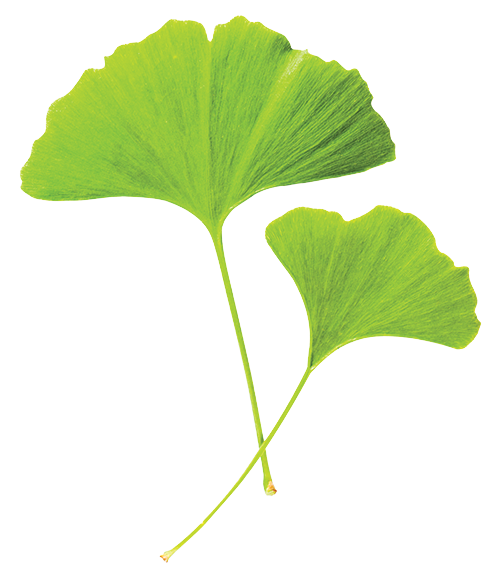
ginko leavesGinkgo Biloba

Best known for its potential to alleviate the symptoms of cognitive decline and Alzheimer’s disease, the leaves of the antioxidant-rich ginkgo tree can also ease anxiety and depression. In Traditional Chinese Medicine (TCM), it’s a widely used treatment for headaches and migraine.

Romm notes that taking ginkgo “twice daily, throughout the month, reduces breast pain associated with fluid retention.” She recommends 80 to 160 milligrams standardized extract, or 24 percent ginkgo biloba.

Note that if you’re on a blood thinner, you should avoid this herb because it slows blood clotting. Never eat raw or roasted ginkgo seeds, which can be poisonous.

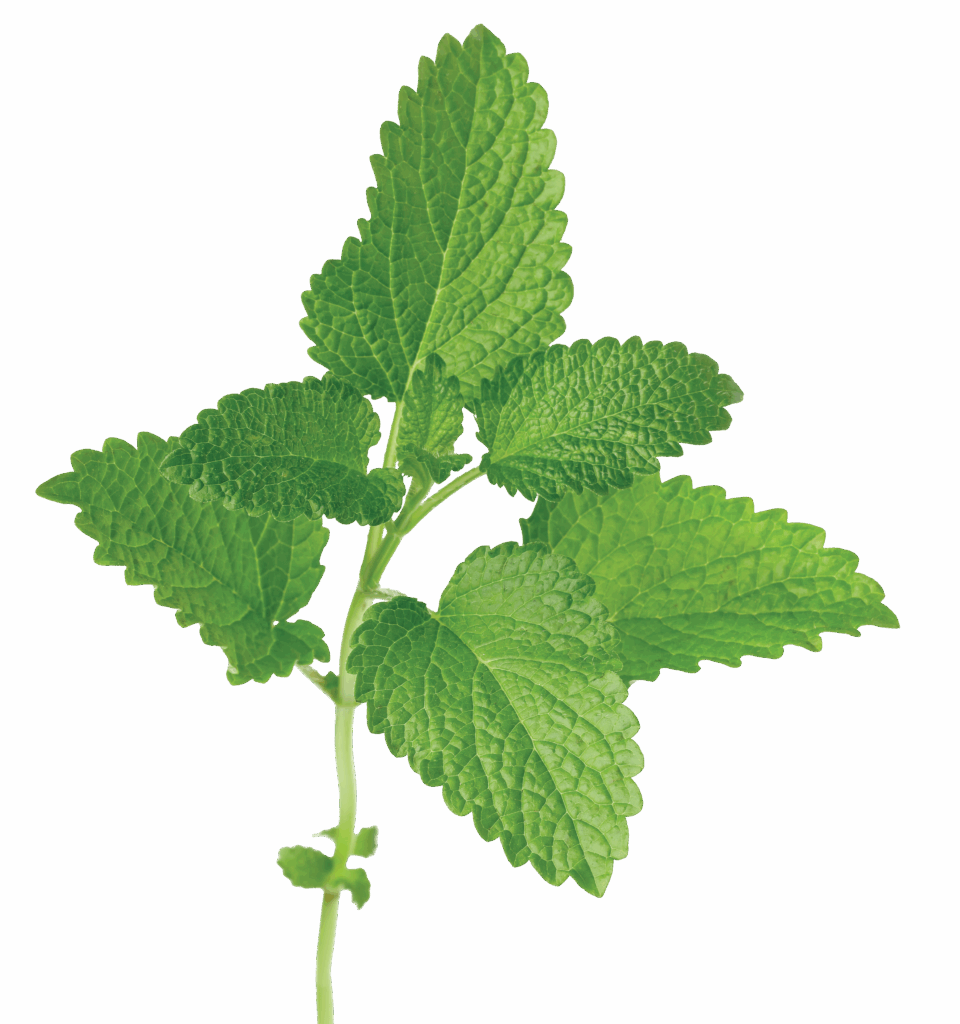
lemon balmLemon Balm

This member of the mint family boasts a light citrus fragrance and is easy to grow in an herb garden. Lemon balm can ease insomnia and anxiety, both of which are common with PMS. Changes in hormone levels can lead to plenty of tossing and turning at night; lemon balm may help reduce anxiety and clear the way to restful sleep. A 2017 study indicates that lemon balm can also reduce cramps.

Romm suggests taking 80 mg a day for insomnia or between 40 and 60 drops if you prefer a tincture over pills. A lemon-balm infusion can be soothing too. Pick about five to 10 fresh leaves and steep them in boiled water for five to 10 minutes; the longer you steep them, the more potent the flavor. If you’re using dried lemon balm, start with about 1 teaspoon, and experiment with more or less based on how strong you like your tea.

Peppermint and Spearmint

Like ginger, peppermint offers relief from some of the gastrointestinal symptoms of PMS and PMDD. Its antiemetic effects are so potent that peppermint oil is used as a viable natural treatment for nausea in cancer patients undergoing chemotherapy.

Peppermint’s sister plant, spearmint, boasts antiandrogen properties, which means it may help with hormone imbalances.

Try spearmint or peppermint tea in the week before your period to curb nausea. Once your period starts, peppermint may help ­relieve menstrual cramps or shorten their duration.

Saffron

The red-gold stigmas of the saffron crocus plant are best known for being the world’s most expensive spice. Harvested from the Crocus sativus flower, saffron contains a trove of antioxidants, and recent studies have suggested that its anti­depressant and pain-reducing powers may ease PMS and PMDD symptoms.

“[Saffron] is less proven than chasteberry,” explains Szal. “But it is a safe option for depression, painful periods, and PMS.”

Saffron is a delicious ingredient to use in the kitchen, but for those looking to treat PMS symptoms — including cramps — taking saffron in capsules daily is the easiest and most affordable option. Romm suggests that PMS sufferers take between 5 and 15 mg twice a day, with food to avoid nausea.

Supportive Supplements

Some supplements can support hormone balance and ­reduce the symptoms of PMS and period pain. Sara Szal, MD, author of The Hormone Cure, recommends the following supplements for people struggling with PMS.

Calcium: Research has shown that people experiencing PMS often have lower-than-normal calcium levels. Calcium supplementation can help ease the symptoms — particularly psychological effects, like mood swings and anxiety.

Szal recommends 600 milligrams of calcium carbonate or calcium citrate twice a day, taken orally. (Calcium is a key mineral for more than just healthy bones. Learn about its essential functions, recommended intake, and more at “Why Your Body Needs Calcium and How to Maximize Your Intake.”)

Magnesium: Studies show that magnesium, too, can reduce the severity of PMS, especially physical symptoms, like cramping, bloating, and headache. A research review suggests that magnesium supplementation might help by “normalizing the actions of different hormones (mainly progesterone) on the central nervous system.” Szal recommends 200 mg per day. (Learn more at “Why Your Body Needs Magnesium and How to Maximize Your Intake.”)

Vitamin B6: “Taken with magnesium, B6 reduces PMS-related anxiety,” Szal writes. “B6 is involved in the production of many neurotransmitters, including serotonin, which controls mood, sleep, and appetite, and dopamine, which controls pleasure and satisfaction.”

She recommends 50 to 100 mg daily and adds that it’s important to be cautious when supplementing with B6 because overdosing can lead to dizziness, nausea, and even nerve toxicity.
Navigate directly to:

10 Natural Remedies for PMS

At some point between menarche and menopause, premenstrual syndrome (PMS) symptoms may affect up to 90 percent of women. For some, the effects are mild and manageable; others find themselves canceling plans, calling out from work, or missing class for days each month. And that’s before their monthly flow even begins.

Symptoms are many and varied, ranging from the physical to the emotional. Headaches, breast tenderness, bloating, and nausea are common, as are fatigue and insomnia. Many people report changes in appetite, acne breakouts, or mood-related symptoms, like depression and irritability.

Ever-changing hormones are the culprits behind these symptoms.

Fluctuations in hormone levels throughout menstrual cycles are both natural and necessary. Estrogen levels rise during the mid-follicular phase, then plummet post-ovulation. During the luteal phase, when the uterine lining thickens in preparation for a potential pregnancy, estrogen levels rise once again, only to fall at the start of your monthly menses.

A bit of hormonal acne or bloating isn’t unusual, but if you’re frequently in pain or feeling excessive discomfort, it might be time to have a closer look.

“If you are experiencing premenstrual mood or physical problems, your body is signaling that something is awry physiologically,” says functional-medicine physician Sara Szal, MD, author of The Hormone Cure. “Potential causes? A hormonal imbalance. Or cellular dysfunction. Or a combination of the two.”

Research points also to genetics and potential lifestyle factors that may contribute to PMS and its sister syndrome, premenstrual dysphoric disorder. PMDD is similar to PMS, but the symptoms are usually far more severe.


The Problem With Period pain

PMS symptoms tend to crop up toward the end of the luteal phase, just before you begin menstruating. Typically, once your period starts, the symptoms fade away — but this is when menstrual cramps (dysmenorrhea) can kick in. Period pain is much more common in people with PMS or PMDD symptoms.

Although some discomfort is to be expected, extremely painful periods are not normal, and they drive many women to seek assistance from their healthcare teams, who often prescribe hormonal birth control to curb PMS.

But hormonal birth control is not a good fit for everyone. It can come with a host of side effects, including headaches, mood swings, reduced sexual desire, and a minor risk for blood clotting. For those who would rather avoid taking the pill, there are other ways to manage PMS and period pain.

“If you’ve gone to see the gynecologist for PMS or PMDD, the solution has probably been to medicate with an oral contraceptive,” Szal explains. “But the pill masks symptoms by suppressing ovulation with synthetic hormones.”

While she acknowledges that medi­cation can be necessary in certain circumstances — for patients with endometriosis, for example — Szal believes it’s not always the best option for those with mild to moderate symptoms.

“For women with nonurgent health issues, implementing natural methods to rebalance hormones usually provides relief within a few short months,” she explains. “Your periods might normalize, and you could get your life back.”


Back in Balance

There are several lifestyle changes that can help rebalance hormone levels. Ample research shows that exercise can ease both physical and psychological symptoms, while a diet rich in healthy fats, fiber, and high-quality protein may reduce the severity of PMS.

Avocados, dark chocolate, fatty fish, and leafy greens are good food choices for those with PMS or PMDD; highly processed foods, sugar, caffeine, and alcohol are thought to ­exacerbate symptoms.

While lifestyle tweaks can certainly help, your spice cupboard is also brimming with plant-based remedies that can offer relief. And your herb garden is nature’s apothecary: Fresh leaves may be plucked and brewed into infusions to help soothe nausea, bloating, and even cramps.

Herbal remedies are widely considered safe by most integrative-­medicine practitioners, but before starting a new regimen, check in with your healthcare provider. This is especially true if you take any medications or have certain health conditions.

“Most herbalists will use a mixture of herbs rather than one single [herb],” explains herbalist Catherine Tupper, BM, BS, BSc. She stresses the importance of working with “an herbalist you trust. They will find the most appropriate herbs from a safe source and monitor your progress.” If you’re buying herbs online, get them only from a company you know well, she emphasizes.

If PMS and period pain have been disrupting your life, try one of these plant-based remedies to find some relief.

Chasteberry

chastberryVitex agnus-castus, more commonly known as the chasteberry, has long been used to treat a variety of menstrual issues. “Its efficacy in treating many of these symptoms makes it one of the most widely used treatments in Germany, where herbal medicine is a standard part of regular medical care,” Romm writes in her book Hormone Intelligence.

Whether as an extract or in capsule form, the fruit from this Mediterranean tree has ­anti-inflammatory and hormone-balancing properties that can provide relief from mood swings, depression, breast tenderness, and headaches.

“It is thought that chaste­berry alters progesterone ­sensitivity and restores ­normal progesterone levels in the body,” Szal ­explains. “PMS symptoms are typically related to a problem with progesterone, especially in perimeno­pausal women. Most researchers believe that chasteberry increases the release of luteinizing hormone from the pituitary [gland], which raises progesterone and normalizes the second half of the menstrual cycle.”

Tupper echoes the benefits of chasteberry as a treatment for PMS-related anxiety, depression, and insomnia. “My first herb would always be Vitex agnus-castus,” she says.

Chamomile

An herb used in both traditional European and Mexican medicine, chamomile may help regulate depression and anxiety. “Stress is the biggest factor that can worsen PMS symptoms. So many hormonal problems in women are due to the downstream effects of cortisol,” says Szal. “Cortisol is a bully, and if it is high, it impacts all the other hormones in our bodies. Addressing your cortisol response and finding ways to manage your stress is probably the most important first step you can take to balance your hormones.” (For more counsel on balancing cortisol levels, see “How to Balance Your Cortisol Levels Naturally.”)

Chamomile has been linked to cortisol reduction, so your evening cup of tea may help lower overall cortisol levels in your body. The herb’s antispasmodic properties may also offer relief from menstrual cramps.

Herbalist and midwife Aviva Romm, MD, recommends taking a daily chamomile tincture from the week following ovulation to the onset of your period.

A word of caution: Chamomile can be estrogenic, so people with a history of hormone-sensitive cancers, such as breast, uterine, or ovarian cancer — as well as those who are pregnant or breastfeeding — should steer clear of this herb. People with ragweed allergies shouldn’t take chamomile, because it’s a member of the daisy family and could cause a reaction.

Dandelion

The sunny yellow blooms many of us think of as weeds boast potent diuretic properties, which means they can help with fluid retention and bloating — common in the days before menstruation begins. Its antioxidant-rich polyphenols boast anti-inflammatory properties, and dandelion root may help increase bile flow, improving liver function.

Pour yourself a cup or two of dandelion tea when you begin feeling bloated
around your period. (Learn why this green deserves a place on your
plate at “Dandelion Greens: Recipes, Techniques, and More.“)

Fennel

Fennel’s anise-like flavor may not be everyone’s cup of tea, but sipping infusions made from the herb can significantly reduce the duration and severity of menstrual cramps, thanks to its ability to reduce prostaglandins. These hormone-like com­pounds are most active during the beginning of menstruation, and they’re responsible for menstrual cramps: They cause the contractions that help the body shed the uterine lining.

A 2020 review of randomized controlled trials concluded that fennel is as effective as conventional medications at relieving pain from menstrual cramps. The dosage differed across these studies, but additional research suggests that taking three or four 30 mg capsules of fennel daily in the days leading up to your period can reduce the severity of period pain.

Ginger

This spicy, antioxidant-rich rhizome, used in everything from curries to cakes, has long been praised for its anti-inflammatory properties. Ginger’s history as a medicine spans thousands of years, and it’s used in both TCM and Ayurveda. It’s also widely renowned in modern medicine, considered a gastrointestinal panacea for safely soothing nausea, irritable bowel syndrome, bloating, and other digestive woes.

What’s more, studies indicate that taking ginger capsules a few times a day can relieve menstrual-cramp pain to the same degree as over-the-counter anti-inflammatories like aspirin.

Romm suggests cooking with ginger or enjoying ginger tea to help with digestive issues, nausea, and cramps. She also recommends taking ginger capsules — often more effective than tea at combating pain — three times a day for the first three days of your period.

ginko leavesGinkgo Biloba

Best known for its potential to alleviate the symptoms of cognitive decline and Alzheimer’s disease, the leaves of the antioxidant-rich ginkgo tree can also ease anxiety and depression. In Traditional Chinese Medicine (TCM), it’s a widely used treatment for headaches and migraine.

Romm notes that taking ginkgo “twice daily, throughout the month, reduces breast pain associated with fluid retention.” She recommends 80 to 160 milligrams standardized extract, or 24 percent ginkgo biloba.

Note that if you’re on a blood thinner, you should avoid this herb because it slows blood clotting. Never eat raw or roasted ginkgo seeds, which can be poisonous.

Lemon Balm

This member of the mint family boasts a light citrus fragrance and is easy to grow in an herb garden. Lemon balm can ease insomnia and anxiety, both of which are common with PMS. Changes in hormone levels can lead to plenty of tossing and turning at night; lemon balm may help reduce anxiety and clear the way to restful sleep. A 2017 study indicates that lemon balm can also reduce cramps.

Romm suggests taking 80 mg a day for insomnia or between 40 and 60 drops if you prefer a tincture over pills. A lemon-balm infusion can be soothing too. Pick about five to 10 fresh leaves and steep them in boiled water for five to 10 minutes; the longer you steep them, the more potent the flavor. If you’re using dried lemon balm, start with about 1 teaspoon, and experiment with more or less based on how strong you like your tea.

Peppermint and Spearmint

Like ginger, peppermint offers relief from some of the gastrointestinal symptoms of PMS and PMDD. Its antiemetic effects are so potent that peppermint oil is used as a viable natural treatment for nausea in cancer patients undergoing chemotherapy.

Peppermint’s sister plant, spearmint, boasts antiandrogen properties, which means it may help with hormone imbalances.

Try spearmint or peppermint tea in the week before your period to curb nausea. Once your period starts, peppermint may help ­relieve menstrual cramps or shorten their duration.

Saffron

The red-gold stigmas of the saffron crocus plant are best known for being the world’s most expensive spice. Harvested from the Crocus sativus flower, saffron contains a trove of antioxidants, and recent studies have suggested that its anti­depressant and pain-reducing powers may ease PMS and PMDD symptoms.

“[Saffron] is less proven than chasteberry,” explains Szal. “But it is a safe option for depression, painful periods, and PMS.”

Saffron is a delicious ingredient to use in the kitchen, but for those looking to treat PMS symptoms — including cramps — taking saffron in capsules daily is the easiest and most affordable option. Romm suggests that PMS sufferers take between 5 and 15 mg twice a day, with food to avoid nausea.

Supportive Supplements

Some supplements can support hormone balance and ­reduce the symptoms of PMS and period pain. Sara Szal, MD, author of The Hormone Cure, recommends the following supplements for people struggling with PMS.

Calcium: Research has shown that people experiencing PMS often have lower-than-normal calcium levels. Calcium supplementation can help ease the symptoms — particularly psychological effects, like mood swings and anxiety.

Szal recommends 600 milligrams of calcium carbonate or calcium citrate twice a day, taken orally. (Calcium is a key mineral for more than just healthy bones. Learn about its essential functions, recommended intake, and more at “Why Your Body Needs Calcium and How to Maximize Your Intake.”)

Magnesium: Studies show that magnesium, too, can reduce the severity of PMS, especially physical symptoms, like cramping, bloating, and headache. A research review suggests that magnesium supplementation might help by “normalizing the actions of different hormones (mainly progesterone) on the central nervous system.” Szal recommends 200 mg per day. (Learn more at “Why Your Body Needs Magnesium and How to Maximize Your Intake.”)

Vitamin B6: “Taken with magnesium, B6 reduces PMS-related anxiety,” Szal writes. “B6 is involved in the production of many neurotransmitters, including serotonin, which controls mood, sleep, and appetite, and dopamine, which controls pleasure and satisfaction.”

She recommends 50 to 100 mg daily and adds that it’s important to be cautious when supplementing with B6 because overdosing can lead to dizziness, nausea, and even nerve toxicity.
Camille
Camille Berry

Camille Berry is a wine and food writer based in San Francisco.

Thoughts to share?

This Post Has 0 Comments

Leave a Reply

Your email address will not be published. Required fields are marked *

ADVERTISEMENT

More Like This

a young woman wears athletic apparel while standing with hands on her hips looking down

Can Workouts Affect Menstruation?

By Andrew Heffernan

Expert answers on why working out and strength training can help with adverse side effects of your menstrual cycle.

Back To Top