



Several factors influence the delicate balance of our hormones: aging, stress, nutrition, body composition, and insulin resistance, to name just a few. One of the most common expressions of this is “out of whack” sex hormones, specifically low testosterone or high estrogen in men and high testosterone or low estrogen in women. These imbalances can cause low energy, low moods, and low sex drives in both sexes, among other symptoms.
As a result, there’s a growing market for medical treatments such as hormone replacement therapy (HRT), a controversial approach that uses pills or injections to “rebalance” hormones. Taken over a long period of time, some commonly prescribed HRT hormones have been linked to heart problems and other chronic diseases.
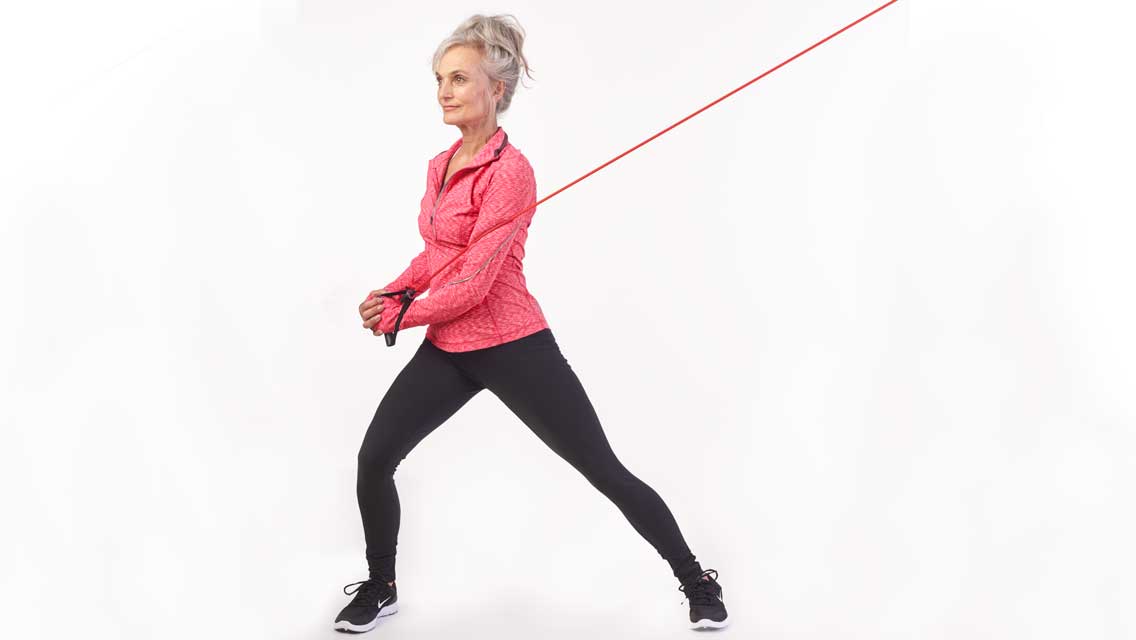
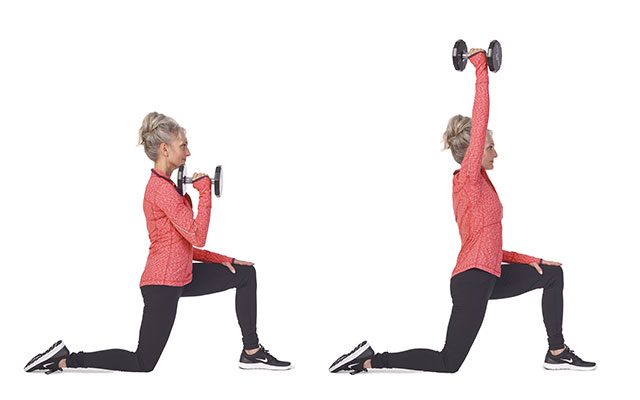
When these hormones occur naturally, however, they can work wonders. For that, there’s no better medicine than strength training.
“Weight training is the only activity that creates hormonal changes that help both men and women burn fat while maintaining or gaining muscle.”
“Weight training is the only activity that creates hormonal changes that help both men and women burn fat while maintaining or gaining muscle,” says Jade Teta, ND, an integrative physician in North Carolina and longtime fitness coach.
In both sexes, he explains, strength training stimulates the release of human growth hormone, which aids in building muscle and burning fat. It also increases insulin sensitivity, which helps control blood sugar and reduces the risk of type 2 diabetes.
Strength training has also been shown to help regulate sex hormones — testosterone and estrogen — especially as men and women get older. As men age, their testosterone level often drops relative to their estrogen level, which can affect muscle growth, energy levels, and sexual function.
Women commonly produce less estrogen as they grow older, which can increase the risk of osteoporosis, heart disease, and general hormone dysregulation.
Strength training has been shown to stimulate production of these sex hormones and help rebalance them for both men and women.
If you want a healthy hormonal profile without using drugs, strength training — independent of other lifestyle and nutritional changes — may be your best bet, says Teta. The hormonal effects can “produce the changes and the look of a healthy, fit physique.”




Comments (0)