


Boston Marathon Winner and Olympian Des Linden on Discipline, Resilience, and the Road to Greatness
Linden offers valuable insights into the mental and physical aspects of running, including offering strategies for balancing training, overcoming setbacks, and adapting to challenges.



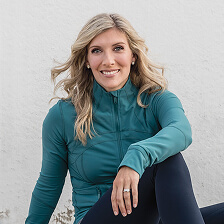
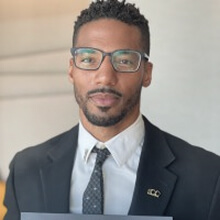
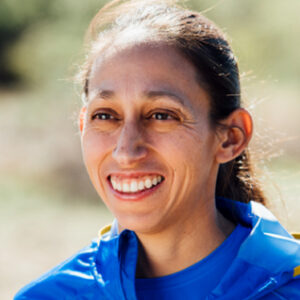
From defining what it means to push personal limits daily to recounting her iconic 2018 Boston Marathon victory, two-time Olympian Des Linden offers valuable insights into the mental and physical aspects of running. She offers strategies for balancing training, overcoming setbacks, and adapting to challenges, and she shares insights from her journey around staying disciplined and resilient.
This episode of Life Time Talks is part of our live event series featuring speakers from events at Life Time club locations.
Des Linden is a two-time Olympian and the winner of the 2018 Boston Marathon.
In this episode, Linden delves into her race endeavors and offers insights around competing and performing at a high level. Insights include the following:
- Discipline is not static; it changes with goals and life stages.
- High performance is about maximizing personal potential daily and striving to be the best version of oneself, regardless of the outcomes.
- Motivation can be inconsistent, but discipline and routine provide a reliable foundation for progress.
- Mental resilience in sports can be developed and improved, just like physical skills.
- One of the hardest aspects of professional marathoning is finding the strength to recommit after setbacks. Running in a pack requires strategy, observation, and timely responses to competitors’ moves. Linden credits her Boston Marathon win in part to strategic preparation and mental readiness to tackle challenges.
- After major achievements, it’s important to take time to celebrate and appreciate the moment with your community.
- Incorporating cross-training and strength training alongside running can help prevent injuries and keep training engaging. Nutrition and sleep are also critical factors for runners to focus on.
- Running offers therapeutic benefits, providing solitude and opportunities for mental clarity.
- Loving your craft is essential for achieving greatness and sustaining long-term success.
Transcript: Boston Marathon Winner and Olympian Des Linden on Discipline, Resilience, and the Road to Greatness
Brian Mazza
Tonight we have a very special guest in Des Linden. She’s a dear friend of mine, two-time Olympian and Boston Marathon champion. That is super cool. So I want to introduce my dear friend, Des Linden. Welcome.
Des Linden
Thank you. Thanks for having me.
Brian Mazza
So last time we did this talk together was at an HPLT event overseas, which was super cool in Antigua. You led us through a beautiful run on the coast there. And I just thought this week is such an iconic week here in New York that having you here in our newest venue of Life Time is just very unique and special. And you’re such an incredible person, incredible athlete. And you have so much to offer to everyone who is watching and everyone who’s here tonight. So thank you so much.
Des Linden
Thanks for having me. This spot is amazing and it’s always good to chat with you.
Brian Mazza
So you’ve been a symbol of consistency for years as an athlete. What does discipline actually look like to you when no one is watching?
Des Linden
Yeah, I mean, I think it’s an evolving thing. I think what you’re trying to get out of your training and where you are in your period of your life and your goals and all of those things, those are always evolving. So discipline is very different. I think you take the goal and you work backwards and it’s like, are the things that are gonna make a difference for me? How do I get there? And on every single day, it’s a little bit different. So some people say like, no days off, no rest, but sometimes being disciplined is saying, actually, I need three days off.
I need to heal up this thing or I have a little injury that I probably could push through, but it might be set me back seven days so I’ll be disciplined for these three and then get back to work. So it’s always changing, but I think when I think about it and try to sum it up, it’s like, what’s the goal? What’s the main thing I’m trying to get for? And what do my actions today do to help me get there? And those are the discipline decisions.
Brian Mazza
Do you think your mindset on discipline has changed over the years as an athlete?
Des Linden
Yes, yeah. I think when I was young, discipline was just like work harder, be the most dedicated. think it was like pushing through, pushing through everything. Like pain didn’t matter. It was get the most volume, do the hardest work. And prescriptions of like pace and rest and those types of things, those seem like cop outs, because you’re like, well, I can go harder. Why wouldn’t I do that? And I think when you’re young, you can get away with it. It sort of adds up as you get a little bit older, those things, you realize it’s not always better.
Brian Mazza
So we you know I have a company called High Performance Life Time and we have a name change now so which is kind of cool really cool for us. So everyone’s talking about high performance, high performance living, high performance lifestyle, everyone wants to be a high performer right in many different sectors of business and in sport. So how do you personally define high performance beyond race times in your world?
Des Linden
Yeah, I mean, I think it’s getting the most out of myself and that’s like my individual ability on the day. And I think, you know, that’s it’s really hard to win races. It’s really hard to be the very tip of the spear, but you can be the best version of yourself every single day. And I always kind of think about my buildup to getting to that Boston win. And it was act as if you are the thing you’re trying to become. And I pictured champion every day. Like what would a Boston Marathon champion do? How would they eat? How would they behave? What time do they go to bed? And all of those different things, you know, I brought those to every single day. And whether or not I win the Boston Marathon, it’s really kind of out of my control. There could just be someone who’s superior on the day, but I could walk away a champion in my own way because I brought those elements every single day. And I think that’s high performances. How do I show up each day with my A game and being the best version of myself.
Brian Mazza
Yeah, I mean, I think the beauty of high performance also is that it doesn’t matter how fast you run, doesn’t matter how much you can lift or what your deadlift is or what your bench press is or whatever. It’s really personal. And if people can really dial into that, they can find a purpose, I believe, and then they can live their own really authentic life to achieve what they want to achieve.
We were talking outside about my very slow marathons that I did or my slow half marathon that I did. And I don’t know, maybe my training block was 12 weeks, right? And not every day is a good day. Some runs are great, some runs are not so great. When you are so dialed in trying to achieve or win a major, the most popular marathon probably out, not every day is gonna be a huge motivator, right? When your motivation dips, where do you go? How do you internally think about that to keep moving forward?
Des Linden
Yeah, I mean, think motivation is super fickle. Lets us down a lot. Discipline and routine is always there. And the days where you don’t want to get going and the days where you are motivated, I feel like those are the ones, those are some of the ones that can be the most valuable. When you push through in that hard moment where a lot of things are aligned together, she’s saying, no, not today. This isn’t going to work out. And you get it done anyways. I think you learn the most from those. So I think they’re really valuable.
But yeah, I don’t think even at the tip the spirit or the professional side of the sport, we’re not always disciplined every single day. And I think you look at the goal, look at the thing you’re striving for, what’s the thing you want at the end of this block. And that is a little nudge to get you out and get you going. And also the realization that you’re working on a big block for 12 weeks, three to four months, and not every day is going to be perfect, but you can look back at the block and go, this was all very, very solid. That’s a success.
Brian Mazza
And high performance has a whole other side of it with mental toughness. Do you think you’re born with mental toughness or do think you can learn it or build up to it and I guess adapt?
Des Linden
Yeah, I think the mental side is something we can all work on. You know, I think we’re probably have our strengths and weaknesses and we’re all okay at it. But I feel like that that side of the sport, maybe more so now people are focused on it, but it seemed like this area where everyone’s looking for their 1% and it’s like better shoes, better hydration, better nutrition, and those are all important. But so much of what happens is between the ears and people don’t practice or work on it. And I actually think that’s a skill that’s out there that everyone can be working on and improve and that might be your 1%, that might be your edge.
Brian Mazza
So we have a brand in Life Time now called High Performance Life Time and we bring Navy SEALs all the time to our summits. And they always bring up and they always ask this question to us. They always say, who do you think the toughest Navy SEALs are that are tempted to be Navy SEALs? Is it the guys that come in super jacked and athletic or is it the endurance athletes? And they always say it’s the endurance athletes because I believe endurance athletes are the toughest athletes. Right, so you go through all these trials and tribulations through your training block and you might not win, right? At your level. And you’ve lost a lot and you’ve won something really incredible. So thinking that of losing or not achieving your goal or doing something that you thought you were going to be able to do, that’s huge mental toughness.
And when that training block you, how do you continue to have the fire to say, okay, I had a bad showing maybe or my nutrition was off and all of these other things that might be slowing you down or not allowing you to achieve your goal. How hard is it to pick yourself back up to be like we’re picking another race and we’re going to try to do what we came to do because if you’re a soccer player or a baseball player, if you have a bad game, you have another game the next day. Or if you have a bad practice, you have another practice the next day, right? And then you can play on Sunday for playing football or whatever. have multiple games. You have to plan your races out, right? You already know what they are, but you don’t have them as often as a regular or different athlete would have. So it must be very difficult to stay that motivated through the discipline and continue to fight and get better and better. Just touch on that a little.
Des Linden
Yeah, I mean, I think that’s one of the toughest things about professional marathoning. There’s also, I mean, there’s spring and fall major marathons, which is usually how we plan out our schedules, but there’s also Olympic trials and Olympic year, and those are every four years. So that’s one shot every four years. And I think some of the hardest moments in my career, I think immediately in 2008, everything in my mind said that I was gonna make the Olympic team in that marathon. It was my second marathon ever.
Training went super well and you have to be all in, you have to be invested, you have to commit your whole heart to this thing. Like I am going to be an Olympian. Act as if you’re a thing you’re trying to become and you practice it and you think about it every day and then I didn’t make the team and that’s just such a pivotal moment where you have to say. can I recommit and forget this feeling of failure? Failure is an action, not an identity. It’s not who I am. It’s what I did today. So I have to forget that.
But also, can I learn from this, take all the lessons, and make sure those things, like I don’t fail a second time at those specific things? And it’s a commitment. And I think that’s one of the things that is so thrilling about Olympic trials, when you think about every single athlete on the line, they’ve kind of gone through that process of putting everything into it, and only three get the win on that day. So I think that’s the hardest part about our sport. And then we’re lucky to have these major marathons, fall and spring, that are big as well. But yeah, there’s something different about those trials experiences.
Brian Mazza
There was one question I asked you years ago in Antigua when we did our summit that I just loved hearing you talk about this. So when you are just a normal civilian running a marathon, you’re with say 40,000 people, right, running and it’s tight and there’s so many people. You guys have your pack, right? And how many people are usually in that pack? 20. 20, right?
And I really wanted, I want you to explain what it’s like being inside that cohort of people. Are they talking? Are you studying their mannerisms? Are you seeing when they’re fatiguing, when they’re not fatiguing? What goes on? Is there so much prep in all of that so you know who you’re competing against? Or is it just, I need to focus on what I need to do today in order to be the best version of myself?
Because I think a lot of it would be paying attention to when I need to make my next move, when I need to hold back a little bit, maybe when I can you know, move a little right, move a little left. How much studying goes into it and what is that experience like in the pack? Because there’s not many people that get to experience that.
Des Linden
Yeah, it’s a great question. It’s so different for every person. I think you could bring up 10 different elites and they’d have 10 different answers to that. And I’m probably a blend of two different styles where it’s looking at the competitor list and knowing who you’re lining up against, see their results, how they’ve been performing lately. And then you see the true competitors, you race them enough times, you kind of pick up on their style and certain things to keep an eye out for.
Obviously the big thing is run your own race and don’t get caught up in too much of what everyone else is doing. But you’re all you’re also out there racing not time trialing so there’s a point where you know it’s stick to the plan and do what is best for you. And I think we talked about run the first 20 with your head in the last 10K with your heart. So in the first 20 miles, it’s what do I need to do? Am I doing my nutrition? Let me take care of my race plan.
And then there’s certain points in the race where someone will do something and you got to decide whether it’s worth responding to or not. And that’s the fun part about the racing is it’s very strategic, it’s chess. And the later you get into the race and the closer you get to the finish line, you are eyeing up your competitors. Where’s the dip in the shoulder from someone who they’re getting tired? I used to race my friend Amy Hastings, now Amy Craig, all the time. And I knew when she was on the ropes, because she would go to the front, she would surge, she would put in a little push. It was like she was trying to break the race open, but if you close the gap once, twice, she was done. It is like you could look for that and use that to your advantage. So you’re also eyeing up those things as well and you want it to be a competitive strategic race.
Brian Mazza
So let’s talk about Boston. Can we go through that moment? Another great question from the summit that I think everyone loved was take us through that moment when you knew this was going to be your time.
Des Linden
It was so late. It was so late in the race.
Brian Mazza
That’s what I think is so unique about this right that it’s like you can never give up right right you never give up and you like — I’m a soccer guy right you play to the final whistle. My soccer team this weekend won in the 92nd minute, right, just like on a an error on the other team the ball went through and they scored and they won in the whistle. You know right after they scored so it’s same thing right you’d never know where if I could fight a little bit longer If I have it in me which I know I probably do if I get over the dark side, this could be my chance.
Des Linden
Yeah, in 2011, I was second by two seconds. So I mean, in that build up, everything went so well. And I was like, I’m just going to run away with this thing. I like would picture it that way, like having a nice break and then, you know, being able to wave to the crowd at the finish line because there’s so much room behind me. And it was this wicked sprint finish between three of us. Three of us came on to Boylston together. And I think we changed the lead like three or four times on Boylston Street. So the last 600 meters of a marathon and three women are contending. And yeah, I mean, I came within two seconds of the win and I left that situation and was like, okay, like no more picturing winning by a quarter or a half mile. It’s like fight tooth and nail for every second, every step. I can’t believe I let myself think that.
So was years and years of going back and trying to have that race and visualizing that sprint to the finish. So in 2018, I mean, I think when I found myself in the lead, I immediately thought back to that. I was like, okay, you have to put foot on the gas. Slow down, save a little bit for a kick, and I was being really strategic the whole time. And I turned on to Boylston and I was like, know how to run the stretch better than everyone. 100% I can win on this stretch.
And so if someone comes up with a kick, I’ll have the response, I know exactly how to run this. And I got to probably the spot where I was outkicked in 2011 and no one was on my shoulder. I was like, okay, I think I’ve got it won. Turns out it was like three minutes back to the next person. So I could have been, could have maybe, would jogged in backwards.
Brian Mazza
But that wasn’t just a normal day though. What was the situation that day?
Des Linden
Yeah, did anybody watch that? Has anybody seen some photos? Yeah, was headwinds. So Boston’s a point to point course, 26.2 miles. start out in Hopkinson and you run into the city. And it was a headwind for the whole time, I think 20 mile per hour is a gust super up to 30 or something. Torrential downpour, and I bet it was like 40 degrees maybe. Boston.
Brian Mazza
You never know what you’re going to get, right? You never know. Because recently it was warm.
Des Linden
You’ll get hot days, you’ll get cold days. It’s spring in Boston.
Brian Mazza
So it was terrible conditions. And how much did that affect you mindset wise? Because some athletes would be like, man, I didn’t sign up for this. I didn’t train for this. And it’s kind of like, wow, this is what I just have to do.
Des Linden
Yeah, I mean, it was a mixed bag. think there’s, you know, I stood in the line thinking, this gives me a shot. Like, I think everyone has a chance to make their decision of how the weather is going to impact them. And you could look across and just see people who were like this ain’t it, like I wanna go home, I wanna be in bed.
And you couldn’t blame it, it was terrible. But there was a lot of people who just like, you could see it on the start line that they had already counted themselves out. And I knew that that could be a huge advantage. Now I’ll say like, there were definitely points where you’re feeling rough in the race and you’re like, this ain’t it, I wish I were back at the hotel in my bed. But that’s why you don’t make any big decisions, you know, at any single moment. Just like get to the next step, find the next objective, create something positive, some positive momentum and take your mind off the negative of the weather.
Brian Mazza
So after such a historic win, what’s your mindset like? Take us through the next two weeks. Are you super high? Are you kind of, what’s next? What goes through your mind?
Des Linden
Yeah, I mean, I think I have been at it for so long and had a fairly long career up to that point. I think a lot of athletes go like, OK, what’s next? How can I top this? Can I go faster? Can I win again? Can I win another major? And you start thinking ahead towards the next thing. But I think for me, that was a goal that I had wanted for so long. It was so specific.
Brian Mazza
What was it like when you went through that line? What was the feeling?
Des Linden
I think it was relief, like honestly, and I think you’ll hear that from a lot of people who have like this thing that’s been gnawing at them for a long time, but to be two seconds away, right? And then years think like, okay, I’ve lost my moment, I’ve lost my chance, it’s probably not gonna happen, that was it. And then to get a second chance, know, like when I went into the lead, it was like, okay, like you never get second chances like this, like let’s . . .
Brian Mazza
Did you get nervous at all?
Des Linden
Oh yeah. Yeah.
Brian Mazza
Yeah, I mean I would be freaking out. I mean I was freaking out so much when I ran the New York City Marathon I left my nutrition at home. I was even nervous to bring my nutrition to the race. Yeah, I can’t imagine being in first place I mean you must have been going crazy inside.
Des Linden
Yeah, I mean, it’s one of those things where like when you’re chasing, you’re like, all right, I get this. This is the objective. It’s there. And then you’re in the lead and you’re like, oh no, don’t mess it up. And there’s a very different mindset between the two. But I think that that’s where the nerves come from. You’re like, oh, I have it. Like, don’t let it slip through my hands.
Brian Mazza
Also all the work that you put in year after year, run after run, this is your moment to shine. Now what about your mindset after, right? Because sometimes people, I’ve listened to a ton of athletes and interviewed a ton of athletes who’ve won major championships before and they’re like, I won it and then I’m in my hotel room two hours after and it’s just like, okay, like what’s next, right? Did you really embrace it and say I’m gonna live in this moment for a little bit of time or again, coach, what’s our next race? I’m ready to go.
Des Linden
No, I think I really appreciated it and celebrated it. And I think, you know, I have a book, it’s called Choosing to Run. I talk a little bit about this kind of health crisis that happened like in the fall prior. And it was sort of like, oh, this could be the end of my career anyhow. And so I think it was, I was really able to appreciate it and just make the most of it. And I’m happy I did that. I think a lot of people might say, no, you should jump into the next thing.
Or no you can’t be too high or too low, too long. But what’s the point of all of it if you can’t just pause and really appreciate it and celebrate it? And it wasn’t just mine, it was my team’s and I feel like the community’s as well. And so I thought it was important to really, really celebrate it and also to take the opportunity to just share running with people who don’t typically have their eyeballs on running. Like that race was so many places and caught a lot of attention. So was like, let’s put running out there for as long as we can.
Brian Mazza
Let’s pivot more on the performance side of things. What should people be doing when they’re preparing for a marathon? Should they balance with strength training in there? Should they go all in on running? Because I feel like a lot of people might not know what’s the proper strategy here for to stay healthy, not get injured, not get burnt out where it’s the same thing running every single day. What’s the healthy balance that you believe for a normal person trying to run?
Des Linden
I will say rules for thee and not for me. I’m terrible in the weight room. I don’t know if you can tell. But no, I mean, I think for injury prevention and just, you know, staying fresh and keeping running interesting, I think it’s good to mix it up with cross training, weight training. Yeah, and, you know, like it doesn’t have to be a super complex routine. It’s something you can do, something you can manage and fit in your schedule. And always, I think it’s like what can you be consistent at? And that’s going to get you the farthest. So if it’s something you hate, you’re like I don’t want to go to the gym, like I don’t like it, then what can you do at home? Where can it meet you, where you can do some strength training?
Brian Mazza
Let’s talk about nutrition. Let’s not talk about my nutrition that day of the race where I got my nutrition on mile 21. Didn’t help me at all. So I had to just fight through that. That’s a whole other story, but nutrition is name of the game. I mean you obviously have to be fit to be able to perform but if you’re not prepared if you don’t have your game plan on that day it’s a disaster and you’re not going to be able to perform. I’m not talking about you particularly on race day but for the the person out there who’s running the marathon this week, what advice do you have for them leading up to it?
Des Linden
Yeah, I mean, hopefully you’ve all been practicing with what you’re going to use. That’s the biggest thing you can do. And I think you have so many opportunities with your long runs and your training runs. Just figure out what’s on course and practice with that. If it doesn’t work with your stomach, then figure out what you do like. What are you going to carry? How are you going to carry it? Those are all things that you can be playing around with. There’s so many nutrition options out there now. So that’s something that you should have done, hopefully, in the buildup. If you haven’t, I think, uou know, use what’s on course and you’re gonna wanna drink early, drink often, it’s kind of the rule of thumb. You don’t wanna wait till mile 21 to get your first option.
Brian Mazza
It was not fun.
Des Linden
But yeah, you’re also gonna have to listen to your gut a little bit out there if you forgot to train with this sort of thing. So that’s a balancing act you’re gonna have to work with. Yeah, I mean, I think if you’ve done it in practice, you’ll realize that you do train your gut as well. You’re training your body, your lungs, your muscles, muscular, skeletal. You’ll train your gut to manage that fuel intake as well. And so just stick to your plan.
And I think if you miss something, if you slip a little bit or you’re having GI distress, you have to stay calm and relaxed. Think that nothing, don’t let one little thing derail your day. Just get to the next station and get right back on the plan as soon as possible. I think there’s also a little tip too, like a lot of people maybe for a first timer, you’re be out there and taking in all these sugary drinks or gels or whatever it is. And if you feel like all of a sudden, can’t do this anymore, I’ve had too much of this.
Your body, if you just take the drink, and you swish it around a little bit and you can spit it out, there’s something in the brain that connects to that. It’ll help for a little bit. So even just the idea that you’re putting stuff in and maybe not even ingesting it, that’s a positive. So do that a time or two if you need to to kind of patch the holes along the way if you need, but don’t rely on that.
Brian Mazza
Yeah, let’s talk about community, right? So we were talking a bit out there about how popular running has now become in all these major cities. We have run clubs, single run clubs, all these influencers talking about running companies coming up with the coolest shoes, coolest colors. How does that make you feel though that how popular the sport that you’ve dominated and something that you’ve given your whole life to is now getting this beautiful airtime?
Des Linden (24:40)
It’s so awesome. I mean, running’s like, it was never cool, but it’s like really cool right now. It’s like peak cool.
Brian Mazza
I mean I used to say to my friends I’m never gonna run. Yeah, and then I ran a 50-mile or random multiple marathons.
Des Linden
Yeah. And you made it cool. People like you made it cool.
Brian Mazza
I did not make it cool. I struggled a lot, but I think it’s so awesome now that in this moment. It’s getting such beautiful airtime.
Des Linden
It’s great. I mean, it’s this activity that we can do for such a long time in life and whether it’s racing in these big city races, which is, I guess, maybe a problem. You could say problem. Like, OK, there’s only so many. There’s a finite number of bibs. So now it’s getting more difficult, but also creates this opportunity to be creative. Like, we don’t have to just do it this way. You can do unsanctioned run. You can do, uh, hood to coast. You can do — there’s all kinds of different ways to be active and bring running into your life and it’s fun to get creative with it. And at end of the day, the more people involved is just such a win. It’s health and wellness. And that’s what we want to see is those numbers go up for people just committing to health and wellness.
Brian Mazza
Yeah, I think it’s remarkable. I don’t know if you guys run on the West Side Highway here in New York City, it is a traffic jam sometimes with the amount of running groups out there. And if you’re like not with the right run group, you kind of feel I mean, it’s kind of like middle school again. But we can unpack that another time.
So when I started to get into running during the pandemic, I made a decision to run without music because I really wanted to lean in and practice solitude. And I felt like when I was going through that journey of training for my 50, there was really therapeutic moments alone with no music, hearing my breath and my feet just smacking the pavement. It really helped me with a lot of things going on in my life. How has running helped you on the mental side of things? You train with music. You obviously don’t race with music, right? You guys aren’t allowed to do that and you probably wouldn’t anyway. So how has it helped you mentally if there was things you’re going on in your life and you’re going for a long run? And how can people maybe use running as a therapeutic tool?
Des Linden
Yeah, I mean, I typically don’t run with music. But I’m not like, I feel like it’s gotten so gatekeep-y out there. Just run however you like to run. If you need music to get you going, your miles still count. If you want to do them on the treadmill, the miles still count. If you want to run at 9 PM instead of 8 AM, it’s like your miles still count.
Brian Mazza
Do your miles still count if you don’t post on Instagram?
Des Linden
Still count. It’s crazy. Yeah, yeah, so it’s like there’s all these little like kind of maybe it’s the run clubs in our club But just you do you I typically don’t run with music. I think for me it’s a time to do my work, which is kind of funny like so many emails done. You solve so many problems can be really creative or . . .
Brian Mazza
Forget about all the business ideas that you came up with like oh my god, what did I think about on mile 20?
Des Linden
You need like a notes app and just talking to your phone out there. But yeah, I like that part of it. I think it’s really, we’re so connected all the time. Like I leave everything at home and maybe it’s thinking about everything and sometimes when you need it, it’s thinking about nothing. So I think it’s whatever you need it to be. And then I’m lucky enough to get to run with my husband quite often. So it’s wild, even running together for about 20 years now.
Brian Mazza
Do you guys talk when you run?
Des Linden
He talks a lot.
Brian Mazza
Because that’s the thing, right? Like, I don’t run with certain people because they talk the whole time, then I want to talk, then I can’t breathe, then I’m really slow. So it’s like, you have to find the right partner, not just in life, but running as well.
Des Linden
Yeah, no, we’re matched up pretty well. We’ll have quite a few good great conversations and then some days like he is just a chatty guy and I’m like look bro, like I need one mile where you just quiet and he’s like, I’m so sorry and then like, you know a quarter mile later he’s like da, da, da, da, da. So It was something but we’ve got it worked out.
Brian Mazza
They say like the barrier of entry to running is pretty low, right? You can just go do it anyone We all know how to run but it is intimidating, right? Because you see what everyone’s doing on social You see some of your friends are doing at the run clubs like we spoke about so what advice you have people who want to get into running, right?
Cuz I feel like this week is such an incubator or accelerator for people when they turn on the TV on Sunday and they see all these remarkable people 50,000 people right that run the race here in New York are out there doing something great and I think that sparks people to say wow maybe I’ll get off the couch or maybe I should now train for something cool. So what advice do you have for a newbie getting into running? Is it go get the carbon-plated shoes? Is it walk first? How do you if you were my coach and I didn’t run anything yet how would you coach me to start running?
Des Linden
Yeah, I mean, I would say go to run specialty and get fitted for the correct pair of shoes. I think we can look at the styles and the colors and grab the complete wrong pair ago and get fitted and put in the right proper piece of gear and that’s gonna help keep you healthy. And the healthier you are, the more likely you’re gonna be consistent and then you’ll get fit and be able to race. But yeah, I think the walk jog start is great. mean, whatever, you just gotta get out the door and start moving forward and take your time with it and stack days together. I think getting in shape is pretty terrible. It’s a hard process across the board. I’ll take two weeks off after a marathon.
Brian Mazza
And not train?
Des Linden
No training at all, like I’ll go to Antigua and leave the shoes at home and then I’ll be like, shoot, good thing I brought a pair of casuals to run in for that group run. But no, two weeks off and just start back up and it’s like, the ratio for time put in for how quickly it’s lost is brutal. But yeah, that getting in shape process is really hard. And then you make it a routine that goes back to discipline versus motivation. Like be really disciplined that first month.
And then you’ll kind of get into that routine. I think about this a lot. I’ll be out on a dirt road in Michigan, and I don’t cross paths with too many runners. And every now and then, we get someone who probably was trying for the first time or early in their running journey, and I cruise by, and they’ll be like, I feel like it’s deflating. And they’re like, man, you make it look so easy.
And I’m like, I’ve been at this for my entire life and what you are doing is like one of the most brave things an adult can do is pick up a pair of running shoes, get started and like expose yourself out there. Like it’s just so brave and I think everyone in the sport can admire someone who just puts on shoes and decides to start. So don’t feel like you don’t belong or it’s not inclusive or it’s too hard. It’s like just give yourself a shot, get started and know that it’s hard for all of us in the beginning.
Brian Mazza
Yeah, and that leads me to this question. It’s like you really have to love your craft to do anything great, right? You have to love running in order to be great at it or any any job or any sport. So do you still find joy in waking up putting on the shoes every day and going for a run? Is there pressure that you continue have to do that or how do you manage your expectation there? Is it you don’t pay attention to anything on the outside world and it’s just I did my thing. I won before you know, I I’ve I was the best. At one point, right? Doing that. Now it’s just for me. Now it’s just to run. Or did you always have that mindset of just, I just love to run and I happen to get really really good at it.
Des Linden
Yeah, I always loved to compete and that’s probably what made me fall in love with running. But that was a process. Like I loved competing, I loved racing, and I didn’t really enjoy training. But after I think I made the 2012 Olympic team, found out that I had a fracture in my femur. so it was, you know, I found out right after the games and then you have a four year window where it’s like, oh, like, would you want to try to make it again? And do you want to recommit four more years? This experience wasn’t really all it was cracked up to be like why why why would you do this and I really had to sit down and like think about why I was doing it and could it be more important than just racing because you know when you’re coming back from an injury like that first of all it’s a ton of time off and then it’s like okay run five minutes today. You’ve been running 120 miles a week for these buildups and it’s like run five minutes, run 10 minutes and like that’s how you build back into it. And I knew I couldn’t be in the sport for another four years tracing that same goal if I didn’t actually love the process of going out for a run. And so I think I taught myself that, but yeah, I think, and it’s changing, it’s always evolving. Like why am I doing this? What do I love about it?
Is it fitting in skinny jeans? That’s a real thing at times. Or is it getting fit enough to go explore the Swiss Alps with a bunch of friends and run through the mountains? And it’s always evolving. It’s not a static thing.
Brian Mazza
We were talking about a buddy of mine who ran Moab 240 last week or two weeks ago and we were talking about sleep and sleep deprivation that goes into something like that. How important is sleep for you? We know you love to sleep, right? How important is sleep? But just for performance in general, right? So someone’s running this Sunday, you’re gonna have nerves, right? All week. What is your prep for sleep or how important is it for you to achieve greatness in what you are doing? Did you really dial into that, was there any kind of hacks that you had or performed for you to get enough sleep in order to be rested and ready to perform.
Des Linden
Yeah, I mean, I think it’s probably one of the most overlooked things because you’re like, well, I’m like busy and life’s there and you’re playing on your phone. It’s like there’s all these reasons to stay awake when you could be prioritizing sleep. So it’s realizing how important it is and then deciding to make it a priority. So that was something that I focused in a lot on. And I think, you know, that’s that’s when you recover. That’s when you get freshened up so you can come back the next day and be ready to improve. So super important for me in my training. And yeah.
I mean, I don’t know how those ultra people do it. It’s crazy. It’s got to be taking years off their life. But for folks, it has to be, right? Among other things. But yeah, I think for me, when I was making it a really big deal and a priority in deep training, I think a nice trick is to set an alarm for when it’s time to start powering down and then set another alarm for when it’s time to be in bed getting ready to go to sleep.
Alarms in the morning, because it’s important to wake up on time and get to the things that you have to do during the day that are important. So if sleep is important, why wouldn’t you reverse engineer that and shut it down the same way? So I think that’s a nice trick. And then if you can’t sleep, think this sort of time right now before the race, you’re right, there’s a lot of nerves. Focus on it earlier in the week and try to, you don’t necessarily bank it, but a couple nights out, make it a priority, you’re probably not going to sleep well the night before the race. Nobody does and that’s completely normal so know that that’s you know that’s not a problem but you can lay there you can close your eyes and you can relax and that’s you know rejuvenating as well. It’s not quite equivalent to getting that full sleep but just just lay in bed.
Brian Mazza
If you could leave one mindset principle to any young athlete in any sport out there today What would it be and how should they practice it daily?
Des Linden
That’s a big question. I think I would say keep a beginner’s mind. You know, I think we get into these things, you start to see some improvement and all of a sudden you think you’re the master, you think you know more, and like you connect these dots. Well, I did this and it equaled that. had a college teammate who ate a can of denti more beef stew and then went out and had a stellar cross country race. So like that was like, I need denti more beef stew. It was like the worst thing she have been having, but she connected those dots. And sometimes we do that, and it’s not quite the right thing. And then you have a coach telling you otherwise, like, let’s try this, let’s try that. And we turn away and really get advice because we think we know it all. So have a beginner’s mind. Listen to people who’ve been at this a long time. And be open to new possibilities about what you can do.
Brian Mazza
What’s next for you in the racing world or what’s next for you in the endurance world? What excites you?
Des Linden
Yeah, I’m gonna go do some ultras and some hopefully some trail races, but I had a 50-miler scheduled. I think I’m gonna have to skip it. I dinged my knee pretty hard and it’s it’s swollen right now so that the running is not going super well. It’s next weekend. So I’m just kind of out of time. But next year I have Marathon de Sable. Anybody know about that?
Yeah, he was like, why? What is that? That’s best reaction. It’s a stage race in the Sahara Desert where you carry self-supported. Well, it’s a big race. And then we’re to bring a team of three, myself, Magdalena Louis-Boulet, I think is signed on. She’s 2008 Olympian in the marathon. And David Hashram. Does anybody know him? He’s photographer from the New York area. Yeah, we’ll have a little crew out there so we can all suffer together.
Brian Mazza
And that’ll be next year?
Des Linden
Next year, next spring.
Brian Mazza
Very, very cool. And what’s going on this weekend? What do you have going on here in New York that’s super cool?
Des Linden
Well, this has been really cool. I think this space is incredible, so it’s good to see you. And do some stuff with Brooks. I’ve been helping Anthony Ramos get ready. He’s going to run his first marathon, and he’s going to be out there for a while, but he’s going to cross the finish line. He’s going to go from runner to marathoner, which will be really cool.
Brian Mazza
So you’ll be pacing him?
Des Linden
I’ll be running with him for some of it. We’ll see how the knee holds up and time on feet is going to be long. So we’ll see. But we’re doing a few events and then I have a few other things, but they escaped the mind right now. This is the top of mind right here.
Brian Mazza
Very cool. You’re focused on that. So thank you so much. You are awesome. And thank you for tuning in. And again, thank you for coming.
Des Linden
Thank you.
More like this

Talks — S6, EP18 / Why Fitness Competitions?
The term “fitness competition” often conjures images of bodybuilding events, but it’s much more encompassing than those, including 5Ks and marathons, powerlifting meets, obstacle course races, and more. Danny King, Master Trainer, explains why he thinks everybody — at any fitness or experience level — can benefit from participating in a fitness event.

Talks — S11, EP3 / Running the Long Race
From being inspired by her grandfather to run to becoming an Olympian and finding fulfillment in post-Olympic life, long-distance runner Kara Goucher has lived a life marked with many accomplishments — as well as challenges that she’s risen to meet with vulnerability and courage.


We’d Love to Hear From You
Have thoughts you’d like to share or topic ideas for future episodes? Email us at lttalks@lt.life.
The information in this podcast is intended to provide broad understanding and knowledge of healthcare topics. This information is for educational purposes only and should not be considered complete and should not be used in place of advice from your physician or healthcare provider. We recommend you consult your physician or healthcare professional before beginning or altering your personal exercise, diet or supplementation program.
Life Time provides administrative, non-clinical support to MIORA as well as services and amenities related to general wellness and fitness; Life Time does not provide medical advice, diagnosis, treatment or care.
Advertisement