


Ask the Experts: Your Fitness and Nutrition Questions, Answered
Two Life Time experts join us to answer some of the common fitness and nutrition questions they hear from clients.


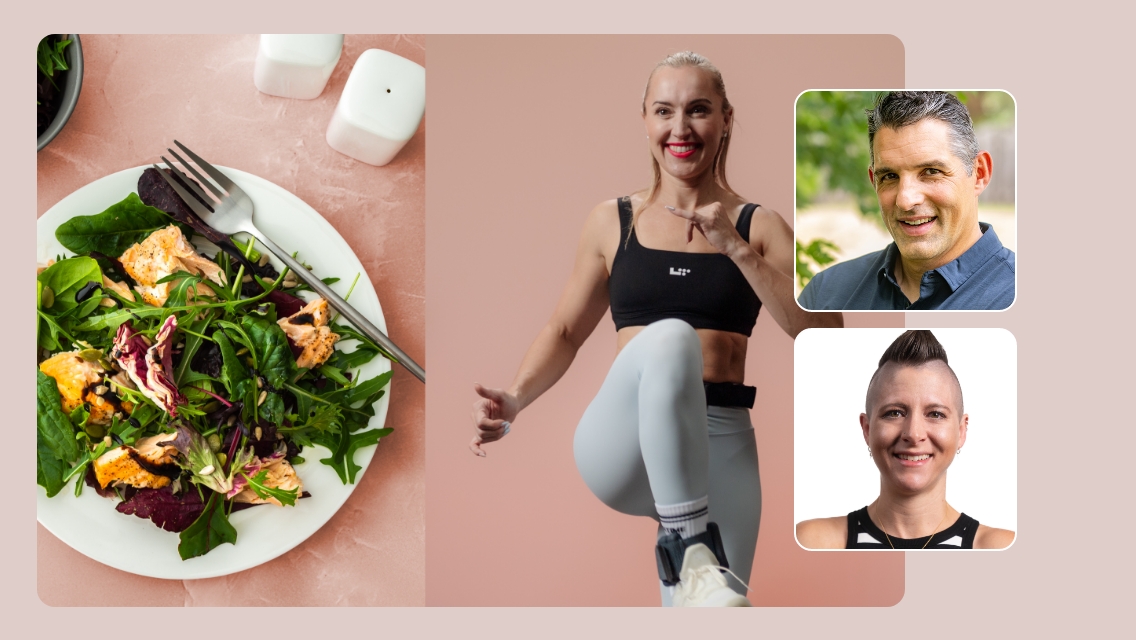
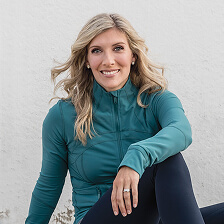

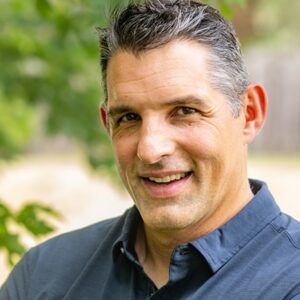
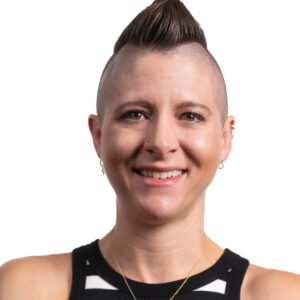
How do you train for a better quality of life? How can you make healthy eating easier? What health metrics are worth paying attention to — and how can they inform my plan? Life Time experts Jeff Rosga, CPT, and Julie Brown, RD, join us to answer some of the common fitness and nutrition questions they hear from clients.
Jeff Rosga has spent over 20 years at Life Time helping shape the way people train, learn, and lead. He’s developed some of Life Time’s most engaging programs — think heart-rate zone training, metabolic testing, and signature programming; he also founded the Life Time Academy.
As a multi-credentialed certified fitness professional, Jeff serves as the director of team member development and training lead for the Dynamic Personal Training division. He also serves on the NASM Strategic Advisory Board.
Julie Brown has been with Life Time since 2011 and has held a variety of club and corporate roles that stemmed from her background as a registered dietitian and holding a master’s in exercise science. She currently serves as a senior lead general for Life Time Edina at Southdale in the Twin Cities, while assisting other clubs in the Life Time Minnesota market. She also teaches signature group training classes and ARORA Cycle.
These are some of the most frequently asked questions from members to the Life Time team. Listen to the full episode to hear Rosga and Brown dive deeper into their answers.
- “As wearable technology continues to grow, how can we use all the data we have access to most effectively?” Our wearables keep us plugged in all day long, and it’s up to us to decide how much we want to let information guide our lives. Rather than thinking about what metrics are measurable, Rosga encourages considering which ones are meaningful. Once those are determined, you can take the data and apply it to what you do in your routine.
- “How can we make healthy eating less complicated?” It’s important to think about what’s practical for you to execute on a day-to-day basis, emphasizes Brown. There are a million different ways to approach meal planning: You have to choose what’s realistic for you and your schedule. From there, select the approach that consistently meets your needs and fits into your week.
- “What is the best way to approach fitness if your goal is quality of life?” Most people think of the ROI on the time value of money; Rosga encourages expanding that to the time value of the body: The investments you make for your body now will carry you through.
- “Are there ‘good’ and ‘bad’ foods?” Brown is a big believer that when it comes to creating balance, it’s about how much and how often. A food is only truly “bad” if it interacts poorly with your body, she says. That’s not to say, however, that there aren’t foods that are unhealthy. It’s less about looking at what’s “good” or “bad” and more about what feels healthy for you and what best fuels your body.
- “What is ‘soft clubbing’?” This is a trend with younger generations that are seeking environments for community centered on wellness. Instead of going to a bar or club, for example, they’re choosing to take a high-energy fitness class with others.
- “What are some accessible ways people can use AI applications to personalize their health and experiences?” AI is here to stay, it will continue to evolve, and it can help create efficiencies. What it can’t necessarily do, however, is effectively interpret data for a specific person and then inform or support their individual plan. It also can’t replicate or replace human connection.
- “What are some simple nutrition habits that can make a difference?” Brown offers three: 1) Figure out the best way to stay hydrated; 2) know where your next meal is coming from; and 3) be intentional about planning your weekly meals with your family and schedule in mind.
- “What are some simple fitness habits that can make a difference?” Rosga shares three: 1) Think “exercise equals activity” versus “exercise is an all-or-nothing pursuit”; 2) strength train at least two to three times per week, and more ideally three to four times; and 3) go for a walk daily.
- Ask the Trainers: Your Fitness Questions, Answered (Part Three) With Jeff Rosga, CPT, and Lindsay Ogden, CPT
- Ask the Trainers: Your Fitness Questions, Answered (Part Two) With Dynamic Personal Trainers Sean Toy and Joe Clark
- Ask the Trainers: Your Fitness Questions, Answered With Makoto Matsuo, CPT, and Sarah Pope, CPT
- Ask the Dietitians: Your Nutrition Questions, Answered (Part Two) With Anika Christ, RD, and Samantha McKinney, RD
- Ask the Dietitians: Your Nutrition Questions, Answered With Anika Christ, RD, and Samantha McKinney, RD
- Straight From the Coaches: Your Health and Fitness Questions, Answered With Samantha McKinney, RD, CPT, and Lindsay Ogden, CPT
Transcript: Ask the Experts: Your Fitness and Nutrition Questions, Answered
Jamie Martin
Welcome to Life Time Talks, I’m Jamie Martin.
David Freeman
And I’m David Freeman.
Jamie Martin
And in this episode, we are back with two experts from Life Time. They are answering some listener questions on fitness and nutrition. David?
David Freeman
Yes, two special guests. I’m going to kick it off with Jeff. Jeff Rosga has spent over 20 years in Life Time helping shape the way people train, learn and lead. He’s developed some of Life Time’s most engaging programs like heart rate training, metabolic testing, signature programming, and he’s also founded the Life Time Academy. He serves on the NASM Strategic Advisory Board. So whether he’s coaching, mentoring trainers or building program, Jeff’s all about helping people and teams perform at their best. His philosophy, train with attention, lead with care and remember, your attitude drives your energy. Who else do we have, Jamie?
Jamie Martin
Yes, back with us again. It’s been a while, Julie, but Julie Brown has been with Life Time since the fall of 2011, has held a variety of club and corporate roles that stem from her background as a registered dietitian, and she holds a master’s in exercise science. She currently serves as a senior lead general for Life Time Edina at Southdale in the Twin Cities, while also assisting the other clubs in the Twin Cities area and in the Minnesota market. On top of that full-time role, she teaches signature group training classes in ARORA Cycle.
Julia is a busy working mom of two who understands that living a healthy way of life doesn’t happen by accident. She is passionate about supporting others on their path toward leading their best life at Life Time and beyond. We’re so happy to have both of you. Thanks for being here.
Jeff Rosga
Thank you.
David Freeman
How are y’all feeling? mean, downtown Julie Brown, back in our first season you were on. Jeff, you’ve been on as well. Last season, so how have things been going since the last time we connected?
Julie Brown
I think we’ve all lived a few lifetimes. It’s been pretty awesome to see not only the evolution of the setup here, the production value of the podcast experience, but to know how many episodes you all have created and the impact that’s come from that since way back when in that first season. It’s very fun to see.
Jeff Rosga
We’re your fans!
Jamie Martin
Oh! You guys are our fans too. Yay.
Julie Brown
Avid listener. Avid listener.
David Freeman
I love it. So we’re gonna get right into it. Yes. All right. So the way we’ll do this is we’ll ping pong. So you’ll chime in as you see fit. Obviously I’ll kick off. She’ll reason out dance. I’m gonna kick off with you. So as it we look at wearable technology, I got things on right now that’s telling me things about myself. It continues to grow in this space. How we all use this data, how we can actually bring it into our everyday life to optimize our health. Let me know your thoughts there, Julie Brown.
Julie Brown
I got a watch on, it’s telling me data all day long. How much am I moving? Do I need to get up and move more? It’s keeping me pretty plugged in, not just to my health and wellness, but also to all the messaging that’s coming my way. So when it comes to wearables, I think we all have to decide how much information we want to guide our lives from a health perspective or a work life perspective or an availability perspective.
Is that additive for us, which it can be very much, or at what point does it tip into something that becomes a deterrent or a distractor for your life?
Jamie Martin
Yeah, absolutely. Jeff, how about you?
Jeff Rosga
It provides access. So when we think about it, there’s all this measurable data now that’s out there let’s think about different in kind of a different context. So rather than measurable metrics, how about meaningful metrics? So how do we start to take these inputs and then apply them as Julie alluded to to our everyday life? And then as it relates to exercise and or workouts, how do we start to take that data, apply it to also what we feel and how we feel that day and marry really that art and science together?
Jamie Martin
When you’re saying that, like are there some key ones, key metrics, we talk a lot about HRV or resting heart rate, like when you’re thinking about some of those most meaningful metrics that we can actually use on a daily basis, what would they be?
Jeff Rosga
So sleep, If you think just whether it’s a wearable tech or something that’s integrated into your bed, right? So quality of sleep, HRV, resting heart rate ⁓ is certainly another one from an indicator. And then when it comes to your workout, think heart rate response. How is that heart rate responding to the daily intensities. And I think it’s really important to understand to look at things in terms of trends versus just daily, because otherwise we can get consumed. And how do those things move over time and looking at trends versus just that one day output.
Jamie Martin
Yeah, absolutely. OK. All right. right. Julie, I’m going to come to you with this one first, How can we make eating healthy less complicated? That’s a broad question. And it’s individualized, probably, for people.
Julie Brown
We could spend a whole episode just on that and then probably do a part two. I think it really stems from people pulling back the curtain on their own lives and going, what is practical for us to execute on a day-to-day basis? There are, quite frankly, a million different data points, influencers, cookbooks, programs, things that we could all say, gosh, I wish I had time for those things. You’ve got to choose what’s realistic for you based on how you’re spending your week, what time you have to invest in you and your family, and create a consistent routine when it comes to the fluidity of your food, beverage, and nourishment.
It’s all about where it fits in your day, where you can schedule it into your week from a stance of procuring those items, whether you’re personally shopping for them or utilizing a resource or a program to bring those items to your home, and then how are they getting prepared and I have to say there is no shame in the game of strategically choosing things that cut out time for you as long as they’re healthy choices and they work for your family and your budget.
Jamie Martin
I still think back to the very first episode we did one of the tricks you talked about was like the frozen vegetable trick You know and it’s like there’s nothing wrong with the frozen veggies And if that’s a way for you to get that big serving of veggies in a day go for it start there So I think it can be simple or how do you simplify your life so it actually is feasible for you in the day to day?
Julie Brown
Couldn’t agree more. And I still very much do that. I use frozen vegetables in my own lunches on a weekly basis, because I can buy a protein that’s healthy, that’s easy to prepare myself or to heat. get, honestly, rice, a lot that’s already prepared and ready to go. And then a frozen vegetable. And I can make four meals for my lunches at work within 10 minutes or less, done in the fridge, ready to grab and go in the morning so I can get out of my house quick and efficiently without waking anybody else up which is really critical for me and how my life flows. So it’s all about working with yourself and your resources to figure out what works well for you to create ease.
Jamie Martin
Yep. Jeff, do you have any tricks for how your family eats healthy or makes it less complicated?
Jeff Rosga
Julie hit on a lot of them. mean, you have to A, find what works for you and your family, number one. Number two, there’s also, let’s not forget, taste. And what you enjoy and prefer to eat. And when you think of especially working with a number of clients over the years, I always made the analogy to an Olympic athlete. They come from all parts of the world. And they all eat different diets, right? And diets that work for some athletes, but they’re at the pinnacle of their game, right? And so recognize, is it healthy? Is it wholesome? Is it real food? And if you stay focused there, then find the things that you enjoy and that you’ll actually consume. And I think you’re on the right track.
Julie Brown
Agreed, and there’s a spectrum to how we eat, right? You might say, hey, I’m gonna purchase these things organic every time. I’m gonna prepare them from scratch. I’m gonna compromise a few of those points on these areas. So that way you can hold yourself accountable to your overall healthy way of eating approach without going so far in one direction that it feels unsustainable for your life.
Jamie Martin
Right. And that’s the key, the sustainability piece. Like how do I keep doing this over the long term? I don’t feel like I’m setting myself up for failure in this area. Yep, absolutely.
Jeff Rosga
Consistency is key.
David Freeman
Yeah, that’s a staple. Consistently, we talk about it a lot. I want to go to someone who’s been consistent in the health and fitness industry for 20 plus years. You’ve heard so many people sit across from you at a table and say, hey, I want to look better. I want to lose weight. I want to get stronger. When you think of all the years of being in this space, ultimately people want a better quality of life. So how do you help them to understand what that looks like as they’re sitting across from you? Because they want those things I just said. And sometimes it’s easily objective. I lost weight. Great. My body fat went down. Awesome. I got stronger. But the quality of life. Can you talk? Break that down for us.
Jeff Rosga
Yeah, I mean you hit on some of it David. It’s really peeling back and going, okay, what is, what does a healthy way of life look like to you? So define that for me. So let’s put, like I talked about, not just the metrics, but what’s meaningful. What does meaningful look like? Is it your kids? Is it your grandkids? Is it you don’t have a family yet? Is it an event? So it’s starting to break down some of the things that people are, hey, what are they motivated, A, to go do? And then B, what will they sustain?
Because if they don’t sustain it and they don’t maintain it, it just starts to go away. I use oftentimes with, most people understand time value of money, right? And they think of the ROI on time value of money. Well, I often say time value of body. So the investments you make now then will carry through. And then it’s about what that life journey looks like and that quality of life versus it’s a quantity. And what that is for a 25-year-old is certainly different than a 55-year-old. However, there’s still certain parallels, right? They want to look good, they want to feel good, they want to be able to move, they want to be able to be active. Some of those same principles apply. It’s just how you get there starts to change.
David Freeman
JB?
Julie Brown
I love that time value of body. think I might borrow that. That’s really clever. It’s very true. What you’re doing on the daily, we keep coming back to that word consistency, is really important. While it might be an event or a specific ⁓ moment or checkpoint in life that someone is gearing up for or utilizing that to be a catalyst, it’s really important the behaviors that they start to instill in their in their regular routine on a day-to-day, week-to-week basis. Do you need to be perfect every week of your 52 weeks a year? No. And I think it’s critical that what people are doing consistently over time, they understand the foundation that they build and the layers that continue to grow on top of that, that lead to the health outcomes that we hope for. It’s that wellness and longevity and not necessarily always going to be what we look like when we look in the mirror that we see, but we’ve put that energy and effort into building our wellness from the inside out and you’re going to feel better and function better and ultimately it’s going to help you make better choices because you know what that yields.
Jamie Martin
Yeah, absolutely. I was just thinking we had a conversation with a guest yesterday that is all about joy, right? And how does joy fit into that? I mean, it feels like we have to enjoy what we’re doing if we’re going to sustain and maintain what we’re doing and kind of feel just like this is purposeful or meaningful to me. Like, what’s your take on, you know, just the inclusion of joy in a fitness routine?
Julie Brown
I love being around other people who like to move their bodies and be fit. There is something incredibly magical about what happens when you’re in a Life Time working out around other people who are like-minded and challenging themselves to get better. Whether it’s in that moment or collectively as people are preparing for life or events, like it’s powerful. And that’s hard for people who haven’t experienced that to truly understand until they go, okay, that was it. I got it now. I understand why you get up every day and go there and do that.
Jeff Rosga
Well, we often talk about energy, right? So think about when something that you’re happy about or you’re joyful about, and what does that do to your energy?
Jamie Martin
It changes everything.
Jeff Rosga
Changes everything. So there has to be sort of that element of, well, if you don’t like to run, okay, let’s not run, right? Like it really is not, let’s not go there, but I like to lift weights or I like to row or I to ski or I’ll do different kinds of conditioning. Great. Or I really don’t like to lift weights. Well, okay, what about body weight? What about, like, can you take different approaches because there are certain things and frame it up in the regards to, hey, it’s about strength training. It’s about keeping your muscle mass. It’s about all these things that are going to lead to longevity. Don’t think about it as, I don’t like to lift weights. How can we change it? So we do find that excitement kind of joy.
Jamie Martin
Yep, absolutely within it. I laughed when you said running, because I had an experience last year where it’s like I was kind of running because I thought that’s something, it would be good for me. I’m going to do this race. And I was like halfway through the training. I’ve said this already. People are probably like, stop talking about running, Jamie. But I was like, I was miserable. But I still kind of pushed myself to do it. And now that I’m back in the strength training, it was in your and my episode where we’re talking about, when I’m strength training, I feel pure joy. I feel empowered. And I feel like there’s a whole other element. I’m a different person in that space than in the other way. I don’t feel like I have to do it. I get to go lift today, right? So that’s a different head space to show up with. Yeah.
Jeff Rosga
And if you show up with that and you lean in and that’s what motivates you and drives you, you’re well ahead.
Jamie Martin
Yeah. Right, exactly.
Julie Brown
You bring up a really interesting point because I think a lot of times pursuing a healthy way of life, think every decision has to be about figuring out what’s right for us. But it’s also equally important to figure out what isn’t the right fit for your life. you can go, yep, tried that, not for me. I can give somebody my opinion on it. I can share what it was like. But I know how I can fit that in and maybe how to navigate around that in the future when it comes up.
Jamie Martin
Exactly. Absolutely.
David Freeman
Human connection is what I heard from there as well. And when you think of that, it’s something that I speak about a lot. This morning, I had the opportunity to go into Alpha and get after it with some of my fellow teammates, right? And they were just saying, this is our first time doing Alpha strength. And in my head, I’m like, why was it the first time? And they were just saying what they thought it was the whole time without even trying it. And then it was a human connection element as I came because you were showing up.
Now you got to experience something that was the unknown, but more importantly, you shared it with another individual. And nine times out of ten, you’re more likely to come back and do it now. And I think from that human connection piece, that allows us to do more together and break through a lot of those barriers. So I heard that when we’re talking about joy, we talk about human connection and doing things that probably are the unknown. But then what you just said, JB, is, OK, now you have tried something. You can also know if that’s my thing or it’s not my thing. It’s not always going to be a Cinderella story. Some people probably won’t ever come back and do it again because they didn’t like the class. They didn’t like the format. Yeah. In that same vein, though, good food, bad food. And I talk about this all the time. I don’t like speaking in absolutes. But if you were to say, hey, these things are bad because it’s shown over time what it can do to your body and vice versa too, these things are good because this is what has yielded. So what would y’all say on that? I’ll start with you, JB.
Julie Brown
I mean, it feels silly to say, but food is an inanimate object for the most part, right? Except for when things are boiling over on a pot on the stove. But it doesn’t have feelings. It is not good, bad, evil, none of those things. I’m big believer that when it comes to creating balance and what each individual needs, it’s about how much and how often.
Food is only truly bad if it interacts poorly in your system, your body. Now, I’m not saying there aren’t unhealthy foods out there. That’s a totally different conversation. There are plenty of documented reasons why there’s a whole host of things that are not healthy for your body. But when we’re classifying good and bad, that can all, I think, be thrown out the window. And we can really focus on what feels healthy for us, what works for fueling our body, and what maybe leads us down a path that creates outcomes we’re not looking for. So that’s kind of how I approach it, taken to teaching my kids about it. I allow them to have a treat every day, but they know they get one and they get to pick it. And they’ll come home from school and they’ll be like, I had a dessert at school today. I can’t have a treat tonight. I have to have fruit. And I’m like, nailed it. Message received. And it’s just habits and behavior so that they understand how they can modulate that in their choices.
Jamie Martin
Right. I think there is something to, I mean, we talk about this all the time, quality matters too with all of our food. You know, it’s like looking, we’re hearing all the time right now about the ultraprocessed and hyperpalatable foods. I mean, what is the quality of that compared to some other things that you could have that would truly nourish your body or give you good nutrition? So I think it’s like thinking about quality over the good and bad is something I think about a lot. Like, what am I getting out of this really? Yeah.
David Freeman
Yeah, the feeling that you’re getting from it too. Like if you get that response that I had this thing that tasted great, but now I don’t feel good. Man, am I now going to compromise? I’m going to taste this again because it tastes so great, but now I’m feeling this way. You just got to weigh that out. And I think going through the experience is the only way you actually can now speak to it. So I agree as far as you sometimes got to experiment, understand how your body responds to things before you just say, absolutely, that’s not my thing.
Jamie Martin
Right. OK, this is a question that came in and I am looking at it going, I don’t know what this is. What is quote soft clubbing? What is this? Is this a social media thing? I should have I should have asked this ahead of time. I’m excited for it to be a surprise.
David Freeman
I’m hoping someone knows what it is. I’m thinking of the going to the club, but what we got.
Julie Brown
I mean, that’s what I was thinking. Unless you have a different take on it, I immediately, when I heard that question and kind of saw it on the potential question list, I was like, ooh, I immediately went to an AMP class in my brain. Like, I’m in class. I’m with people who want high energy. They want to sweat, move their body, like, kind of disassociate from their day and go to a totally different place where when you enter that space, you can
just be you. Move your body, vibe to the beat, and be around a bunch of other people doing that. And I say that because I took an AMP class last night and I did that exact. Of last night, my own club and I had a party with 40 other people and it was fabulous. So I highly recommend everybody’s own version of soft clubbing at our athletic country clubs.
Jeff Rosga
Absolutely. That’s so funny. It’s basically you think about it’s kind of a trend. So having older children, right? They, you know, I’ve started to see through some of their feeds and they talk about it. So in this younger generation, right? Mid twenties, late twenties, early thirties, they’re looking at alternative ways to seek out community and seek out. this whole kind of conversations is around soft clubbing, around wellness.
But it’s about community. It’s around connectivity. It’s around having fun. It’s around all the things that if you think of going clubbing, right, and then associating it with typically few cocktails, other things, they’re changing the paradigm where, as Julie talked about, it could be an AMP class. could be an alpha class. could be. But then they hang out. And then there’s a social interaction. take my daughter, who’s at the University of Northwestern, and goes to the Evanston Life Time. And she raves about going to the CTR. And then it’s kind of forming its own little community. Yet she’s a Division I lacrosse player at the university, but loves that community as well. she’s seeking there. And it’s interesting, even just as you would think what college is all about, The binge and all these. Well, she seeks out some of her teammates. They’re doing some of these alternative activities that they just lean into.
Jamie Martin
It’s the healthier spin on the traditional concept of clubbing. Reminds me when we talked about, we had Jen Veralle, who was on the podcast, talking about drinking and how there’s a lot of alternatives. They’re going to saunas together. They’re doing the cold plunging. They’re finding alternative ways to spend time together that are outside of traditional socializing in a bar or other places.
Jeff Rosga
And they’re talking about pop-up 5Ks with DJs. there’s all these, they’re turning events into parties, right? Whether it was, we had Life Time Games at the Target Center, right? And you had a DJ, and you had this energy and this vibe and all these things. Or some of the directions that 5Ks and 10Ks, it’s not just line up with the race director, go and come. They’re turning it into an event that people want to be part of.
Jamie Martin
Yeah.
David Freeman
When it comes to our children, we always talk about how they will teach us so much more than we’ll ever teach them. What have you learned as far as your own health and fitness journey since having the kids being implemented in your lives?
Jeff Rosga
Well and I’ve even got a grandkid.
David Freeman
Double down on it.
Jeff Rosga
Double down.
Yeah, because last time we were on, my little baby girl was just arriving. Yeah, so, and they’re about to have twins so there will be three under the age of [INAUDIBLE]. So there’ll be all kinds of chaos.
But you hit it, David. I mean, you learn and you gather so much relative to your kids. And it’s interesting how it translates to being in this space and training and exercise. Because you then really start to become in tune on how you adapt, especially if I believe, you know, seeing some of your social posts with your kids and they’re athletic and very involved and I know, you know, the accolades of your wife, which are amazing. So, you know, the expectation would be, hey, they’ll probably be pretty athletic children. And in my case, kind of the same that we have athletic kids. And then you start to really learn how you lean into finding the joy, finding like, hey, where are they motivated? are they excited about? Because then you can teach them the principles of just living a healthy way of life and being active. Because all of sudden now, hey, that’s about activity. And that’s about all the things that kind of come from being active and, hey, making a better choice. You went to practice or you went to after school workout or you went to a class or whatever it was and you didn’t feel very good. Well, what did you eat? What did you consume? So then they start to connect what nutrition looks like. So a lot of it, what I learned from kids is and my kids in particular, is just the experiential knowledge that then you can start to help guide them down this path that, you know, wellness is a journey, it’s not a destination, and you’re constantly navigating that.
Julie Brown
Jeff, you hit on something that I want to echo and build on is that our bodies give us a ton of feedback. And as adults, we learn to shut that off because we have places to go and people to see and things on our to-do list. it’s fascinating to see my own kids and the feed, like watching them here, see the feedback in real time from their own bodies. My five-year-old would be like laying on the couch at night, we’ll be watching TV after dinner and sort of like, I’m tired.
I’m ready to go to bed and I’m like, it is almost time for bed. She can’t read the clock yet. She’s just receiving the messaging that her body is telling her that it’s time to go to bed. I can’t tell you the last time that I thought that before my eyelids were already down. I should probably go to bed, right? Because we’re doing a million things. But that, and then also, even when they’re eating, both of my kids will be like, I’m done. If I keep eating that, I’m not gonna feel good. They’re learning those cues, whether from going too far and experiencing what you were talking about, that didn’t make me feel good, to learning to make a different choice from that. And I think there’s something incredibly valuable that we can learn from that being reflected back at us, because our lives often dictate that we do different than that.
Jamie Martin
We kind of ignore the cues that our body is giving us more often than not, think. Yep, that is one thing we can watch them for, for sure. All right. We’re going go back to food for a second. It’s kind of similar to the good and bad foods question. But how do you approach food quote rules or non-negotiables? Either of you, jump in.
Julie Brown
I feel like if you open any form of social media, you’ll find somebody else’s perspective on what you should and shouldn’t be doing. And I think before you start taking in all of that data from other people, you’ve got to have that internal conversation with yourself. And for me, kind of growing up with wanting to be healthy and making these choices and then choosing a profession around it, it feels very natural. And I acknowledge that that’s not normative for so many people. How much water do I need every day to make myself feel good?
How do I get a water bottle that I actually enjoy carrying with me every day that I want to use to hydrate myself? As silly as that sounds, if you don’t have a water bottle, you’re not going to drink enough water. So going into it at a granular level and saying, OK, when I get this much sleep, I feel great. When I eat this much protein, I feel great. When I plan to ensure that I have at least two meals a day that have colorful vegetables, fruits, produce present.
I know I feel better. But once you get beyond three, four, maybe five things, then you reach a tipping point for most people. Again, we talked and alluded to Olympic athletes, people playing at a professional or semi-professional level. The overwhelming majority of us are not that population. So how do we live a real life? Choose simple things. Focus on hydration, focus on getting enough protein. And if you get enough rest to complement that, you’re probably going to be OK.
Jamie Martin
Yeah.
David Freeman
Going back to technology, we just know the upswing of AI and the utilization of it. When it comes to optimizing life, health, and wellness as a whole, what value have you seen in that space? And what would you recommend for those who are starting to dabble in it, how to go about it?
Jeff Rosga
AI is really interesting. It’s here to stay. It’s going to continue to evolve. It’s going to be as smart or smarter than any of us in the room collaboratively. But what it can’t do yet is it’s not interpretive.
So how do we take, like we were talking about earlier, thinking all this wearable data metric, well, people want to know, how do I interpret it? What do I do with it? Where do I go with it? And so there’s still this fundamental piece that exists where people, and the importance of individuals and the brain and the mind is just, how do I interpret that? How do I connect it to that person?
Because there’s still just that innate us four sitting around the table, the energy of us for being present. There’s just nothing that can replace that. How you can leverage AI is an amazing tool to create efficiency. So it can create efficiency. It can maximize your time. It can help organize thoughts. It can help organize ideas. It can help organize. And it can serve as this excellent assistant. But then if you don’t lean in and interpret that information and data or help people, especially as it relates to fitness. It’s just like social media and what that’s become. When you think of, there’s every guru and there’s every Julie hit on it, right? This food’s bad by one person, it’s great by another, and you need this protein, not that protein, or you need this carbohydrate, not that carbohydrate. Well, part of it is also, okay, what works for us? Where are we out on that spectrum? then leveraging technology to provide input, but not necessarily just take the output.
Jamie Martin
Yeah. Take it with a grain of salt. Yeah, right.
David Freeman
Good stuff.
Julie Brown
What he said.
[LAUGHTER]
Julie Brown
I don’t know that I can add anything that’s going to really top that, but it’s spot on to make sure you’re not over utilizing it. I think the human connection piece is really critical. Again, wearable technology gives us so much information. We literally have the world in the palm of our hand all day long. It’s up to us to decide how to use that power impactfully for ourselves and to start to recognize when it tips over into a space where it becomes not successful.
Jamie Martin
Yep, absolutely. I think it’s to you. No, is it to me? It’s to me. Oh, I thought I asked that question.
David Freeman
Let me take another one. So when it comes to what we can do when it comes to fitness or nutrition, simple habits. All right. So I’ll do nutrition for you, fitness for you. Okay. Simple habits for our listeners to implement. You can give them three.
Julie Brown
Figure out the best way to get your hydration in. For me, I start every day with tea and that means I get my kettle on the stove before I go to bed at night. So all I have to do is walk out, turn it on in the morning. Some people do that with a device on their countertop, but like I start my day with tea every day so I’m warm in the car, cause you know, it’s a little cold right now. But that’s one thing, same thing with water. Do I have my water bottle ready to go? Is it the temperature I prefer? Do I have my ice in there? So there’s no reason not to.
So figure out hydration components. When I leave my house in the morning, I have probably 80 % of all the fluids that I’m going to consume with me or in a container that I’m going to refill. So again, that probably sounds a little outlandish for most people, but have the container, the device you need to make sure that your beverage of choice is rarely outside of an arm’s reach away. Yep. Really critical.
I would say know where your next meal is coming from. That’s probably the most simplistic way that I can put that. Your food is only going to be as helpful as your planning is, you know, if you’re not preparing. You’re fail, all those fun things. So if you’re not bringing your breakfast with you or your post-workout shake, where’s it coming from? How are you getting it? Don’t leave it up to chance. Well, I think I’ll have time to swing by plan that time in or don’t leave it to chance, bring it with you. Whether you’re picking that up in the live cafe or you’re putting your LTH products in the shaker bottle dry and hydrating them at the club, that’s what I personally do. Figure out your plan, make sure it’s going. Same thing with your lunch and your dinner. Because if you’re like, we’ll figure it out, that’s when you end up in the drive-through or somewhere else that maybe isn’t gonna yield the desired outcome.
And then I think ensuring that when it comes to your food choices, you plan out as many of your meals with your family. I know whether it’s you, a partner, spouse, maybe it’s your kids getting involved. What are you doing throughout the week and how are you gonna reverse engineer that to make sure you’ve grocery shopped? Chosen the right foods that you either A, have time to prep, right? Because chopping, cutting, all of the time. That can be an activity with your family, but if you don’t have time that broccoli is going to go bad in your produce drawer. I promise you, it will become your kid’s science experiment if you don’t have a purpose for it. So making sure that you plan the grocery shopping, you plan your list pretty intentionally, and you know what you’re gonna do with those items. Because if you don’t have all of that set up for you, that’s gonna be very challenging. And also, as we’ve talked about, we have families. know, a Monday night might not be a Tuesday night, might not be a Friday night.
We live lives that dictate we’re probably going to occasionally pick up food on the go, eat out, do things that are entertaining. So plan that into your week so that you’re budgeting for that and you have intentionality around how you’re integrating the value of nutrition into your entertainment and into your family or personal time.
David Freeman
So we had hydration, make sure you know where your next meal is coming from and intentionality behind planning with family and just being intentional to be present in that moment. Love that. Love that. All right. So three fitness tips that help support people in this space.
Jeff Rosga
Well, one is I think most people think of exercise as an all or nothing sort of proposition. I like to think of it as exercise equals activity. So whatever those activities are that you can get to, and it might mean like, I think you guys said you have six guests today. It could be 15 pushups in between a guest. That’s activity. That’s actually exercise and it’s actually strength training. And most people are often they blend those. They think, if I didn’t get to the gym, or I didn’t get to my basement workout, or on my bike, or whatever it was that I didn’t. No, you have to change the paradigm. Exercise equals activity. And then how do you put that together?
The other, to keep it really simple, is making sure, hey, strength training’s key. It’s so important. You have to strength train for bone health, for muscle health, for overall health and longevity, for postural health, function, all those things. So at least two to three times a week at a minimum, three to four is better. Now, recognize, let’s come back, exercise equals activity. So it doesn’t mean you have to go and lift a bunch of heavy weights. It could be body weight. It could be you’re at one of your kids’ sporting events and you’re doing lunges, 15 of them on the sidelines.
Anything that just creates kind of a muscle stimulus in essence is some element of strength training in what you’re doing. if I think of exercise equals activity, I think of the importance of strength training. And then making sure you’re getting the last is at least a walk or if you don’t, as Jamie alluded to, run.
But getting out and getting activity, a walk is just as beneficial. And if you’re on this whole, well, if you think it was rocking, but now they’ve turned it into fashionable way to vest. Talked about that. Sure. And if you have the ability, it could just be, if you don’t have the way to vest, maybe it’s just a backpack. Yeah. Yeah. And go for a walk. And all of a sudden, now you’re changing that paradigm. But once again, it’s just back to activity. Lean into things that you’re going to do, but move your body.
Jamie Martin
Yep, absolutely. It’s funny that you even say that because we were talking to Gunnar Petersen joined us and he was talking about like, at the very minimum, throw that vest on and do some chores around the house. Like that’s something right and then kind of if you can you extend it from there. But I mean, it’s just interesting, I did a whole day of this past fall, I threw my weighted vest on and I did a whole day of like raking leaves and it was just that kind of added benefit of it. So it’s just it’s cumulative as the more you do those things. So and
Jeff Rosga
I think it’s really important to conclude that recognize those as a win, meaning mentally. As most people acknowledge it. We just had snow here in Minnesota. We had to go shovel. Well, I acknowledge that was a thing, right? Where normally I’d be, I didn’t get my workout in today. Well actually, I did, you’re in that mental space that you’re actually accomplishing something and you’re actually doing something that’s good for your body than just sitting either A, on your phone, or B, behind a computer, or whatever.
Jamie Martin
Which the sedentary-ness in our nation is very real, the rate of that.
David Freeman
You said it too, it’s like that all or nothing mentality. So if I didn’t do the 30 minutes, didn’t do anything today versus doing push-ups in between sets or something that simple. going back to intentionality, knowing the why behind it and understanding how getting your body moving is health and wellness. I like that.
Jamie Martin
Okay, so we’re kind of getting ready to wrap things up here. Are there any questions that you get frequently that you want to make sure that we address? mean, know probably different, you’re experts in your own right. You also get lots of club questions and you know, things there, but any common questions you’re like, I can’t believe how often I get asked this that you can think of off the top of your head.
Julie Brown
You’ve had whole episodes about this, but how do I get enough protein? I know we don’t want to need to go crazy on a rabbit hole here, but if you can build each of your food or nourishing events in the day around a source of protein, the likelihood that you’re going to win when you move towards living a healthy way of life, meeting any type of fitness or wellness goal goes up exponentially. So what is that protein source that works for you and then building the rest of your meal around it so that ideally you’re getting that one gram of protein per pound of ideal body weight per day. It’s gonna be a lot easier if you’re constantly thinking about where’s my protein, where’s my protein, where’s my protein.
Jamie Martin
Yep. How about you, Jeff?
Jeff Rosga
I always get the, hey, what’s the best program?
Julie Brown
Oh lord, where do we start.
[LAUGHTER]
Jeff Rosga
The one that you you’ll. do? Right, and then, you know, I think it’s anywhere that you can stay connected and consistent when I get that question and then incorporate the basics, right? So if it’s whether it’s going to a class because then you have community accountability that comes into play or but just, hey, what are you doing? Are you lifting some heavy things? Are you moving some weight? What are you doing?
Are you doing anything from a conditioning standpoint? It can jump rope, a burpee, run, bike. I mean, it can be anything, but anything that kind of elevates your heart rate. And then what are you doing to recover? You know, whether it’s a sauna, whether it’s cold plunge, whether it’s, you know, Normatec boots, there’s all these recovery mechanisms incorporating those, or it could be yoga, could be, you know, there’s all kinds of things you can lean into, but it’s really about when you get that question, hey, what’s the best program? It all comes back to the one that you’ll do, number one, but then just incorporate those fundamentals in it throughout the week and you’re on the right track.
Julie Brown
Yep.
Jamie Martin
All right.
David Freeman
Mic drop moment time, are y’all ready?
Julie Brown
I’ve been waiting for this. I’m a little nervous.
David Freeman
Don’t be nervous
Julie Brown
I listen to these all the time, David. And I’m just . . .
David Freeman
Okay, so here we go. Have y’all seen Wicked yet or no?
Julie Brown
Yeah.
Jeff Rosga
I have not. My daughters have.
David Freeman
But you know the premise?
Jeff Rosga
Oh yeah.
David Freeman
Alright, so you all, you both have your magic wand right now.
Jamie Martin (39:42)
Glinda? Glinda and Elphaba.
Julie Brown
Use your power for good.
David Freeman
So with your magic wand, if you could change something within the health and fitness industry to elevate it for it to be better, what would it be and why?
Julie Brown
I think, and the industry started to go this way, I think I would remove everybody’s desire for this to all be about aesthetics. I think it’s wonderful when you look in the mirror and you’re like, feel powerful. I feel strong. I feel healthy. That is a very different way of viewing yourself and others than how many of us grew up hearing about what healthy should look like. So I think that would probably be the biggest thing and that feels really aggressive to say. that feels like the thing that I would want to change the most for so many of my peers, people out in the world and really for our kids.
David Freeman
Jeff?
Jeff Rosga
Wow, the magic wand, huh? There it is. Mine would be healthy eating be more accessible. And it’s simply some of the things that Julie talked about, like that we could instill with our younger kids, right? Not making the things they shouldn’t be consuming so accessible and the things that they should more accessible. Especially coaching and coaching kids, know, they’ll go for the energy drink or soda over an apple. Any day. Any day of the week, right? Yep. And so how can we start to shift? If I could wave that magic wand and rewind time, right, when it was all, when the industrialization of food wasn’t a possibility, how could we make that change?
Jamie Martin
Yep. Oh yeah, here we go. Do you have one? What would you do? Now you’re going to ask me back and I’m going to have a really terrible answer probably.
David Freeman
The relationship to movement. I think people have their fixations on what they believe it is based off of what they’ve seen or heard. building a relationship with movement, coming from an athletic background, it’s been part of my life. But for those who did not have access to or were not privileged to probably get into those areas of sports or whatever it would have been, it’s just positive relationship to movement.
You gave perfect examples. Just get out and walk. Just get out and move. So if people just could get excited about moving and having a stronger relationship, a positive relationship to movement. That’s what I would say. And now . . .
Jamie Martin
Now it’s my turn. know. Well, I’m going to bring it back to kind of my history with Life Time and Experience Life. You know, I think one of the things that I learned early on is like when you understand how your body works you wanna take care of it, right? And we have this one body, right? To your point of, how did you say it? Time value body, right? So I think it’s, to me, it’s like I could wave that magic wand. It’s similar to yours, Julie, like that is like less about the aesthetic, more about like, let’s understand why it matters to care for these things that are ours and like empower people with knowledge so that they’re inspired to take the actions and live those healthy way of life principles every day. So that’s what I got.
David Freeman
Good, I mean, we might come out with Wicked 3 and all those things.
Jamie Martin
Wicked three, the Life Time version. Life Time version of it. like that. Yeah. Awesome. Well, it’s so good to have you both back. Thank you for being here. We want our listeners to know where they can find you. So Jeff, you’re at jrosga@lt.life. Are you on socials at all?
Jeff Rosga
A little bit. It’s more personal stuff.
Jamie Martin
Okay. We’ll focus on that. jrosga@lt.life. And Julie Brown, you’re at juliebrownrd on Instagram. Anywhere else you want to point people?
Julie Brown
No, that’s the best spot. I can’t tell you that I’m sharing all this really fantastic content, but if you want to know what my kids are doing or what’s going on at my club, I’ve got you covered. So you might actually see some of that soft clubbing vibe come through there. We lots of fun events and things that are going on around the Twin Cities market.
Jamie Martin
Well, you guys are both great. Thank you so much for being back on with us.
David Freeman
Pleasure having y’all on.
Julie Brown
Thanks for having us.
Jeff Rosga
Thank you.
More like this
Talks — S7, EP8 / Ask the Trainers: Your Fitness Questions, Answered
What’s the right exercise routine for me? How often should I be working out? How can I make progress when I’m starved for time? Life Time trainers Makoto Matsuo, CPT, and Sarah Pope, CPT, join us to answer a few of the most common fitness questions they hear from members.

We’d Love to Hear From You
Have thoughts you’d like to share or topic ideas for future episodes? Email us at lttalks@lt.life.
The information in this podcast is intended to provide broad understanding and knowledge of healthcare topics. This information is for educational purposes only and should not be considered complete and should not be used in place of advice from your physician or healthcare provider. We recommend you consult your physician or healthcare professional before beginning or altering your personal exercise, diet or supplementation program.
Life Time provides administrative, non-clinical support to MIORA as well as services and amenities related to general wellness and fitness; Life Time does not provide medical advice, diagnosis, treatment or care.
Advertisement