



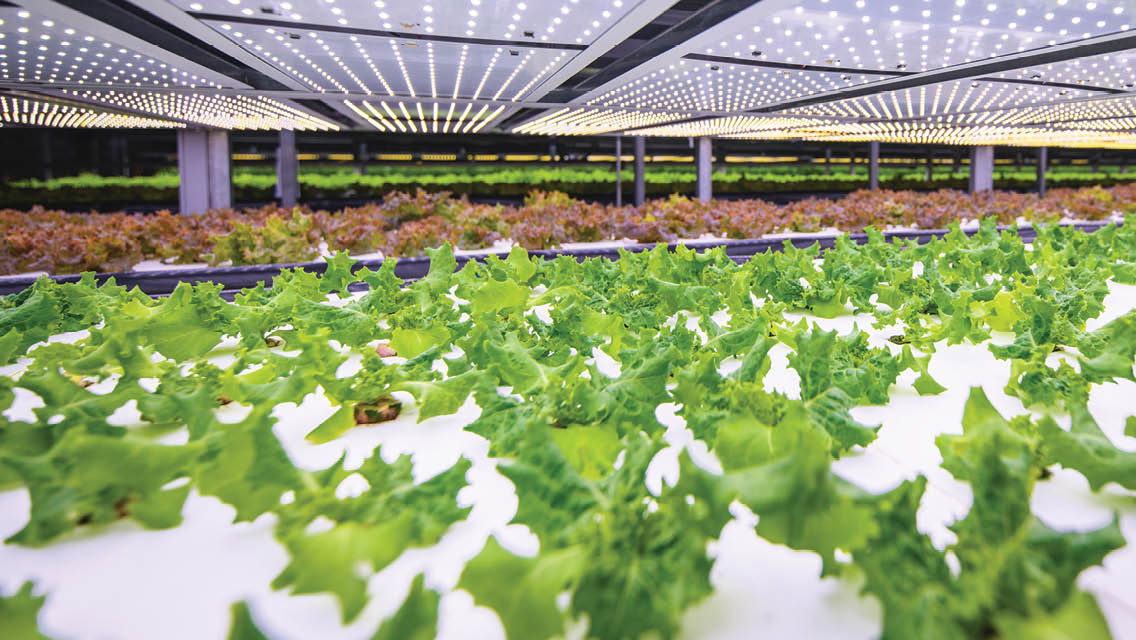
Happily, an immune-supportive diet shares many features with a climate-friendly one: They’re both plant-heavy and diverse, with an emphasis on local, seasonal, sustainably produced foods. “A climate-friendly diet involves foods that have a lower environmental footprint, use fewer resources, create fewer greenhouse-gas emissions, and help build health back into the ecosystem,” says integrative nutritionist Mary Purdy, MS, RDN.
Growing plants requires fewer resources, including land and water, than raising farm animals. Red meat and dairy are the biggest culprits in terms of greenhouse-gas emissions, Purdy says.
Meat eaters can make environmentally sound choices by emphasizing lower-impact animal-protein sources — eggs, chicken, fish — in addition to upping their quantity of plants.
Opting for regeneratively raised meat can also have a net benefit for soil health, because these systems incorporate animals into farming practices in a symbiotic way. (Find out more about regenerative farming at “Can Regenerative Agriculture Save Us?“)
Variety is also key. “The more diverse a diet is, the more we’re supporting biodiversity, which is what creates more resilience in the face of climate change,” Purdy notes. “When we’re faced with drought, floods, or extreme weather patterns, our food system is more resilient if there are numerous crops being grown, numerous microorganisms in the soil, and numerous plants and animals in existence.”
The variety of foods we consume also has a direct impact on the ecosystem of the gut microbiome, she notes. “A more diverse gut microbiome has been correlated with health benefits, a more resilient immune system, and a better ability to digest and absorb nutrients.”
This was excerpted from “How Climate Change Affects Your Health — and How to Build Resilience” which was published in Experience Life magazine.





Comments (0)