



Skip to content

Get Experience Life delivered to your door

Experience Life
Delivered every two months

Real Health. No Hype.

More than 600,000 subscribers trust us to keep them informed, inspired, and authentically healthy. Join them.

How Effective Is CBD for Pain?

Instead of using NSAIDs like Advil or Aleve, many people are starting to use anti-inflammatory CBD to treat pain.

Illustration person with pain or anxiety

Jason Ballweber, 39, suffered from back pain for most of his life due to a herniated disc and arthritis in his vertebrae. For years, he took the maximum daily dose (and sometimes more) of over-the-counter pain relievers. He recently began using CBD as a topical cream, which helped so much that he found himself going days without needing to pop an NSAID. Now he takes 10 mg of CBD daily in gummy form, supplementing with the cream on bad pain days. “I rarely take Advil or Aleve now,” he reports. “My pain is much more manageable.”

CBD relieves pain through several mechanisms. “CBD is a powerful anti-inflammatory compound,” says Ivker, “and most chronic pain conditions involve some degree of inflammation.” It also reduces anxiety, and because stress has been shown to increase the subjective experience of pain, CBD’s antianxiety properties can also help it function as an analgesic, he adds. “CBD has a multipronged effect on inflammation, pain, anxiety, and sleep, and for relaxing tight muscles to increase blood flow.”

Studies suggest that CBD may also help alleviate opioid-withdrawal symptoms and decrease the risk of relapse. “People say that cannabis is a gateway drug,” says Rountree, “but it’s actually more of an exit drug. There’s huge potential for it to help people exit from opioid addiction, while taking the edge off their pain.”

This originally appeared in “Understanding CBD” in the July/August 2019 print issue of Experience Life.
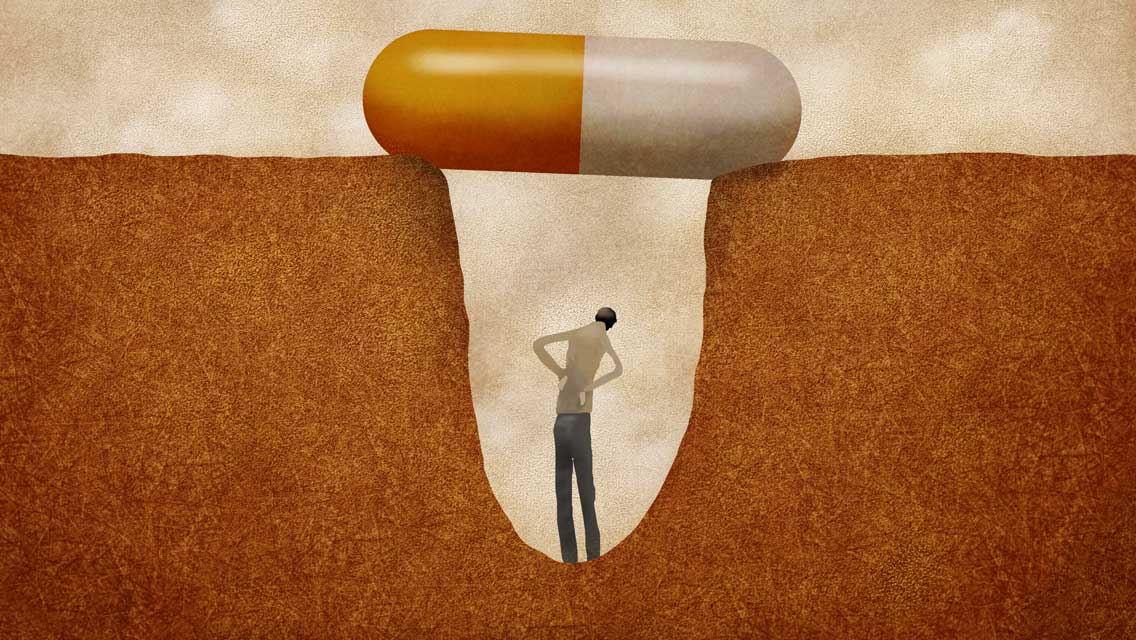
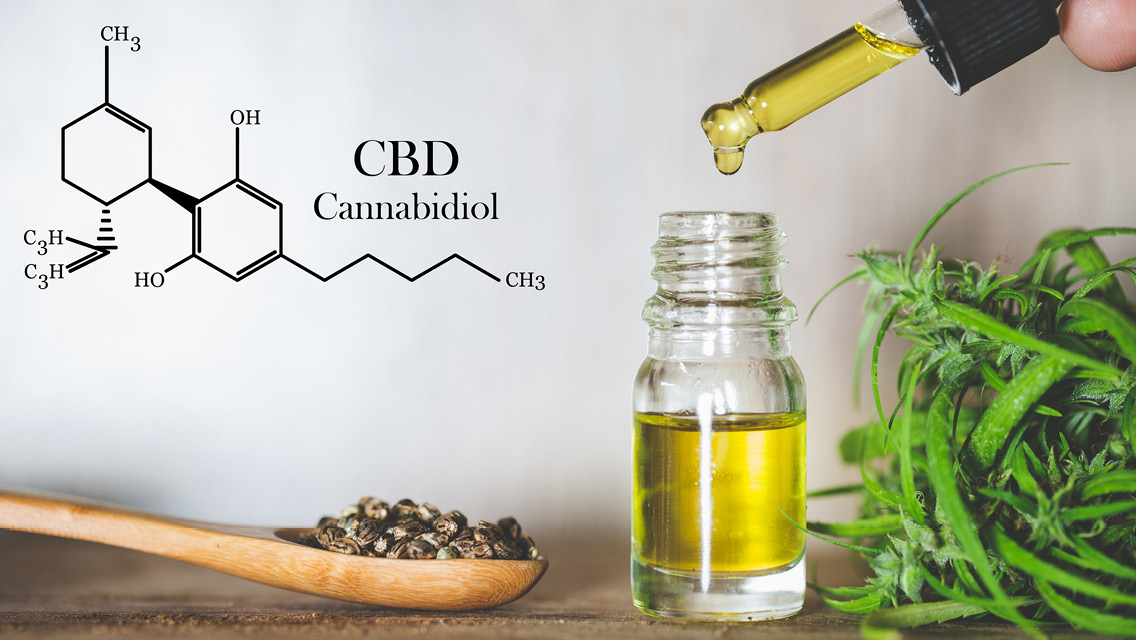
Illustration by: Alex Williamson
Share

Discover more from Life Time

Jason Ballweber, 39, suffered from back pain for most of his life due to a herniated disc and arthritis in his vertebrae. For years, he took the maximum daily dose (and sometimes more) of over-the-counter pain relievers. He recently began using CBD as a topical cream, which helped so much that he found himself going days without needing to pop an NSAID. Now he takes 10 mg of CBD daily in gummy form, supplementing with the cream on bad pain days. “I rarely take Advil or Aleve now,” he reports. “My pain is much more manageable.”

CBD relieves pain through several mechanisms. “CBD is a powerful anti-inflammatory compound,” says Ivker, “and most chronic pain conditions involve some degree of inflammation.” It also reduces anxiety, and because stress has been shown to increase the subjective experience of pain, CBD’s antianxiety properties can also help it function as an analgesic, he adds. “CBD has a multipronged effect on inflammation, pain, anxiety, and sleep, and for relaxing tight muscles to increase blood flow.”

Studies suggest that CBD may also help alleviate opioid-withdrawal symptoms and decrease the risk of relapse. “People say that cannabis is a gateway drug,” says Rountree, “but it’s actually more of an exit drug. There’s huge potential for it to help people exit from opioid addiction, while taking the edge off their pain.”

This originally appeared in “Understanding CBD” in the July/August 2019 print issue of Experience Life.

More like this

Share a thought

0 Comments

Comments (0)

Leave a Reply

Your email address will not be published. Required fields are marked *

Keep the conversation going

Leave a comment, ask a question, or see what others are talking about in the Life Time Health Facebook group.

Facebook Group

Advertisement

Back To Top