




Every cell in the body contains protein. The macronutrient is composed of amino acids and plays many roles, from providing tissue structure to supporting metabolism. In your muscles, in particular, protein primarily repairs cells and creates new ones, which are vital for maintaining and building muscle tissue.
The proteins inside your muscle cells are in constant flux. Activities like resistance training damage the cells, which then gobble up protein. With your muscle protein stores ebbing, your body must synthesize more — a process known as muscle protein synthesis. Eating enough protein ensures you have a steady supply of this nutrient ready when you need it. (Wondering what the recommended intake of protein looks like for your meals? Learn more at “Here’s What 30 Grams of Protein Looks Like.”)
Things get tricky when you’re considering how much protein to include in your diet. Many sports nutrition and aging experts believe the current recommended daily allowance (RDA) of 0.36 grams per pound of body weight per day is the bare minimum — and that it’s too low for active people, as well as middle-aged and older adults.
“As we get older, we actually need more protein than people think and more than we may have needed when we were younger,” says sports nutritionist and strength coach Steph Gaudreau, CISSN, NASM-CPT. This is because age-related changes make our muscles more resistant to growth, so that extra protein is necessary to spur muscle protein synthesis.
Your exact protein needs may vary, but the International Society of Sports Nutrition and National Academy of Sports Medicine recommend 0.6 to 0.9 grams of protein per pound of body weight per day — 96 to 144 grams of protein daily for a 160-pound person — to support muscle growth at any age. For older people in particular, some research suggests that sufficient protein intake may also prevent sarcopenia, the loss of muscle associated with aging.
(Learn more about the power of protein at “Protein Power: What You Need to Know.”)
Tips to Optimize Your Protein Intake
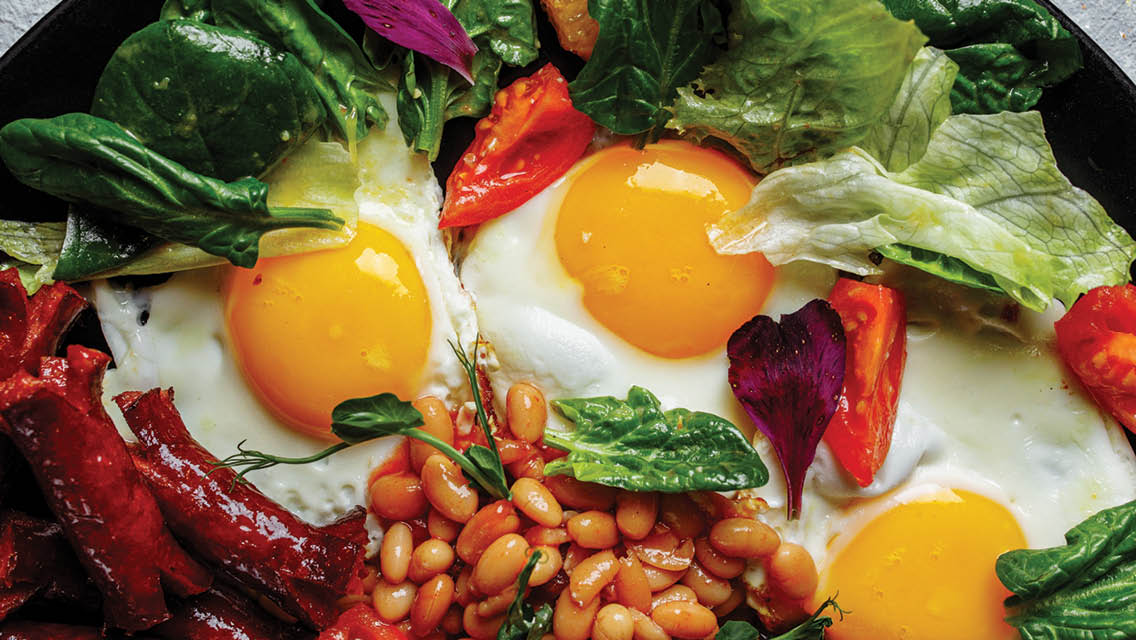
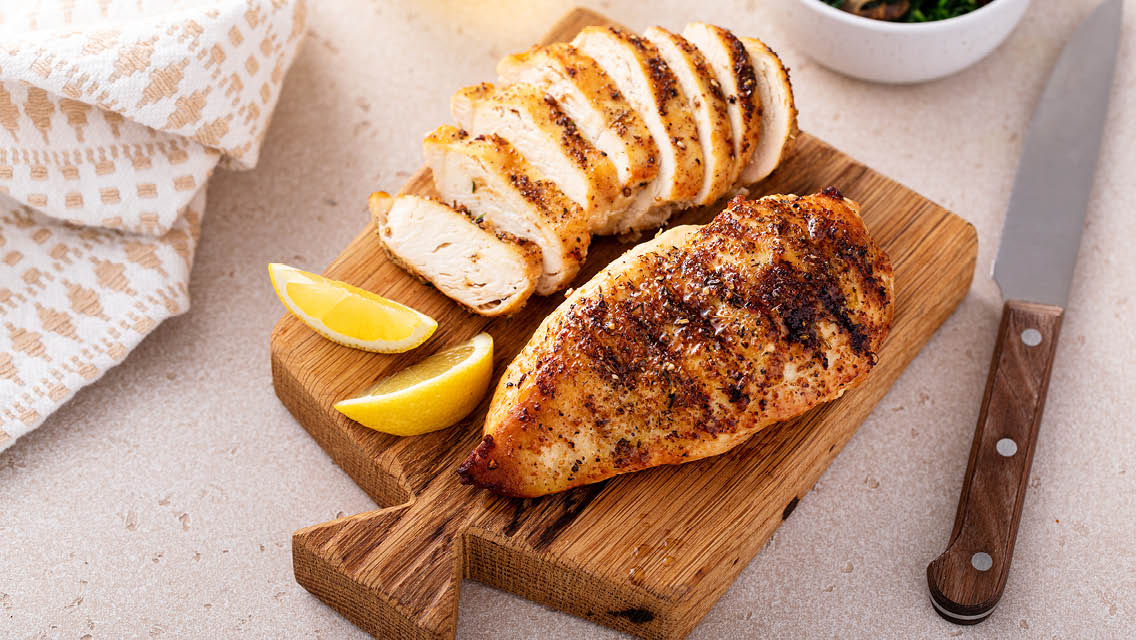
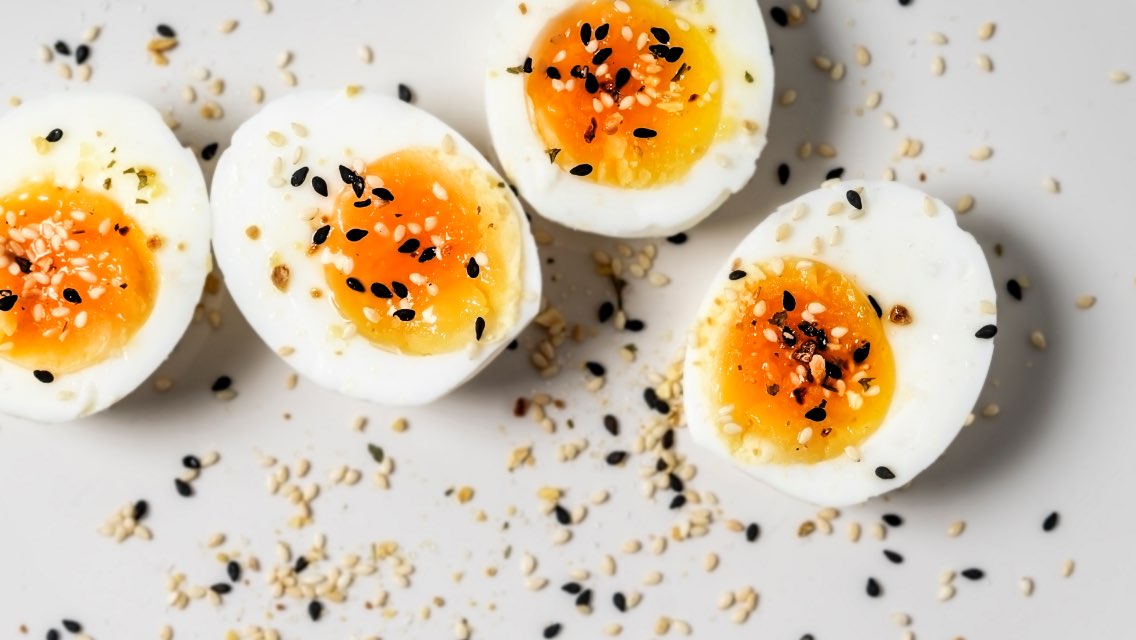
- Animal proteins, like poultry, beef, dairy, eggs, and fish and seafood, offer more bang for your buck than plant-based sources: You don’t have to eat as much to get the protein you need, Koszyk says.
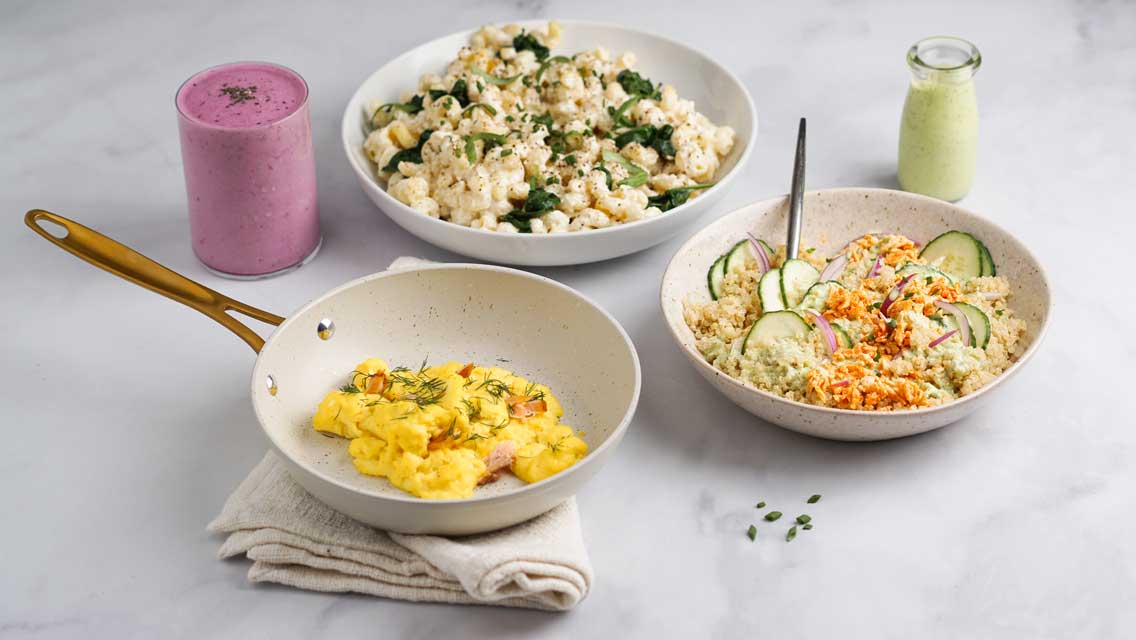
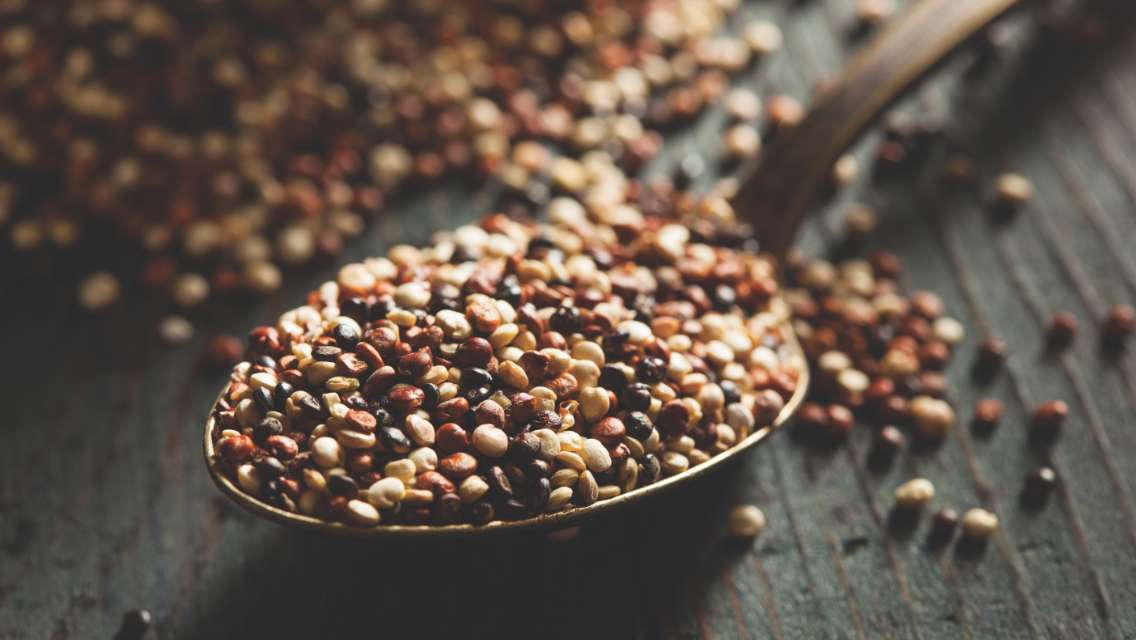
- Plant-based foods — think soy, lentils, quinoa, beans, nuts and seeds, leafy greens, broccoli, and potatoes — also provide protein. Vegans and vegetarians must be more intentional about eating a variety of foods to ensure they’re getting enough. (Learn how to get enough protein from a plant-based diet at “How to Get Enough Protein From a Plant-Based Diet.”)
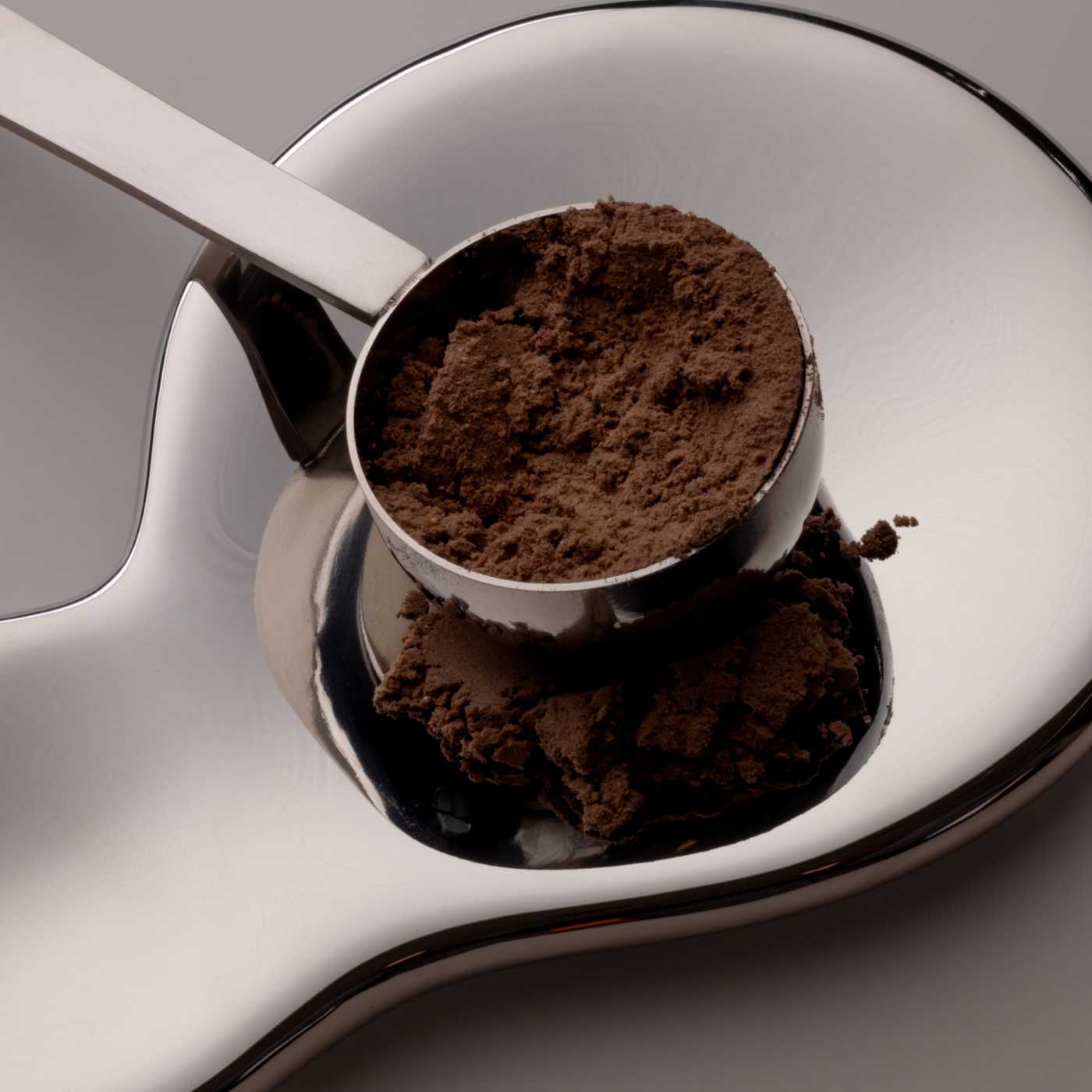
- Supplements can help you reach your daily protein goal, especially if — as with active people and elderly adults — your needs are higher and you struggle to get enough from your diet. Supplements made of whey, a milk byproduct, are a great option because they offer an amino acid composition similar to that of muscles.
- People who are lactose intolerant or follow a vegan diet may opt for supplements that contain multiple sources of protein, including peas, seeds, and rice.
(For tips on incorporating protein powder into your diet beyond shakes and smoothies, visit “10 Genius Ways to Use Protein Powder.”)



Comments (0)