




We tend to think about protein solely as a muscle-building tool, and that’s certainly a priority for the aging body. It’s key to preventing sarcopenia — the loss of lean muscle mass as we grow older.
But proteins are more versatile than we think. “Proteins are the master regulators of all that is happening in your body, controlling function in all tissues and organs, including muscle,” explains Gabrielle Lyon, DO, in her book Forever Strong. “They include enzymes — a class of proteins that catalyze all the chemical reactions within the body. Proteins also support energy production and cell-to-cell communication.”
Yet most of us — especially seniors — don’t consume nearly as much protein as we need for optimal health.
A 2020 study found that as many as 30 percent of older Americans don’t meet the recommended dietary allowance of protein (0.36 grams per pound of body weight), and as many as 76 percent fall short of the more optimal goal of 0.54 grams per pound of body weight.
Skimping on protein forces the body to protect its most vital organs at the expense of muscle.
“A body trying to make do with a low-protein diet will prioritize the survival of the liver, heart, brain, kidney, and gastrointestinal tract,” Lyon explains. “Eating only enough protein to fuel these essential functions will leave your body lacking sufficient amino-acid supply to support skeletal-muscle growth and repair.”
Animal products are the best source of protein, she argues, citing their balanced amino-acid profiles and nutrient density. “Moreover, their core nutrients are more bioavailable relative to plant foods.”
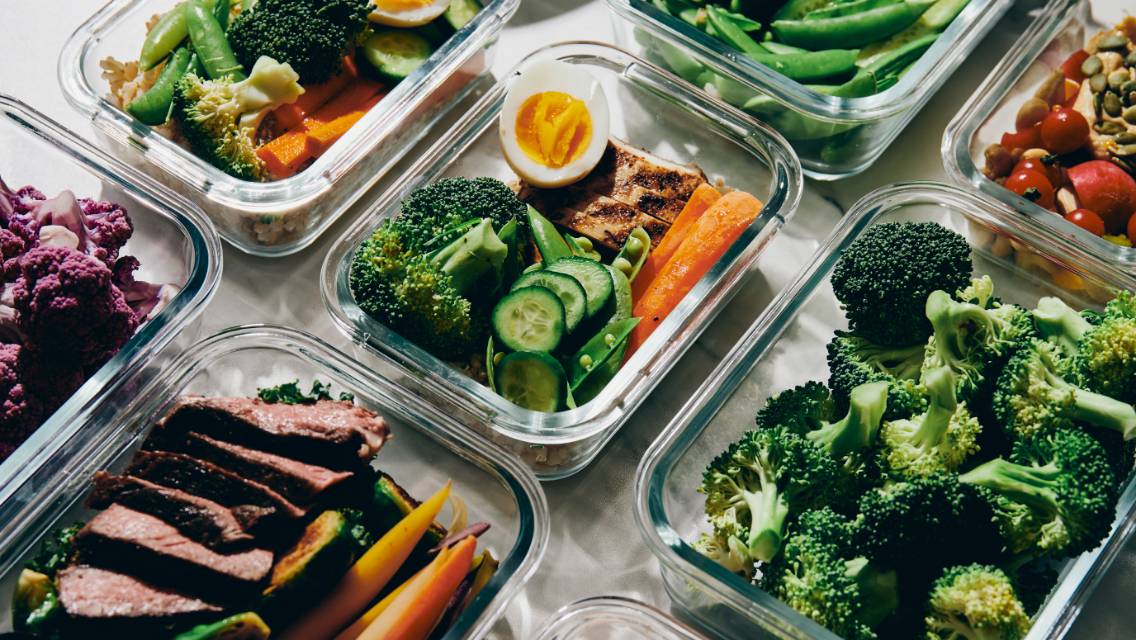
No matter how you choose to source your protein, Paul Kriegler, RD, CPT, director of nutritional product development at Life Time, recommends that you make sure it comes from high-quality foods. On the animal front, that means opting for grassfed beef, free-range chicken, and wild-caught fish while avoiding factory-farmed and highly processed animal products.
For those enjoying plant-forward diets, choose organic, whole-ingredient foods such as tempeh and nuts rather than ultraprocessed imitation meats.
This article originally appeared as “For the Aging Body Protein is Priceless” in the September/October 2025 issue of Experience Life.






Comments (0)