


Skip to content

Get Experience Life delivered to your door

Experience Life
Delivered every two months

Real Health. No Hype.

More than 600,000 subscribers trust us to keep them informed, inspired, and authentically healthy. Join them.

How Does Iron Support Mental Health?

When iron levels are low, it can lead to various challenges such as low energy and brain fog. Here are some tips to help you increase your intake.

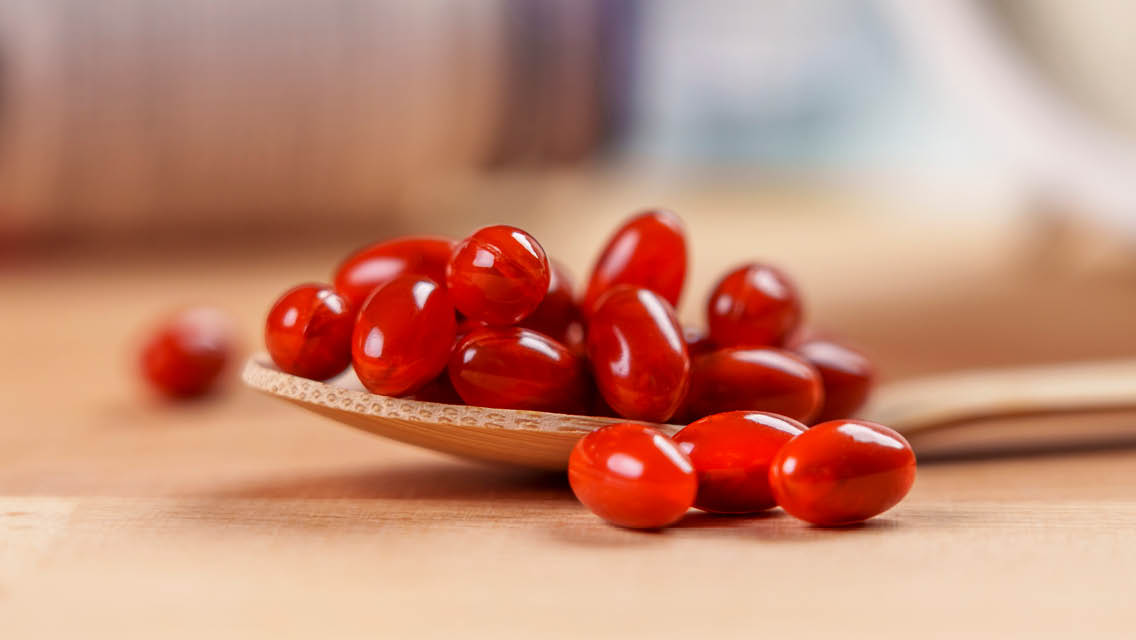
iron supplements

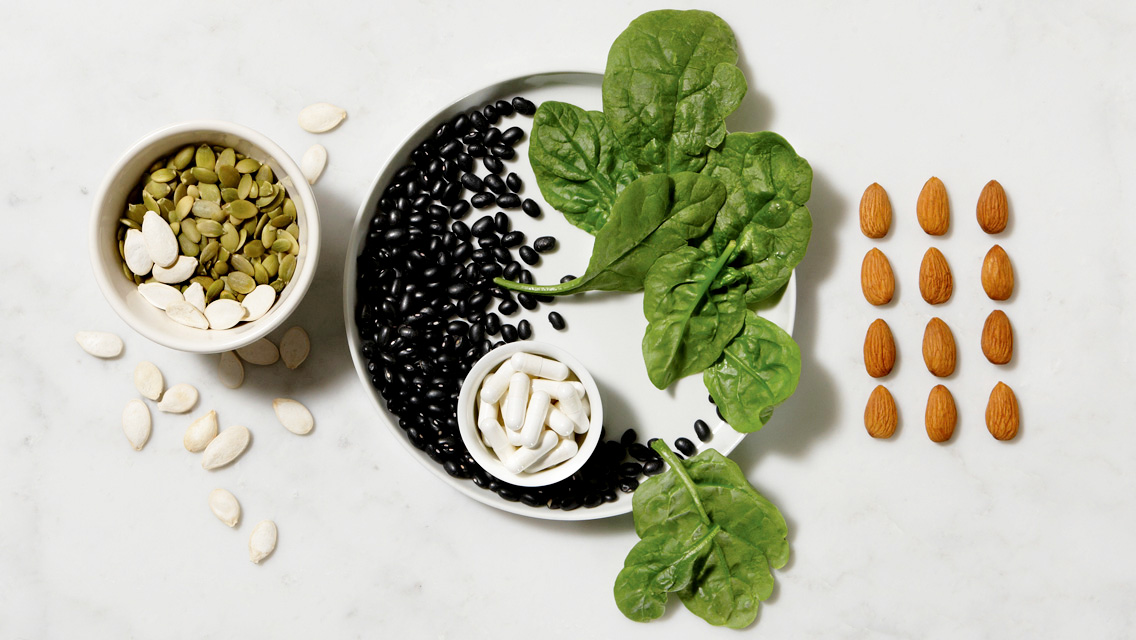
If the brain is the body’s hungriest organ, iron is its maître d’. Hemoglobin, which is iron-based, transports oxygen to the brain, making this one of the most essential nutrients for supporting cognitive function.

Iron is also necessary for the production of dopamine and serotonin, which regulate mood, focus, and pleasure. And it’s a key ingredient of myelin, the insulation around our nerves that speeds conduction between neurotransmitters.

Given all these roles, low iron levels can impair emotional and behavioral functioning, and they’ve been linked to brain fog and low energy. That’s why functional nutritionist Jesse Haas, CNS, LN, often recommends a complete blood-cell count to assess for iron deficiencies when clients are struggling with energy, focus, and mood.

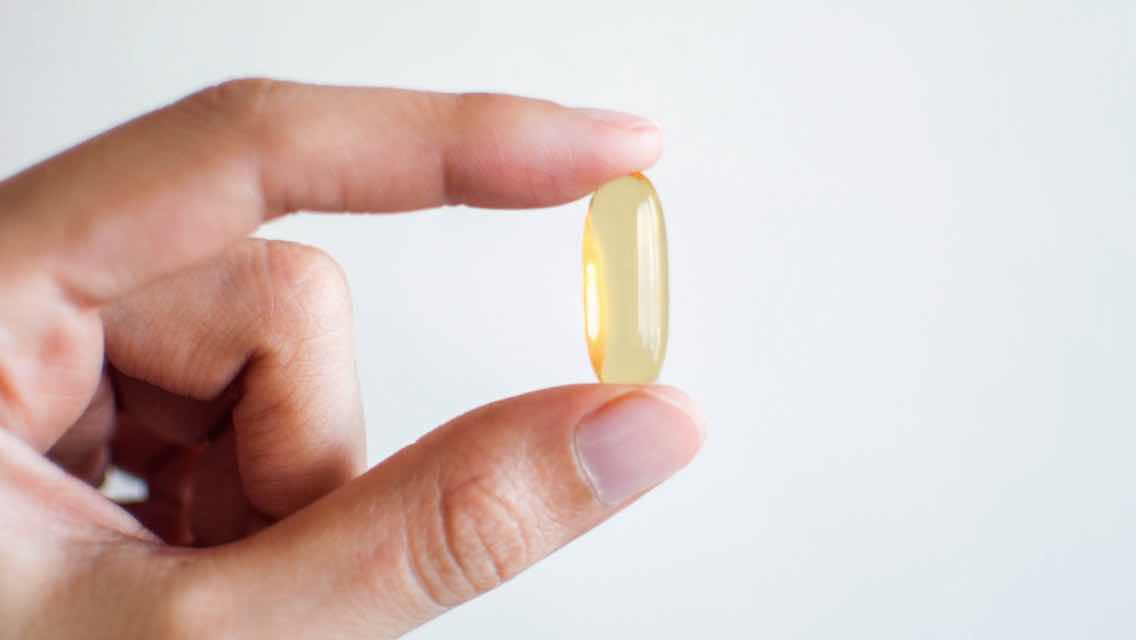
How to Supplement: Iron sup­plements are widely available in pill form, but it’s best to have your levels assessed by your healthcare provider before you start taking them. Generally speaking, adult men should consume 8 mg daily and women 18 mg, but our iron requirements are highly individual. They vary based on age, biological sex, and diet — a menstruating woman needs more iron than a postmenopausal one; vegetarians need nearly twice as much iron as those who consume meat, and so on.

Learn More

Looking to enhance the mental health of a loved one — or yourself? We’ve curated a range of articles to help you support your mental health needs.

This was excerpted from “8 Key Supplements to Boost Your Mental Health — Naturally,” which was published in Experience Life.

Alexandra Smith headshot

Alexandra Smith, MA, LPCC, is a licensed professional clinical counselor in Minneapolis and an Experience Life contributing editor.

Share

Discover more from Life Time

scoop of LTH supplement

NUTRITIONAL SUPPLEMENTS YOU CAN TRUST

LTH supplements help fill in nutrient gaps that can present in even the healthiest diets. Every product features ingredient transparency, is meticulously crafted with premium formulas, and undergoes rigorous testing to ensure quality.

Shop LTH Supplements

More like this

How Does Iron Support Muscle Health?

Iron is critical for myoglobin, a protein that supplies oxygen to your muscles.
By Lauren Bedosky

How to Make Sure You’re Consuming Enough Dietary Iron

Here are some of the top sources of iron-rich foods — for meat-eaters as well as vegetarians and vegans.
By Stephanie Soucheray

Talks — S4, EP3 / Building Mental Health Through Nutrition

Of all the calories we eat each day, 20 percent are used by our brains — so it’s no wonder there’s such a strong connection between our nutritional habits and mental-health status. Drew Ramsey, MD, psychiatrist, author, and mental-health advocate, joins us to explain this relationship and teach us about the food choices that best support our brains and mental well-being.

With Dr. Drew Ramsey

Talks — S4, EP11 / Why Vitamin D?

Vitamin D is the most common micronutrient deficiency — but it’s also one that we can prevent with relative ease. In this mini episode, Anika Christ, RD, CPT, explains why vitamin D is critical to our health, including its role in immunity, and offers ways we can make sure our bodies get optimal levels.

With Anika Christ, RD, CPT

Share a thought

0 Comments

Comments (0)

Leave a Reply

Your email address will not be published. Required fields are marked *

Keep the conversation going

Leave a comment, ask a question, or see what others are talking about in the Life Time Health Facebook group.

Facebook Group

Advertisement

Back To Top