



If you’re running low on iron, your provider will likely suggest including more iron-rich foods in your diet. Among animal sources, oysters win the prize for best source, with about 8 milligrams (mg) of iron in 3 ounces of oysters. The same amount of steak provides roughly 2 mg of iron.
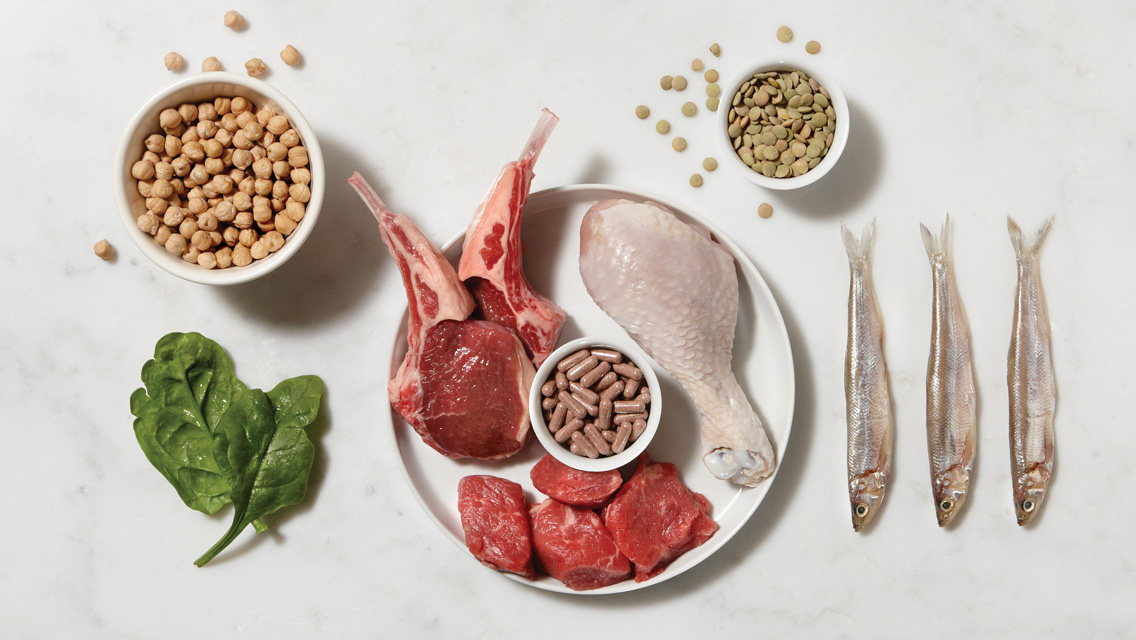
In general, red meat, poultry, and fish are all excellent sources of heme iron, the type our bodies absorb most easily. We take in up to 35 percent of heme iron, compared with the 2 to 20 percent of nonheme iron we get from plant sources. (There is some nonheme iron in meat as well.)
To further complicate matters for vegetarians, other dietary factors may inhibit nonheme iron absorption. These include the phytic acid found in whole grains and the salutary polyphenols found in tea, coffee, and red wine.
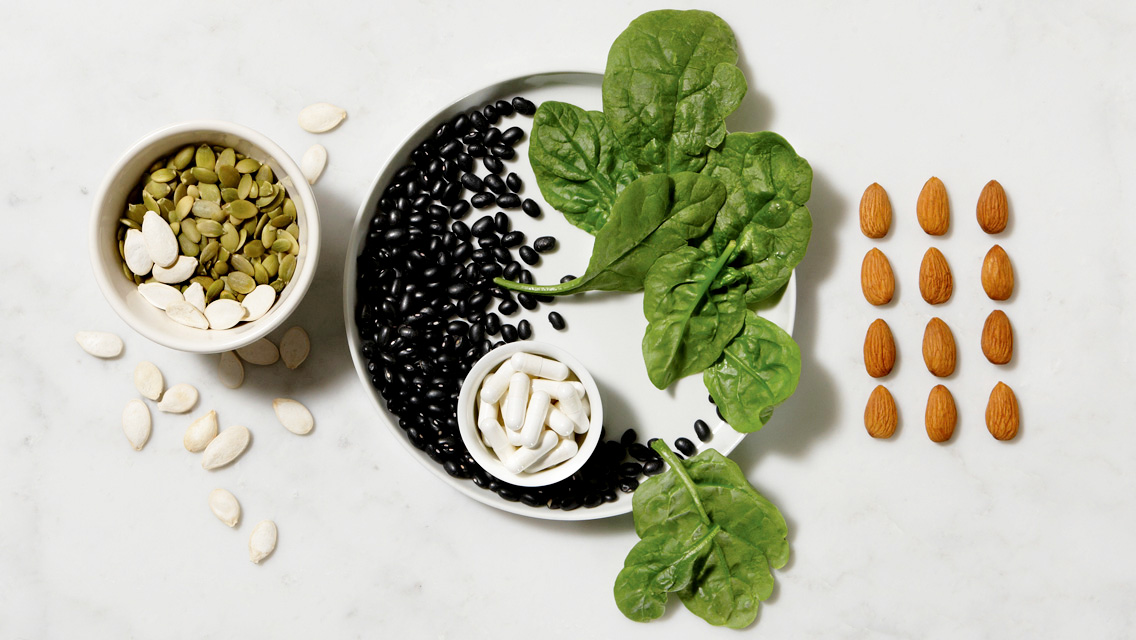
Still, while vegetarians and vegans need to make an extra effort, there are plenty of good plant-based sources of iron. Pumpkin seeds, lentils, blackstrap molasses, quinoa, and beans are all iron rich, as are spinach and dried apricots. One of the best plant-based sources of iron is a cup of white beans, which provides about 8 mg of iron — comparable to oysters (visit “White Beans: Recipes, Techniques, and More.”) Many of these foods are excellent sources of fiber and other phytonutrients as well.
Pairing iron-rich foods with good sources of vitamin C also helps with iron absorption, especially for nonheme sources. This is why doctors have historically recommended iron supplements be paired with orange juice, though that can cause a roller coaster ride for glucose levels.
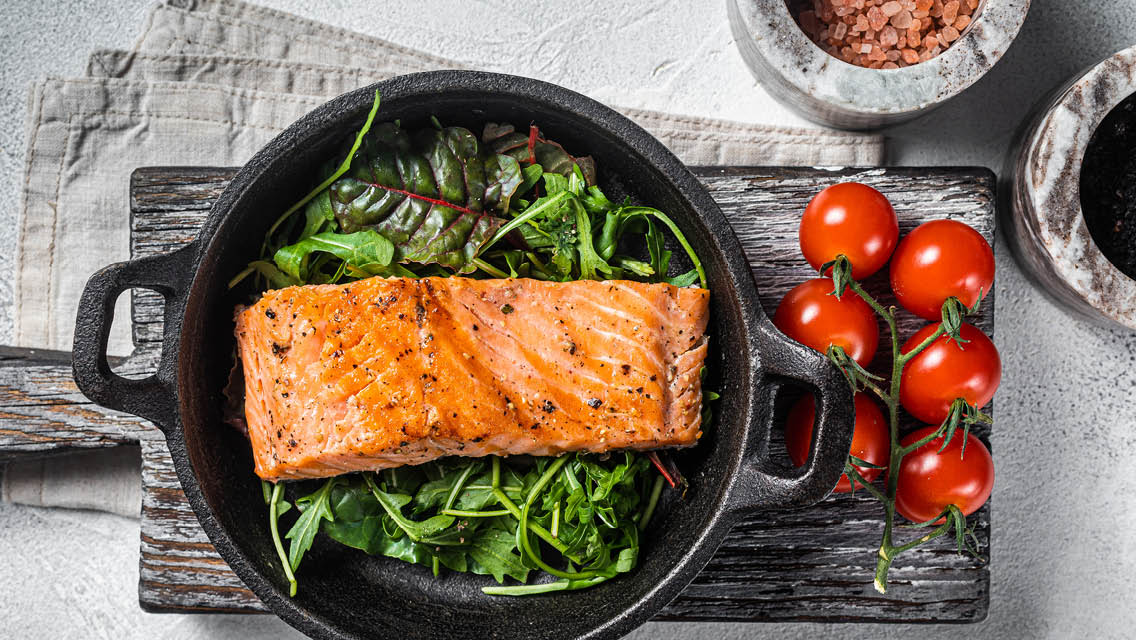
Gregory Plotnikoff, MD, MTS, FACP, a functional-medicine practitioner in Minneapolis, suggests patients looking to increase their iron stores try to consume plenty of vitamin C–rich produce, including broccoli, tomatoes, and peppers. Cooking in a cast-iron pan may add bioavailable iron to food too.
Everything You Need to Know About Iron
Iron is an essential mineral — yet too many of us aren’t getting enough. Learn how to check your iron levels, as well as how to boost them, at “Everything You Need to Know About Iron,” from which this article is excerpted.