


Starting a fitness journey is exciting — and overwhelming. What do I focus on? What things should I avoid? How do I balance my routine? Whether they’re brand-new to a workout routine or restarting one, I advise my clients to begin with habits they can actually keep, not a perfect routine they’re likely to quit in a short time.
It can also be helpful to think with an additive mindset: Instead of focusing on what you need to remove from your routine, what can you add to it? Prioritizing these “add-ins” can naturally crowd out the habits that aren’t serving us. Move with intention, give yourself grace, and remember, fitness isn’t about being the best on day one — it’s about becoming a healthier, more confident version of yourself over time.
With that in mind, I compiled eight things to consider adding to your new fitness routine to help you achieve results and become a healthier you.
1. Add in strength training.
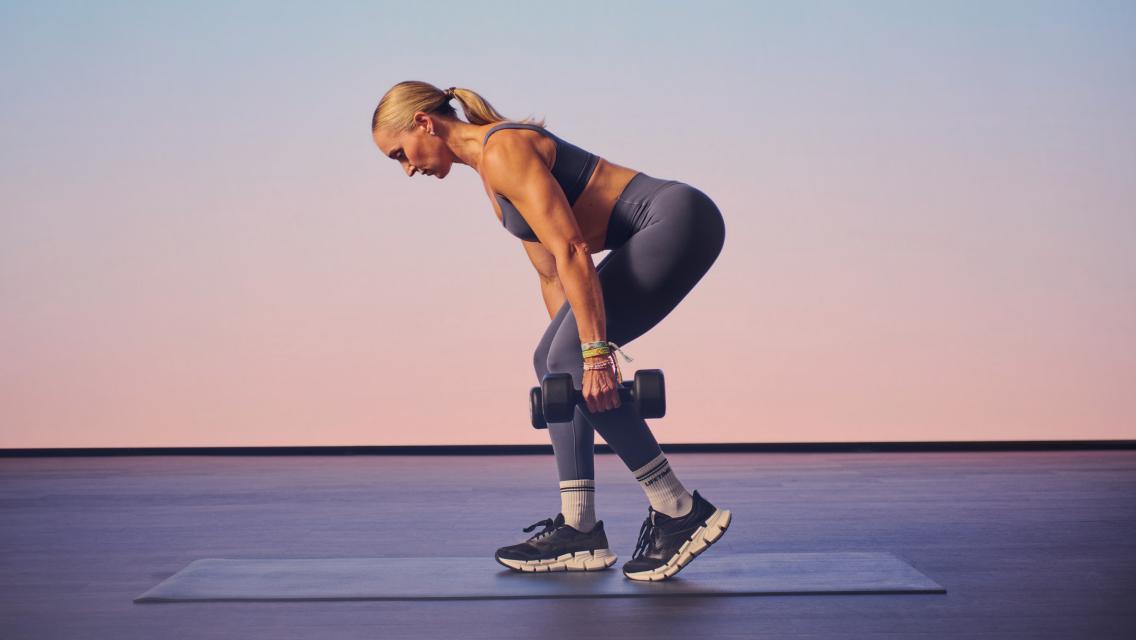
Lifting weights helps you get stronger for everyday life, whether you’re carrying groceries, playing with kids, or just moving with more confidence. It’s the fastest way to reshape your body and boost your energy.
It’s common for those new to exercise to turn to cardio, which has its place, but you can’t pass on the transformative power of strength training. Ideally, you want to perform resistance training at least three days per week, but do what you can to start and work your way up. (Learn more: “Your First Week of Strength Training Workouts.”)
2. Add in mobility work and stretching.
A few minutes of warming up and cooling down keeps your body from feeling beat up. Incorporate some light stretching or mobility work at the start and end of your workouts to help preserve joint range of motion, improve circulation, and enhance overall movement quality, as well as help reduce your risk of injury. Think of it as maintenance for the only vehicle you get to drive forever — your body. (Learn more: “6 Unique Stretches to Add to Your Recovery Routine.”)
3. Add in more protein.
Your body needs this macronutrient for many reasons, but specific to those in a new fitness routine, protein provides the amino acids needed to repair and build muscle tissue, supports recovery, stabilizes energy, and helps you feel satisfied from meals. A simple (but powerful) target to aim for is eating 30 to 40 grams per meal. (Learn more: “Here’s What 30 Grams of Protein Looks Like.”)
4. Add in recovery days.
Rest days don’t mean you’re slacking — it’s allowing time for your body to recover and repair so you can come back stronger for the next workout. They also support reduced fatigue and help prevent injury.
I encourage clients to go for a walk or engage in some easy and gentle movement like yoga or stretching these days. It’s helpful to reserve at least one day per week for this.
5. Add in water and electrolytes.
Many people underestimate how much better they’ll feel just by staying properly hydrated. Hydration is necessary for energy and performance, recovery, muscle and organ function, preventing fatigue, and more.
Aim to drink at least half of your body weight in ounces of water per day, plus more if you’re sweating. Electrolytes can also be helpful to consider adding to your water to replenish essential minerals lost through sweat. (Learn more: “Why Do You Need Electrolytes for Hydration?”)
6. Add in weight machines and free weights.
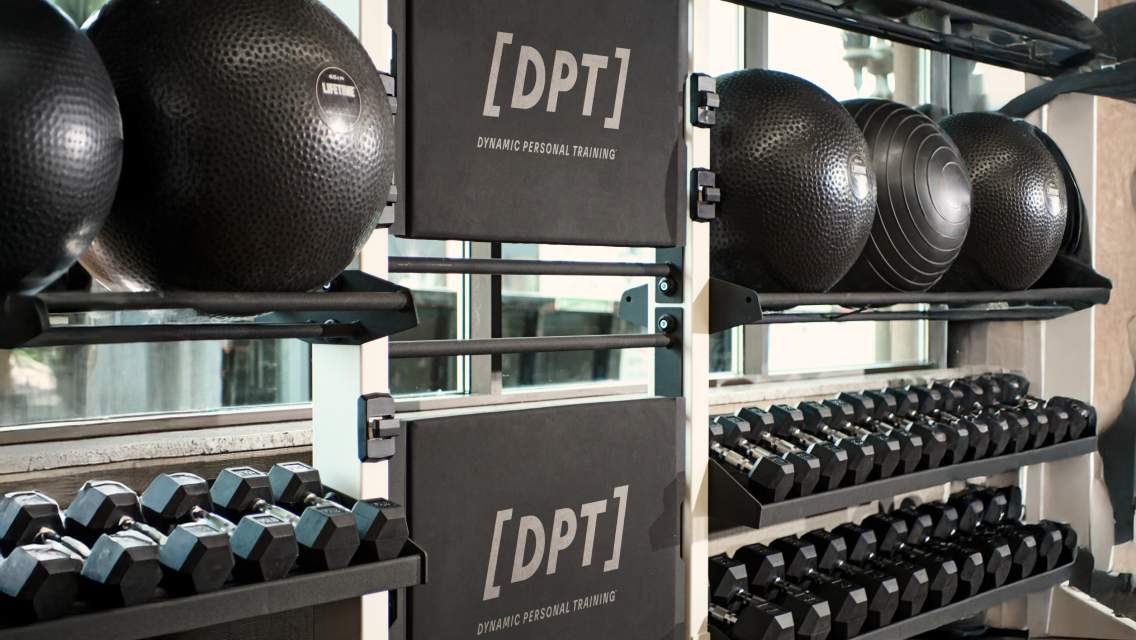
Weight machines build confidence when you’re learning, guiding your movements in a controlled path and helping you develop proper movement patterns. They’re also good for building strength in specific muscle groups.
Free weights, on the other hand, help you move better in real life, as moving the weights freely better mimics natural movement patterns. Using both gives you the best of stability and strength. (Learn more: “Your Exercise Backup Plan: 7 Moves to Try When the Workout Floor Is Busy.”)
7. Add in more sleep.
Better sleep makes every workout feel easier and helps your body recover faster. It’s time when your muscles repair and grow and your energy stores are replenished, among other critical functions.
Think of sleep as the quiet superpower behind your results. Prioritize getting at least seven to eight hours every night.
8. Add in tracking of simple wins.
Writing down what you do on a given day, or even snapping a quick photo of yourself, can help you see your progress overtime. Small wins add up and can help keep you motivated when life gets busy or in times of discouragement.