


Trending Fitness Strategies — and What’s Tried and True
In the world of health and fitness, new approaches, techniques, tools, and strategies come and go all the time — but what actually lasts, helping people make material progress?


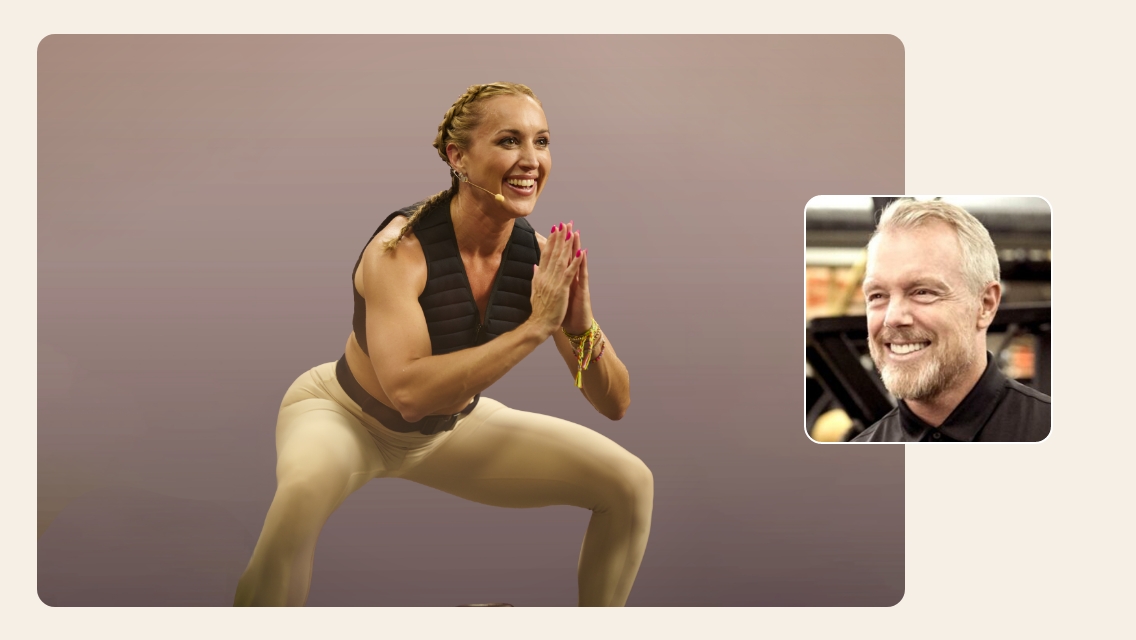
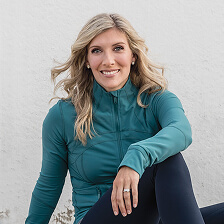

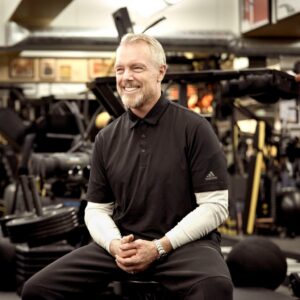
In the world of health and fitness, new approaches, techniques, tools, and strategies come and go all the time — but what actually lasts, helping people make significant, sustainable progress? In this episode, we’re talking to Gunnar Peterson, a long-time industry expert and leader, about some of the topics that are dominating conversations right now. He offers practical advice and personal anecdotes to help us drill into what’s meaningful.
Gunnar Peterson is Nashville-based personal trainer whose clients include celebrities, professional athletes, and everyday people. With more than 30 years of experience, he is widely recognized for his expertise in functional training and his commitment to developing and implementing innovative fitness techniques. His approach emphasizes strength training modalities that can be transferred from the gym to daily life.
In this episode, Peterson shares his perspective on trending fitness strategies and what truly lasts as fundamentals, including insights around the following topics:
- AI for training: Peterson does not use AI directly in his training sessions. He shares that sometimes it’s useful for helping him to gather and articulate the reason or benefits behind exercises he’s asking his clients to perform. He believes that while digital tools can have a place, the in-person experience remains irreplaceable for effective training and that AI cannot replace things like human touch, personal inflections, and real-time adjustments.
- Weighted vests: While these are trending, Peterson notes they’ve been a staple in training for a long time; they’re just being introduced to new people in new ways. He appreciates the design of modern weighted vests (notably the Aion vests, which is what he wears), making them more comfortable for extended use. He incorporates weighted vests into his own workouts and for clients. He views them as a wearable (rather than a training tool) that can enhance fitness simply by being worn during regular activities or already-planned workouts.
- Strength modalities: Peterson advocates for taking a balanced approach to strength training rather than adhering strictly to one method. He highlights the value of progressive overload and the concept of “approaching failure” to promote muscle growth. He also appreciates contrast training, such as combining heavy lifts with explosive movements, to challenge individuals. He believes in tailoring training to individual needs, recognizing that different clients respond to various rep ranges and techniques and has unique requirements.
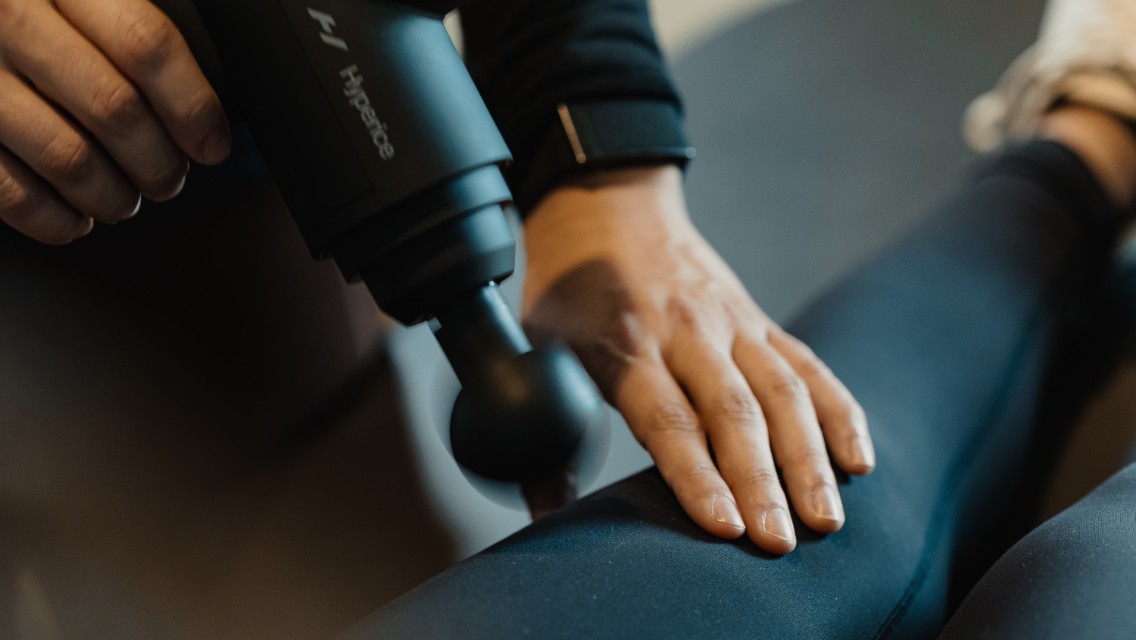
- Recovery: Peterson stresses the significance of recovery for well-rounded fitness, asserting that he finds most people under-recover rather than over-train. Some recovery techniques he personally uses include red-light therapy, percussive devices, sauna, and proper hydration.
- Nutrition’s role in health and fitness: Nutrition plays a crucial role in health and transformations. Peterson advocates for a balanced approach that avoids extreme swings or measures. If you veer too far from the line you’ve set for your ideal choices in either direction, that’s when it becomes a lot for the mind and body to overcome and bring you back to center.
Transcript: Trending Fitness Strategies — and What’s Tried and True
David Freeman
Welcome back to another episode of Life Time Talks. I’m David Freeman.
Jamie Martin
And I’m Jamie Martin.
David Freeman
In today’s topic, we’re gonna be hitting on tried and true fitness strategies and trends. So today we’re stripping back to what truly lasts in fitness. So many trends, so many new ideas popping up. It’s easy to lose sight of the fundamentals. This episode, we’re gonna be focusing on the strategies that have stood the test of time, the ones that consistently build strength, support longevity, and help people show up for a better life and we got a special special guest. is round two with Gunner.
Jamie Martin
Yes, Gunnar Peterson is with us today. He is a Nashville-based personal trainer whose clients include celebrities, professional athletes, and everyday people. With more than 30 years of experience, he is widely recognized for his expertise in functional training and of his commitment to developing and implementing innovative fitness techniques. His approach emphasizes strength training modalities that can be transferred from the gym to daily life. Gunnar, it’s so nice to see you. How are you?
Gunnar Peterson
I’m great, you guys are nice to have me back on. Must be a slow week for you.
Jamie Martin
Oh, come on. Come on. We were just talking before we launched. Like we, the last time we talked to you was in season two of the podcast. It was in 2020. So it’s been over five years since we last connected. Life is mostly back to normal, I think, for almost all of us. How have things been for you? What have you been up to since we last, you know, had you on the pod?
Gunnar Peterson
Let’s see. I closed my LA gym. I moved to Nashville. I opened a gym here. Our daughter got cancer. Our daughter’s in remission. ⁓ I mean, you know, jump in any time. There’s a lot to cover, but everything is good. We’re all we’re in a really good place right now. So, so I’m excited to be on. You guys are great to do this. And, you know, anything to do with lifetime where you guys are putting a good word out, you can count me in.
Jamie Martin
Well, thank you. I will just say I had a chance to meet your daughter a couple of months ago and she is a spitfire and like she is just she was amazing to get to see like she was like dancing in Times Square I think when I saw her.
Gunnar Peterson
She’s a piece of work that one. I feel sorry for the first ex-boyfriend. That’s all I know.
David Freeman
We’re gonna jump right into it, brother. So one of the biggest things that we’ve seen over the past few years is AI start to actually creep into the health and fitness space. I gotta ask the question just because you’ve been in this space for so many years, you’ve seen so many things come and go. How do you use AI, if you use AI, what do you see the benefits behind it or not the benefits behind it? I just wanna throw it out there, because I know a lot of our listeners wanna know how this can be utilized within this space.
Gunnar Peterson
Well, I’m definitely not using it in my training. I may use it in my prep in terms of taking deeper dives on. Sometimes when I do a program, I anticipate fairly or unfairly a question or a pushback that somebody might have. I’ll, I’ll, I’ll make sure I get my explanation ready. Right. It’s like, if I need to pull it out, I will. And I just make sure that, you know, AI can give me some interesting
If I look up, example, benefits of peripheral heart action over hit and cause I, cause I know if I’m sequencing a workout with somebody and it’s going to be a upper extremity, lower upper, lower upper, lower. And I know that they’re going to balk because the cardio demand is going to be so much. It was supposed to be a strength session. What are we doing? I thought we were doing hit training. Why, what are we doing here? And you walk them through it. I might use, I might use an AI search just to make sure that I get the right words and I say, you know, just the facts, ma’am, all in fact, that kind of But that’s it. That’s it for me. It’s not going to help me in my business. mean, I had somebody, we had another like a side, a business thing about a product and the guy sent me literally a 10 page breakdown on how to present it to people who could bring it to market. And I was like, my God, how do you do that?
And then, ah, he just plugged that into AI. He did nothing actually, literally. that’s not going to help me in the day to day with people. That’s still, that’s why this job is, I mean, you, you’re in the field. It’s not that it’s recession proof or bulletproof in any way, but it’s definitely, you can’t replicate human touch. You can’t replicate my inflections. You can’t replicate my cues, my volume levels.
You’re not going to, you know, I trained a guy years ago, motivational speaker, and he goes, you use volume and inflection to move me. It’s wild. He goes, you’re like a motivational speaker. go, I’m a trainer dude. But he, but what he’s saying, he was spot on because there are ways to use your voice to, to move people in a room. Just the same way, the same way I do with my kids, right? It may be a bark, it may be a whisper, but either way I will get their attention. And you do the same thing in training. So AI can’t, you can’t, right. Can’t box me out.
Jamie Martin
Right, it’s so interesting because since COVID, one of the things that we’ve launched at Life Time is what we call dynamic personal trainers. And really the whole point of that is like, it’s about being in person and being able to make adjustments in real time to help support people. And you can’t do that in the digital space. It’s like really being able to see and in real time, be able to make recommendations and suggestions. So I think that is so critical. You cannot replace that one-to-one experience.
Gunnar Peterson
Right. Apps and online are great. There’s a place for them. No question. Just like telemedicine, there’s a place for that. But sometimes you just need to be in the doctor’s office. Sometimes you just need to be with the trainer. And some people need that all the time. And some people need it infrequently, but some of the time. you’re not, you know, it’s not going to box you out.
With, you know, 8 billion people on the planet, there’s always room for people who are putting in the work and willing to, willing to show up and do that in person. know a lot of trainers that don’t want to do that. They literally, years ago, I did an interview with a guy on, it was bodybuilding.com and he was sitting in my office. He came to see me in LA and he sat in my office and he was talking about these thousands of clients and these people, these thousands of clients and all these out.
And I’m like, how do I not know this kid? I know every trainer out there. I’m, I, I pride myself on, being friends and peers with so many great trainers. How do I not know this kid? This is so strange. He’s he’s like coming up with this resume that it’s weird. And then he was like, oh, I’m online. I don’t know. So you’re not ever like in the gym doing what I do. Like you don’t prep a workout, bring out the towels, re-out the water, load the weights, all this. Not say mine is better. It’s that whole thing, right? Not better, not worse, just different. Your job is very different from mine. You are not, we are not the same. I don’t do what you do to that point, just to say what I do is not better, it’s just different. that for him, maybe AI helps because it programs and it just spits it out and keeps cranking it or progresses it, but that’s not gonna help me here.
David Freeman
Yeah, I agree. mean, a great analogy with this is you probably have heard a song like who’s your favorite artist? Who would you say? Gunner, who you got? Your favorite singing artist?
Gunnar Peterson
Back in the day, it was Prince for sure. OK. For a number of reasons. Now, I don’t know. Now I’m kind of skewed by I fall in love with the people that I work with. So if I’m working with an artist who’s crushing, I just find myself enjoying their music if I’m if I’m enjoying that person in a gym. So I don’t know. got a lot of I got a lot of I work with a lot of really cool people who do great things in music. And I’m like, love this.
David Freeman
Yeah, well I was gonna reference like so J Cole, he’s from my hometown in Fayetteville, North Carolina. I always heard all of his music, love his music, bumping it in the car. When I witnessed him at a show.
Gunnar Peterson
Did he do riding solo?
David Freeman
No, no, no, no. That wasn’t — no, no, no. J Cole, I mean he has so many different ones as far as behind the lines. But I mean, I’ll send you some of his stuff. You’ll love him though. You probably already heard him. yeah.
Gunnar Peterson
Don’t make me open my music on my phone.
David Freeman
What I was gonna say though, when I actually saw him in concert, it was a different experience. So to your point, there’s a place for all these different things, but then where you’re gonna really truly start to understand the difference makers. And I have my bias obviously, because I’m in person a lot too. But those individuals who are not able to reach us, maybe they’re so far away from us, be able to have that reach for them as well. So in that space, just, I love what you said there, you that Prince, and you probably appreciate that being here in Minnesota.
Jamie Martin
We’re in Minnesota and we’re recording just down the road from where he lived.
Gunnar Peterson
Paisley Park.
Jamie Martin
Yeah. Yeah. Really close.
David Freeman
Yes. Now I gotta ask the question, then we get right back on topic. Did you ever see him perform live?
Gunnar Peterson
I saw him perform live a few times at the Hollywood Bowl in Vegas. Yeah, yeah, yeah, I did.
David Freeman
Wow.
David Freeman
Needless to say, it’s probably one of those things that you gotta be there to understand, right?
Gunnar Peterson
The first song in one place in Vegas, I the people in front of us stood up and they never sat back down. And I was like, should have bought front row because I was like, we were, I mean, we weren’t that far back five, eight rows, but if I didn’t stand up, I was seeing nothing. it was, it was his, live show was incredible to me. Right. I’m not, I also saw Whitney Houston live once in New Orleans and I will say live with that group and was a lot of acapella stuff and it was it was amazing but it wasn’t saying nothing you want to hear me sing along with anything anyway but it wasn’t definitely as sing-along as the albums because she did it differently and it was, it was a completely different experience which I welcomed but it wasn’t like listen to the album yeah.
Jamie Martin
All right, we’re gonna get back to the fitness side of things here. Gunnar, you and I saw each other this last October out in New York. We were at an event launching a partnership between Aion vests, weighted vests, and Life Time. And I think as we were talking out at that event, know, weighted vests are having a moment right now. So curious what, talk to me a little bit about.
Gunnar Peterson
That makes me laugh when weighted vests are having a moment. It’s like saying ice baths are having a moment, yoga’s is having a moment. These are things that have been around forever. They’re having a moment with new people in different ways. I don’t even think it’s funny. It is a weighted vest, it’s not like, remember that old Buick commercial? No, Oldsmobile. It’s like, it’s not your father’s Oldsmobile. This vest, this is not the vest of other weight vests of days gone. It’s not that it’s a whole new, it’s a whole new thing to me anyway. I probably have eight vests in my gym. And I would say in the past six months, I’ve only worn the Aion vest. That’s the only one I wear.
Jamie Martin
Right. and I think David has one. I have one now too since that event. And I had one of the kind of the other ones, just full disclosure, bought it off Amazon. Don’t ever touch that thing anymore because it’s not what I want to do. But just wanted to talk about it because we’re seeing people everywhere wearing them now, right? Like everybody’s walking down the street in them. You know, how are you incorporating the weighted vest into the training that you’re doing with your clients and yourself?
Gunnar Peterson
I put it, so I do, I run on an Alter G, which is the other way, right? I’m reducing the, the, body weight on my foot strike. So I do that probably three to four days a week. And then I put the vest on the other three to four days a week. And I do this hybrid thing of a steady state cardio to a jump rope to a hit to a steady state to a jump rope to a hit. I do anywhere three, four, five minutes, or I go three, four, five up and then five, four, three, three, like that.
And then I’ll step off. I’ll do a hundred skips on a rope and then I’ll do 30 seconds on an air dyne or 30 seconds on a climber. And I’ll repeat that sequence in my vest for an hour and then I’ll stretch and lift, but I will keep the vest on through the stretch and lift. There’s also speaking of that vest, the fact that it’s, you wear it tight on purpose, right? It’s snug. There’s a compressive factor to it. I love that. Like I’m not taking up. I want to keep it on it. It’s something like womb-y or cocoony. I feel it’s like you’re binky. Once you get that thing on, like it’s not coming off in the workout.
Jamie Martin
It is so interesting. I’ve heard a lot of people talking about that how it almost feels calming to them, like a weighted blanket type of thing, or, you know, it’s just like, it’s comforting in moments of stress. had a big event at Life Time a few months ago and somebody wore those. She’s like, it helps me stay calm through the stress of that event, which I thought was interesting.
Gunnar Peterson (13:07)
His design, Brent Yates’ design, is there’s no pressure on the shoulders and the traps. And that’s always been for me, the limiting factor. Like, you know, a lot of people on their deadlift, it’s, it’s their grip, right? That’s the fail to me on a weighted vest. It’s the pressure on the traps and the neck over time where you got to lose it. And for men and women in the armed forces, like they must be special animals to get used to that, but you don’t that’s for me a limiting factor for gen pop and for me as well. So when I wear it, I love that I don’t, when it comes off, I don’t feel that need to do the whole neck thing.
Jamie Martin
Yeah, absolutely.
David Freeman
Yeah, let’s get into some different modalities within the strength space. Once again, you’ve seen so much over the years, it continues to evolve. It doesn’t necessarily, to your point, this isn’t the new thing. It’s just probably becoming more more relevant. History repeats itself. When it comes to strength modalities, what do you start to lean heavily into as far as, hey, you have principles and you got philosophy. Obviously philosophies can change over the years, but then you have cold heart principles. are some principles that you live by within the health and fitness industry as it comes to, as it relates to programming.
Gunnar Peterson
I think if you live and die by certain things, you’re probably going to die more than you live. You don’t always need to. I tell my nine-year-old this all the time, you don’t need to have an opinion on everything. You can just go, yeah, okay, all that. I just saw a post by Australian strength coach and it’s great stuff.
David Freeman
That was good. Hypertrophy, right?
Gunnar Peterson
Yeah. And, and, and he, I mean, it’s funny, I find it’s confirmation bias. I’m listening to him and I’m nodding because he’s saying what I’ve said a thousand times, but he’s so articulate and he, and he just does it really well. And he’s like anything where it has to be one way or the other. He goes, I’m right in the middle. And I was like, yep, I’m with you because you can get, and there’s so many, different types of people, of clients, of the demographics that not everything works for everybody. There’s nothing that works for nobody. A lot of things, you know, work a little bit. A few things don’t work at all. It’s, it’s, there’s so many, there’s so much nuance to it. So, I’m a big fan of progressive overload. I’m a big fan. What did he call it? Approaching failure. had, had a great word. I forget, like not training to failure, but leaving X number of —
David Freeman
Reps are a thing, yeah.
Gunnar Peterson
But he talked about it, it was like approaching failure or getting, that’s where you’re gonna see it. Whether you’re approaching failure by rep three, four, five, or by rep 12, 13, 14, that’s where you have to be getting close to technical failure in your lift in order to promote hypertrophy, in order to force the muscle to want to grow. So I’m like, yeah.
Not everybody. have some people, if I trained them in the three, four, five rep range, they would be like, what are we doing? Are you trying to, you know, blow my joints apart? But I have other people that, that if you take them up into the 12th, 13th, 14th, they’re like, what are we doing? Why are we? I hate the spiny reps. I’m tired. And he talked about heart strength too, was sort of it when he talked about the 30 rep squat, the 20 rep, like back in the Tom Platts days.
And I’m a big fan of those more body weight post a heavy lift, I’m big on contrast training, French contrast training. ⁓ I think there’s so much room for that. You know, have someone do a heavy back squat and then have them move right away into like speed squats, but where they pop off the ground, right? So there’s open kinetic chain component. There’s the explosive factor to it. And you can smoke even the strongest, healthiest people out there and that’s what they’re looking for, at least when they come here.
David Freeman
Yeah, I mean, just to piggyback off that, we have our program here at Life Time with Alpha. And I can tell you, I get so many emails, so many texts about the programming, right? And we go through four week cycles, right Gunnar? And what we’re trying to do is obviously elicit the response to create change for all these different individuals. When it’s a one to many program, you can’t really speak an absolute to like around a lot of things, because you just said earlier, so many different variables, everybody responds differently to certain things.
But what I always go back to is the constant, right? The individual showing up and meeting them where they’re at and giving them the why behind what it is that they’re doing and how they get to that finish line or that next starting line hour you want to look at it. just hearing you say that, it’s so many different variables, but the constant is the individual that continues to show up. And then also the constant is the coach delivering that information to make sure that they’re set up for success. So I love it.
Gunnar Peterson
But you nailed it. I watched some of your videos and giving them the why clearly pushes them through. So I would the plain old words there to me is it’s the A.I.Y. right. It’s not a DIY. It’s an A.I.Y. So I’ll get that. Sometimes I’ll get help on the why to to expound on my definition by digging into A.I. And then that’ll help me formulate the why for them. I know what the why is for me. I don’t have to go into that. I know why I’m here, why I’m on the, why I’m on the coaching side and I know why I’m still knocking out my workouts, never miss kind of thing. So I know my why, but sometimes some people get in there and their original why wasn’t enough. Like it might’ve gotten them through week one, week two, but after that they’re questioning or they’re not sure or they’re stumbling or, and you just gotta go, no, no, no, no, revisit the why. Here’s the why. Here’s the why for you. And here’s the why that we’re doing what we’re doing in this room. Here’s the why for the program.
Jamie Martin
Yeah. Well, and I think to that point, I mean, I know a lot of what you’re talking about, right? I’ve been in the health and fitness space a long time, but you guys are very inside. You’re you’re doing this every day. You know the why just offhand. So being able to explain it in layman’s terms for everybody, right? To be like, now you’re going to get it. This is what’s going on there. So I appreciate that.
Gunnar Peterson
That’s an Einstein thing. Well, not to give us the Einstein hat, I want to say he said something like, if you can’t explain it in the simplest terms to the simplest person, you don’t know it well enough. Right. I’m paraphrasing, but it’s something like that. think you have to be able, like I challenge myself to break it down to my kids sometimes. Why are we doing this? And you can’t talk to your kids about hypertrophy or the fact that connective tissue takes longer to strengthen than muscle tissue. Like they’re just doing this. So, you you got to — there’s a way to break it down to people, not that you’re talking down to them ever, but what you know in your field, they know in some other field that you don’t know. So finding a way to communicate where you maintain the respect and where you keep them engaged, to me, those are all signs of a good coach, probably of a career coach versus a job coach. And those are the people I try to stay close to.
Jamie Martin
Yeah, I love that. Okay, we want to talk about recovery for a little bit because it also feels like we’ve there’s just been more and more conversation about that over the last few years, you know how people often are under recovering versus over training. ⁓ How are you integrating like really strategic recovery strategies into your training?
Gunnar Peterson
I subscribed to that. I’ve said that for a thousand years. not going to quote myself, but I think there are very few groups that over train as a whole. think most under recover. Um, and whether that’s not enough days off or not enough time off intro workout or not enough recovery protocols, whatever your choice is, if you’re, um, not, you’re not eating enough, not sleeping enough, not managing your stress levels or so many ways to do that. would say what we use here, we’re big on percussive devices. We’re big on Theraguns for activation and for post-workout. I just recently did a, we aligned with a company called Solbasium, which is red light therapy. And I don’t have a bed yet, but I’m leaning towards it. have like a back pad and an ankle cuff and, and, I know I go into it believing and ready, but I read as much of the science, not just the marketing, but the science behind it. And I go, yeah, I’m ready and I’ll try it. And I, and I just know that it’s taking me in the right direction. It’s not taking me, it’s not taking me from broken to fixed, but it’s definitely from, you can stay in the game longer and you recover better.
Cold tub to me, that’s polarizing. We have one. I’m more of a hit the shower onto cold at the end and stand there and try to count to 10, 20, 30. Not pleasant, but I will do it. I have a sauna at the house. I don’t use it as I’m probably one to two times a week. I probably think about it five times a week, but three times of that, three of those times are after I’m in bed. go, God should have done this. And I just, it’s just not in my, it’s not in my path. I don’t, um, a lot of water, tons of water. I think a lot of people end up being dehydrated. think they think coffee or energy drinks or that kind of thing. That’s not hydration. It’s different. I’m not going to weigh in on good or bad. don’t judge it. But I don’t think that counts towards your overall. I have a nutritionist in LA, a good friend, Philip Golia, and he always says, did a fish swim in it? If fish don’t swim in it, it doesn’t count. And that’s his — and I, know, there’s room for that too, but it’s just funny. That’s how I have to break it down for people. They’re like, no, but I had this and this and I had an orange juice. You’re like, what are you doing? You’re not hydrated. Those are the things we lean into.
Jamie Martin
Yeah.
David Freeman
I was gonna lean into what you were just saying, just to kind of go off of that is as far as nutrition has always been an important staple within health and fitness. And what I always like to throw out there, because we continue to evolve in this space too, how can we, what can we do to get better in this space when it comes to food and nutrition as it relates to USA? So right now we got ultra processed foods. I know this is easy, quick fix that kids might want to jump to adults as well. But from your point of view, once again, I’d never like to speak in absolutes, but if you were to have our listeners take this in for a sound bite, where is the area of opportunity of where they can really, really champion their nutrition? And where do you see the opportunity for us in the future in this space?
Gunnar Peterson
You know, a lot of people use the word hack and they’re like, here’s a fitness hack. Here’s a recovery hack. Here’s a nutrition hack. If that’s a if that’s a workaround, that’s fine. But if you if you’re looking at it as a corner cutting method or a way to cheat it, I think ultimately you’re going to fall on your face. There are enough recipes out there. I don’t cook at all, like maybe toast. That’s it.
But there are enough recipes out there with substitute ingredients to crush all your cravings to make you feel like you’re not deprived because I think when you feel deprived, you’ve lit the fuse on when your food plan, your program is gonna fail because you know you’re in a free society and you can eat what you want when you want. So the fact that you’re abstaining from something when you feel like you’re being held back you will eventually break free and lash out. So I say go on, find those recipes that I can send you. There are so many of those guys out there that for me, I want the sugar made at night, but there are ways to do that using a protein powder or a nut butter or something that I’m gonna get the sugar thing, but I’m not gonna end up an additional 700 calories in the whole just straight sugar.
I think that’s a big one. The people I talk to, I usually ask them, not that it has to be limited to one, but which is your biggest crime, quality, quantity, or timing? And I get the pause, I get the pause, and I get a lot of people who go, I never thought about timing, but it’s probably timing. And it’s that they eat too much late at night and it’s too sweet. And if they have any alcohol, literally like the defenses are down and it’s straight to the sugar calories. So I think if you can get a hold of that, you’ll feel good and you won’t feel deprived and you’re probably more likely to stick to the rest of the regiment.
Jamie Martin
What is your, like you mentioned protein at night. Like do you have a specific way you take it if you crave sugar? Like what’s your —
Gunnar Peterson
Yeah, there’s the guy that I find online, you know, and it’s not like I don’t want you to think I got my degree from Instagram University over here, but I do find I do find I have zero animosity or anger towards social. All the people like social media is so bad. I’m like social media can be great. Like there are you can you can learn and pull things and relax and laugh. And it’s just a form of, it’s just a diversion, not that it takes you away from your real life. I’m not trying to escape something by going down these rabbit holes. I’m learning things and I’m tracking a social media clip to a PubMed article. That doesn’t mean I’m on social anymore. Now I’m in science, right? So I’m getting better. There’s a guy called Macrodaddy and he’s probably not for everybody because he can get a little vulgar, which I find humorous, but he has some terrific dessert recipes that are like protein powders with nut butter or something and he’ll whip them so they’re filling. And I’ll send it to my wife and I’ll go, babe, any chance we could make this? And I use the collective pronoun, we, we make this, which is like a nudge and she’ll make it. And I’m like, I’m so good. don’t need, I don’t even think about ice cream. not going to the cookies that were leftover from the kids school party. I’m just. I’m good with that and it’s a protein and there’s some sugar, but not enough to stress about it. And calorically I’m staying within the boundaries and those things help me stay on the path that I don’t treat. Like I’m not training. Like I make up weight goals or, or reasons to, to be at a certain level of fitness. have to make those up. don’t have competitions coming up. I’m not doing nude scenes and photo shoots and that. So for me, it’s like by Christmas, this number, by this, this number, and I’ll play with it. And those things help me stay on my path. Short-term goals, long-term goals. I think those are key for everybody. And they don’t have to be hard and fast, but you should have a ballpark.
Jamie Martin
Absolutely. We actually were just talking about that. David and I recorded an episode about some of our own kind of micro and macro kind of goals going into 2026. yeah, it’s good to have that in mind always, right? To know where we’re headed.
Gunnar Peterson
But you’re not owned by it, right? It’s just something that keeps you, we used to talk about nutrition and say, if the perfect nutrition is a straight line, I don’t care if you’re on the line and then you go way over here and then way back. That’s where it’s dangerous. I would rather have you kind of, fatal, like who’s skiing. I’d rather have you be like off, on, off, just not so far off the line that then you come back in either direction.
It’s a lot and it’s a lot for the body and it’s a lot for the mind to overcome that when you, when you get too far gone, like some people, when they don’t train, they lose everything and they drop weight and they get like skinny fat and they’re not comfortable and they don’t feel strong and that, but the other people just swell up and then, and either one of those, it’s hard to bring them back to center. So just don’t go so far off center either way. And, and you know, don’t fall asleep at the wheel. That’s what it really comes down to.
Jamie Martin
Yeah.
David Freeman
Hey Gunnar, another one with the too, just because once again, it’s more and more innovation coming into this space. You probably have heard of, like whether it is the peptides or things that help accelerate with healing. Like what’s your thought process within that space as more and more starts to come out?
Gunnar Peterson
I would say this, that is, I came up, remember I came up years ago, in the steroid era and I never dabbled. looked, you definitely think about it as a young guy. And I had a, I had a number of friends who did it. People who did it, people, you know, who were, who were pushing for some goal, whether it was, athletics or, or performative meaning like on the artistic sell in the arts. And I just couldn’t ever come up with a reason to do it. And I didn’t want to feel like I left anything on the table. Like I always do this check in the mirror. And if I see, if I don’t like what I see, I go down the list is my training on point, is my nutrition on point, is my hydration on point, my sleep and recovery, my supplements, my stress management. And there’s always two of them when I’m not liking what I see that are off. Well, that’s pilot error.
If I ever go down it and everything is on point for weeks on end and nothing is changing and I’m unhappy, I would consider something. I would say that the peptide argument is a lot more interesting to me than the steroid argument. fact that it’s, it seems, it is more natural, right? And it is, what your body naturally produces. You can do it without being synthetic. that’s interesting and attractive. I haven’t done it yet.
I think I take, I take alpha gym by gym supplements. take Mito Q, which is a mitochondrial enhancer. I, those are the, take protein shakes. I do a pre-workout, but I don’t do, and I don’t do a ton of stuff and I’m still cool with how I look. And so far, no complaints at home about that.
But the day I can’t move the needle on my own, I think I would take a deeper dive into the peptides and it would probably be something along the lines of the BPC 157, maybe even Retatrutide, maybe even MOTs-C. You know, there are a few that are interesting and I read more and more and more about them. And with our daughter recovering from her cancer and now there are pushes towards the benefits of that for kids, especially kids coming out of a certain situation.
We’ve done nothing on that front, but it’s interesting to read and to see where it’s going. And I will ride shotgun on that until I decide to commit or, or de-commit. know, life can be tough. So if, if that’s what you need to get through and feel great, man, by all means go for it.
Jamie Martin
It’s so interesting because I feel like even for myself, when we started hearing more and more about like GLP-1s, what, three years ago now already, initially I was very like, no, quick fix, that’s hype, it’s what, you know what I mean, we don’t go there. But as more and more as we’re seeing it in the terms of how people are using it now beyond type two diabetes, I feel like there’s been so much more information about the benefits for people or how people are seeing some really positive effects beyond weight loss, right, for their health cognitive benefits know, different things helping with different addictions and type of things. So it’s really been interesting where I was very judgmental initially, I will say, was like, that’s just another quick fix out there. But I think with everything, it’s like, kind of give it some time to figure out like, what’s the science behind it? What’s working? And we know, yeah, I mean, that’s my take on it. But I like to be open-minded.
Gunnar Peterson
The people who are self-administering, that’s when I go, Hey, hey, maybe talk to somebody on the other side. I don’t know that you and your friend or you and your girlfriend over a glass of wine should be making that decision. And I also come back to with all of these things. mean, this should have been the top of it is the devil’s in the dose. So my wife was so tired of hearing me say that, whether I’m talking about, you know, a tequila or an energy drink or whatever it is, like, there are so many things you can dabble in, that won’t wreck you. But some of them, when people, if one is good, two is better. And you’re like, maybe not. Maybe pump the brakes or maybe talk to a professional. And you have to make sure it’s an unbiased professional, not someone who’s benefiting by selling it to you or benefiting it by your not buying it, right? You gotta just take an overall look at that and make an informed decision, I think.
Jamie Martin
Absolutely.
David Freeman
You want me to go on this? You go. All right, here we go. I was going to ask this question because this was one of the ones that when curating ⁓ this episode, it was something that I was always curious about. So knowing that how far we kind of go back and I want you to, if it’s available.
Gunnar Peterson
Hey, I used to love your old videos on Instagram were so Motivational inspirational they were then the music obviously was always a ten but the athleticism and the strength in the Shit you did on those videos. I was like this dude is an Absolute beast and they were so and when the new one would come out I would watch it I would share it and you were like from afar before I knew you and I was like this guy, how is he not like pro everything sport? So your athleticism was was spectacular and then it was great. It definitely got me to do more in the gym than I would have done had I not watched them. So hats off to you, man, on that for sure.
David Freeman
Let’s flip it because I reached out not thinking he’s gonna respond to me. And then it’s all my mother obviously being at Duke and I was living in North Carolina at the time. was like, I’m gonna be at Duke, come up, we’ll hang out. And I mean, the rest is history. We’ve been friends since then. So I appreciate that shout out, but I appreciate you even responding.
So I gotta ask the question. And it seems so simple, but you never wanna take this for granted. Health and fitness has just been an instrumental piece, foundation of what life is for you. When it comes to where you’re currently at in life, current state of state, and you look back 30 plus years, has it stayed the same as far as why you got into health and fitness and helping change lives, or has it evolved the more and more you’ve learned about it?
Gunnar Peterson
I don’t think, I mean, not to shoot down the altruistic component there, but I don’t think I got into to change lives. being real, I think I got into it because it was a way to make money and stay in the gym. Not that I didn’t care about the people who wasn’t invested in the people that definitely came after a little while. at first it was like, wait, I can get paid to do this. I can get paid to show you what I love showing anyway. I mean, I would talk to anybody about anything in the gym at any time. And now you want me to stay with you for an hour and talk about it? I would love to. Let’s do this. Let’s do some more of these. Let me show you these. Let me show you how I do them. And then let’s see you do okay. you can do better than that. Actually, you could do way more than that. you didn’t know? Sure you can. And I moved it along like that. And then when you realize that they’re connecting to you, and you’re connecting to them, that is the richness in that relationship ⁓ gets you going like to me.
I’m cool going to bed early because I know I’m getting up early because I know somebody is going to get up and drive to me and come in there and want to throw down. I want to be a hundred percent to you. I still, to this day, I still prepare. Yeah. Uh, like I did, want to say year one, year two, I probably didn’t prepare the way I should have, cause I was kind of just like, this is hysterical that I’m doing this. It’s a job. This can’t be a job. And then
When I got serious about it, I looked around because I didn’t think everybody took it that seriously. And I thought I could crush in this business if I really applied myself. And when I started applying, when I started traveling, taking seminars, when I reading more, I narrowed down the topics of my reading. became almost psychopathically fitness, fitness, fitness. then it was more, then it was nutrition, then it was mobility, then it was sports performance and speed development.
And you go into all those things and, and you prepare, like I prep my people’s workouts. Still, I call it homework. I’ll say to my wife, I got 45 minutes of homework tonight, but more, you know, Hey, I did all my homework at, at the gym. So I’m good. When I come home, I can take the kids to whatever, it still feeds me in that way. The relationships with the people I find exhilarating. mean, I guess by definition, I’m a people person. I, I love that. love watching them.
I was a fat kid. when I got into fitness for me, not in training, was, it was like somebody, you know, somebody, so there was a big reveal, right? Somebody pulled the, the, the sheet off the car and there it was, there’s the shiny car that, that, can become my car, my body. can, I can change what I thought I was destined to have. If I just do this, this, and this, and obviously that list of what I, you do or have to do you know, the shinier you want that car, the better performance while that car that list becomes longer, more time consuming, more arduous, but it’s worth it every single time. There’s nothing there’s, there’s never a workout I’ve done that I go, I wish I didn’t do that. I was a bad use of my time. I’ve never had that feeling.
Jamie Martin
Awesome. There’s so much going on. mean, you’re so fun to talk to and listen to and like hear your passion that you obviously carry into it. Like even you’re getting to say like, I get to do this for work. Like there’s a little like there’s that that’s so that’s fun. There’s passion that you share in your voice.
Gunnar Peterson
Right. Yeah. And I have trainers that I work with and we have a group text and we take pictures of somebody left something out because we have a lot of stuff to the gym. So there’s a lot of stuff. It has to go back in the right place or the gym is a wreck. then while I’m you’re going to you’re going to wreck my flow if I have to go look for that, uh, slant board, you know what I mean? And so we’ll take a picture and we’ll send it to the group. Hey, can I work in here? How many sets you have left idiot? And it’s that kind of banter and I love that and I’m probably, I mean I’ve had corporate jobs but I think the way we text, the way we interact, probably not for corporate America. So I love that we can maintain our childlessness, our inner child is alive and well and I like that.
Jamie Martin
That’s awesome. All right. You have started doing a podcast with a couple of colleagues in the space. Jen, is it Wieterstrom? Is that how you say her name? Yeah. I think I got that right. I actually met Jen not too long ago. Jen. Jen, and then also Luke Milton. It’s called The Kids Table. Tell us about this.
Gunnar Peterson
It’s great. I’ve known those guys. I met Luke on Revenge Body, I think the first season, and we became fast friends. And I did some events, not events. I did some things at my gym ⁓ during the post-COVID-ish times. And Luke showed up and we had the same values. And he’s just a solid, solid dude. And Jen and I go way back in between.
Yeah, she was on gladiators. I don’t know if you know that she was on American gladiators and then later on loser in between those two. She was a trainer and did other work and I did a I did a product with a with a distribution company, a supplement like a pre workout, which ended up being like we liked it, but it was a little it was kind of speedy like it like.
I had a friend call me goes, dude, I’m grinding my teeth and vacuuming my house. What’s going on with this product? And I go, you should be at the gym fool. It’s not like just to take it at home, but that we decided to add a workout program as an, as an, not as an upsell, but it would go along with the product. And so we were going to shoot the content so that it could have a digital component to it. is a long time ago and
The model they sent over to me was Jen Wieterstrom to shoot it. And she walked in. mean, you know, we see Jen, like Jen is a lifelong fitness person, a CrossFit Games competitor. She threw the hammer in college at Kansas. Like she’s an animal. She’s a she’s an athlete. And I’m looking at her like, OK, I’m going to tell you how to do a back squat. Like she has this quad flare. And I’m like, OK. And we just became friends right away. And then she became she gets on with everybody. So then she became friends with Luke and and we were talking about doing it. And I said, you know, I listen to a lot of different podcasts and I love the way Joe Rogan has sort of brought the fitness. Sorry, not that he hasn’t done that, too, but the comic community to Austin. And I’m not trying to relocate anybody to Nashville by any means, but there’s a bringing together of people who are lifers in a field. And I used to always do it in LA. I would have an event at my gym and whether it was, I texted a couple of people and say, hey, I don’t know if you guys get like me, but I fall behind on my CPR cert. I need it for my next CSCS. I’m going to have the CPR people come to the gym if you want to come, come. And I would get like Ben Bruno, Magnus Ligemack, Harley Pasternak, Jen Wiederschaum, Lupna.
People would just come and I’d say, Hey, you guys should all come over to the house. Let’s get, let’s get our families together. Let the kids play. And we do an event like that. But I was always, and both parts are important. Right. I was the one who would, who would tee it up, but they would follow through. So my teeing it up means nothing if they don’t follow through. So, so it’s equal credit shared and everybody gets together. I just think, I just think the field was a better place. There’s a lot of sniping and like, low rent, dirty undercutting dirt bags in this field. like, I don’t want anything to do with those people. want, I want the ones who are, what do they say? Competition happens at the bottom, collaboration happens at the top. So I want the one, I want the ones at the top, cause I love the collaboration. And that’s how I became friends with those guys. And I said to them, we should do a podcast where it’s us as trainers. said, I can’t travel because of our daughter’s health and but we could do it here and you guys could stay at my house. And if the podcast makes any money, mean, we obviously would share all travel costs and what we should get in like that. And that’s how, that’s how the kids stable came to be. And we killed it. The kids say, that I think that was Jen’s line in a car. were talking about a holiday and I said, you know, we should all come back. I obviously be sitting at the kids stable. And we all laughed or she said it. And I said, my God, that’s a perfect name. And they were like, really? Yeah. So that’s how it came up.
Jamie Martin
So fun.
Gunnar Peterson
Yeah, it’s fun. Good people. They’re good people in every industry and you can get fixated on on the bad ones and you can get, you know, sucked down and pulled down to that. I stay away from all that. Just stick with the people who raise you up. Right. That’s it. That’s it. Stick with the David. Stick with the Davids of the world.
Jamie Martin
For sure, for sure. That’s why we keep doing this. I guess it’s gotta stay close to him. Yep, we keep doing this, so.
David Freeman
All right Gunnar, so we covered a lot. We covered a lot. I want to make sure for our listeners, is there anything that we missed that you want to make sure that we mentioned before we get into our mic drop moment?
Gunnar Peterson
No, no, no, I want to hear your mic drop. I’m not scared of you guys. Let’s go. They said, there’s some kids question they’re going to ask you. go, bring it. Let’s go. Yeah. No, that’s like my wife. My wife goes, what are you thinking to talk about? I go, who knows, baby? I want to open book far away.
David Freeman
There it is. All right, this one pretty simple, but you can obviously can it can definitely be difficult as well. But adversity, the word adversity, how has adversity shaped your life to who you are today?
Gunnar Peterson
Makes you better. Makes you better. You don’t back down, right? I tell my son, all of my nine year old, I have two terrific older ones too, but I tell my nine year old all the time, every single thing that comes at you, you have two options. You can step forward to it or you can step back away from it. I said, I encourage you every single time to step forward. And I think that’s kind of an unspoken, maybe family ethos that’s weak.
You just you step to it. I am not backing down. And that’s not I’m not telling him like some drunk in a bar comes actually step to that and maybe step away there. You know, your girlfriend grabs your phone and maybe step back on that foot. But for other things like step to it, you don’t know you will grow. Right. It’s it’s it’s what fighters say, like you learn from every loss or right. You will learn from whatever adversity you face and you will grow and become better.
David Freeman
Absolutely. Growth on the other side of comfort, for sure.
Jamie Martin (46:54)
Absolutely and we talked about that a lot on this podcast. So thanks for ending it that way. I love that. We want people to be able to find you. They can go to at Gunnar Fitness. You’re on Instagram with that handle. So have your website, gunnarpeterson.com. Anywhere else?
Gunnar Peterson
Nope, that’s it. I’m out there. Or come to this gym. I’m in here doing some curls. Let’s go.
Jamie Martin
Awesome. They’re in Nashville now. That’s awesome. my gosh. Well, thank you so much Gunnar. It’s been great to have you back.
Gunnar Peterson
You guys are terrific. I’d love to, we do this again. Let’s, let’s not wait five years, but let’s see. people are out there, get their Aion vests. Like you need that vest. I think the funny thing about those vests, not to bring it back, but that is where I met you, Jamie. And I looked at it I go, so many trainers telling you what to do, do this, eat less of that. Don’t do this. And I go, how about I’m not going to tell you anything. Just put the vest on and that’s it.
Do nothing different. Don’t add anything, don’t subtract anything. Put the vest on and live your life. And watch what happens. Call me a monk. And it’s not magic. It’s definitely not magic. It’s all science and the science is there. But I’m not asking you to train differently. I’m asking you to wear something different. I look at that as a wearable, not as necessarily a training tool.
Jamie Martin
It’s a pretty cool one though. I like it.
Gunnar Peterson
But it’s pretty easy, right? That’s a pretty easy on-ramp. the vest on. Whatever you were gonna do, by all means do that. Whatever. I don’t care what you were doing. Do that in the vest. Watch what happens.
Jamie Martin
Yep. Awesome. Well, thank you so much. It was good to see you again.
David Freeman
Always.
Gunnar Peterson
You guys, yeah, yeah, yeah, let me know if you get down here. I’ll be here.
Jamie Martin
We’ll let you know.
Gunnar Peterson
Yeah, I would love it.
Jamie Martin
Thanks.
David Freeman
See you Gunnar.
Gunnar Peterson
Bye guys.
More like this


We’d Love to Hear From You
Have thoughts you’d like to share or topic ideas for future episodes? Email us at lttalks@lt.life.
The information in this podcast is intended to provide broad understanding and knowledge of healthcare topics. This information is for educational purposes only and should not be considered complete and should not be used in place of advice from your physician or healthcare provider. We recommend you consult your physician or healthcare professional before beginning or altering your personal exercise, diet or supplementation program.
Life Time provides administrative, non-clinical support to MIORA as well as services and amenities related to general wellness and fitness; Life Time does not provide medical advice, diagnosis, treatment or care.
Advertisement