


How to Overcome High-Functioning Depression and Reclaim Joy
Learn about high-functioning depression — something that may cause you to feel a lack of joy and result in overfunctioning and overworking — plus strategies for reclaiming your joy.



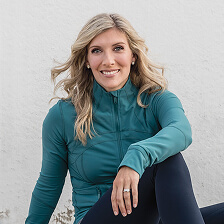


In 2020, Dr. Judith Joseph noticed that despite her success as a psychiatrist and researcher, she was overwhelmed and exhausted, yet dissatisfied and restless; she often teetered between feeling fatigued and a relentless drive to keep busy. She noticed a similar phenomenon among many of her therapy patients: The go-getters, the high achievers, and super-reliable types in her practice were at best feeling “meh” in their day-to-day lives.
This inspired Joseph’s research around what she now refers to as high-functioning depression — something that may cause people to feel anhedonia, or a lack of joy, pleasure, and interest in things they once enjoyed. In this episode, Joseph dives into this topic, as well as the five-step plan she developed for reclaiming joy.
Judith Joseph, MD, MBA, is a world-renowned psychiatrist and researcher who specializes
in mental health for children and adults. She conducted the first study on high-functioning depression and her peer-reviewed study is the basis of her bestselling book, High Functioning: Overcome Your Hidden Depression and Reclaim Your Joy.
In addition to her groundbreaking clinical research, Joseph is the principal investigator at her own research lab, Manhattan Behavioral Medicine, where she and her team have conducted over 100 clinical research studies in psychiatry and neurology.
She has additional expertise in women’s mental health and is a board member of Let’s Talk Menopause, a national nonprofit that advocates for women’s health initiatives. Joseph is the chair of women in medicine at Columbia University’s Vagelos College of Physicians and Surgeons and organizes Columbia medical students and physician alumnus to work together on women’s empowerment initiatives.
Joseph’s expertise in women’s health led to her becoming an official MasterClass instructor and she taught the first MasterClass series on menopause alongside Halle Berry and other experts in 2024.
In this episode, Joseph details what high-functioning depression is and how it differs from clinical depression. She also shares how joy can help us overcome this condition, and why joy is something we all deserve. Insights include the following:
- We’re all built with the DNA for joy and it’s our birthright as humans, emphasizes Joseph. She maintains that if we’re not feeling joyful or like joy is something we can grasp, then that’s a problem.
- “Anhedonia” is a hallmark of high-functioning depression and is described as having a lack of joy, pleasure, and interest in things you once enjoyed.
- For clinical depression, providers look at symptoms including sadness and problems with energy, sleep, appetite, or concentration. To be diagnosed, you have to check the box that says, “These symptoms have led to a loss of functioning or a significant impairment of functioning or these symptoms lead to distress.” Joseph was finding that patients were coming in with symptoms of depression but they weren’t losing functioning — they were actually overfunctioning or overworking. They weren’t in distress but rather felt “meh” or “bleh.”
- This observation of “meh” revealed a gap in care if providers had to turn people away until they couldn’t function or were in distress. It made Joseph think, “Why are we doing this in mental health?” She compares this to the approach of her cardiologist colleagues: They don’t say, “Let’s wait until you have a heart attack and then we’ll do something.” They’re aiming to prevent the cardiac risk.
- Joseph started studying this phenomenon and in the first-ever peer-reviewed, published study on high-functioning depression, she looked at patients who had symptoms of depression but rather than breaking down, they overfunctioned; rather than shutting down, they couldn’t sit still. They coped with their pain by busying themselves.
- Joseph says in her therapy practice, the No. 1 thing patients say to her is, “I just want to be happy.” But what she’s found is that people almost always say their happiness depends on external factors — for example, “I’ll be happy when I meet my soulmate.” Joy, on the other hand, is an internal experience — it’s basic, simple pleasures that we as humans have but oftentimes don’t notice or appreciate.
- Shifting focus from “I’ll be happy when . . .” to “Let me see if I can grab one or two points of joy a day” helps people become more hopeful; it feels attainable.
- Joseph has a framework for overcoming high-functioning depression that she’s outlined as five Vs:
- Validation: Name and identify what you’re feeling — without judgement — to decrease feelings of uncertainty, which is unsettling for the brain.
- Venting: Develop the habit of expressing your emotions and releasing the pressure from your internal system so those emotions don’t pop up in your life in ways you can’t control.
- Values: Tap into your core values — things that are priceless, not things with price tags — to feel a sense of purpose and meaning.
- Vitals: This is how you support your body and brain. Joseph explains that there are three traditional vitals — nutrition, movement, and sleep — and three non-traditional vitals — your relationship with technology, people, and work — worth focusing on.
- Vision: How do you plan joy in the future so you don’t get stuck in the past? This includes acknowledging and celebrating your wins.
Transcript: How to Overcome High-Functioning Depression and Reclaim Joy
David Freeman
Welcome back to another episode of Lifetime Talks. I’m David Freeman.
Jamie Martin
And I’m Jamie Martin.
David Freeman And in this topic, we’re going to be hitting on high functioning depression and strategies for reclaiming joy. In 2020, Dr. Judith Joseph noticed that despite her success as a psychiatrist and researcher, she was overwhelmed and exhausted, yet dissatisfied and restless, offer teetered between the fatigue and the relentless drive to keep busy. She noticed a similar phenomenon among many of her therapy patients, the go-getters, the high achievers, and the super reliable types in our practice were at best feeling meh about their accomplishments as a whole. And they typically felt guilty about not doing enough. This led her to her research, which she now refers to as high functioning depression and also develop a five step plan for reclaiming joy.
Jamie Martin
Yeah, we’re super excited to have you on the podcast, Dr. Judith Joseph. You were also recently on a cover of Experience Life magazine. How are you?
Judith Joseph
Great, thank you for having me. It’s so good to see you again.
Jamie Martin
Good to see you.
I just want to read a little bit of your bio. You have an amazing list of credentials. We’re going to get just a little tight one here, and then we’re going to dive right into questions with you. you are a world-renowned psychiatrist and researcher who specializes in mental health for children and adults. You have conducted the first study in the world on high-functioning depression, which we’re going to be centering our conversation around today. And your peer-reviewed study is the basis of your best-selling book, High Functioning: Overcome Your Hidden Depression and Reclaim Your Joy. You also have some specialties in women’s health. been part of, you you taught the first masterclass series on menopause alongside Halle Berry and other experts in 2024. We could go on and on, but we’re really excited to have you on with us and to talk about your book and just this really important topic that I think is affecting a lot of people.
I know when I read High Functioning before I met you in person, I was reading it going, I relate to a lot of this. I feel this in my own life. And so I think it’s one of those things that as I’ve talked to more and more people, they’re just resonating with it and feeling like they’re actually feeling seen when they hear this phrase come up.
Judith Joseph
Yeah, a lot of people are like, okay, now I have a term for what I’m experiencing. And I do a lot of work in terms of educating the public and so forth. And one of the things I recently learned was that when people search for how they’re feeling, they don’t put in terms that mental health professionals use. for example, if I were to talk to a colleague, I’d be like, ⁓ you know, is the person depressed? Are they anxious?
But when like the real people put in search terms, they put in things like, why do I feel weird? Why do I feel off? But like in the mental health community, we’re looking for things like, are you depressed? Are you anxious? So there’s just this huge disconnect. So when I started talking about a lack of joy and this term called anhedonia, people were like, my gosh, there’s a scientific term for when I feel off, when I feel weird, when I don’t feel like myself. Because, you know,
We’re all built with the DNA for joy. It’s our birthright as humans. So if we’re not feeling joyful, if we can’t grasp joy, that’s a problem.
David Freeman
And even within the actual bio, it is up speaking to you had to go through this experience yourself to be able to speak to it. And just thinking of that as far as a person that is actually practicing this and also helping people with it, you always can now speak from that experience. So if we just break down that definition and more, get our listeners even more connected to you as far as share with us your experience and what exactly that high functioning depression looks like.
Judith Joseph
Yeah, so clinical depression, the term that is in most medical literature, it happens when you have all these symptoms of depression. So you have symptoms like sadness, but some people don’t have sadness. Some people have anhedonia, which is a lack of joy, pleasure, and interest in things that they once enjoyed. And then there are more symptoms like low energy, problems with your sleep, problems with your appetite, concentration problems.
All of these symptoms on a checklist and at the very bottom of the checklist, you have to check this final box of these symptoms have led to a loss of functioning or an impairment, a significant impairment in functioning, or these symptoms lead to distress. But what I was finding was that a lot of folks were coming in after 2020 having all these symptoms of depression and then at the very bottom of the checklist, they weren’t losing function. They were actually over-functioning, they were overworking. They weren’t saying they were in distress. They were saying they felt nothing. felt meh, bleh. So there was really nothing for these folks. And I found myself saying, okay, well, when you lose functioning, then come back. And I thought, like, why are we doing this in mental health?
And my colleagues who went to medical school who are cardiologists, they’re not saying, let’s wait until you have a heart attack and then we’ll do something. They’re saying, let’s prevent the cardiac risk. My friends who are gynecologists aren’t saying, let’s wait till your hip fractures. Let’s start the hormonal treatment to prevent the hip fracture. And if a doctor who’s a cancer doctor said, let’s come back when you’re stage four cancer, you’d be like, where’d you get your medical degree from? You question them. But in mental health, we’re still in dark ages. We still wait for you to break down, and then we react. And I thought, why are we doing this? And it was when I was sitting at my desk giving a talk to this massive hospital system, and then I — halfway through that talk, was like, wait, I think I’m depressed. And it snuck up on me, that feeling of anhedonia, that, meh, bleh. I thought if it could sneak up on me and I study this and I treat this for a living, I wonder how many people out there are experiencing this and they don’t even know if there’s a term for it.
And so that led me to start studying this. I wrote up a protocol where we enrolled patients who had all these symptoms of depression, but rather than breaking down, they actually over function. And rather than shutting down, they couldn’t sit still. There were like these busy bodies who were coping with their pain by busying themselves. And it was the first peer-reviewed published study on high-function depression in the world. We weren’t even aware of it until the review board said, we couldn’t find any other study. So yours is first in the world. And when we started to talk about it and educate the public, people were like, that’s me. I just didn’t know there was a term for it.
Jamie Martin
Yeah. And I think when you and I met a few months back, I mean, you mentioned that this still isn’t in, and now I’m not going to remember the DSM-5. It’s not defined in there, correct? Right. But it’s still something that you’re finding so many people are dealing with. What is the prevalence of HFD? Like, I’m going to refer to it as HFD going forward, just to tighten it up. Do you have ideas based on your research? Like, how many people are dealing with it?
Judith Joseph
We don’t because I did the first study, but since I’ve published that study, a lot of universities around the world have reached out to me. People from Europe have visited my lab, Asia, they’re starting to do these studies. But when you look at typical depression, I mean, we can look at all of those studies that are done because there’s like a massive amount of literature. Depression’s quite common. You know, in some studies it says it’s as common as like one in five people and other studies one in 10. It’s really difficult to determine the exact number, but it’s a pretty common.
And what we do know is that depression is more common in women versus men. Women are twice as likely to have depression, twice as likely to have anxiety compared to men. And so, again, some people question even that data because a lot of men won’t say they’re depressed. Women are acculturated to talk about their emotions.
A man may experience depression, but come home and knock back three bears and then yell at his family and go to bed, right? And never get diagnosed because we’re looking for sadness. We’re looking for crying. We’re looking for people expressing depression, but men express it differently. you know, that’s why determining the exact number can be challenging, but we do know it’s very common. High functioning depression, I think, is more common because I think a lot of us walk around wearing this mask of pathological productivity.
We don’t know how to acknowledge and tap into these emotions where humans doing instead of human beings. And in my study, what I found was there was a high correlation between unprocessed trauma, unprocessed pain and HFD. And the theory is that, classically when they have a painful experience, you know, for example, looking at PTSD, most people would say, I don’t want to see the person. I don’t want to be in the place. I don’t want to even be in a situation that reminds me of it.
Those are my triggers and they make me shut down. But the theory is that with high functioning folks, they don’t want to deal with the pain. So rather than avoiding people, places and situations, they just avoid dealing with it by overworking, by busying themselves. So you ask them, how do feel when you sit still? They feel empty. How do you feel when you’re not working? They feel restless. And that’s the difference. I often get asked, how is that different than burnout? And I usually show — I have this model of the brain in my office where it’s like, I usually show this model to patients, but like literally like this is the brain in the workplace. And a burnt out brain in the workplace has all the stressors from the workplace, right? all the, know, the environment’s causing you to feel low motivation, fatigue, irritable, anhedonia, sadness.
Because burnout is an occupational hazard by definition. It’s a workplace causing the symptoms. So you remove that person from the workplace and those stresses are gone, they start to feel better. High functioning folks, they’re in the workplace, they still have the stressors, they have those symptoms I talked about. But the difference is that when you remove them from the workplace, they don’t get better. It’s not the external environment causing the symptoms. There is something inside the individual that it’s an internal process that hasn’t been done. It’s an internal lack of processing the pain that hasn’t been done and that’s what’s causing symptoms. That’s why even when they’re out of work, they don’t feel better. So that’s the that’s the difference between HFD and burnout.
David Freeman
Yeah. within that same vein, yeah, just understanding that the brain reference that you showed, I want our listeners, one, first for you, if you can, before we start to talk about the influence and then obviously the ambition of the burnout here, when we say big T and little T as it relates to trauma and then how that sits within our mindset and our memories. So let’s define that real quickly and then I’m going to follow up with a little bit more to elaborate on that So big T and little T, how would you define that for our listeners?
Judith Joseph
Well, traumas, according to that DSM, which is the Diagnostic and Statistical Manual for Psychiatric Conditions, basically the Bible of psychiatry, trauma as defined there, which leads to PTSD, has to be like a major like life-threatening event or an assault. Like, you know, think about combat, think about someone getting attacked, right? There are these really significant events that are either life threatening or is extremely triggering, But many people experience little T traumas, which are don’t make it into that book, right? So things like not having food when you grow up, being neglected by a parent, being verbally abused by a partner, losing all your money in a bankruptcy.
Right? Like these are very traumatizing things, but they don’t meet it into that. They don’t meet that nice little box within the DSM for trauma. And so many times in my PTSD research, when I bring a patient in and we’re going through the DSM, we’re looking at trauma and they say, yeah, I had an ex who belittled me all the time, withheld finances from me and made me, you know excluded from my family and they just alienated me and it was very traumatizing. I have to say, well, that sounds very painful, but you don’t meet criteria for trauma. And they’re like, what? Because according to that very neat criterion in the DSM, that’s not considered a trauma. But in the real world, that is a trauma, right?
So I define traumas in general as experiences that are so significant that they’ve shaped you and how you view yourself, how you view yourself in the world, how you interact with others, right? And that encapsulates a lot of painful, significant experiences, not just the big T’s. And so I created this more expansive inventory because after doing years, again, this research and then having to turn people away and then off the record saying, I believe you, but on the record, that’s not a trauma.
You know, I felt like I had to create a more expansive inventory for trauma. So things on my trauma inventory are things like, you know, have you ever been excluded because you look different than someone else? Have you ever been in a situation where you didn’t have food to eat? Have you ever been in a situation where someone literally verbally little do and made you feel like you are or nothing? Right? These are all things that are painful. And, you know,
In the real world, we’d never say that’s not a trauma. We’d say, my gosh, that’s terrible. But in the scientific world, we’d say, I’m sorry that happened to you. That doesn’t count. So I wanted to keep all these things in that inventory and include the big T’s and the little T’s.
David Freeman
No, I love that. And thank you for explaining that. I think of the accumulation of all the things that you just say, whether it’s the big T, obviously it’s there. And then you have the little T’s, these little accumulations over lifespan. And then I got a reference to the movie like Inside Out. I just think it displayed such a great way of how to one, connect to emotions. But the core memories was a part that stood out to me in that movie. With that, when you look at the big T and the little T’s.
These core memories and then I remember you just displaying the brain for those who are watching. I wanna understand now, this can be something that might have happened at an early age, but then does not show up again until teenage years or maybe in adult years. When that now shows up, like you said, it can be triggering. I’m more curious because you’re saying the person has been able to function in “normal” and I got air quotes for those who are listening. “Normally.”
But then this event happens that reminds them of what happened in their childhood years. So I’m more curious of how you address those. And we’re having like a therapy session right now, just because it’s years have passed and they’ve almost put it or compartmentalize it. They put it behind them, if you will, but it’s still there in the brain. And then something reminded them of that. So if you can kind of walk me or us through that process. I’m now sitting in your chair. I don’t know where this came from. I’m overwhelmed. have this history of what happened back 20 years ago and now is affecting me in this present day.
Judith Joseph
Well, it’s not always the case that people are aware that this happened to them. Many times, you know, it’s buried in what we call the unconscious, but most people refer to it as subconscious. But in psychiatry world, we call it the unconscious brain. So you have the surface level where you’re aware of things happening on the surface. But then on the unconscious level, there are things that are happening that may pop up in ways that you just don’t even realize.
And one great example of this that I’ve seen across the years are anniversaries. like, you know, people will say, you know, every summer I get really, really sad. And then we’re like, well, what is there anything that happened in the summer? No, nothing happened. And then as we do the work together, we realized there was actually something really bad that happened one summer. And they didn’t even, they weren’t even aware that every July they feel terribly sad, hopeless, don’t want to do anything. And they’re like, my gosh, I totally forgot that that had happened, right?
Because it had been varied, pushed down in the unconscious or the subconscious level, and they just weren’t even aware. In other cases, people are aware. They’re very knowledgeable of things that have happened to them, but rather than processing it, they just invalidate it and say, yeah, it happened, doesn’t affect me. But then they’re not even aware as to how it does impact their behavior, even though on a conscious level, they’re like, nope, it doesn’t impact me. So, you know, everyone’s different in that way. And that’s why I often say, understand the science of your happiness, because there’s only one you and there’ll only ever be one you in the future of the universe and in the history of the universe, only one you. So, you know, things that work for someone else may not work for you.
So take the time to understand what makes you so different, what makes you so unique, because you’re here for a reason. The chances of you existing are so small to begin with. So take that time to understand you.
Jamie Martin
I love that as a segue into this kind of next part of our conversation, it’s kind of like, do we do about high functioning depression, right? But I think we also need to take a moment to talk about the difference between happiness and joy, because you really focus on the joy aspect of it. Can you define or differentiate between the two of them so we understand kind of why we’re looking at the joy piece?
Judith Joseph
Yeah, so I treat patients in the traditional therapy sense, like talk therapy, medication management. So that’s my therapy practice. And then I have a research lab where we literally study mental health conditions and we use all these psychiatric rating scales and it’s very quantitative. We do lab work, ECGs, collects final fluid. It’s a very sterile kind of environment.
But in the private practice where I see patients for talk therapy, they’ll come in and they’ll say, the number one thing they’ll say is, Dr. Judith, I just want to be happy. Like literally every patient says that. And I’ll say, well, what does happiness mean to you? And oftentimes it’ll be, like, well, once I finally have my soulmate, I’ll be happy. When I finally pay off my debt, I’ll be happy. Or when I finally get the dream job, I’ll be happy. It’s always some external thing, right? When they’re defining happiness.
But in the research lab, when my team and I are actually measuring happiness, we’re trying to add up these points of joy. So we’ll ask patients things like, when you ate your food, did you savor it? Was it yummy? Like, did you look forward to it? When you took a nap and you woke up, did you feel refreshed? When you were lonely and you reached out to a loved one, did you feel connected, seen, heard? You know, when you were stressed, were you able to self-soothe? It’s all these little points that we’re adding up.
And that’s how we’re determining if you’re getting better, worse, or staying the same. But in the real world, people are like, well, when something external happens, I’ll be happy. So joy is different. When we’re adding up the joy, it’s an internal experience. It’s these basic, simple pleasures that we as humans have, but oftentimes we don’t even appreciate them. We’re leaving our points of joy on the table because we’re chasing this external idea of happiness.
And so when I shift and reframe that for my patients, it’s way more hopeful because instead of saying, I’ll finally be happy when everything’s all perfect and tied up in a bow, they’re saying, well, instead of chasing this idea of happiness, let me see if I can grab one or two points of joy a day. For example, let me go for a walk outside after the session through Central Park and just feel the breeze on my skin and look at the trees and listen to the birds. That’s a point of joy of awe.
Or, you know, let me savor my meal rather than shoving my food in my face at lunchtime in front of a screen during a meeting, right? That’s a point that I got versus losing that point yesterday, right? It becomes way more hopeful and attainable. And what we’re learning in the suicide research is that a lot of patients, especially patients who very hopeless, will say their idea of like feeling happy is like that smile. Like that’s I know happiness is this smile emoji, right?
But we have to reframe it because we want them to try and get as many points of joy in the different pleasures, right? We’re saying, no, actually happiness is if you’re stressed, are you able to soothe yourself? If you’re hungry, are you able to feel satiated? If you’re tired, are you able to rest? If you’re lonely, are you able to connect? And that’s what we measure with happiness. Not just this emoji one thing, it’s all of these sensations. Can you get more of those? Because that’ll make you overall happier.
Jamie Martin
Interesting, it’s so interesting.
David Freeman
Yeah, the tail end of that, you mentioned the word suicide and what you said earlier as far as the statistics with more women being depressed in this space and then obviously it can be somewhat skewed because a lot of the men probably are not coming out or having therapy done in that space. So when we look at the numbers, fact check me on this, but as far as males at a higher rate as far as suicide.
Judith Joseph
Higher completed suicide and more violent suicide. So women will have suicidal ideation, which is like the thinking, but the actual completed suicide is men. suicide tends to be like more violent. suicide is one of those things that it’s like such a mystery because it’s not just depression. People think, you have to be depressed. No, some people die by suicide because they are in a very hopeless moment. Let’s say you just found out that you’re gonna potentially get into trouble, right? A lot of younger kids, because their frontal lobe isn’t fully developed and they’re very impulsive, if they believe that they’re gonna get into trouble, they’ll just say, let me just escape this right now, I can’t tolerate it, right? So it’s not necessarily that the person was struggling with depression for a long time. In many cases, it’s not even that. It’s really out of despair.
You know, it’s out of loneliness and so to say that it’s tied to depression is not accurate. But yeah, when we are looking at the suicide research and like the ways to help people to feel less hopeless and less alone, we wanna have them engaging in different sensations and showing them there are different ways to access points of joy. It’s not just one thing. It’s not like, okay, when I finally feel happy, no, if I’m able to access through all these different simple pleasures and not leave them on the table. Then overall, I’m adding up and becoming happier.
David Freeman
And for the individual who’s unaware, right? Right now, obviously we’re having the conversation about it, but it might be very rare that a person is aware of it and now they’re gonna come down or meet with you to go over these things. So how would you encourage those, it could be spouses or friends that might see some of these things that we’re talking about today, how they can somewhat connect to say, there’s some opportunities here when it comes to HFD, like.
How should they entertain or kind of engage in that conversation and bring awareness in a way that they’re not calling them out, but at the same time trying to help? How would you encourage them in that space?
Judith Joseph
Well, there’s a lot of high achievers and high functioning folks who are busy and they’re productive and they’re enjoying what they do, right? There’s no anhedonia. That’s great. know, keep on, keep, going. Cause you are the dream. But if you are busy and you’re pathologically productive, right? You can’t slow down. You don’t know why you’re not getting joy out of life. You know, I think it’s really difficult for those folks to slow down on their own.
Because I think many times they’ve forgotten who they are. They believe that their identity is their role, that their whole self-worth is tied up into what they can do for others. And they feel as if if they were to ask for help, they’re burdening others. So they don’t feel comfortable asking for help and they don’t feel comfortable acknowledging the pain. Their coping skill is to push that discomfort down, push the pain down. The problem is that if you keep by pushing down the pain not processing it, you also push down the capacity to feel that joy. So when you want to show up for these folks who don’t feel comfortable asking for help or sharing what they’re going through, or may not even fully acknowledge what they’re going through, you just want to meet their basic needs. These are people who are likely not getting sleep, they’re likely not able to slow down, they’re likely not getting good nutrition, they’re not getting movement.
So things that you can do for them is just show up for them to meet their basic needs. Like, hey, I made this for you. You’re so busy. Notice you’re not really getting all your nutrition in. Here’s like this really healthy thing. Let’s sit and eat together. Right? You’re doing a couple of things. You’re validating what they’re going through. You’re meeting a basic need of healthy nutrition, but you’re also sitting with them and giving them space to relax, to rest. Right?
You also want to remind them that they’re more than their role. Like no matter what you do, we don’t care. We love you. You’re valuable to us. It’s not what you can bring to us. It’s just you. We just want to be around you. And many times we say like, ⁓ let me know how I can help. Don’t, I always say just do the thing. You see that they have to drop the kids off or they have all these errands to run, just do it.
So those are ways to show up for them. And the best thing you can do is to mirror what you want to see, mirror the change you want to see. When you take care of yourself and you prioritize your joy, it is contagious. I often say that anadonia is contagious. You know, like when, if you ever walked into like a workplace where the boss or the leader is really unhappy, everyone else is unhappy, right? You’re like, people look like they can’t wait to get out of that job. You know, they’re counting on the clock.
But if you have ever worked, walked into a workplace where someone is joyful who’s the leader. You can tell people are smiling, they’re holding the door for you, there’s a pep in their step, right? So, anhedonia is contagious, but so is joy. So, when you start to invest in your personal joy, that person’s gonna see it. They’re gonna be like, there’s something about you. I want some of that, right? So, be the change that you wanna see.
Jamie Martin
Yeah.
David Freeman
I love it. And I mean, that’s like, perfect. I wrote all those notes — you saw that? But I go back to what you just said, it’s contagious, like be the change that you want to see. If Jamie, let’s say just Jamie is my my close, close friend, and she sees me doing well in my space. Can it not also be a side of let’s say she’s high function and she’s doing a lot of things, but not necessarily moving at the rate that she sees me moving over here? It become somewhat of an envious or jealousy versus, oh I wanna model that behavior, it’s not working out the way I want it to be. And I envy this person now. I smile in their face, but I envy this person.
Cause I’ve seen this. I’ve seen the same thing that you just said as far as in the workspace or outside of the workspace of your modeling the behavior, you’re doing all the right things, you’re pointing to the individual, but for whatever reason, there’s still this — because I think it’s the identity piece that might be lost. And since that is compromised, it’s hard for them to comprehend what they’re seeing. So therefore the knee jerk reaction is, don’t care that this person is doing well, even though I act as if I do.
Judith Joseph
Well, some people are going to see what you’re doing and they want to be like you. And they’re not going to, you know, there’s a difference. There’s people who can be happy for you and they’re like, oh wow, I wish I could be like you. But there are some people who are like, oh wow, I wish I could be like you, but I don’t want you to have what you have. Right? There’s a subtle nuance, right?
And so I hope that the person that you’re trying to help is like, I wish I could be like you and I don’t want to take it from you. I just want to be more like you. But when you get into those dynamics where it’s like, oh, I want to be like you, but I don’t want you to have it, then maybe that person shouldn’t be in your life.
David Freeman
All right, all right, all right.
Judith Joseph
And it is possible to have some of those like maladaptive or less desirable personality traits and the depression, right? One of the things I get asked often is can narcissists have high functioning depression? And I say, yes, they can.
But also, people who are not narcissistic can have high-functioning depression. there’s mental health is so complex, right? People can have what we call personality disorder traits, plus a mental health condition like a depression or anxiety, right? Some people just have the depression and the anxiety without the personality disorder trait. So yeah, if you’re around someone who’s like, wow, I wanna be like you, but I also don’t want you to have it, then I would say run for the hills if you can.
Jamie Martin
Right? So we’ve talked a lot about, you know, about high functioning depression and hedonia, but we also want to talk about the strategies for what we can do about it. And you have your framework, the five Vs, and we want to walk through that because I do think that’s really important for people to understand. Like there is a path out of this and a lot of these things are within your control while also having support from someone like you, Dr. Judith. So let’s start with the first V and its validation. What does that mean?
Judith Joseph
Well, the reason that I came up with five is because I work with children and adults and I wanted something so simple that people could look at their hand, right? Because most of us have five fingers and you could say, I’m built with the DNA for joy. is my birthright as a human. I’m going to tap into one of the five V’s every day to reclaim a point or two of joy, right? One or two, not more than that.
But the first is validation. And I describe validation as imagine you’re in like a really dark room and you can’t see anything and you hear a loud crash. You know, like we get very frightened. Some of us would start running, some would start swinging, some would start screaming. But if you turn the light on and you saw, that was just, you know, a vase that fell, then you feel like, I know what I’m dealing with. That decreases that uncertainty. And the human brain does not like uncertainty. So naming and identifying what you’re feeling is like turning the light on on your emotions. You see what you’re working with. Now you can respond appropriately.
But many of us walk around not even knowing how we feel, right? I told you that the number one search is why do I feel off? Why do I feel weird? People don’t know how they feel and it’s very unsettling. They search for answers, they try to self-soothe over work, much drinking, know, a lot of things. But when you accept how you feel without judgment, that is validation. You can self-validate. I use a lot of the rating scales in my lab to use like numerical validation when a patient comes in and they’re like, I feel off, I feel weird. And they fill out the anedonia scale that I have online and they’ll say, my gosh, my scores are so high. Like that’s what it is, right? So it’s validating to even see that what you’re experiencing comes out in a number because of it’s mental health. It’s not like cardiology where we can like take a blood test and say, you have high lipids, right? Like the numerical rating scales are very validating.
In fact, on a recent podcast, I talked about my anedonia scale. And I just, remember it crashed my website because so many people filled it out. They wanted to know what like what this anedonia was and if they had it. And like, I think after that podcast, 10,000 people filled it out and it crashed. So people wanna know what it is that they’re feeling. They just wanna understand it. They just, need that term. Not to create labels, not to pathological, make everything pathologized, but it’s to really to name it because there’s something in psychology called affect labeling, when you can name it, it decreases the uncertainty and then you know what to do. So that is validation.
The second fee is venting. And usually with venting, I have people come to my lab and when I demonstrate it, I have this red balloon and they take this red balloon and they try to dunk it into this big tank of water. And every single time, 100% of the time that balloon pops up, it makes a huge splash. Some people try to like really do it and it’s like, nope.
Until you can’t out math the physics, right? But if you deflate that balloon, we all take turns, we can easily push it into the water. And so I use that because I want people to see that if you don’t get into a healthy practice of expressing your emotions and releasing that pressure from that internal system, those emotions will pop up in your health. It’ll pop up at work. It’ll pop up in your relationship in ways that you cannot control.
So get into a healthy habit of expressing your emotions. And if you have a therapist, great, but many of us don’t have therapists. So pick one or two people that you trust where there’s an understanding that you’re not gonna gossip about what each other tells you. It’s not just gonna be trauma dumping where there’s no intention or resolution in mind, right? You know, sometimes the feedback is not gonna be what you wanna hear, but they’re gonna tell it to you, right? Honestly.
And the whole goal is to come up with this actual resolution to this problem. But if you don’t have someone to talk to, if you’re faith-based, you can pray. If your neurodivergent verbal interactions is not as easy for you, writing in a journal could be helpful. If you’re an artist expressing it, but just do it in ways that feel authentic to you. mean, even with the children in my practice, I often tell the parents, sometimes parents are like, my child cries all the time. And I’m like, and what’s wrong with that?
That’s their way of venting, right? If you ever tell a child who’s crying, stop crying. Why are you crying? They cry more. But if you tell a child who’s crying, know, crying is good. Crying makes you feel better. Get the sadness out. They stop crying, right? So like there are different ways that we can vent that feel authentic and intentional to us.
Jamie Martin
Love that. The third one is values. What’s covered in this part?
Judith Joseph
Values are things that we, I often say values are things that are priceless, not with price tags. So, I mean, you see my degrees in the back. I have so many, can’t even hang them all. There’s like a cupboard with the rest of them. For a very long time, that’s what I chased was the accolades, the achievements, but it didn’t satisfy me. wasn’t like, that’s making me feel purposeful. It was just like the price tag, right? The achievements.
But when I started to tap back into my true core values that give me meaning and purpose, which has always been giving to community, doing for others, that’s when I felt really satisfied. So a lot of my patients will come to me and they’ll say, I don’t even remember what my values were. So we do a lot of work together trying to uncover the past values. You know how I mentioned that the unconscious brain is so tricky, like sometimes you forget who they are. So some of the work is we’re going back in time.
I’m going to help you be the archaeologist of your past. So it’s like you’re dusting off the past. And many times that involves bringing in old pictures or old items from the past and we reflect on it and like, what were you feeling during this time? Who were you around? What were you doing? And then people will find out there was a patient of mine who he’s very successful and he was like, why am I not happy? Like I have everything. And he was feeling guilty for like, he felt like he was complaining.
And we went into the past and we found out that in his younger years, he liked to tinker. And now he wasn’t doing any tinkering because he had this fancy job in finance where there’s zero tinkering, right? So we started to say, okay, let’s figure out how to tinker again and build. And now like he is just so joyful every day he rushes home looking for tinkering with his little things, you know. And so many of us have lost sight of what really makes us feel purposeful and given us, giving us a sense of meaning because we’re chasing the things with the price tags and we’ve forgotten the things that are priceless. So try and tap into things that are truly your real values, not the superficial values, the core values.
David Freeman
All right, and then we got the fourth V, vitals.
Judith Joseph
Well, vitals is something that you all focus on heavily, right? And this is how you support your body and brain. And since my daughter was two, I’ve said to her, like, how many bodies did God give you? And she’s like, one. And I’m like, what do you got to do? You got to take care of it, mommy. So you only get one body and brain. Really take care of it. And I talk about the three traditional vitals that most health professionals will talk about, like sleep, nutrition, movement, but there are three non-traditional vitals.
And the one that I think impacts us the most these days is our relationship with technology. And there was this recent study in one of the University of Texas schools where they took away the smartphone capacity from these adult phones for like four weeks. And what they found is that if you took away that smartphone, so the person could only text or call, they couldn’t go online, they couldn’t be on social media.
What they found was that the scores, the depression, it looked like the happiness scores looked as if they had been treated with an antidepressant. That’s how like significant their happiness points went up. So the researchers thought, they were like surprised, they thought, well, what is happening here? So they started asking these patients. And what they found was that people were actually getting better sleep, right? Remember that point of joy that we measure? They were actually getting more social connection. Another point we measure in the happiness research. They were getting more movement.
They were out in nature more. They were actually like savoring their meals, you know? So all these points that they were leaving on the table, they were actually getting more of it because they weren’t planted to their screens. So we have to be very mindful about our relationship with our screens. And there’s this institute at Stanford that studies virtual meetings and how it impacts our brains. And they found that like, when we’re on these virtual meetings, we end up not like, we end up not looking at each other. We end up looking at ourselves.
So we’re like looking at our faces, we’re scrutinizing ourselves, like, why do we do our hair like that? Why do we look so tired? We’re not even focusing on the other person. So not only are we missing out on that point of connection, but we’re also feeling, we’re judging ourselves, we’re criticizing ourselves. And human brains were not designed to look at our own faces while looking at other people.
So there are all these little things that you can do in a day to minimize that stress on your brain, like not looking at yourself on virtual meetings, getting movement, maybe going off camera, maybe doing them while talking, you know? But just be mindful of how screens impact you. And the other two non-traditional vital signs are our relationship with people, because we’re learning that this is a positive predictor of longevity. When we have healthy relationships with people who are not toxic, we live longer, we’re healthier. And our relationship with work, if we’re able to leave the work at work and have a life outside of work, that’s one of the vitals that we tend to overlook.
And the fifth V is vision. How do you plan to join the future so you don’t get stuck in the past? And that includes celebrating your wins. You know, it doesn’t have to be something really elaborate. It could be something small like, you know, when your team finishes a project at work, you all get together by the water cooler or you just you know, go out to lunch, something small just to acknowledge a win versus just like, okay, onto the next, right? Because what we’re doing is we’re training our brains to just not even like acknowledge those points of joy that are connection, right? We’re so focused on the external idea of like, happiness is checking the box, doing this thing. We’re missing out on the internal points of joy that really make the work purposeful. So, you know, and that could be as a team or, you know, on a personal level before you go from work to picking up your kid after work or school, have like 10 minutes to yourself where you do something for you, going for a walk or having like a delicious, I don’t know, matcha.
So whatever it is that you wanna do, just carve out that time for you to celebrate when you finish the day. Before you switch tasks from work at work to work at home, just have those points of joy to look forward to every day and celebrate those months.
Jamie Martin
What I love about this and so much of it is like even within vision, it’s like the idea of micro moments of joy. Like I think you and I might have talked about this the last time I saw you, but this idea of glimmers and like little moments, they don’t have to be, yes, awe in the big sense of like seeing something really beautiful in nature, the Grand Canyon, that’s amazing. But like, hey, I walked and I saw this beautiful leaf that just changed colors, like, because the seasons are changing on a walk I do all the time. Like how do we just tap into those little moments and give ourselves permission to see it and feel it and enjoy it. So, I don’t know. That to me is accessible and doable in the day-to-day.
Judith Joseph
Yeah, even if it’s like, okay, I can’t think of what to do. Even I talk about my book, Intentional Relaxation, like you are just doing nothing. And my daughter, when she was younger, she had a speech impediment and she would say, mommy, I just want to relax. And now in our household, we say, I’m belaxing. So belaxing is like relaxing, but so like literally just absolutely doing nothing. And it’s intentional relaxing.
So yeah, if it’s just like, want to sit in my car 10 minutes and just relax without doing nothing before I pick my kid up, that’s fine. Look forward to that moment.
Jamie Martin
Absolutely. Well, I want to ask you a question about menopause. But before we get to that, I wanted to take a moment and talk a little bit about how you’re getting the word out about this, because you have a very vibrant social media community on TikTok, on Instagram, and you kind of do this idea of like a little bit of a performance side of you that comes out to get the word out. So talk a little bit about that and why you’ve taken that approach.
Judith Joseph
Well, I started a course at NYU where I’m a clinical assistant professor about 12 years ago. And that was around the time that I was finishing up my fellowship. So for psychiatry, you have to do your adult psychiatry residency first. And then if you want to treat children, then you do an additional two years of child fellowship. It’s like counterintuitive. You would think that you would start off learning about children and then adults. But no, you start with adults. And then if you want to treat children, you do an additional training.
But so when I was in my fellowship, the hospital had just opened up a brand new psychiatric ER for children. So that was like very brand new, a novel idea. So people from all over the world who had pediatric psychiatry emergency would fly into this ER. And it got a lot of press. so one of the reporters came by and the administrator who was running the hospital
She was mostly like a leadership position. So she needed someone who was like boots on the ground to like help her answer some of clinical questions. So I was there, she grabbed me and she’s like, okay. And I answered the questions and when the interview went to print, I was like, my gosh, I sound terrible. We need media training. So I went to my director and I was like, we need media training. He was like, that’s a great idea, you create it. And I was like, On top of all my duties, I had to create this course.
I was like, why did I have to open my big mouth? And I was like, why me, why me? And then I was like, wait a second, this can be an opportunity. So like I to reframe and say, actually, I should be grateful that I have this opportunity to create this course for my peers. So I create this course and I’ve been teaching it for over 12 years. And I teach these young doctors how to like go on to press interviews on TV and answer the question without using big words that everybody like doesn’t understand.
Jamie Martin
Make it accessible.
Judith Joseph
Yeah, accessible and relatable. And during 2020, that course went from in-person to online because of the pandemic. during that time, the doctors were like, well, can you teach us how to use social media? Because most people are getting their information now through those avenues versus traditional media. So in order to teach it, I had to learn how to use it. And I didn’t know how to use it. I was like tinkering around.
And then I started to create content and this was the same time that I was experiencing the anhedonia. So I started to create content around anhedonia and high functioning depression and then it went viral. Like I remember I was seeing patients, I like posted it, then I went to see the patients and it came back to my desk and I opened it. It was like a million views and I was like, what? That’s how social media works? And my friends are like, no, that’s not how it works. You’re onto something. People like this information, create more. So that’s how I started with the social media.
In early in my career with the traditional media like television, traditional media is so, so different than social media. So if you look at my, if you go way back in the archives in my socials, you’ll see a lot of like early television performances and it’s like very straight to camera. No, like no theatrics, right? Very different when you’re doing television. But social media is so different. I teach my students this. When you do television or you do traditional media, you’re like within the confines of a production. you have to like, you know, work within the production. So you’re delivering something within a framework.
Jamie Martin
That’s what we’re doing right now to a certain degree.
Judith Joseph
Right. Versus social media is completely different. It’s about it’s it’s literally an extension of your personality. So like that’s why I tell my students don’t try to be something you’re not. like, should I be dancing? Well, are you a dancer? No. Do you like dancing? No, I hate it. Then why would you be dancing? You know, but you know, so it’s an extension of you. And that’s what makes it hit or or or not. Right. Like if it’s authentic, people can tell.
Jamie Martin
Yeah.
Judith Joseph
Yeah. You know, they want, when they connect with you on socials, it’s like, they can feel whether or not it’s you. And so when I started to do my socials, I just did what I grew up doing. My dad’s a pastor and he would impromptu tell, like, he was a big fan of O-Town, so he’d be like, I want my kids to be like the Jackson 5s, but there’s four of us, so you call this the Joseph 4.
He’d like pull us on stage and make us sing, dance, and perform. And so like it was a part of me growing up. And I used some of that to create my social. So like if I’m gonna talk about narcissism, I’m gonna be a narcissist parent and I’m gonna act out the child. know, if I’m going to talk about something having to do with child psychology, I’ll be a little kid. You know, so I use these different performative aspects of myself because that’s part of who I am to demonstrate it and it really hits with audiences and it hits with followers. And so that’s how I got into the social media world. But I still do a ton of traditional media and if you see they’re very different. When I’m on TV I’m a talking head. There’s none of that performance stuff. But on socials I’m like doing a whole bunch of different things.
Jamie Martin
I love like going onto your TikTok and just watching what you’re doing. I’ll be like as a mom of teen girls sometimes I’ll see things that I find relatable too. I’m like, that’s happening in my life right now. I’m the mom in this situation. You know, it’s fun to see. It just feels relatable to that point and very known.
I know we’re running short on time. I had one quick question because I wanted to talk a little bit about your work with women’s mental health and menopause. We do know that there are, you know, we talked about women being more vulnerable to HFD, but particularly at certain aspects of their lives, potentially like perimenopause or even postpartum. Can you talk a little bit about that piece and what you’re seeing there?
Judith Joseph
Yeah, so in my lab, we did some of the early studies for postpartum depression. There’s only two medications on the market in the US for postpartum depression. And in my lab, worked on both. think about that. In the past 10 years, that’s when these drugs came to market. So there was nothing before. Woman’s health is largely understudied, undertreated. It was only until the 1990s when women were even let into clinical research studies. you know, using the male blueprint for a lot of treatments is just not cutting it anymore.
So people are demanding that we do more research and advocacy. And so I got into the menopause world because I started seeing my patients who are like older mothers after they overcame their postpartum depression, which is postpartum, it’s to be due to drops in progesterone during the third trimester and after giving birth that lead to mood changes, anxiety, poor sleep, lack of attachment to your child. ⁓ And I saw a lot of the mothers who were leaving the postpartum recovering, but then going right into what looked like another postpartum. I thought, what is going on here? And I realized that it was because they were in perimenopause or going into menopause.
And I did not get any training in this whatsoever in medical school. So I had to literally train myself, reach out to other healthcare professionals who were interested in this and like literally develop the new models because there just wasn’t anything out there. And so that led me to come up with something I call the TIEs method, T-I-E-S. And the TIEs method links mental health to perimenopause and menopause. So the T is thinking. happens, like thinking issues happen when there are these hormonal fluctuations may lead to problems with memory. So people will be like, like I walked into the kitchen and I can’t remember what I was even in here for. Or they’re about to say something and like the word is on the tip of the tongue and they like lose it and they’re like, you know or they have a large multitasking. And so the thinking parts, it’s really important to recognize that that could be related to the hormonal fluctuations because many times I get referrals for women in middle life and they’re like, I think I have ADHD. And then I ask them, like, well, did you have ADHD as a child? Because by definition, ADHD is a childhood diagnosis. You have to have it before the age of 12.
And they’re like, no, it only started happening in middle life. And I’m like, that could be due to, you know, perimenopause, menopause, they’re like, oh.
And then the, I and ties is identity issues. So a lot of times they’ll say, you know, I don’t feel like myself, like my body’s changing, my thinking’s changing. I just don’t know who I am anymore. And that’s very distressing. And I explained that that’s very common. It’s a common, it’s common report that like, I just don’t feel like myself.
The E is emotional changes. So people will say that I feel moody or I feel anxious or irritable and many times, you know, people get started on an antidepressant and not that there’s anything wrong with that, but if it’s due to the hormonal fluctuations, really should be addressing the root cause first. And then the S is for sleep. So people will say like, it’s hard for me to fall asleep or to stay asleep or I don’t feel like I’m getting restful sleep.
So T I E S and you know, it’s important to educate yourself about this because most doctors only get one or two classes in menopause, probably zero in perimenopause. And so if you recognize these symptoms in midlife, that it could be due to the hormonal fluctuations. And then I often get asked, well, how can you tell if it’s depression? Because I have depression too, or if it’s hormonally related.
And I say like the three P’s. So the first P is if you’re having period changes. So when you open up that DSM, the Bible of psychiatry, under major depressive disorder, you will not see anything about a period. So if you’re having your period changes, like heavy periods or infrequent periods, or just any changes, and you’re having these mood symptoms, talk to your doctor about perimenopause or menopause. The second P is physical changes. Again, when you open that DSM, you won’t see anything about hot flashes, you won’t see anything about dry skin, itchy ears, urinary frequency, you won’t see any of the physical changes.
So if you’re having that too, think about whether or not these mood changes are due to hormonal fluctuations. And the third P is if you’ve had a past history of mental health conditions, you’re more vulnerable to these hormonal fluctuations. So people with past PTSD, people with past major stress disorder, PMDD, which is premenstrual dysphoric disorder, postpartum, past history is schizophrenia, those are gonna be worsened during hormonal fluctuations.
But if you’ve never had a past history of mental health issues and all of a sudden in midlife you’re depressed and you’re having all these physical changes and period changes, you should be like, ⁓ I should talk to my doctor about, know, perimenopause or menopause, right? So this is very helpful because again, can’t really, unfortunately, depend on many healthcare professionals to know this because we just were not taught this. And it’s not to say that your doctor’s bad or like not well-trained. know, doctors and healthcare professionals are trained according to the ACGME, like the medical board determines your curriculum. So if the curriculum doesn’t include perimenopause and menopause, they’re not gonna get training. Doesn’t mean that they’re not good, it just means it wasn’t a part of the curriculum.
Jamie Martin
That makes sense.
David Freeman Wealth and knowledge, needless to say, right? It’s an amazing, amazing episode. Is there anything else, Dr. Judith Joseph, that you want to leave our listeners with before we get into this special mic drop moment question with you?
Judith Joseph
Well, I just thank you for prioritizing joy because I often say that in medicine, I don’t think we ever learned about joy in any of my training. And I think people often think of joy as being like this thing that’s nice to have, like it’s a luxury. But I would argue that it is not. Like I think it’s essential. know, joyful people are more physically healthy. They have better relationships. They have better careers. They are more likely to go out and to change the world to make it a better place. You it’s not the disgruntled angry people that do that. It’s joyful people. They want to spread that joy. And I truly believe that if people were more joyful and prioritized it, the world would be a better place. I don’t think people would be out to get their next mega yacht. I think they’d be out to like help others. So thank you for prioritizing joy.
David Freeman
Yeah, and that goes right into the mic drop moment. What brings you the most joy in your life?
Judith Joseph
Definitely connection. you know, when I say understand the science of happiness, every time that I’ve experienced anhedonia or a lack of joy, it’s because I wasn’t connected to the people that really make my life feel meaningful and purposeful. so connection to my team, connection to my family, connection to my community, that’s when I feel the most joyful.
Jamie Martin
I love that. Well, if people want to learn more about you, they can pick up your book. I have my copy here, so I’ve got that. They could also pick up a copy of Experience Life, which we just love and are so happy to have featured you on Experience Life. They can also find you on Instagram and TikTok at Dr. Judith Joseph. And you’re also on YouTube if they search your name as well as LinkedIn. Anywhere else we should point people?
Judith Joseph
I think you covered it.
Jamie Martin
Well, thank you so much for joining us and walking us through this. It’s such an important topic that I really do like feel so many people are dealing with and hey, how could we shine some light on it and hopefully help people find more joy in their day to day.
David Freeman
Yeah, definitely gonna benefit from this episode.
Judith Joseph
Thank you for having me. so much.
Jamie Martin
Thanks so much.
More like this




We’d Love to Hear From You
Have thoughts you’d like to share or topic ideas for future episodes? Email us at lttalks@lt.life.
The information in this podcast is intended to provide broad understanding and knowledge of healthcare topics. This information is for educational purposes only and should not be considered complete and should not be used in place of advice from your physician or healthcare provider. We recommend you consult your physician or healthcare professional before beginning or altering your personal exercise, diet or supplementation program.
Life Time provides administrative, non-clinical support to MIORA as well as services and amenities related to general wellness and fitness; Life Time does not provide medical advice, diagnosis, treatment or care.
Advertisement