


Bioidentical Hormones and Women’s Health (Performance & Longevity Series)
Understand the newest findings on and benefits of bioidentical hormone replacement therapy for women in perimenopause, menopause, and beyond.



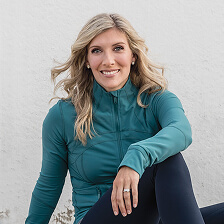


With the onset of perimenopause, women’s estrogen levels begin to shift, with many experiencing notable changes to how they feel and function. This can leave them feeling resigned to a new, less ideal, baseline of health. Yet few understand what today’s science how bioidentical hormone treatments can support women in feeling more vital and resilient.
In this episode, Jim LaValle, RPh, CCN, explores the benefits of bioidentical hormone replacement therapy, including how it can support skin quality, cognition, weight management, sexual health, cellular health, bone health, cardiovascular disease risk, and more. He dives into the newest findings on estrogen therapy and what bioidentical options may mean for long-term wellness.
This episode of Life Time Talks is part of our series on Performance and Longevity with MIORA.
Jim LaValle, RPh, CCN, is a clinical pharmacist, the cochair of the American Academy of Anti-Aging Medicine, the chair of the International Peptide Society, and the Chief Science Officer for Life Time.
In this episode, LaValle explores the newest findings on bioidentical hormone therapies and what the treatment options may mean for long-term wellness for women. Insights include the following:
- There is growing interest in the use of bioidentical hormones for managing the symptoms and health effects of hormonal shifts that occur for women in their mid- to later-adult years, particularly due to the stages of perimenopause and menopause. This reflects a shift toward proactive health management, with the potential to help women feel better in the last 30 or so years of their life.
- This topic has gained greater interest since the black box warning was removed from women’s hormones and there’s become a clearer understanding of the data from the Women’s Health Initiative.
- There are numerous benefits that can result from bioidentical hormone treatment, including improvements to cognition, weight management, sexual health, bone health, cellular health, and skin health, as well as a reduced risk of cardiovascular disease.
- “Bioidentical” means that the compounds are still synthesized, but they’re made to be identical to the hormone your body makes so they’re recognized by the receptors in your body.
- It’s critical to work with knowledgeable and experienced healthcare providers around bioidentical hormone use. Personalized treatment plans are vital as there is no one-size-fits-all solution. There needs to be a careful balance of your hormones (including estrogen, progesterone, and testosterone), which can be complex and requires individual attention. There are also certain situations and medical conditions where bioidentical hormone therapies may not be appropriate.
- Estradiol is incredibly important, notes LaValle, but progesterone and testosterone also play notable roles, which is why a balance is required. Progesterone can help with sleep, mood, bone density, and migraine reduction. Testosterone can help with maintaining lean mass and supporting libido.
- How your estrogen gets metabolized is a significant factor. There are three pathway options: The 20H pathway is the one you want maximized, according to LaValle; he refers to it as the “friendly metabolism.” The other two pathways, 4-OH and 16-alpha, are more “unfriendly” and can be where, if given the opportunity, estrogens can cause issues.
- There are various form of bioidentical hormone therapies, including patches, creams, tablets, and pellets.
- Blood tests are used to look at estradiol and estrone (the two principal estrogens), progesterone, and testosterone. Urinalysis may also be used to monitor hormone levels depending on your type of hormone therapy treatment. Regular testing and careful monitoring under the supervision of a healthcare professional is necessary to ensure correct and effective dosages and that you’re feeling the best you can without experiencing side effects. It’s one thing to evaluate the blood level of a hormone in the body, notes LaValle, but another to understand how well it’s working.
- Lifestyle strategies can play a large role in supporting the effectiveness of the use of bioidentical hormone therapies. Diet, in particular, plays a significant role.
Transcript: Bioidentical Hormones and Women’s Health (Performance & Longevity Series)
Jamie Martin
We’re back with another episode of Life Time Talks and our series on performance and longevity with MIORA I’m Jamie Martin. I’m here with my pal Jim LaValle. He is a clinical pharmacist, the co-chair of the American Academy of Anti-Aging Medicine, the chair of the International Peptide Society, and the chief science officer for Life Time. Jim, we’re just spending a lot of time together these days.
Jim LaValle
I know it’s great. I love it.
Jamie Martin
Getting a lot of stuff out there. I’m excited about all the topics we’re talking about. This one in particular, I’m part of the women in this age group are really interested in this topic of bioidentical hormones for women’s health and all the talk about perimenopause, menopause, and it’s just become a more common conversation I’m finding in day-to-day life. So, excited to have this convo.
Jim LaValle
Absolutely, and obviously with the news that broke taking the black box warning off of hormones for women and actually when they looked at all the data from the women’s health initiative finding out that the reality was hormone replacement helps women to live longer and more productive lives and you know, I wish I could say I was new to this but you know my partner in our my first practice doing bioidentical hormones was a Dr. Maureen Pelletier. She wrote the Idiot’s Guide to Menopause. We started the Good Samaritan Hospital integrative medicine program together in Cincinnati.
And so since the early 2000s, I’ve been watching the benefits, because I worked right by her side, right? Saw the incredible benefits for women when they were being treated with bioidentical hormones to help them through that perimenopause, menopause phase of their life. It just made a world of difference.
And I know for us, MIORA at Life Time, I’ve just got some fantastic medical providers who are deep in their experience of helping women to manage that perimenopause through menopause transition. And what’s exciting about that is women get to, I think, enjoy that last 30 years of their life feeling more vital, feeling more resilient, and bioidentical hormones play a huge role in that.
Jamie Martin
Yeah, I think that’s why this conversation is so important. I I can think back when I was younger. I remember kind of my mom going through this period in her life and kind of feeling a little bit helpless and like, this is just the way things are. And to see that the conversation has shifted and that there is this potentially more proactive approach that women can take with their health care providers is really promising, I think, for the generation that I’m part of and future generations.
Jim LaValle
Without a doubt. It affects everything from your skin quality. I remember talking to one of my nurses that worked for us at the Televalle Metabolic Institute, and she worked in basically in extended care homes, and she said she could walk into a room and tell the woman who was on hormones versus not just by their skin.
Now there’s obviously cognitive benefits. Women feel clearer headed when, you know, as they get the estradiol and get the progesterone back. They have much more control of weight. Weight management is a big deal. Obviously the sexual health is incredibly important, but there’s these other important pieces that I think need to be discussed such as cardiovascular disease.
It turns out when a woman hits menopause, she starts to switch off the anti-inflammatory aspect of her immune system. It turns almost immediately to pro-inflammatory. So they actually measured these things called glycans, which are part of every cell in your body, you got glycans. And what they found out is that when you replaced estradiol in women who were post-menopausal, they switched back from pro-inflammatory to anti-inflammatory glycans. And the other piece that’s important about it, why is that important? More women die of heart disease post-menopause than what men do.
Jamie Martin
Yeah, and that’s one of those statistics that kind of just makes your eyes get big. right. Like, what is going on here?
Jim LaValle
Yeah, exactly. You know, small vessel disease, that’s a big issue. And of course, at the root of that is metabolic inflammation. when you have, you know, anything where you can help turn inflammation off is incredible. The other area that a lot of people don’t realize is that you actually have estrogen, estradiol receptors on the mitochondria within your cells which is gonna help you to communicate with every other cell in your body because your mitochondria is the powerhouse of your cell. And now you’ve got more youthful, more empowered health at the cellular level. I mean, that to me, I know I’m a nerd, I get it. I know I go off on these tangents sometimes. But it’s amazing to me. But I think there’s a couple important pieces to it.
One is, I know for the providers at MIORA, we want to make sure that when a woman comes in and they obviously have a need or an interest in bioidentical hormones, well, what’s right for them? There isn’t any single dose that’s right. It takes healthcare providers that are knowledgeable and it’s understanding there’s a balance between your hormones. And it turns out that yes, estradiol, incredibly important, everything from urinary incontinence even, right?
It’s really important and all the other things that I had previously mentioned. Then there’s progesterone and how it helps women with sleep. It helps to reduce migraines. It coats the myelin sheath. Basically, it’s coating your nerves in your brain, right? Calming things down. And so, you when you talk to women who, and with my institute way back in the early 2000s, in the 1990s even, one of the big complaints was I would hear from a woman and she would just say, you know, when I hit menopause, it was like I had somebody else in my brain.
Jamie Martin
Right. You feel like a different person is what the stories that I’ve heard from people who I’ve seen go through this.
Jim LaValle
Exactly. It’s like, why am I more short? Why am I more easily agitated? Why the trouble sleeping? But the third hormone that it turns out is really important is testosterone. And testosterone is going to help maintain lean mass. It helps with libido. It helps with just feeling stronger. Right? And so there’s this incredible balance that I think is a little more complex of a dance.
And that’s why a provider who’s knowledgeable is so important because it is a little more complex for women. And it just takes follow through and really staying on top of, am I in the right dosage range? How am I feeling? And I think if they’re able to accomplish that, it has unbelievable benefits.
Jamie Martin
Let’s get into all of that because I think we need to understand one how do we know where we’re at what are the tests that we’re doing and then how do you dial that in how frequently then are you meeting with women are reconnecting with them to do more of that balancing because I think that’s really important is it every three months is it every six months how how is that collaboration working?
Jim LaValle
So I mean the very first thing you do is you do a blood test and you look for estradiol and then estrone so there’s two principal estrogens estradiol and estrone and what happens is when you enter menopause and you stop making estradiol? Well, your body still has to have estrogen, right? So it makes estrone from fat tissue from the adrenal gland from the liver. You’re gonna make estrone.
Well, the problem is estrone can be signaling weight gain. It can be more inflammatory. So if you don’t maintain that balance, then the estrone kind of takes over. And I don’t want to call it like the wicked sister or anything like that, but there needs to be that balance between the two of them. And so you look at that in a blood test, you look at progesterone in a blood test and testosterone the same. What starts to change it a little bit, because there’s a lot of ways that you can you could administer hormones.
It could be a patch, it could be a cream. ⁓ Some people use a tablet or an oral form or at least a troche. And then some people will do pellet therapy. So depending on what type of therapy you’re on, you may need to use a different type of lab test to see where are your hormones really at. And in that case, that would be what’s called a hormone panel that’s based on urine. Because you’re looking at metabolites of estrogen for one, which we’ll get into in a little bit, because it’s real important to understand that.
Jamie Martin
We’re going to talk about that.
Jim LaValle
Yeah, need to talk about that. But more importantly, if you’re using a topical form, sometimes it doesn’t show up in serum as much. It depends on which way you’re going with it. Is it a cream? Is it a patch? Those kind of things make a difference.
And so it may mean that to really do your hormones correctly, that you may end up doing both a blood test and a urinalysis to see how you’re doing. How frequently should you have that tested? Well, that’s the good thing about what I think has been designed for MIORA at Life Time is we’ve got frequent check-ins. And those frequent check-ins, especially when you’re starting bioidentical hormones, because like I said, no two women are exactly alike on this one. And I know just from the 40 years of experience around this, I know a lot, and really a lot of women, ⁓some women do really well on light doses and feel great. They don’t need that much, whereas other women need more. And so there’s, I would call that tuning phase or dialing in. Where are you at where you’re feeling the best you can and you’re not experiencing any side effects due to having too much of any one hormone in your body.
Jamie Martin
Right, that makes total sense. I just think that individualization is key, you and also we all know that these hormones don’t act in isolation. Even just those sex hormones, the estradiol, estrogen, progesterone, testosterone, they’re also influenced by cortisol and by insulin and all these other things. And so you’re looking at the full picture. That’s the ideal state, right, when you’re working with a healthcare provider to see how all these different potential levers are like affecting one.
Jim LaValle
No, I couldn’t have said that better I mean a lot of people don’t realize that if you’re under chronic stress, Cortisol has a tremendous impact on how you’re make hormones and not just that how well you’re gonna utilize them So it’s one thing to have a blood level of you know a hormone in your body It’s another thing to ask the question of how well is it working? So are the receptors to your hormones? Are they expressing are they taking the signal as if creating the?
You know, that signal to build bone health as women are aging, which is really important for that. And so that’s the key thing is, know, cortisol is a big deal. Chronic inflammation, can be, you know, look, that can be how you’re training, not sleeping enough, what kind of diet, and diet plays a big role in how well you’re gonna do with hormone replacement. And so all of those things kind of come together, and that’s why we use the metabolic code profile because your body works as a system of systems and your body is only going to age as gracefully as the weakest organ in that system of systems, right? So you want to try to create balance or harmony. I like thinking of it harmony, all systems working together, moving you through your health span and creating that, I’d say maximum resilience that everybody deserves.
Jamie Martin
Well, and that’s why when you’re doing the metabolic code, it’s like you look at all five of those triads and then you kind of start with the one that is the weakest, right? Like you’re willing to kind of improve those areas and start there. So it doesn’t mean necessarily that if you come in asking about hormone therapy and you do the test, you might start in a different area potentially if you have opportunities for improvement that could influence that other area, right?
Jim LaValle
That’s exactly right. mean, it really depends on stage in life. you have a woman that’s say 55 years old and is now in a puzzle and she’s having hot flashes and her mood’s changed and maybe has osteopenia, well, a provider’s gonna work at, hey, we’re gonna work on your hormones, but at the same time, we really need to fix some of these other areas potentially that could be holding you back from your best possible health experience. And I think, I think that’s what’s missing. We still take a look at, I think, in isolation, this number’s off, correct this number, which is in part true. I mean, there’s no doubt, it’s true. Sometimes you have to do that. But it really becomes more important to treat the body as a whole. You’re not just a couple of adrenal glands and a liver and a couple of kidneys and ovaries or testes and men. It’s a whole body.
Everyone has a little bit different tweaks that they should be thinking about in order to really get to that maximum performance on how all your hormones are working in your body.
Jamie Martin
I love the analogy people often use. like the orchestra, right? Like you kind of want everything to be in sync and that’s when you’re gonna, it’s like gonna play the most beautiful music. But when, you know, one area is off, you might be like, you’re gonna hear that over there. That sounded bad. Yeah, like that’s not exactly what we were talking about, but that’s not what we were expecting. But I think that’s just one of those things. It’s like, that’s the ideal state, right? And we’re all always gonna be kind of like working to get there, but it’s a process and it takes time.
And one of the things I want to make sure we get to because you that you mentioned the metabolites of estrogen. I do think estrogen metabolism is one of those topics many of us may not even be aware of. Right. But why is that so important in all of this?
Jim LaValle
Well, you know, the information coming out regarding estrogen metabolites, it’s been around for quite a while. And I’m kind of stumped why there wasn’t more emphasis on it. So it turns out your body has to metabolize estrogen, just like it has to metabolize everything else. So when it goes through the liver, there’s three pathways that it can go down. Doorway A, B, or C, right? Doorway A is the friendly metabolism. It’s called the 2-OH pathway and you want that pathway to be maximized. There are two other pathways that estrogen could be metabolized into, and one’s called the 4-OH or four-hydroxy pathway, the other one’s called the 16-alpha pathway, and those are more unfriendly estrogens or estrogens that, if given the opportunity, can start to wreak a little bit of havoc. So when we hear about estrogen-related cancers or weight gain, or seemingly symptoms of menopause could be occurring because it’s going down that pathway. it’s interesting, at lifetime, the healthy way of life company, There’s nothing more true than when it comes to estrogen. Because when you eat a diet that is low in fiber, high in sugar, high in refined carbs, or high in saturated fat, what happens is when you metabolize estrogen, basically your body puts a handle on it. It’s called a glucuronide. So you go through glucuronidation is the phase two detoxification process. kind of, you gotta get a little science in. When you’re the CSO, you gotta lay out some big words once in a while.
But the point being is that that handle is supposed to carry the estrogen that’s been metabolized out of the body. Got it. Unfortunately, when your microbiome’s off, so here we go, that’s systems of systems, right? And you think about gut-brain connection. when your microbiome’s off and you’re making more unfriendly flora because of, I’m not eating the right foods. It’s very important. And the fiber piece can’t be emphasized enough on this.
You make something called beta-glucuronidase. Those microbiome that aren’t friendly make beta-glucuronidase. So what is that? That’s basically an enzyme that pulls the handle off the estrogen. So now it doesn’t get carried out. And then you hear the term estrogen dominance, right? I’m collecting, storing too much estrogen because I can’t get it out of the body. So one of the biggest things, I mean, I’ve lectured, you know, at the American Academy of Anti-Aging Medicine, we train more physicians on bioidentical hormone replacement than anyone in the world. Literally trained thousands and thousands of providers. And the very first thing, because many times people are already doing hormone replacement. So the first question I ask in the crowd, how many of you are requiring 30 to 40 grams of fiber a day for when you give out that prescription? For estrogen specifically, right?
And it’s interesting because everybody’s looking at each other. We’re a crowd of like 600 docs and they’re all looking at each other. Then there’s maybe one or two hands that go up in the back of the room. then I go on to explain that fiber is one of the most important things. So including flaxseed, for example. Flaxseed meal, real good. Other types of fiber that maybe you could just put in your coffee or put in water.
Jamie Martin
I throw some in my smoothie every morning, like when I’m doing that smoothie or shake.
Jim LaValle
Exactly and so between that and then eating and maybe a higher fiber rich diet, you know You’re eat more vegetables that are rich in fiber and include other fiber sources that’s where you really start to get the benefit of all. I’m utilizing my estrogen I’m also going to be able to process it right and I get the benefits.
Jamie Martin
Without it getting stored up in your body. That’s what’s gonna carry it.
Jim LaValle
Exactly. And look, mean, everybody’s under a lot of stress. So you mentioned cortisol earlier. Yeah. Right. And, the big impact on cortisol is, in my opinion, is that people get hedonic urge to eat. They want sweet, salty, crunchy, savory food when they get home from work. Or say you’re a mom and you’re getting home from work and now your kids are getting home and you’ve got three children. They all have their needs.
They’re arguing with each other. I have no idea. I’m just painting a picture that maybe happens once in a lifetime. I don’t know. It’s a unicorn event. But the point being is when you start to crave those foods and you start to just say you’re gonna eat those foods, that’s what’s holding you back. So that’s when you brought up earlier, hey, you may have to manage your cortisol. It’s really important because the better you can make smart choices about the food that you’re eating, that also plays into the effectiveness of bioidentical hormone replacement.
One of the biggest things though that I think happens is, I think estradiol most of the time is the big one that post-menopausal women feel because, wow, I got my brain back. Right. Right? And maybe they start to feel their libido’s back, the hot flashes are gone. But progesterone is so important to keep in mind. And usually what we’ve done over the years is, once again, clinicians, we calculate your estrogen to progesterone ratios. You want to keep them in balance, right? Because progesterone, turns out, incredibly important along with estrogen for bone density, incredibly important for mood, and incredibly important for protecting that myelin sheath. And so there’s just, there’s that harmony that has to occur between the two of them. And progesterone keeps the estrogen from kind of having uncontrolled signaling for cell growth.
Jamie Martin
And that’s what the risk for cancers, right? Was that where there was some of the confusion around that?
Jim LaValle
Yeah, there’s a little bit of confusion there. And then the other one was the fact that when they looked at progesterone, you know, in the Women’s Health Initiative, the one thing that did stand out that I think we should definitely emphasize is that they were looking at medroxyprogesterone, which is a synthetic progesterone, not bioidentical. And it turns out that medroxyprogesterone was probably more the cause of the increased risk in cancers and inflammatory signaling that was going on.
But there wasn’t any mention about, it’s different when you’re bioidentical progesterone. So when we say the word bioidentical, because then people think natural. These are still compounds that are synthesized. But they’re made to be identical to the hormone that your body makes. And it’s the same molecule. So that your receptors are going, yeah, I’m used to that.
Jamie Martin
I recognize that.
Jim LaValle
I recognize that. That’s what I should be doing, right? And of course there are situations where women should not be on bioidentical hormones and for any given healthcare concern there could be a risk. Maybe they’ve had multiple clots or something could happen. So that’s where it takes that experienced provider to be able to guide a woman in her specific needs to move through that transition.
I mean, in my opinion, I’m seeing more and more women needing some support in their 30s now because maybe they’ve had 10 years of oral contraceptives or even longer. Lot of girls start in their teens and they’re on oral contraceptives. Maybe it’s managing periods that are difficult. And so, there’s a long time where those hormones have been suppressed. And so, now a woman hits her early 30s, she’s wanting to start a family and there’s that need to kickstart.
Jamie Martin
And that’s where these hormones, bioidentical hormones can potentially come in.
Jim LaValle
They can help, especially with an experienced provider to help kind of realize there’s that symphony of hormones that are playing out through the course of the month for a woman.
Jamie Martin
You mentioned, and I just want to put this out there, the estrogen-progesterone ratio. Like, what is the, like, if you’re talking with your healthcare provider, what ratio is ideal?
Jim LaValle
Well, what you would do is you add up estrone and estradiol. There’s two of them. Ideally, what we’ve always shoot for is at least a two to one ratio between your estradiol and estrone. So two estradiol for one estrone. And that means that the good estrogen, the one that we know has tons of benefit, is winning in that relationship. And then the relationship on progesterone. So you add up E1, it’s called E1, estrone plus E2, estradiol. And that over your progesterone number should get to be around 10, maybe 12 to one, but even more important, so that’s a ballpark ratio. But even more importantly, it’s how do you feel with where you’re at. So if you’re nine to one and you feel fantastic and there’s nothing going on, you know what? Probably no need to change that. We don’t have to artificially tweak that to hit some number.
The third component is testosterone. So there’s a lot of women who, know, testosterone usually ranges from 10 to 45. There’s a lot of women where they’re down in like 13 or 12 and their libido’s low and they don’t have energy, they feel that loss of muscle mass occur.
Jamie Martin
You like you can’t build muscle mass, right?
Jim LaValle
Exactly. So there’s varying theories on how much testosterone is ideal for women. Typically what we see is that boy, definitely, you’re replacing it, probably keeping it under 100 is just fine and ideal. Typically we like people staying in range and most of the time women that stay under that 45, in the upper levels of that are gonna do well. The thing that makes it different, women who are training a lot, so if they’re holding lean mass and they’re training, they may have naturally higher testosterone, so there’s no reason to be concerned with that other than if they have polycystic ovarian syndrome, something that’s fairly frequent, and once again, with the right hormone prescriptions you can really help overcome conditions like PCOS.
Jamie Martin
So you can really potentially dial things in for yourself.
Jim LaValle
With out a doubt, especially because PCOS is another example where insulin resistance plays a big role. so you really have to look at a full picture of what’s going on, but you can absolutely overcome a lot of the problems that occur with PCOS.
Jamie Martin
So taking all of this in, this is a lot of information, but like what are some of the things that we can do, even thinking about like, let’s say I do a test, I find out that I’m not metabolizing estrogen very well. Are there things that I can do on my own if I do bioidentical hormones to get that back in balance or to improve that, that I can do to also support that and compliment that effort? Is it diet, sleep, stress?
Jim LaValle
Well, those are the big ones, but you know, we mentioned diet, like get that fiber in, work on more vegetables, watch the sugar intake, watch the overdoing of carbs that get triggered by typically stress, watch eating high fat diets. Those are the things that really disrupt the microbiome and lead to that problem. I would say that a lot of times if you want to metabolize that estrogen off, there is a particular family of compounds that work really well.
One is called diindolylmethane. Sounds complicated, comes from broccoli.
Jamie Martin
So, gosh I can just eat more broccoli?
Jim LaValle
Well, I mean, that’d be a lot of broccoli. I’d eat about 10 pounds, but it wouldn’t hurt, right? I mean, nothing wrong with that. And the other one is called sulforaphane glucosinolate, which is also another broccoli alternative, right? It’s something that comes from broccoli, and especially broccoli seeds.
Okay. And so you can take DIM or SGS or a combination of those. Another one is kudzu. You know, we think of kudzu as, my God, it’s as vine it grows on everything in the South, know, the Southeast in America. Well, it turns out kudzu root actually really helps to metabolize estrogen. So there’s different natural compounds that if you’re on bioidentical hormones, a provider might say, hey, I want you to take a little bit of DIM. It’s going to help make sure you’re going down that friendly doorway A the two hydroxy pathway, and that’s just good prevention, right? Fiber, take some DIM or SGS, and really help yourself to get the most out of hormones as you’re aging.
Jamie Martin
God, that makes total sense. When you’re talking about those pathways, is there testing that can be done? And I’ve done some various testing over the years in my role and wanting to know where I’m at. you do get some of these tests where like, I can see based on this test result that you’re going down this pathway. You know what I mean? Like, you can get that dialed in with some of these blood tests, right?
Jim LaValle
Yeah. On that test, it’s a urine analysis and it measures literally not just your levels of each three of those pathways that you can go down, but then there’s ratios related to that too. So you wanna have more of the good pathway than the bad. You’re probably gonna have a little bit of the ones going through doorway two and three, but it’s about do you have balance in those? And that can really help also because that dictates, well, gee, do I need to tighten my diet up a little more? What is my stress like? Am I getting fiber? Am I exercising? Those are things that all help. so, once you’re on bioidentical hormones, I really encourage people, especially for women, do your analysis.
Understand how your body, how your body is working with these bioidentical hormones that you’re now taking to improve your quality of life and improve your bone density and all the other things that we talked about because the benefits are pretty significant in many ways. Like I said, everything from heart disease to bone, libido, cognitive function, skin integrity, the crepiness of the skin, wrinkling of the skin, all of that. I even have women who do their estradiol cream. So they’ll typically get a combination of something called estriol, which is another estrogen, the least potent of the three. And they’ll get a prescription for something called Bi-Est, estriol and estradiol together. And some of them will even apply it to their face. Yeah, so it’s pretty interesting what you’re able to do. And it really depends on if there’s any other issues going on. You may have to apply it locally. It just depends on if you have any kind of symptoms or issues that are happening.
Jamie Martin
If we’re, you’re hearing about this, like once you’re on a bioidentical hormone, is it something that you’re on long term? How does that get adjusted over time potentially?
Jim LaValle
Yeah, that’s a great question. And so there’s a couple of schools of thought on that. So one of the schools of thought is that women get to the age of 60, that they may be able to get by on just using testosterone and maybe progesterone because testosterone will convert to estrogens. so that’s one school of thought. And the other school of thought is simply, yes, you’re going to use it to maximize your resiliency and aging process. And it may be that you get to 85 and you know what, I think I’ve been on it long enough. But in general, different physicians, they’ll have different opinions. Nurse practitioners doing this, providers as to what you should be doing. But there’s a couple of different schools of thought on it. In general, I’m a big proponent of why wouldn’t you try to keep your hormones at least present?
You know, the term secondary sex hormones, you they call them secondary hormones, I think is a terrible term because they’re not secondary. You know, if they’re dealing with heart disease and cognitive function and bone health, urinary tract health, libido as we’re aging, I mean, there’s a myriad of mitochondrial health. Well, I don’t call that secondary.
Jamie Martin
No, that’s primary.
Jim LaValle
Pretty primary, right? And so I think that, you know, my personal opinion doing this for the last four years is I think women should enjoy the benefits of bioidentical hormone replacement as long as they’re getting the benefits.
Jamie Martin
Yep, as long as they’re feeling good and they’re seeing the positive influence in their life and on their body.
Jim LaValle
Absolutely. And the biggest thing is is if they notice something it’s out of line you start bioidentical hormone therapy It isn’t just I have to stop because a lot of times what will happen is you know women may experience my my breasts feel more full or gee I’m feeling I’m getting a headache that could just be that the prescription even though was the lowest dose might have been a little too strong I go a little lower and build up and and so I would encourage for women to understand that it’s a process.
And in that process, you’ll get to the point where you reach, and that’s my big term, homeostasis, where your body is functioning in balance with all the hormones signaling that it should have. But if there’s issues, that’s where you contact providers. And the beautiful thing about MIORA at Life Time is that we’ve got a full complement of healthcare providers to answer your questions when you need them. You are tethered to the MIORA and all the healthcare providers when those kind of issues come up.
Jamie Martin
Yep. It’s interesting as in full disclosure, like I do partner with MIORA for my health. And if I have questions, it’s like I can log in and I can ask a question. I usually have a response really quickly, which is nice. It’s reassuring like to have that partner in this proactive work that I’m trying to do on my health. Right. And to understand, I think that process point is so critical because it’s, it’s never an end state, right? Like we’re always going to be in process, but it also is going to take some trial and error to get what’s right for you. And that’s true with all things health related.
Jim LaValle
No, absolutely. And, you know, once again, it’s just a matter of you start or is it right for you? Is it something that you feel something is off? And I would say that more and more, especially with the black box warning being lifted, which was, the way, long overdue, that we recognized the not just the safety, but the benefit.
I mean, it was overwhelming when they did the analysis that women lived longer with a better quality of life when they looked at that data. And I think, you know, that’s where the magic’s at, right? Let’s just be transparent about looking at data like that and then make good healthcare decisions based on it.
Jamie Martin
Yeah. Well, my last question for you is like, we know where we are now. We’ve had this big thing with the black box label warnings being taken off. Sure. You know, looking ahead, what do you see as kind of the future of women’s hormone health? And like, is our understanding of just estrogen just going to continue to evolve? What are you seeing happening?
Jim LaValle
Yeah, think right now we’re in this place where there’s a lot of different ways to do it, to do your bioidentical hormones. I think now we need to start collecting data on, what’s the best way? And what’s the best way for certain individuals? So one delivery method may be better than another, but I think with the overlay of AI on really looking at the data analysis and going, okay, here’s all the lab tests. And I know with metabolic code, for example, we have a 40,000 decision algorithm that’s running through looking at all these relationships and then running the AI engine over that to say, well, what works and what cluster or population of women?
Exactly, exactly. And I think that’s where the evolution is going to take place. Probably other elegant ways to deliver hormones. So I think the future’s bright now because the stigma, the scare can now be lifted. And that’s going to allow for more women to benefit, participate. And then, of course, we collect more more data.
Jamie Martin
Right, and feel better for longer in our lives.
Jim LaValle
Nothing wrong with that.
Jamie Martin
Well, Jim, thank you as always. We have a ton of content on this. We’ve done panels on women’s hormones. We’ve done articles and different things. You can find more information at miora.lifetime.life. There’s also lots of content at experiencelife.com where people can learn more and hear from Jim on this topic, among other of the medical directors and health care providers at MIORA. All right. Thank you so much.
Jim LaValle
That was fun.
More like this





We’d Love to Hear From You
Have thoughts you’d like to share or topic ideas for future episodes? Email us at lttalks@lt.life.
The information in this podcast is intended to provide broad understanding and knowledge of healthcare topics. This information is for educational purposes only and should not be considered complete and should not be used in place of advice from your physician or healthcare provider. We recommend you consult your physician or healthcare professional before beginning or altering your personal exercise, diet or supplementation program.
Life Time provides administrative, non-clinical support to MIORA as well as services and amenities related to general wellness and fitness; Life Time does not provide medical advice, diagnosis, treatment or care.
Advertisement