

All About Fiber
Learn why this often-overlooked nutrient is critical for maintaining optimal health.


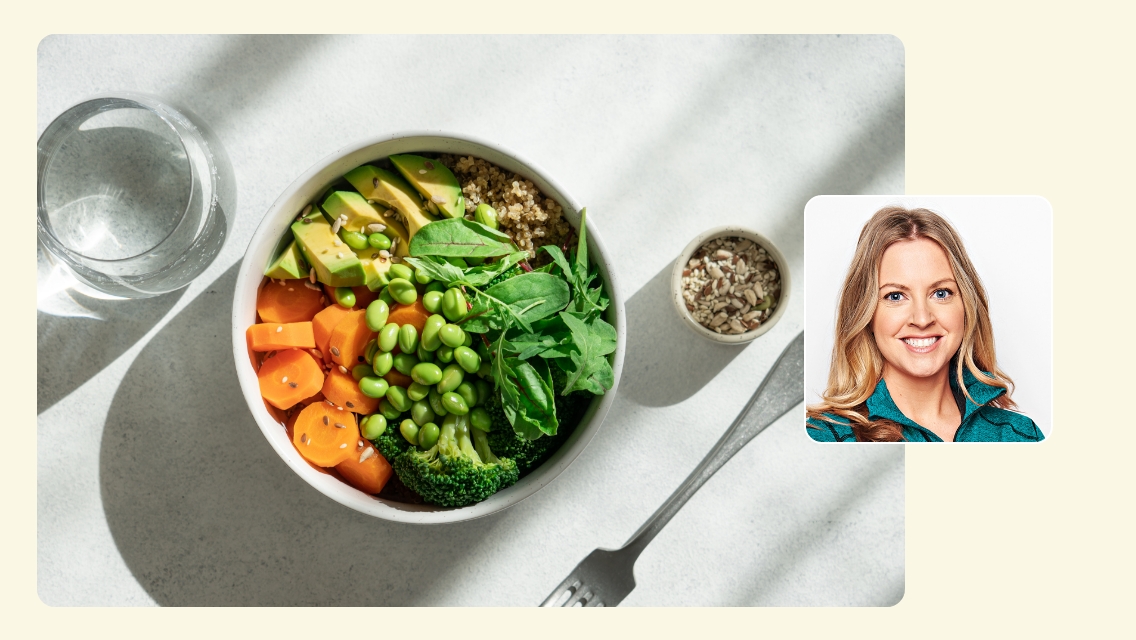


Fiber is enjoying a major comeback. Although experts have long understood its importance in a healthy diet, the nutrient has gotten more attention of late, with more people understanding its health benefits, including — but extending far beyond — digestive health.
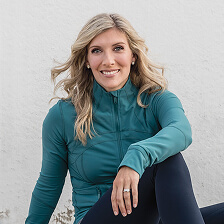
In this episode, Anika Christ, RD, explains why fiber is a fad that won’t fade, sharing the reasons this often-overlooked nutrient is critical for maintaining optimal health. She also offers ideas for how to get more of it in our diets.
Anika Christ, RD, CPT, is the senior director of nutrition and weight loss at Life Time. She’s spent the last 15 years creating nutrition programs and solutions for both members and personal training clients. You might recognize her as “Coach Anika” from member-favorite programs including D.TOX, Lean + Tone, and the 60day Challenge.
In this episode, Christ shares why fiber is a nutrient of focus right now, along with how it affects our health, including the following:
- Christ isn’t a proponent of calorie counting, but she does encourage clients to track their fiber and protein intakes.
- Fiber has long been known for its benefits in a healthy, balanced diet, but it’s recently gained popularity, much like protein has in the last few years.
- Key benefits of fiber include support for digestion, energy levels, satiation, blood-sugar control, heart health, hormone health, inflammation levels, and detoxification.
- The USDA’s current recommended daily allowance for fiber is 25 grams for women and 38 grams for men. However, for optimal health, Christ recommends aiming for closer to 30 to 40 grams per day, depending on the individual, with 30 grams serving as more of a minimum target.
- Most people are not getting anywhere near this recommended amount of daily fiber. In Christ’s experience, she sees amounts closer to five to 10 grams per day for the average population, which is likely due to the prevalence of processed and convenience foods.
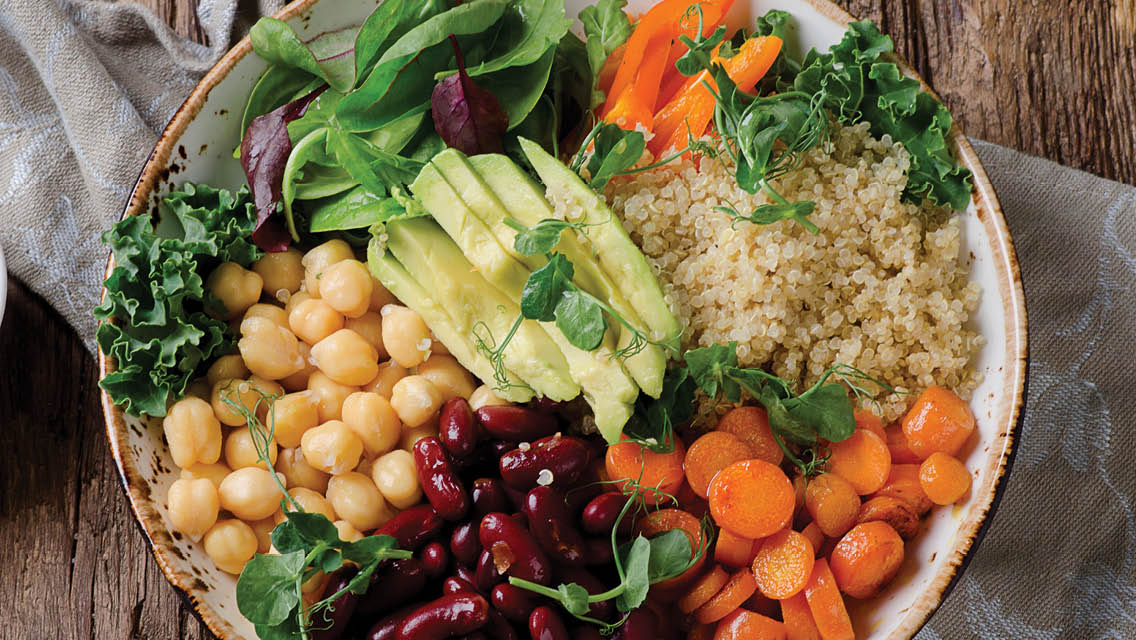
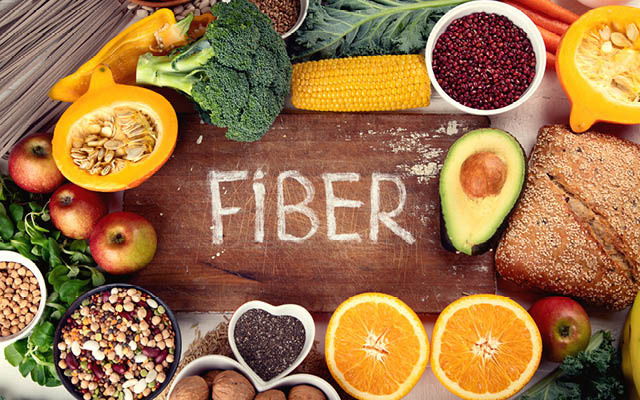
- Fiber is typically found in plant foods, so the more produce you consume, the more fiber you’re getting. Christ suggests making it a priority to get the majority of your fiber intake from whole foods — though this can be difficult.
- There are three types of fiber: insoluble, soluble, and prebiotic.
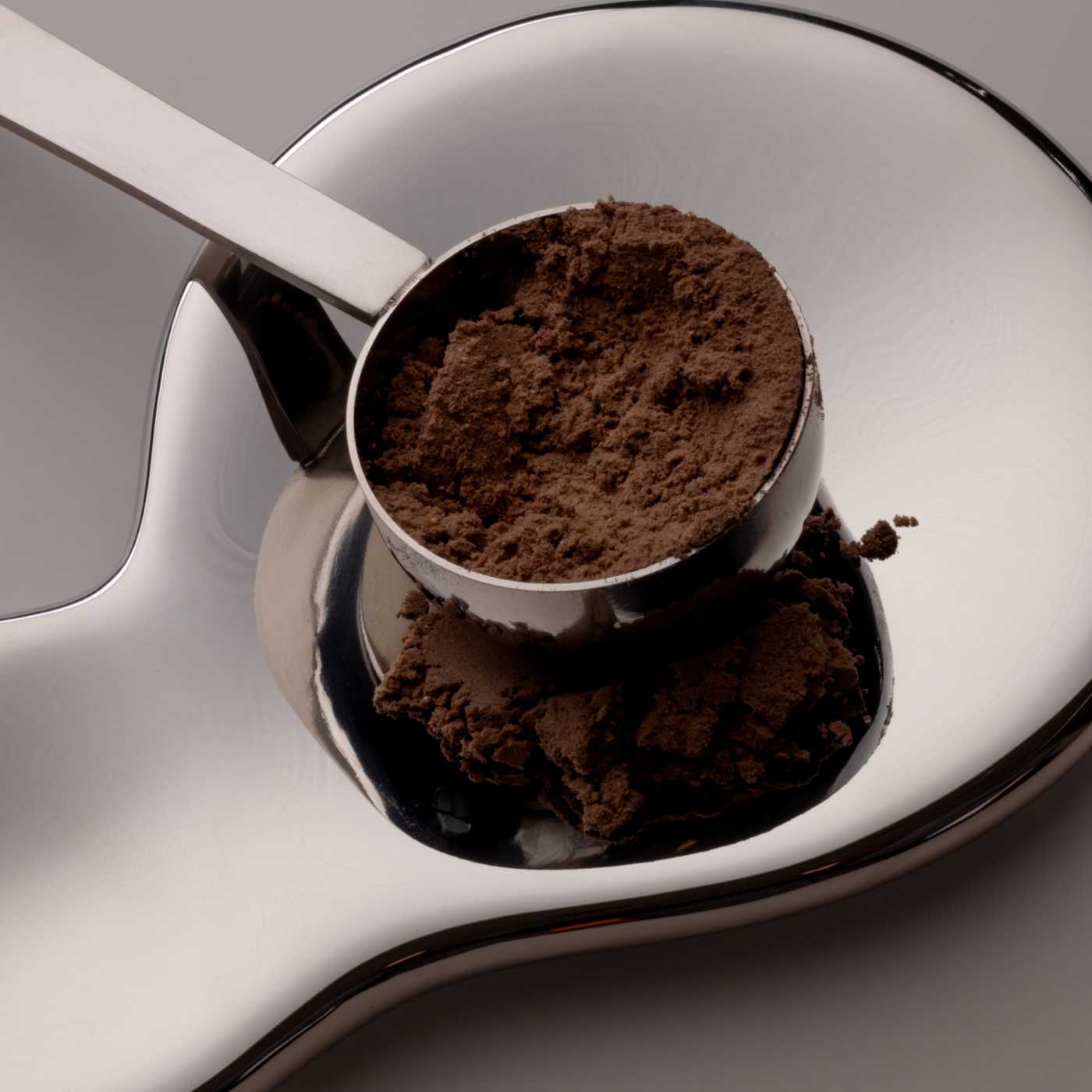
- Because it’s often challenging to consume adequate fiber through diet alone, fiber supplements are an easy way to boost daily intake. LTH has a neutral-flavored fiber powder, LTH Shift Fiber, which can be mixed into a shake or any beverage; each serving offers 11 grams of fiber. LTH Greens Life Greens is another option: It delivers 40-plus fruits, vegetables, and superfoods in each serving.
- Christ suggests increasing your fiber intake gradually to avoid digestive distress; she notes that coupling it with sufficient water intake can also prevent bloating and other side effects.
- Rather than trying to get all 30 grams or so of your fiber in one meal (which likely will not feel good in your body), Christ recommends aiming for 10 to 15 grams per meal. She also encourages fiber foods, such as apples or raw veggies, as snacks.
- A shake is an easy way to pack a good amount of fiber into one glass. Christ consumes one daily, including spinach, berries, chia seeds, and LTH Shift Fiber powder; this gets her close to 10 to 12 grams of fiber in one serving.
Transcript: All About Fiber
Jamie Martin
Welcome back to Life Time Talks. I’m Jamie Martin.
David Freeman
And I’m David Freeman.
Jamie Martin
And in today’s episode, we are talking about fiber. It may not be a flashy topic, but it has been getting a lot more widespread attention as more people are really realizing the benefits it provides for overall health and well-being. So we are really excited about our guests today who is back with us again.
David Freeman
Yes, our golden child. Yes, yes. Anika Chris, RD, CPT. She’s a senior director of nutrition and weight loss here at Life Time. Spent the last 15 years creating nutrition programs and solutions for both members and personal training clients. You might recognize her as Coach Anika from member favorite programs, including D.TOX Lean and Tone, and the 60 Day Challenge. Welcome back, Anika.
Anika Christ
Thank you for having me.
Jamie Martin
What’s new with you?
Anika Christ
Oh my gosh, nothing. Everything and nothing all at the same time. Just, you know, still helping members eat better, live better, all the things.
Jamie Martin
All right, we are talking fiber today. We’ve talked to you about so many nutrition topics over the years. It feels like in the last year or so, we’ve really been all in on protein, right? Like that’s been, had been the centerpiece, right, of a lot of things regarding nutrition. But we’re starting to see that attention shift a little bit. So have you noticed that and why do you think that’s happening when it comes to fiber?
Anika Christ
I think fiber’s having kind of a major comeback. That’s the best part about nutrition. And it’s funny because I think there’s been a lot of just like fun social sharing about can fiber get like the PR team that protein had because holy cow, like it’s just as important. And I think for a lot of people, fiber can be a huge game changer for them, especially when they focus on it.
In the world of nutrition, you guys, we’ve talked about — I don’t love calorie counting for people, but when I have them count, I have them count fiber and I have them count protein. That can be a big, big game changers. tI hink people are just noticing it now a little bit better. So they’re like, OK, like maybe I should use a fiber powder every day or how can I consume fiber? Fiber is typically found in our plant foods. And so typically speaking, the more produce that you consume, the higher your fiber is. And again, it does so many good things for your health, how you feel, how you function. So I’m happy about it. That was a core nutrient I learned about in school. It’s just not as fun to talk about for a lot of people. We’re American, so we love convenience and that’s where we fall short a lot of the time too.
Jamie Martin
Well, it’s interesting because I feel too, you know, we’ve had some various between our performance and longevity podcasts that we’ve been doing all that. We’ve been talking a lot about like GLP-1s and we keep hearing about the importance of fiber when people are taking GLP-1s. That’s becoming a more common thing. Like, are you seeing that as part of the rise of this? Is that?
Anika Christ
Yes, I think that’s kind of part of the rise. People are being instructed to increase fiber, especially when they’re taking a GLP-1, too. So again, I’m getting more questions asked by people on them to say, what do you recommend for fiber? And again, a lot of it comes in whole food form, too. And kind of depending on what your day-to-day diet looks like, too, there’s ways you can prove it that way. But Life Time’s carried its own fiber powder for years. So it’s been a core recommendation from our personal trainers, too. That’s what’s been fun to see.
David Freeman
Let’s draw the listeners in right now because nine times out of ten when they hear the why behind it and the benefits behind it now they’re like all in on it. So if you can’t break down maybe some key benefits of taking fiber.
Anika Christ
Yeah, so fiber is not just digestive support, but I always talk about digestive support because literally most people have maybe heard that it can help you stay regular. So if you’ve ever had digestive issues, I will say a lot of women I work with, think women tend to struggle with digestive issues more than men do. So we’ve talked about that for years of, it can actually help regulate just bowel movements on a regular basis, which are important to do daily. It can support your energy levels, your satiation with eating. So how full you feel.
When you support your blood sugar with fiber, it also supports your energy level. So when people have swings in energy, it could be blood sugar regulation, but fiber can actually help dampen that response. It’s been known in heart health to lower the LDL or quasi bad cholesterol per se. So it’s often recommended by clinicians that way as well too. If people have cardiac measures that don’t appear optimal, it’s like, what are you doing for fiber?
Also for women, I talk about hormone health. So again, it’s kind of a binder. That’s how we look at it. So when your body is excreting bowel movements through fiber, it’s also detoxing. It’s also lowering levels of estrone or those estrogen levels that are more fat storing estrogen in women too. So multiple different client segments, I recommend five or two for different reasons. But again, that’s why I kind of think of it as a foundational thing. Everyone needs it. We all should care, but if you’re going through perimenopause and having symptoms, I’m like, are you taking fiber? And they’re like, no, I haven’t even thought about that. So again, digestive health, heart health, inflammation, detox, and hormone health. It’s kind of like that’s just about every part of the body. We love it for all those reasons.
David Freeman
I want to break it down by the numbers too, because when we spoke about protein, we were talking about how much an individual should get within their day. When it comes to USDA, they’re recommending roughly around 25 grams daily for women and 38 grams for men. Can they get that from the everyday food that they’re eating? Or would you say you’re probably going to have to incorporate some type of supplement too?
Anika Christ
I would say both because I would say it depends on my client. So and that’s what’s hard is sometimes clients are coming in for weight loss reasons too. So sometimes we are maybe controlling the amount of food that they’re consuming. So a supplement might be an easier way to make sure they’re getting it without having to consume food. It kind of depends on how willing you are to eat produce though too. So that’s where I have a lot of clients, know, sometimes they’ll just have them focus purely on adding like a fruit or a vegetable at every single meal.
And again, if you think of a small apple, that usually has about four grams of fiber. So if you think of if your day is supposed to be 25 to 38, just an apple at breakfast is not going to get you to that needs right now get you very far. But if you’re going to have a couple cups of cooked carrots, let’s say at night, which probably has 2x what that has, OK, that might get you farther. So it depends on the amount you’re willing to do, and then how can you fit it in.
We actually do, in our Facebook group for LTH, we’ve done like greens and produce challenges so people can focus on, new ways to consume every single day. What’s really cool is when they start to do that, they’re like, I jumped on the scale. I’ve like lost eight pounds, like in the course of a week. And I’m like, that’s the fiber. That’s eating produce, that’s eating satiation, whole foods. We love whole foods. Obviously we talk about it all the time. So I think it depends on the person.
I would say, subjectively though, when I’m working with people, the powder just makes it so much significant and easier to hit to the goal. And again, if that gets you started and there, and then you can taper off because you’re consuming more vegetables and fruits, and maybe even like, you know, there’s oatmeal, there’s other grain forms, like whole natural foods grains, that could actually help support that too. Great, let’s get you there. It kind of depends on where you’re at on the paradigm of wellness and your eating. But most people I work with, I would say both, food and supplement form.
David Freeman
In that LTH that you were speaking as far as if you’re now taking that scoop how much are they getting within that?
Anika Christ
We just have a 5-gram scoop. And it can kind of depend, too. So in D.TOX we actually have it in our kit. So we’ll say every shake, put at least one scoop in there. So you’re at least getting 5 grams right there. Now, can you throw some produce in that shake, too, and amp up the meal? Could you have the apple for a snack instead? There’s different ways to get there. And I’ve got some clients that are really motivated. It kind of depends on where they’re at in their journey. We’re like, I want to eat as much whole foods as possible. I love that.
Whole foods have so many other things outside fiber too, right? There’s other benefits to that too than just fiber alone. But I also like to meet people where they’re at and I would say, hey, I love a daily shake anyway. That’s a huge recommendation for my clients. I’m like, just throw the fiber in there. Make it even be, it’s like habit stacking without having to do a lot of additional things.
Jamie Martin
I just realized I forgot to put the fiber in my morning shake today. So now I’m really sad about that. Yeah, I need to make sure to do that tomorrow.
Anika Christ
Yeah. You’ll have to pay attention to your hunger too.
Jamie Martin
It’s kind of funny because I’m like, I’m actually feeling hungry already. That’s why. That’s why. I knew I was talking about this today. Shouldn’t of done that. I want to revisit those USDA recommendations because so often with those RDAs, it’s kind of like the minimal amount to avoid sickness or to avoid illness, right? So what are you thinking about like the 25 grams for women 38 for men?
Anika Christ
I technically do more. So, and you guys know I base a lot of this based off their blood chemistry too. So if we have issues with detox hormones, lipids in general, I like them to do more 30 to 40, kind of depending on the individual. Now just like water, right? Water, want half your body weight in ounces. If you’re drinking a cup, I want you to like get there, not do it the next day. So fiber especially, you do kind of need to slow roll your increase.
And we deal with this with D.TOX because it’s, that program, we get hundreds of thousands of people a year to do it. And we’ll always have a few individuals who are like, I feel bloated. And they increase their fiber too fast without enough water. So it is important to gradually get there. But I usually want people to shoot for at least 30 grams. Most people, however, when we’re counting together and what they’re typically doing, it’s like 5 to 10 grams. I’ve had some clients really under. And children too. That’s a whole other discussion on that too is just like, a lot of it just has to do with convenience processed foods. That’s the hard part.
And again, I love a protein shake. I do kind of consider it. It’s more of a processed food, but it is going to improve your health. Where most processed convenience food take you backwards. So kind of re-looking at it as, how can I actually just increase this naturally through eating and focusing there and putting some priority there.
Jamie Martin
Mostly on those whole foods and produce well I think that gets us to like what are the reasons that people are not getting enough fiber daily both in the general population and even for people who are focused on this it can be really hard I heard a statistic the other day that is it something like almost 60 to 70 percent of the food most Americans are eating is ultra processed which right? So actual fiber that’s gonna do anything for us.
Anika Christ
There’s probably little. Yes, That’s why I had a hard time with the protein boom. I love protein and all the trainers would be like, finally, people are listening to what we’ve been saying. But then you have all these protein foods that are processed and they’re just kind of putting protein in there. And I’m like, is that the same? What other things are they adding in there? That’s where I think with fiber specifically too, like a lot of clients I work with are really focused on macros. Macros had like a big thing like, balance your macros, macro friendly.
But then they’re not thinking about fiber. They’re thinking about protein, fat, and carbs. And maybe the carbs they’re doing are like white rice or like things that are not high in fiber. So thinking about it a little bit different way, it’s more, I would say high quality foods tend to have fiber in them. And that’s something that they’re like, my gosh, I didn’t even realize that. I always think that with D.TOX too, like we always run into people through that program, they stop drinking coffee. So then their bowel movements stop and they don’t realize they were dependent on that to go to the body, go body every day. And I’m like, well, that’s what fiber’s job is, actually. So that’s another look under the hood of like, OK, we have some optimization to do with our eating. And we’ve just gone so far away from it. We like things that are easy, processed, on the go. So convenient, right? So I usually start people with a lot of fruit, too. Like, let’s start with fruit. Easy. You just got to wash it. I prefer you to wash it. You don’t have to, but I prefer you to wash it. You don’t have to cook or prep or cut, usually. Like, start there. Like, little easy wins just to increase the intake of natural foods I think can be a huge win for people,
David Freeman
Yeah and then we got three types of fiber. Got soluble, insoluble and then the prebiotic. Can you kind of break down how each of those work?
Anika Christ
Yeah, so soluble, we always say, more to regulate your digestive health. So again, that’s in a lot of the produce foods. like fruits, vegetables, berries, some of those things that we’re talking about, apples, like the fruits and veggies are more of that. Insoluble is more in the wheat bran, the carbs, the starchier things. So again, really good at detoxification, lipid regularity, hormone regularity as well, too. So they kind of work in tandem.
And again, I love talking about that depending on the client. Sometimes they’re like, just focus on fiber, generally speaking. But it’s kind of the mix of both, which most people have heard that before too. Like we don’t want you just eating high protein foods. We want you to have high quality protein, eggs, fruits and vegetables. It’s that variety of the diet. They all have different little things that work holistically together. So that’s really important. Prebiotics too are kind of having a thing too. Prebiotics are really good at feeding the digestive tract with fiber.
So you’ll see in some of our products specifically we’ll have prebiotics in there as well. Probably the most famous for LTH is the Life Greens. That’s 40 different plant foods. And so people are always like, is it the same as eating plants? Kind of, it has the phytonutrients, it has fiber and prebiotics of plants. That’s a really great way to get all of that together, kind of in one scoop in a shaker or smoothie every day. That’s kind of why we built that product specifically was to get all of them together, which is pretty cool.
Jamie Martin
Yep. OK, so we’ve gone through the three types. I want to go back, you talked, you went through the list of things that this is good for, right? Like fiber matters for gut health, for detoxing, for hormones. Let’s go a little bit more in depth with each of those. what is the role of fiber in gut health? And what is happening when you get in that system in our body?
Anika Christ
Yeah, so think of it, it’s almost like something you’re not fully digesting. It’s kind of like a binder that’s taking things through your body. So sometimes it depends when you’re thinking, like, this is what’s so hard is there’s confusion on fiber sometimes too, because you’ll have certain people talking about certain diets, maybe carnivore eating and they’re like are you even supposed to be eating those things? Because plants, traditionally, you would think, they would say a lot of humans did not want to consume because your body actually doesn’t fully digest and break it down. It’s not supposed to do. It’s supposed to carry things through the body. So it supports digestion because it’s going to help as your body’s eating and consuming foods. It’s taking it through that path because you don’t want that to stay in your body, obviously. That’s what waste, when I talk to clients and they’re not going to the bathroom every day, I’m like, what is that doing to your body?
Your body should be eliminating waste on a regular basis. And again, sometimes it’s uncomfortable to talk about that stuff, but I’m like, you’re not just what you eat, you’re what you digest and break down and absorb. So fiber is eliminating the bad while your body can absorb the good per se. So if you think of it like that, that is why people will talk through it. Again, high clientele for women for me that deal with digestive issues, like bloating, distended abdomen, not having regular bowel movements, like fiber with water is game changing to them, honestly.
David Freeman
Yeah, and I mean, you’re known as a detox queen, right? Creating all the different things behind it, the programs, the information. I mean, anybody who’s done the D.TOX can speak to the benefits behind it. I personally have done it. I usually do it twice a year. Just as a reset. And I always try to make sure I get my clients involved in it. Speaking to the why and you have so many resources that help support the why. Now, when it comes to fiber being a crucial element within that, what role you kind of spoke to a little bit as far as eliminating the waste so you can start absorbing the good, getting rid of the inflammation, so on and so forth but just wanting to understand the purpose it serves within the D.TOX itself.
Anika Christ
Yeah. So D.TOX is a popular program and it became kind of a nutrition reset program. But the original reason why we created D.TOX was we all live kind of in this toxic bubble today from our environment. And that comes from chemicals in our food, um, in our hair, in our makeup, in our everyday products, like we’re all getting too much. And so we have detox organs that actually help that regulate your system on its own. And they’re supposed to, but we have so much exposure. A lot of those things slow down or get bogged down with toxins. Um, and then when you’re, actually gain or have maybe like extra body fat in your body, toxins store in body fat, it loves it. So as you’re losing weight, your body starts to release toxins, fiber can actually help collect, bind and eliminate. So that’s kind of how think of it as a binder in general. With that program specifically too, that is our goal is to reduce as much toxin exposure as you can. Again, especially when you live in America, it is harder to do and I don’t want people to live in a bubble, because that’s not healthy either.
But taking in fiber can actually help regulate a lot of that stuff too. So we’re doing things in that program that help support a decrease in toxins, healthy eating, a lot of plants, a lot of proteins, your body can support natural detoxification. Fiber is gonna bind all that bad and eliminate with the good. So think of it that way.
David Freeman
Yeah, and you’re making obviously the awareness as they’re going through as a 14 day program. Their body starts to respond, right? And it could be different things that they experience, whether it’s maybe they’re used to having coffee, maybe they’re getting headaches, right? Yeah. As far as digestion, if they’re less regular, more regular. So what are certain things that you probably have heard from your experience of doing this for so long that you see people experiencing within those first few days of the D.TOX.
Anika Christ
Yeah, probably just like less foggy brain. And a lot of times people don’t realize how they feel until they eliminate things that, know, a lot of things are like, I didn’t realize how good I was going to feel. And it’s like, that’s good because you’re doing the right things. And sometimes we all just get used to our everyday. They don’t realize you have foggy brain every day or bad digestion or bloatedness. I would say that’s probably the most biggest is a boost in energy for most people. Blood sugar regulation, which is causing just energy to stabilize.
And again, I think fiber has a lot to do with that for people. think that’s why it’s having a moment or people are like, I feel fuller longer. And usually when we’re plating nutrition, whether it’s a shake or food on a plate, I’m always like protein, fat, fiber. Those are like the three criticals. Carbs are dependent on the individual. Like it depends on your energy level. Are you training for something? Depends on, again, I look at a lot of blood tests to dictate or help them decide, hey, what’s personal to me? But protein, fat and fiber are like the three.
They’re magic together. They will maintain your blood sugar. They’ll help your energy and just help you feel fuller longer. So that is where I would say most who are like less hungry, great, like they’ve released their brain fog. They have high energy and that’s what kind of fiber is doing along the way. So not only in the shake, but in the foods that they’re eating too.
Jamie Martin
Well, and I think when it comes to detox before we get into the next one, there’s this whole thing about when you’re eating the fiber during a detox, right? You talk about the elimination of toxins. That happens too fast, right? People can feel really sick from that. So eating the produce can slow it down, make it happen on a more sustainable maybe pathway, if that’s what you’re saying, right?
I’ve just heard so many people like, I get nauseous when I do this, or if I do a detox, I don’t feel well. But that’s because almost the pathway is moving too quickly.
Anika Christ
Right. Yeah. And that’s more to do with caffeine. So if they don’t eliminate caffeine, like too much caffeine with that, it’s kind of like that fake energy. It speeds up phase one of detox. So they will feel worse. That’s always the hardest thing for people to take out. They’re like, I want to get rid of my coffee. And I’m like, can you get it down to a half a cup? Can you do decaf? Slow down that phase, because you’re right. And that’s where, even with high fiber eating, some people feel ill eating real food. And that is digestion.
And that is because processed foods are already digested. That’s kind how we talk about it. It’s already really processed. So it’s easier to consume, maybe not as easy to eliminate, but people feel like, I just feel better. And I’m like, that’s not a good thing either. You want to rebuild that flora. We do a lot of digestive support with LTH programs specifically at Life Time because people will start eating real food and they’re like, why do I feel worse? And I’m like, we need to slow roll, slow ramp the fiber. We need to get your body used to breaking down real food. So there’s other little things I might pull with people specifically, depending on their symptoms, but that does happen quite often.
David Freeman
You gotta remember too, like that’s why I said it’s so much great education as far as prep work that you have sent out as far as what you’re doing before the D.TOX gets started to start to wean people off of that so they’re not having such an aggressive approach. More people are thinking in their head that, right, I’m gonna jump right in. And then that’s where they usually feel a lot of those symptoms that you just mentioned too.
Anika Christ
Yeah, I love it.
Jamie Martin
Let’s talk a bit about hormone health because I know I’m woman in my early 40s that’s like prime topic right now what’s happening with our hormones and like let’s like let’s talk about the role of fiber in hormones I know you said it can help bind so the stuff doesn’t read hormones don’t recirculate we want them to come out like estrone and those things in particular anything else with that?
Anika Christ
I would say that’s more specifically what I talk through with hormones. Again, I deal with a lot of women. And I feel like post-40, estrogen kind of goes on this ride. And again, we’re overexposed to estrogen-like compounds. So in our beauty products and stuff, they’re called xenoestrogens. So it kind of behaves like estrogen in your body. The best hormone doctors will look at ratios, like how much estrogen compared to progesterone. And is that why you might have specific symptoms?
I’m always going to recommend people to do blood work, because I always think like, see what your body’s doing and see it, this, what’s hard and tricky with hormones is you’re gonna wanna test it multiple times too. Like one little look at a hood one day of the month is probably not enough. That’s what’s hard. And so with that population, I’m always like, let’s just try a couple of things. Let’s try things that help support detoxification. But again, just fiber alone in general. And again, like we were talking about women, specifically the ones I’ve worked with tend to have a lot of digestive issues. They have high stress. They get stress gut symptoms like IBS and stuff.
They all, like you think of your body like a symphony. It’s like if one thing’s off, they all start talking to each other. So sometimes it’s like, okay, what happened to your first? But if you’re 40, 40 plus, I would say definitely start considering putting fiber in because I would guess if we looked at the eating, most of them aren’t eating a lot of plant foods. They’re high stress, they’re craving sugar. There’s other cortisol stress hormones kind of impacting those hormones as well too. But estrone specifically is that fat storing estrogen, most of us have too much and too much compared to progesterone. So fiber can actually help support that really well.
David Freeman
And how would you recommend, because I want to know also for that kit to be looking underneath a hood as far as getting blood work done. Because if you go to your primary care physician, it’s probably not going to be something that’s on that list of options. So can you kind of guide how they can go get these things done or what they should probably advocate for if they are going to get things done with the blood work?
Anika Christ
Yeah, so depending on your age. some practitioners will recommend like that first follicular phase, so like the day two or three. And I would say that is the younger female. So if you’re looking at fertility, things like that specifically, that might be a better time to check. I was always taught day 18, 19 or 20, as close to those days as possible. That is the best way to look at ratio for estrogen and progesterone. That is in your luteal phase. So there’s three phases for women: follicular, ovulation and then luteal. So luteal is kind of like that day 15 beyond. Most women, healthy cycle is like a 28 day cycle. So that last phase of the cycle is what I’ve always been taught is the best time to take a look at that. We usually look at estrogen to estradiol to estradiol ratios, total estrogen to progesterone ratio, things like luteinizing hormone as well too.
So that’s why I would tell a lot of my clients, they can go to the Life Time clinic called MIORA. They are well known for that as well too. Putting people on the right plans and kind of looking under the hood at different estrogen levels. If you’re doing it yourself or you have a practitioner that is willing to actually run the labs too. Sometimes I have a lot of clients that get told no often with that, unfortunately too, but looking at that period of time is usually the best. What’s always hard with this population is sometimes the cycle isn’t regular anymore. So sometimes it’s hard to guess.
That’s what’s so hard with men. We actually, LTH has an at-home kit for female hormones. I still love a vena puncture. That’s my tried and true for most people. If you want to just get started though, that’s something we carry in our online store. You can do it at home. So when it gets to day 18, 19, 20, you could do it. A lot of the ones that you can buy online, it’s hard because you have to schedule and then you’re kind of guessing like, I think that’s going to be my day 20.
So it’s harder for women especially, but as close as you can get. And then I would say it’s not one time, it’s on a regular basis. So I usually say every six months, check your hormone panel for sure.
Jamie Martin
Absolutely. All right, we already talked a little bit about appetite. Let’s talk body composition, because I know this is something you mentioned, that the storage in our fat, right? So how can fiber help with body recomposition potentially?
Anika Christ
Yeah, well, and the first I would say is just like satiation. When it helps people feel fuller, they’re taking longer before their next meal. So again, everyone’s a little bit different, but on generally speaking, I’m like, yeah, I like people to eat every three to four hours. Like again, protein, fat and fiber, if that’s macro based that way, that’s a little bit better for me. I do think it will support body recomposition. So if your goal is to add muscle, lose body fat, that’s a really great tool.
And again, that has been in our protocols for years. That’s kind of a weight loss, fat loss protocol is high protein, high fiber, because it helps people feel full longer. I do think for a lot of people too, just in general, just feeling regular, like when you’re going to the bathroom on a regular routine basis, you feel better. You feel less bloated. Again, I don’t recommend weighing yourself every day. I usually say once a week, but I will say again, because it fluctuates so much, but I’ll have clients that will say, hey, when I eat fiber, I just feel like my weight maintains. It’s not like going up and down and I’m like yeah because you’re less inflamed probably. Inflammation stinks because it can mess with your brain a little bit too but I’m like yeah like don’t be yourself every day because you will fluctuate just based off inflammation alone. So again fiber plus water I think can really help support that as well too.
Jamie Martin
Yep.
David Freeman
Regular, we gotta define that because, right, it could be two, three, yeah, what’s considered regular?
Anika Christ
Daily, the best I’ll call them poop experts out there will say like at least a forearm a day. So that’s first is what I look at people like, are you doing it every day? And again, that’s not the norm. That’s not the norm that I work with. So I would say if you’re listening, what’s really hard is when I work with clients, they’re like, I was told by so and so that’s just me. And I’m like, no. And especially like if you’ve been a parent, you kind of obsessed with it with a newborn and a baby. Like you’re so into what does it look like? And is it coming out?
They’re really cranky when they don’t go to the bathroom on a regular basis. Same thing with adults. People are cranky because they’re not going to the bathroom on a regular basis. So that’s usually what I would say. I always say, let’s start with just frequency and then the amount people can get really into. There’s really great experts. There’s a Bristol stool chart that you can Google or search GPT where it shows you what it should look like because that’s also something too.
And again, I will work with clients that they don’t have regular there, the look and feel of it. So they’re what is that? And maybe we have absorption issues. Maybe we have other gut issues. There’s things called SIBO and just bacterial overgrowth that can happen, too. Those are more clinical things that our dietitian team will work with as well, too, for certain individuals. for most people, I’ll start there. Let’s just talk about it. And again, are some types like, why are we talking about this? And I’m like, I care about what you eat, because it’s not just what you eat. It’s what you absorb as well. So that’s a big part.
David Freeman
So the amount, I mean, when you gave the forearm reference, you’re saying this amount before the end of the day, and that could be two to three times as many as a day.
Anika Christ
I mean, the best is some people, like kids do, and babies do this too. It’s been a long time since you have babies. Your kids are grown now. But it would be pretty soon after they ate. So again, a couple times a day is actually better. But I’ll start just getting people, can you just do, let’s just get you daily and eating daily as well to support that. Enough water. Constipation is usually a lack of fiber and lack of water. So that’s why we start there.
Jamie Martin
Okay, we’ve covered a lot of ground so far. We’ve talked a lot about the benefits of it. We’ve already talked a little bit about the whole food sources and why supplements matter. I want to know some of your tips and tricks. Like what are some of your favorite ways —
David Freeman
Get your notepads.
Jamie Martin
— to get fiber into your diet, whether it’s through a snack or like, things that you do on a daily basis.
Anika Christ
Yeah, so every morning I have always had that shake. That’s like my tried and true. I do our fiber powder, but then I do chia seeds. I love chia seeds. I think they’re having a moment as well too. I like to buy them in bulk. I keep them in my fridge. Some people do things like chia seed pudding or like certain recipes with it. But to me, I’m doing as much in that shake as possible because the shake is the habit. And if I can load it up with as many things as possible, I feel even better.
So there’s my D.TOX shake that has the fiber powder included in the kit. In those shakes, though, I’m like, I’m adding spinach, I’m adding frozen berries. Berries are really great fiber sources as well, too. I’m putting the chia seed in there as well. So I’m kind of loading it up. So it’s close to that 10 to 12 grams just in that serving. I try to think of it numerically like that, too. I’m like, every time I eat, can I do 10 to 15 grams?
That makes the most sense for me. And I like it in dosages like that. I don’t want to do 30 grams in one meal. That’s probably not going to feel good. It could cause some bloating. They require a lot of water all at once. So I like it in little segments like that. I do love just like raw vegetables as snacks. I think that’s one of the easiest things people can do. I think what’s really hard for people is, again, if their digestion isn’t in tract, raw might cause additional gas and bloating.
So depending on the person, might say, we’re going to do cooked veggies for you. But if I can get them to doing raw vegetables, an apple a day, a baby carrots in a bag every day, what people get stuck on is like, well, I want like a little ranch. Is that OK? And I’m like, let’s measure the ranch, right? Because that’s just to process additive food. But if it gets you to eat a whole bag of carrots, yeah, let’s go. Like, that’s what my kids do every day at school. They just have produce and ranch. And I’m like, that doesn’t bother me, because it’s getting the other stuff in.
Dinner is probably the easiest for people. again, if you, depending on your lunch, like what I do is I batch prep my lunch every weekend. So it’s like one recipe, high protein, fat fiber. I have several servings. So I’m just taking that out of the fridge every morning. I spend an hour and a half on a Sunday. And that is my hack throughout the week at work. But then at dinner, I’m always doing something cooked, no matter what. It doesn’t matter if we got steaks on the grill, chicken, it depends on what the actual main course is, but I’m always doing cooked veggies, no matter what.
Especially in the winter, I’m leaning more towards like squash, sweet potato, other foods because the root vegetables, they’re just more appealing. And that’s something too with just produce in general. Like feel like in America, like it just doesn’t taste as good as other, that’s what’s hard. That’s why I’m like, let’s like season it. Let’s add some sea salt. Let’s roast. Roasting is so good and flavorful because if you’ve ever been in another country and ate like fresh produce, you right away are like, why does this taste so much better? You don’t need to add the stuff. But in America, I do a lot of frozen stuff because I live in a cold climate right now, especially. But then definitely shopping farmers markets as often as possible. Again, the more it tastes good, the more likely I’m going to crave it and use it and want it. And that’s what my goal as a dietitian is to get people to love food, like real food in general. But those are my easy things. And again, I don’t have to think about it. I’m just kind of programmed in and it just happens now, it’s habitual. But that’s where if you’re willing to do some meal prep on the weekend, even like pre-prepping cucumbers, carrots, like those snack foods, that’s so easy to do. And I think in the winter cold months, my kids in the morning are now into oatmeal. Oatmeal is a great way to get it in too.
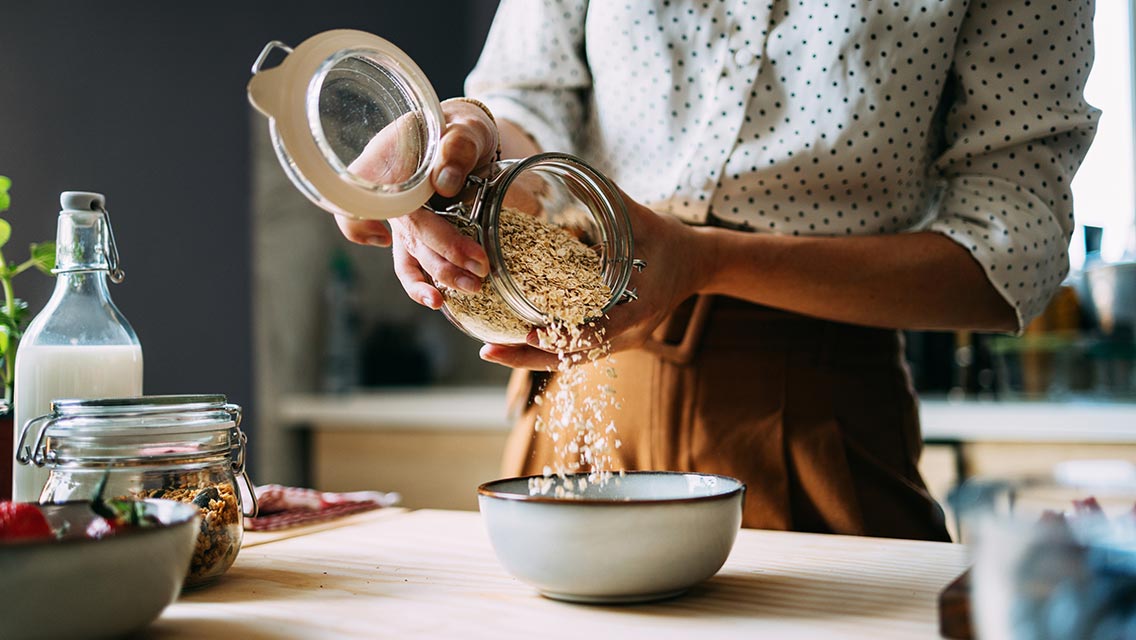
It’s warm and cozy. I’ll put the collagen protein powder in there so it’s right in there. They don’t know it. You can do other things too. You can do some nuts and stuff. There’s little ways to kind of optimize and add it in, but something like that too. Like it’s a true whole grain. I’m down with that for sure. As long as your digestion and how your body functions and feel is good, it’s the processed grains that aren’t as great. And again, some people or I have clients who are like, I bought this cereal and it’s loaded with fiber. And I’m like, okay, we can start there. Like that’s okay. Let’s get you to the real stuff though. You’re gonna be less bloated. And there’s a few brands out there like, I get a terrible stomach ache. I’m like, yeah, cause it’s the form of fiber, the processed fiber. We don’t do as well with. So again, going for the whole foods.
Jamie Martin
Right to your point like having those veggies prepped and ready to go so they’re easy to grab like having them in the clear container so I can say I can just grab some carrots grab some cucumbers grab some green or like the snap peas type thing the other thing that we really love to do are the sheet pan meals where it’s like you have a protein but then you can surround it with produce which is one of my favorite things I’m like it’s so quick and easy and I don’t have a major cleanup so for us like that’s one of the tricks we’ve got to be able to do it quickly but I do you have any tricks in your house for getting your family to eat it?
David Freeman
I don’t do too much cooking, so I’ll admit that. that’s track speed. Whenever, that’s funny, right? But I’m very good at cooking spaghetti, like the simple stuff, right? But we don’t have any tricks. And if we do, Chelle knows them all. So I’ll delegate on that one. We’ll just call her. Yeah. Yeah, hit her up.
Anika Christ
Yeah, maybe a little like chia seed protein ball situation, oats like that would be —
David Freeman
Well, you know my favorite, energy bite.
Anika Christ
Oh yeah, see, those have fiber in them.
David Freeman
I do I got to throw this question out there because social media we’re aware of it the beautiful thing about social media is it could bring awareness to certain things the downside is a lot of those things that are probably out there may not be vetted and then people just don’t jump and do whatever it may be so fibermaxxing yay or nay?
Anika Christ
I’m trying to think how that’s actually being said online.
David Freeman
I would assume it’s going to probably be going above the recommended 28 to 35.
Jamie Martin
Well, mean, it sounds like it’s like increasing your fiber and focusing on increasing your fiber intake as a trend.
Anika Christ
I would say why not I like people I always call it n equals 1 like everyone’s a little bit different So again, we talked about when you go too fast, it can cause dissension and cause some other side effects you might not love If you can slow your way up and try to naturally increase it. I love that for people, obviously. But and that’s what’s kind of fun with food specifically is you can try stuff and again, I, we were talking to a co-worker last week and he was kind of explaining he’s always macroed focus. He’s followed his macros before, little to minimum change, but like he’s a past personal trainer. He kind of is in the industry. He goes, yeah, I just started doing this produce challenge and I’m just increasing it. I’ve lost eight pounds. And I’m like, probably the fiber, probably the fullness of whole foods. And it’s like sometimes little things, if it can change your perspective on your eating and motivate you, it’s kind like when you join a race, like you start taking different things seriously. I think that is cool. We just don’t want to miss out on the other stuff.
So again, if it becomes just about fiber, well, I like that, but like protein, fat, other nutrients as well too. So whatever gets you motivated and excited and then look and review, what did you learn from that? Did you introduce yourself to new foods? Awesome, love that. Like notate, so N equals one, I love that for most people. Again, I should look at it if it’s becoming like a challenge and people are just showing their ways of doing that. I obviously want them to do it with real food, right? That’s the other thing too. Sometimes people focus on packaged processed foods that are now labeled high protein, high fiber. And it’s like, I don’t love that, obviously either. So, but again, you got to do what works for you. And you are your best, your intuition. Like most people don’t listen to their gut, don’t think about themselves. I know people are like, you tell me to listen to my gut, but it’s not healthy. And I’m like, we’re going to make it healthy. But it is like, everyone’s a little bit different. So things might work for you really well that don’t work for you. And sometimes that can frustrate people too. So again, great challenge if you feel stuck or feel like you’re not going in right direction, hire a coach. Another lens that has worked with multiple different people that can put you on the right path, I think is another best step.
Jamie Martin
I feel like there’s like a little produce challenge thing that we might have in our future that we need to do.
Anika Christ
We used to do it with the greens because the greens have 45 things and we were like, if you do this every day, you check off all of these plants, which is kind of fun. We should totally do that.
Jamie Martin
Lean into the greens. OK, Anika, we’ve covered a lot of ground. Did we miss anything before we kind of start to wrap things up here today?
Anika Christ
I’m trying to think, probably not, I would say, like just focusing on it. I’m glad that it’s exciting. Again, because I can think back to, I’ve been at Life Time for 17 years. And again, when you have these conversations, I think about 10 years ago having fiber conversations who were like, okay, like it’s not sexy, it might not sound as fun. So I get excited when something like this is becoming like, hey, did you know you’re supposed to be doing this? It’s kind of like stress, like pre-pandemic, we’ve talked about that. People were like, I’m not stressed.
Now everyone’s like I’m stressed. I need to know my cortisol. I need to know these things. So it’s kind of cool how pop culture, I guess, of influences nutrition. But I would say, yes, it’s a thing. It might sound like old news because it is. Focus on real food. Focus on yourself. How much are you actually doing right now? And set yourself a goal of how can you actually increase? And if it increases whole natural foods, like we know every diet in the world thinks that’s good news, right? It’s not one diet. That’s like what we all should be doing.
David Freeman
Mic drop moment time.
Anika Christ
Oh boy.
Jamie Martin
Go for it.
David Freeman Okay, here we go. You’re so musically inclined.
Anika Christ
Oh my god.
David Freeman
Yeah, she is. We do voice notes and she sings, right? Like, you’re musically inclined. If fiber had a theme song, what would it be? It could be any artist, any song out there. I just want to see what comes to mind.
Anika Christ
Oh just pick a song that’s already out there? Oh my gosh, you’re putting me on the spot. I don’t know. You probably already thought about this.
David Freeman
No, that’s why it’s a mic drop moment. It’s off the top.
Anika Christ
For fiber? I feel like there’s like Veggie Tales songs out there where they’re talking, I forget do you guys did you ever watch Veggie Tales? feel like there’s one of those that I would say that talks about something with the benefits of fiber.
David Freeman
Like since people struggle with it. I would think like maybe Journey, Don’t Stop —
Anika Christ
Don’t Stop Believing?
David Freeman
Yeah.
Jamie Martin
I was going to say, what’s that — you’ve got to move it, move it. Who is that?
David Freeman
Oh!
Anika Christ
Oh!
David Freeman
That was on an animated movie, I want to say. You’ve got to move it move it.
Anika Christ
Well it was on Madagascar.
David Freeman
Thank you.
Jamie Martin
That’s not where it would originally have came from.
Anika Christ
No, it’s house music. Oh. We don’t know. [LAUGHTER]
Jamie Martin
We don’t know. But that’s what came to mind for me.
Anika Christ
Good job.
David Freeman
I see what you’re doing there.
Anika Christ
Jamie wins, Jamie wins there. That was good. Well thanks for having me on. [LAUGHTER]
Jamie Martin
Oh my gosh, of course. If people want to hear more from Coach Anika, they can follow her on Instagram at Coach Anika. She also has a ton of articles on Experience Life and she’s been on many episodes of the podcast. So you can tune in there. We’ll link to all of that in the show notes. Anika, always great to have you.
Anika Christ
Thanks for having me.
David Freeman
Yes, ma’am.
More like this

We’d Love to Hear From You
Have thoughts you’d like to share or topic ideas for future episodes? Email us at lttalks@lt.life.
The information in this podcast is intended to provide broad understanding and knowledge of healthcare topics. This information is for educational purposes only and should not be considered complete and should not be used in place of advice from your physician or healthcare provider. We recommend you consult your physician or healthcare professional before beginning or altering your personal exercise, diet or supplementation program.
Life Time provides administrative, non-clinical support to MIORA as well as services and amenities related to general wellness and fitness; Life Time does not provide medical advice, diagnosis, treatment or care.
Advertisement