



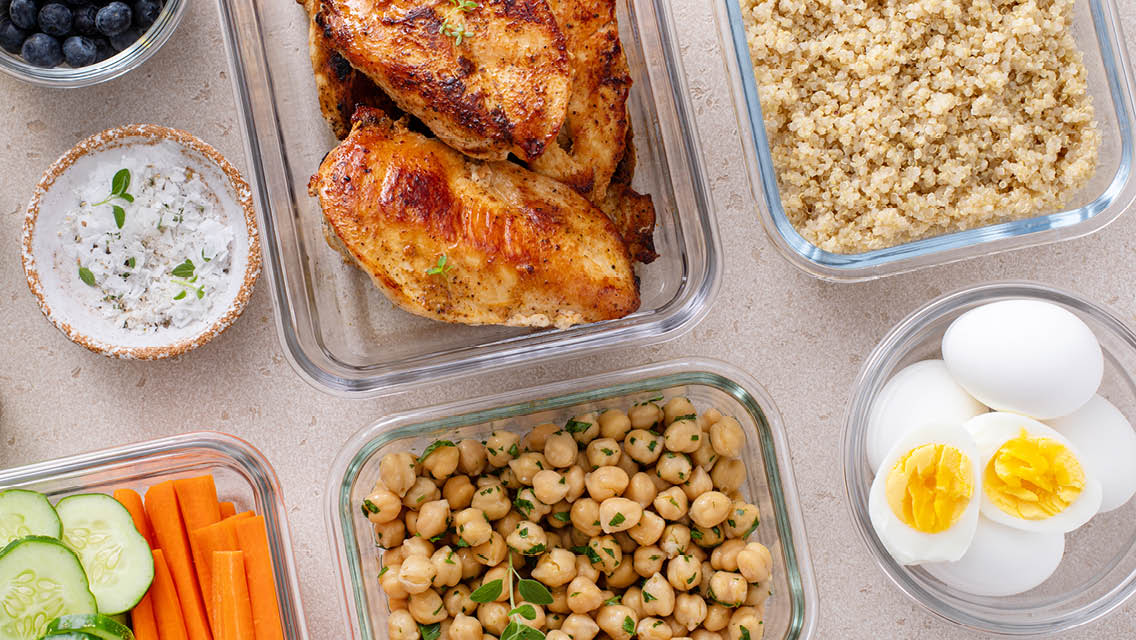
Protein is one of the three essential macronutrients that compose everything we eat. The other two are fats and carbohydrates, which function largely as fuel. Protein is unique in that its amino acids provide the raw materials for building all the tissues of the body, including muscle, organs, skin, and bones.
“If your body is a brick house, then protein is the bricks,” says exercise physiologist and performance nutrition researcher Mike T. Nelson, PhD.
Protein supplies your body with the amino acids necessary for repairing essential tissues after any challenging activity. The combination of exercise and protein makes you stronger; it also protects your muscle tissue from breaking down over time.
Without protein, Nelson says, “your body will harvest those amino acids from your muscles to survive.”
Protein supplies your body
with the amino acids necessary
for repairing essential tissues
after any challenging activity.
Muscle loss isn’t just a concern for athletes, he explains. Leg strength, grip strength, and VO₂ max — a measure of cardiovascular health — are all commonly cited as being key predictors of mortality. And dietary protein supports all three.
That makes protein more than a strength nutrient; it’s also a longevity nutrient. “The data shows that as you age your protein needs go up, not down,” Nelson notes. Researchers believe this is due to a decline in muscle mass. The body’s response to protein also becomes less efficient as we age.
As with big rock No. 1, protein requirements vary. Active people should aim to eat about 1 gram of protein per pound of lean body mass per day, says Paul Kriegler, RD, Life Time’s director of nutritional-product development. That amounts to a starting point of 140 grams of protein for a 175-pound person with 20-percent body fat. Intakes higher than this may not provide additional muscle-gain benefits but may help with appetite management.
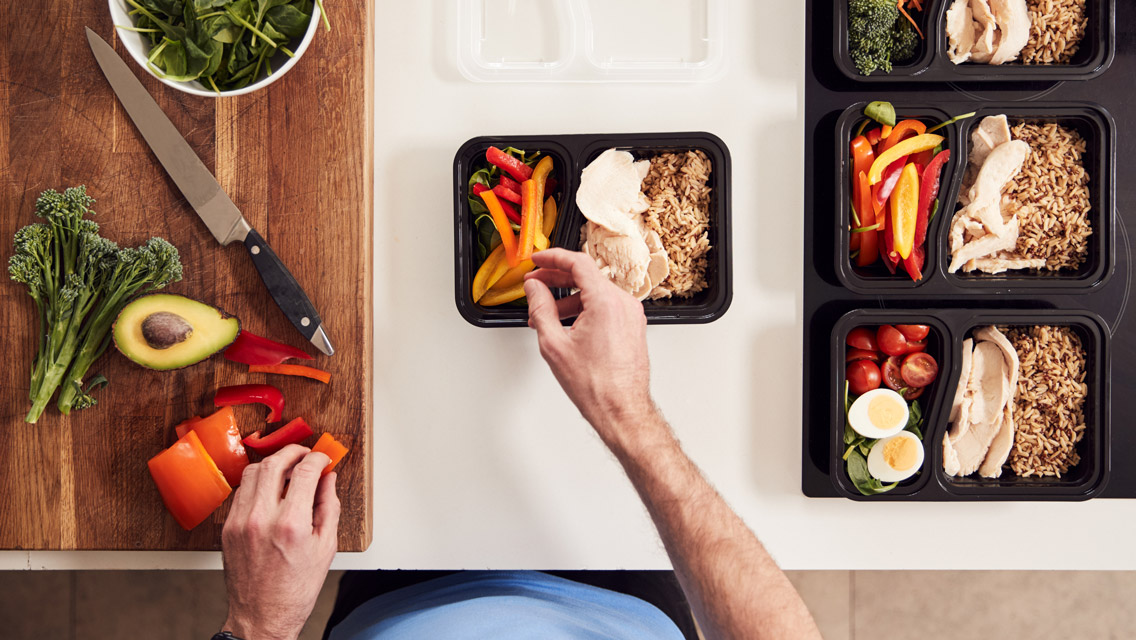
An even simpler strategy is to eyeball it. “I recommend starting with at least a palm size of protein with breakfast, lunch, and dinner,” says Ogden. From there, work to add more portions of protein at those meals, or consider adding high-protein snacks — protein powders, Greek yogurt, and eggs are great (and quick) options.
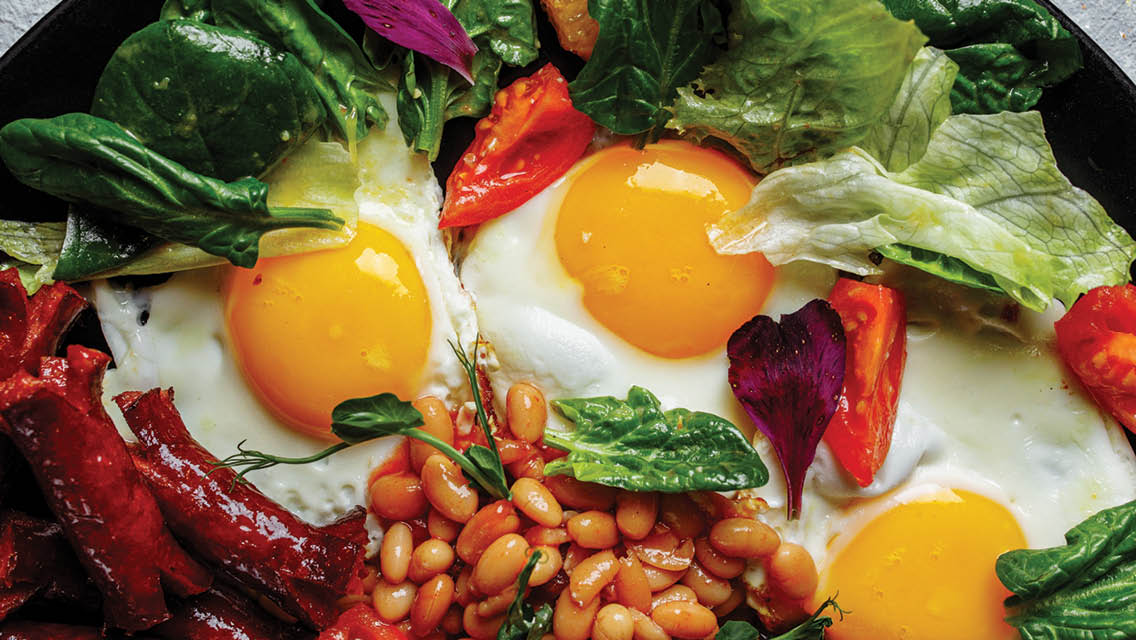
Aim to get most of your protein from whole-food sources, including lean meats, seafood, eggs, dairy products, beans, lentils, nuts, and seeds.
(Want to go deeper on protein? Check out “Here’s What 30 Grams of Protein Looks Like,” “How to Eat 30 Grams of Protein at Every Meal,” and the LT Talks episode “How Much Protein Do I Need?“)
The Big Rocks of Fitness Nutrition
Feeling overwhelmed by all the nutritional advice out there? We’ve boiled it down to a few more key strategies at “5 Foundational Guidelines for Fitness Nutrition,” from which this article was excerpted.




Comments (0)