



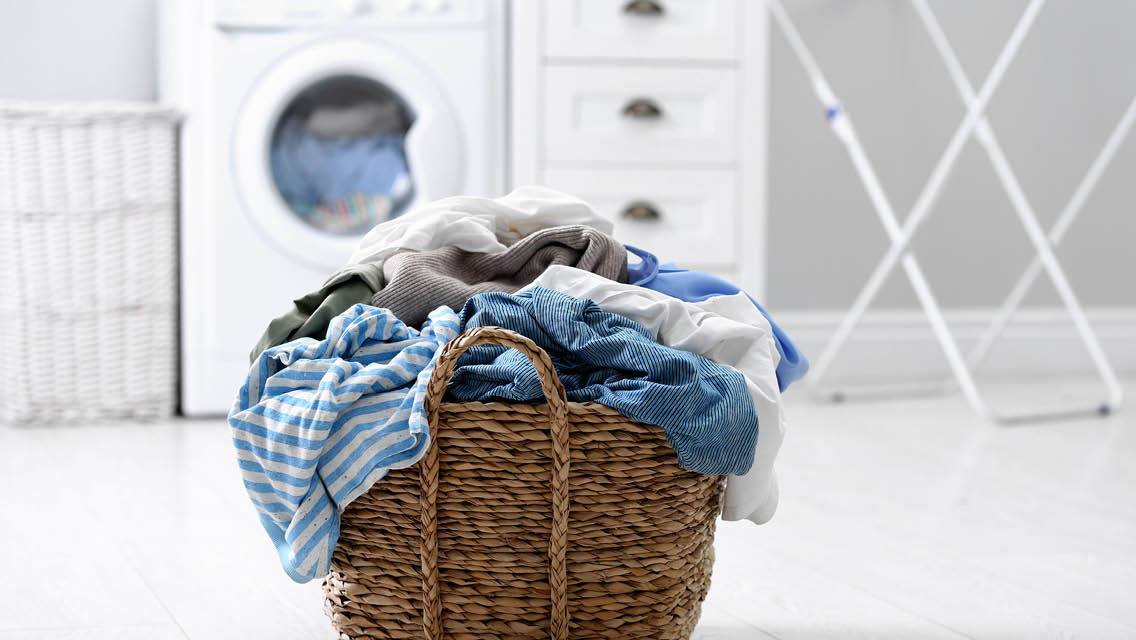
A study published in the journal Applied and Environmental Microbiology shows that polyester apparel retains stink more than cotton clothing after a hard workout, because it is less absorbent and promotes odor-causing bacteria.
“We investigated the microbial growth on both textile types, and it appeared that different microbial growth occurred,” says Ghent University’s Chris Callewaert, PhD, senior postdoctoral research fellow at Research Foundation Flanders and creator of the website DrArmpit.com.
“Polyester was a source for Micrococcus enrichment, which was not seen on cotton. Micrococci are known for their enzymatic capacity to degrade fatty acids and amino acids into volatile malodorous compounds. These microbes are also an important reason why polyester is stinkier after exercise.”
Like natural cotton, wool can help you avoid a smelly clothes hamper. While wool will permit microbial growth, it breeds mostly nonodorous bacteria.
Workout wear is often made from synthetics like Lycra and polyester, which can wick away sweat but hold on to body odor. Specially formulated detergents can help dissolve the oils that interact with bacteria and cause the smell. Antimicrobial sportswear can also help reduce the microbial numbers, but it comes with its own risks. (For more on why anti-odor clothes stink, see “Why Anti-Odor Clothes Stink“.)
These measures prevent the sweat that’s absorbed into the treated material from becoming stinky. But be forewarned that bacteria on your skin can still transform the sweat molecules into something malodorous.
(For smart advice on getting funky odors out of gym clothes, see “How to De-Stink Your Sweats“.)
This was excerpted from “Everything You Always Wanted to Know About Sweat” which was published in the July/August 2022 issue of Experience Life.




Comments (0)