




Lyme and other tick-borne diseases have become an epidemic, with an estimated 476,000 new cases diagnosed annually, according to the Centers for Disease Control and Prevention (CDC). Protect yourself with these tips.
1. Avoid wet areas
Ticks thrive in shady, moist, wooded areas. Stay on paths and don’t blaze trails. And think sunny: Ticks don’t like dry, clear areas. If you’re picnicking, select open ground.
2. Repel ticks
The CDC recommends using insect repellents, but choose wisely. DEET is the most common, but it can cause eye irritation and, in high doses, neurological problems, such as seizures. Still, the Environmental Working Group (EWG) labels it “generally safer than many people assume” and “a viable option” in tick-infested areas. Permethrin-treated clothes are another option.
3. Dress appropriately
Ticks can’t jump or fly; they climb onto you from the ground level or from grasses and shrubs. Always wear shoes, socks, and pants in tick habitats. Tucking your pant legs into your socks is an easy way to keep ticks out.
4. Make your yard tickproof
Reduce your yard’s tick habitat by keeping leaves, tall grass, and shrubs out of areas you use regularly.
5. Do a tick check
After coming indoors, do a full-body tick check on yourself and your kids. Ticks usually latch on to your lower legs and climb upward in search of a meal. The shower is a good place for a check: Pay attention to your underarms, your groin area, and especially your hair.
6. Inspect your pets
Ticks can hitchhike home on your dog or cat, then attach to you later, so do a tick check on your pets as well. And talk to your vet about tick protection for your animals.
7. Clean your clothes
If you think you may have encountered ticks, toss your clothes into the dryer on high heat for an hour to kill the arachnids, says the CDC.
What to Do If You Find a Tick
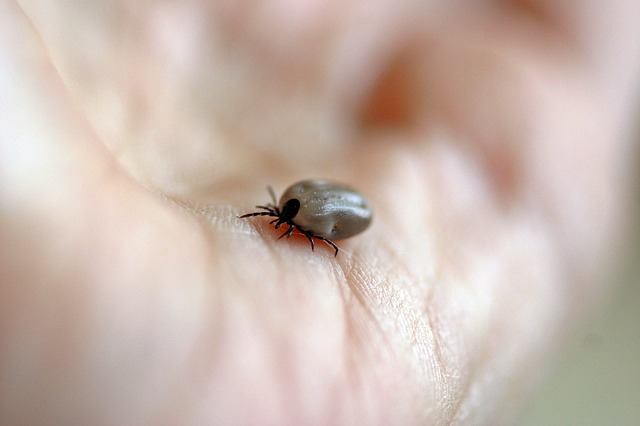
If you discover a tick on yourself, there’s no risk if it’s still crawling around. And the chance of contracting Lyme disease is small if the tick has been attached for less than 24 hours. Still, the odds of contracting any tick-borne disease are minimized if the tick is removed as soon as possible.
Using tweezers, grasp it close to your skin and pull it straight out. Don’t twist the tick; it can break off, leaving parts in your skin. Clean the bite area with rubbing alcohol or soap and water.
If you suspect a tick has been attached to you for longer than 24 hours, see a doctor immediately. (Some experts suggest bringing the tick with you, stuck between two pieces of clear tape.) The physician may prescribe the antibiotic doxycycline, which has proven 87 percent effective against Lyme-disease symptoms when taken within 36 hours of infection.







Comments (0)