




Protein plays a role in many of the most critical bodily processes. It’s used to make our muscles, bones, skin, and hair. Proteins create protective antibodies and can even act as hormones.
Getting enough of the nutrient is especially important as the body ages, says registered dietitian Nichola Ludlam-Raine, author of How Not to Eat Ultra-Processed. “Without enough protein, you have less energy, your muscles fatigue more quickly, and your body heals more slowly from injury and illness.”
While protein needs vary depending on age, activity level, and health goals, most active people can benefit from 20 to 30 grams of protein at each meal. Take your protein content up a notch with these ideas.
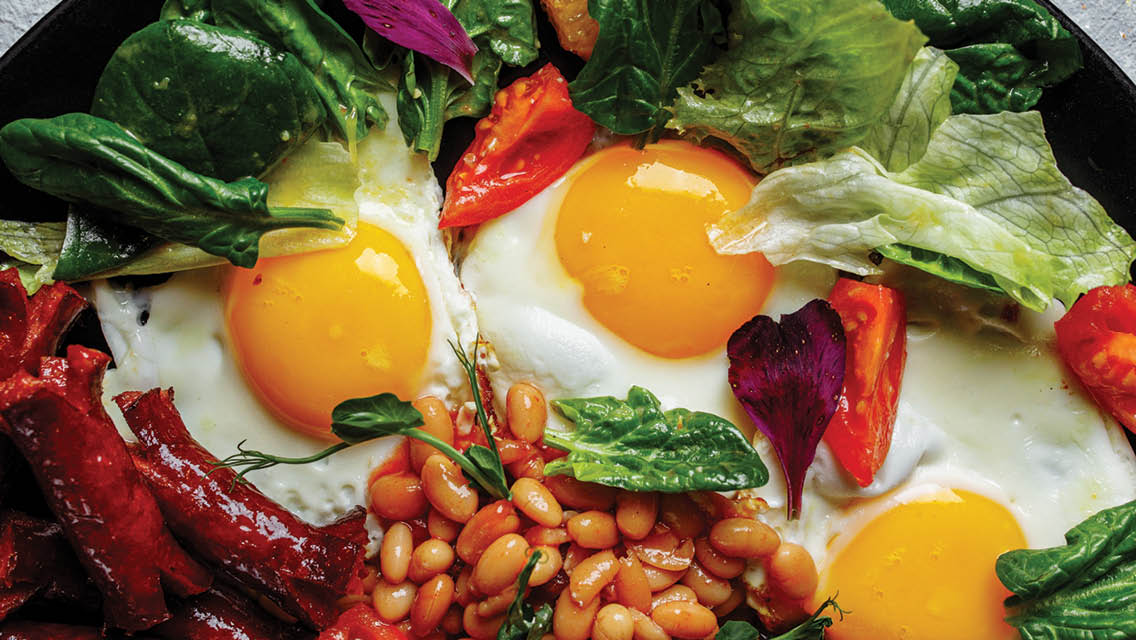
Fall in love with eggs. Adding an egg to a meal is one of the easiest ways to ratchet up protein. A single large egg delivers about 6 grams. A hardboiled or jammy egg can lift the protein score of ramen noodles, Caesar salad, avocado toast, and more. (Try one of these recipes featuring eggs for a tasty meal — any time of day.)
If you like stir-fried rice, try adding an extra egg to the recipe. Or consider putting a veggie-packed omelet, quiche, or shakshuka into your weekly dinner rotation to get more protein, fiber, and antioxidants in one dish.
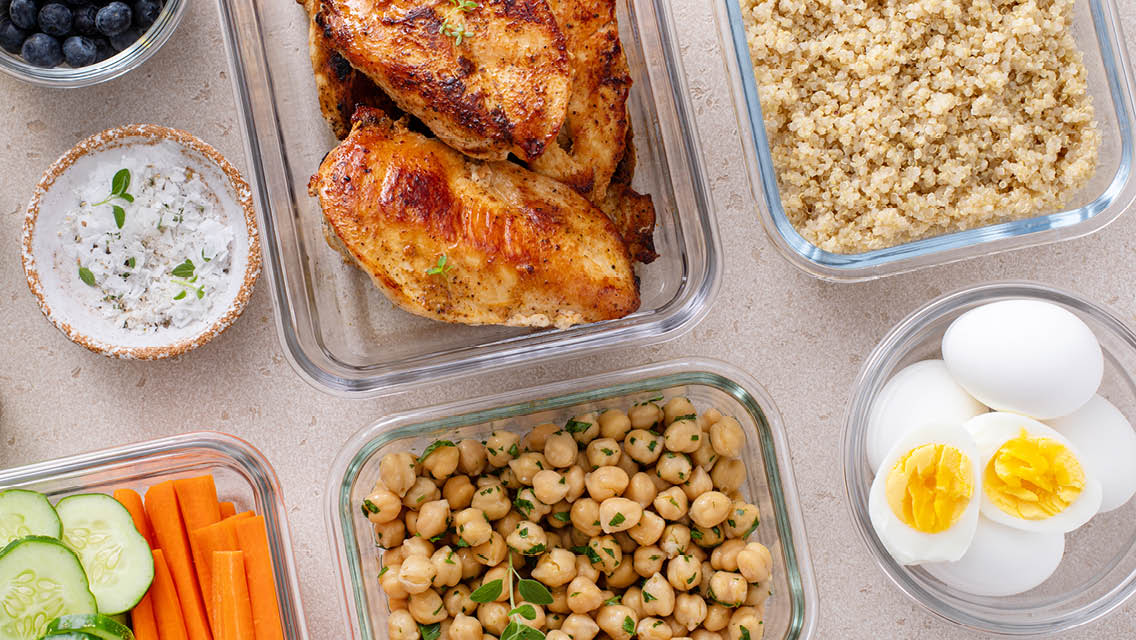
Toss beans or lentils into pasta sauce. Canned beans and lentils are inexpensive, shelf-stable, and packed with protein. A single cup of lentils delivers approximately 18 grams of protein.
Try adding chickpeas or white beans (such as great northern or cannellini) to white sauce–, cheese-, or oil-based dishes, like Alfredo or pesto. Heartier tomato sauces, like a Bolognese, can easily embrace black beans, kidney beans, or lentils, says Ludlam-Raine. If the texture is a turnoff, she says, purée the beans first.
Sub quinoa or soba noodles for rice in almost any grain-forward dish or bowl. One cup of quinoa boasts 8 grams of protein. A cup of soba noodles, which are made from buckwheat flour, offers 6 grams. Both are complete proteins, meaning they deliver all nine essential amino acids the body needs.
Ahead of a busy week, Lewin cooks a pot of quinoa so she has a ready-made foundation for grain bowls and salads for maximum ease.
Add some spinach to your soups and scrambles. Spinach is an excellent source of high-quality protein, says Peter Horvath, PhD, associate professor emeritus of exercise and nutrition sciences at the University at Buffalo.
A cup of cooked spinach has more than 5 grams of protein — but don’t be fooled by the smallish number. Spinach also contains all nine essential amino acids, plus antioxidants and fiber, making it another triple-win food. It might surprise most people, he says, but for high-quality protein, “spinach can’t be beat.” (Check out “Cooking With Spinach: Recipes, Techniques, and More.”)
Sprinkle seeds liberally. Whether you’re eating a salad, oatmeal, yogurt, or grain bowl, a handful of seeds adds flavor, crunch, and protein. One caveat: Many seeds have a protective outer layer, the seed coat, that must be crushed to access the nutrients inside. Bigger seeds, such as pumpkin and sunflower, are easily chewed. But smaller seeds, like flax or sesame, often pass through the body without ever giving up their goods.
As a workaround, Horvath puts chia and hemp seeds with flaxseeds in a blender and pulverizes them. Then he sprinkles the seed mix on his favorite foods, especially yogurt and salads. To keep the mixture fresh, he stores it in the refrigerator.
Get to know “nooch.” Nutritional yeast is an inactive version of the same kind of yeast used to bake bread and brew beer. Two tablespoons of the cheesy yellow flakes pack about 5 grams of protein. Nutritional yeast has an umami flavor that plays well with most everything, including popcorn, pasta, and green salads. Functional dietitian and sports nutritionist Barbara Lewin, RDN, CSSD, LDN keeps a jar in the fridge and uses it liberally on veggies like broccoli and cauliflower.
Try sprinkling nooch on top of cooked veggies, or make a quick sauce by blending it with some pan drippings while cooking. It can even replace the cheese in pesto for a great-tasting sauce.
Power Up Your Plate
You don’t need to overhaul your diet in order to eat well. Try these easy ways to get you more of the nutrients that matter at “How to Add More Fiber, Protein, and Antioxidants to Your Plate,” from which this article was excerpted.

This Post Has 0 Comments