



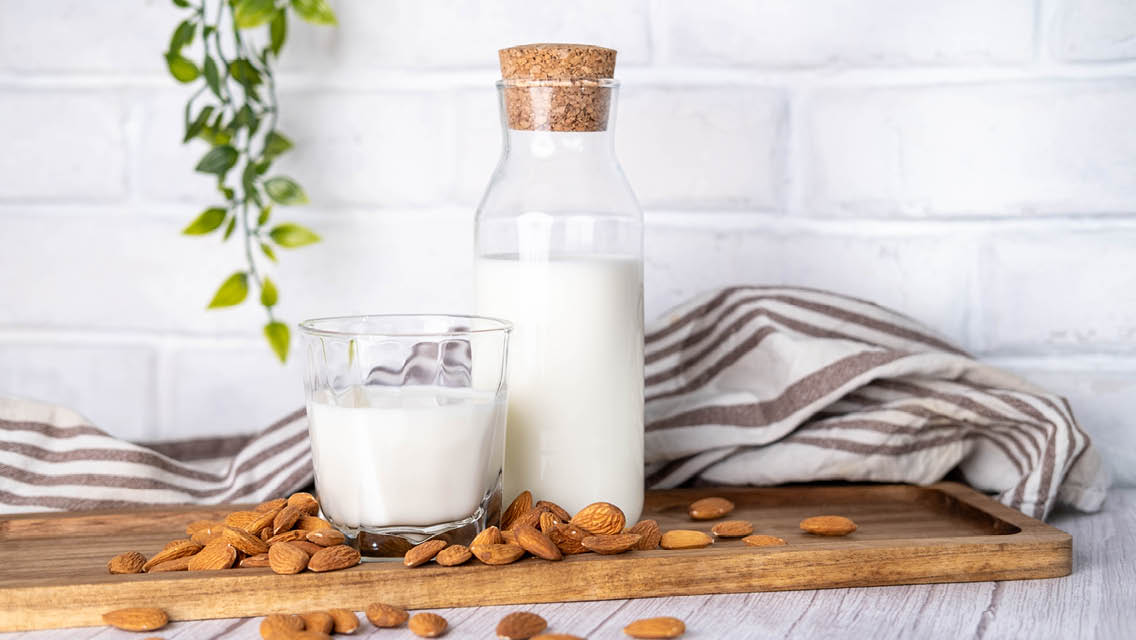
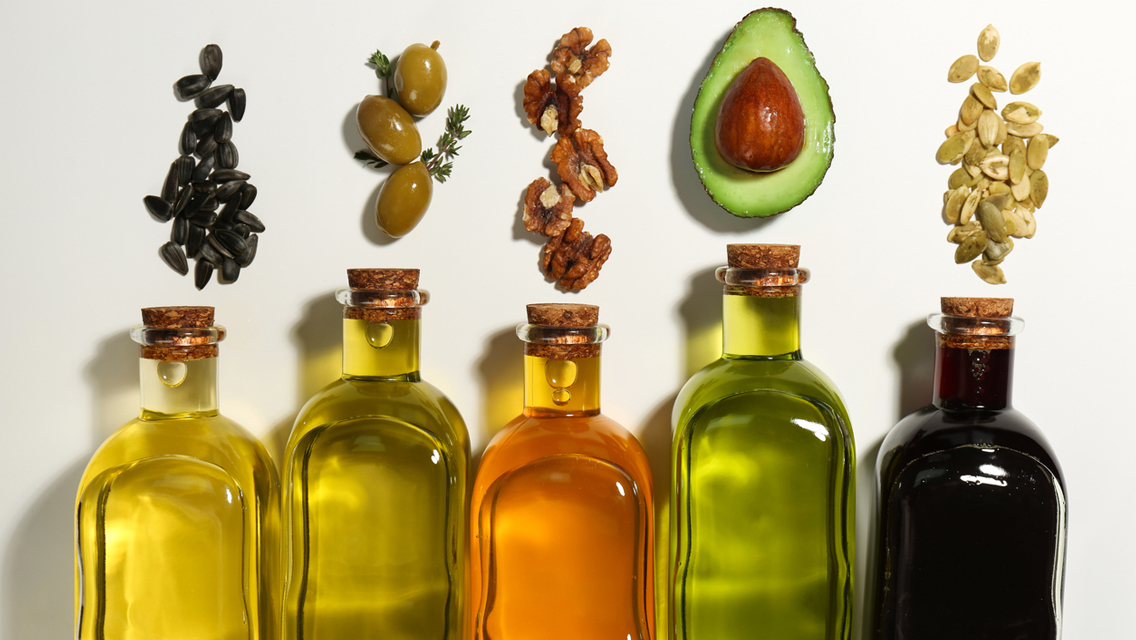
Many nondairy products contain added seed oils (such as canola, sunflower, or soybean oil) to boost fat content and enhance texture. This is especially true of barista blends, which are used to create a more stable foam for coffee beverages.
The omega-6 fatty acids found in seed oils have a reputation for contributing to chronic inflammation and overall poor health. But much of this problem, argues Samantha McKinney, RD, who helps lead nutrition and LTH supplement education at Life Time, is linked to an overabundance of seed oils in a person’s total diet, not in a single product.
“Most people are consuming excess seed oils in their overall diet, since they’re such a prevalent component of processed foods as well as food prepared in restaurants,” she explains. The easiest way to avoid overconsuming seed oils is to choose “foods that are closer to their natural form,” she says.
If you want to avoid seed oils in your nondairy milk, seek out products with a higher natural fat content, like coconut milk or unsweetened almond milk. Check the label and look for brands with a minimal ingredient list.
(To learn more about omega-3 and omega-6 fatty acids — and how to achieve the right balance in your diet — see “The Omega Balance.”)
Know Your Nondairy Milk
The dairy-free milk aisle can be overwhelming. Cut through the confusion with additional advice at “5 Things to Pay Attention to in Nondairy Milk,” from which this article was excerpted.



Comments (0)