



Once upon a time, it was known as GMO food. Now, it’s “bioengineered.”
The U.S. Department of Agriculture (USDA) on January 1, 2020, implemented the National Bioengineered Food Disclosure Standard (NBFDS), a move that “requires food manufacturers, importers, and certain retailers to disclose information about whether food offered for retail sale is bioengineered (BE) or uses BE food ingredients.” The mandatory compliance date was the start of 2022.
The ruling seeks to clarify official government standards at a time when terms used in labeling, such as “genetically engineered” (GE) and “genetically modified organisms” (GMO), often have more to do with marketing a product than adhering to a standard.
Critics, though, claim the new BE terminology may confound concerned consumers who already recognize current GMO wording. The Center for Food Safety (CFS), for instance, is challenging the ruling in court, arguing that the shift creates too many loopholes and too much confusion. “This case is about ensuring meaningful food labeling, the public’s right to know how their food is produced, and retailers’ rights to provide it to them,” the CFS explained.
Under the standards, BE food must display a text label (“bioengineered” or “derived from bioengineering”); BE symbols; an electronic or digital QR code link; or a phone number consumers can text for information.
The CFS suit also challenges the USDA’s unprecedented use of QR labeling, arguing that “requiring a smartphone discriminates against at least 20 percent of the American adult population — primarily poor, elderly, rural, and minority populations — who have lower percentages of smartphone ownership, or live in areas in which grocery stores do not have internet bandwidth.”
“Bioengineered” labels are not completely new. Congress passed a law regarding BE foods in 2016 and the Federal Register published the NBFDS in 2018.
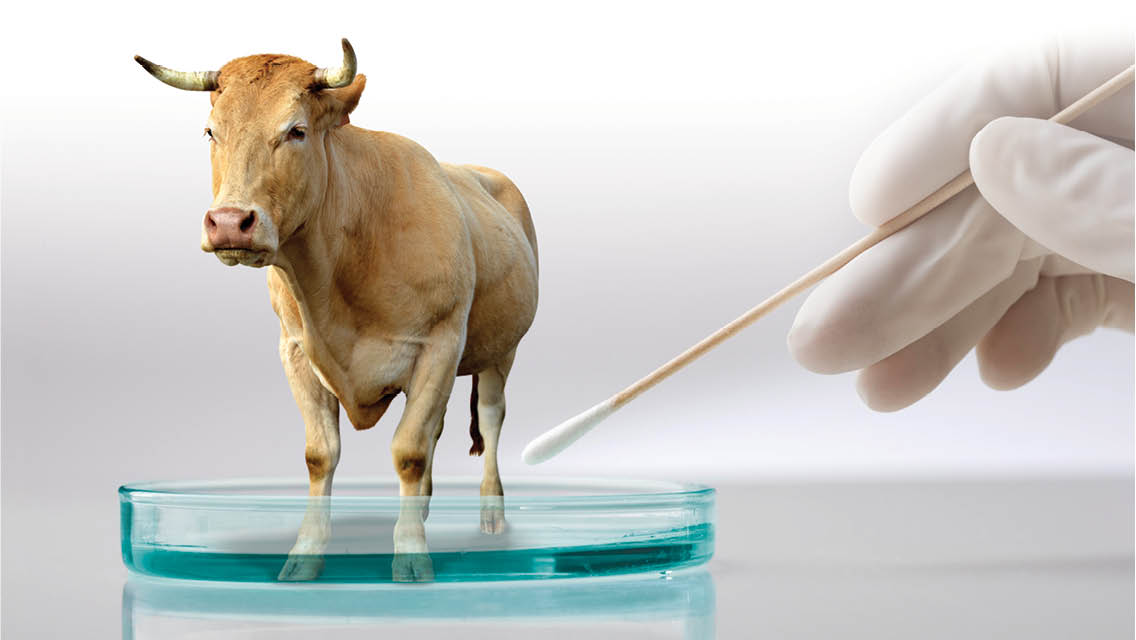
The revised standards define a BE food as containing “genetic material that has been modified through in vitro recombinant deoxyribonucleic acid (rDNA) techniques and for which the modification could not otherwise be obtained through conventional breeding or found in nature.”
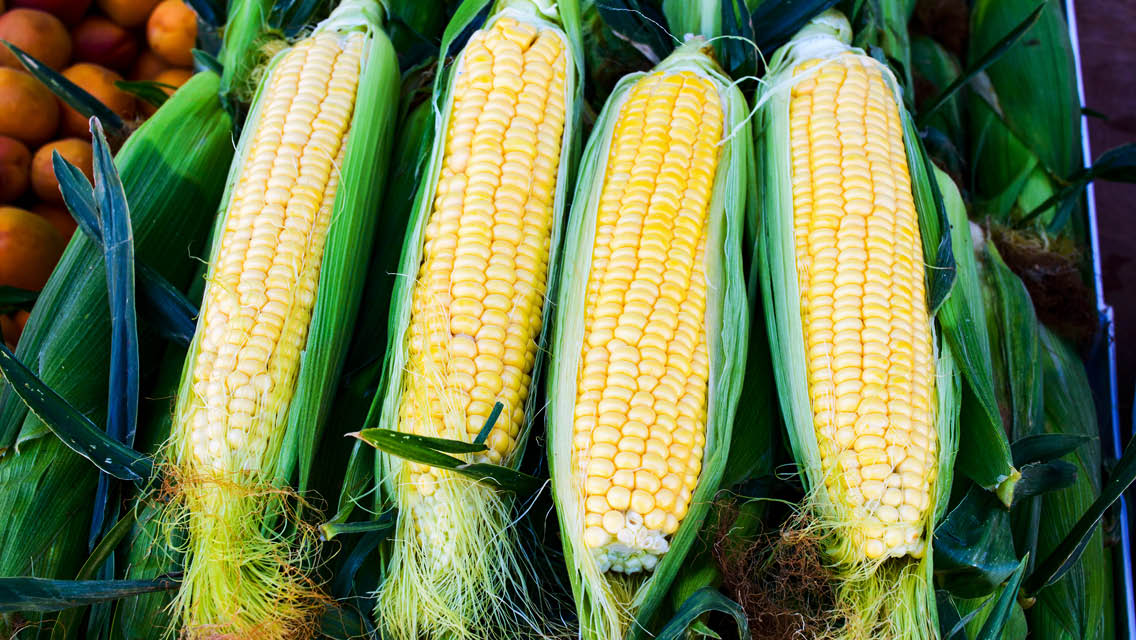
A bioengineered plant or animal may include an added gene that gives it a useful trait (such as resistance to pests or disease) or enhances its nutritional value, for instance. The USDA lists 13 crops or foods to be labeled with a BE disclosure: alfalfa, canola, corn, cotton, potatoes, soybeans, summer squash, and sugar beets, plus specific varieties of apples, eggplant, papaya, pineapple, and salmon.
The “contains bioengineered food ingredients” label means that at least one ingredient contains modified DNA.
Loopholes and Exemptions
- Potential BE exposures are not disclosed. “If a food manufacturer sources nonbioengineered corn and that nonbioengineered corn has an inadvertent or technically unavoidable amount of a bioengineered substance that is less than 5 percent, then [disclosure] is not required,” the Agricultural Marketing Service states. The European Union, on the other hand, uses a 0.9 percent maximum for certification.
- BE food served in restaurants and similar retail establishments is exempt from labeling. This includes cafeterias, bakeries, delis, food trucks, and airlines.
- Exemptions on labeling for small food manufacturers with sales below $2.5 million per year.
- Processed foods using BE ingredients have allowances. For example, prepared foods whose first ingredient is meat or eggs may not need to be labeled.
- Foods from BE-fed animals are exempt. For example, the milk from a cow raised on BE alfalfa would not be considered a bioengineered food.
This article originally appeared as “New USDA “Bioengineered” Food Label: What You Need to Know” in the June 2022 issue of Experience Life.



Comments (0)