



Our eyes’ lenses are bombarded with high-intensity, shortwave blue light for much of the day. Sunlight is a huge source of oxidative stress, as are computer screens.
To protect itself, the pea-size lens has one of the highest concentrations of glutathione found anywhere in the body.
Glutathione is often called the master antioxidant, but “superhero” is more accurate. It can regenerate after neutralizing free radicals and wields enough power to bring other exhausted antioxidants, like vitamin E, back to life.
“Glutathione is essential for keeping oxidative stress in check,” says Banik.
The glutathione we produce naturally declines as we age, so researchers are exploring whether a lack of the nutrient leaves the eyes more vulnerable to oxidative stress and, therefore, age-related vision troubles. Several studies have found decreased levels of glutathione in patients with age-related macular degeneration, but the mechanisms are still not understood.
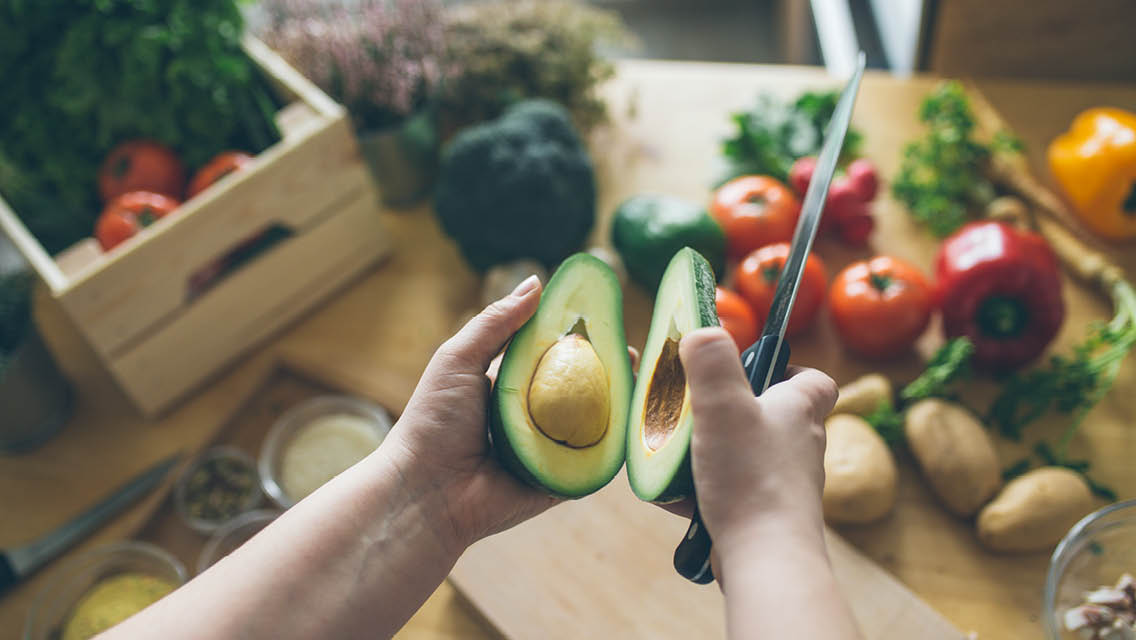
Because glutathione supplements are poorly absorbed through the gut, the best way to boost levels is by enjoying a variety of antioxidant-rich vegetables and fruits. In addition to avocados and asparagus, sulfur-rich crucifers like kale, cabbage, and broccoli, as well as alliums like onions, garlic, and shallots, are good choices.
(Learn more about this power antioxidant and how you can boost your levels at “8 Ways to Boost Glutathione.”)
→ Best sources: Avocados and asparagus
→ Most important effect: Protects the lenses from oxidation
Eating for Eye Health
Food plays a big role in sustaining our vision — and carrots are just the beginning. Discover the best nutrients for eye health at “How to Eat for Eye Health,” from which this article was excerpted.




Comments (0)