




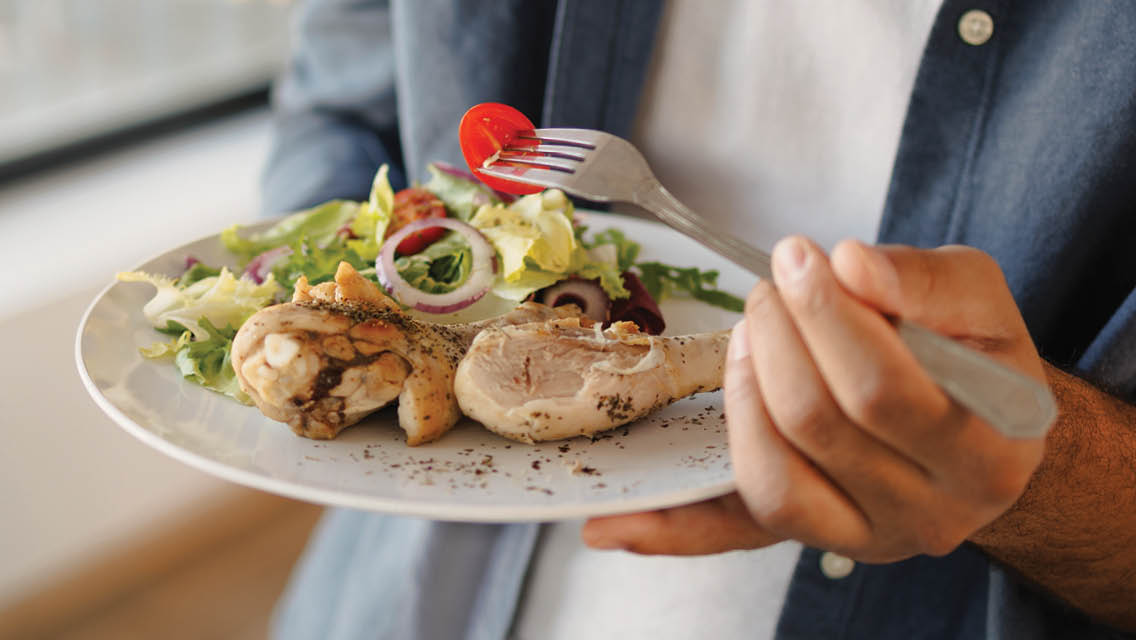
As nutrients go, protein gets a lot of press. Eating protein is touted for weight loss, glucose control, and building muscle.
Less focus has been granted to all the ways protein influences our mental health. That includes how well we’re able to avoid depression, manage stress and anxiety, and maintain focus and energy.
As with all things nutritional, there’s some nuance here. While we need adequate protein for mental health, more protein isn’t always the right solution for disruptions in mood and energy.
Discover some of the ways protein can help — and sometimes harm — mental health, and how you can personalize your protein intake to meet your brain’s unique needs.
Protein and the Brain
The brain needs different things from each of the macronutrients. Carbs, in the form of glucose, provide fuel. Fats give brain cells their structure. And protein helps the body build neurotransmitters.
The gut breaks protein down into individual amino acids. In the brain, cells use amino acids to create molecules that enable neurons to communicate with one another. These networks allow us to recall childhood experiences, grieve losses, and celebrate victories. In this way, protein helps create our life experience.
Neurotransmitters need to be constantly replenished, and the brain can function well only briefly before needing to refuel. If you’re depriving your body of certain amino acids by eating too little protein, that can translate to conditions like anxiety or depression.
How to Adjust Protein Intake
Three neurotransmitters with a sizeable impact on mental health are serotonin, dopamine, and GABA (gamma-aminobutyric acid). Here’s how you can tailor your protein intake to bring them into balance.
SEROTONIN:
The Mood Soother
Perhaps the best-known neurotransmitter thanks to its powerful effect on mood, serotonin plays a role in digestion, bone health, libido, and pain regulation. It also soothes negative emotions, boosts stress resilience, and helps regulate circadian rhythms.
If you feel anxious or overwhelmed, or struggle to sleep, your serotonin levels may be running low. Serotonin is built from tryptophan, an amino acid you can get from foods like turkey, dairy, and nuts. Still, a focus on these foods in isolation doesn’t ensure good absorption of tryptophan, because tryptophan has to compete with other amino acids to cross the blood-brain barrier.
During periods of high anxiety, try consuming slightly less protein — while still ensuring that it’s high quality. Replace that protein with healthy fats and complex carbs, ideally from vegetables, beans, and whole grains. Eating carbs helps tryptophan find its way into the production line for your brain to make serotonin, while the fiber in complex carbs helps regulate your blood sugar.
DOPAMINE:
The Reward Giver
Dopamine boosts energy, motivation, focus, and the ability to enjoy life. Alternatively, dopamine imbalance is associated with addiction, memory loss, movement disorders, and mental illnesses involving mania and psychosis.
If your mood is down, if you’re unusually tired or unfocused, or if you’re just lacking enjoyment in life, it may help to focus on increasing your dopamine supply. This one is easy: Just eat more high-quality protein.
Dopamine is built from tyrosine, an amino acid plentiful in high-protein foods like meats, eggs, and fish. Vegetarian sources include cheese, soy, and pea protein.
Any meal or snack in which protein is a primary component can result in a quick tyrosine boost, signaled by a bump in energy and focus. The effect increases if you also eat a moderate amount of healthy complex carbs.
GABA:
The Calming Presence
The neurotransmitter GABA is a brake for the brain. It slows excess activity, calms anxiety, and helps reset an overworked nervous system. GABA operates in partnership with glutamate, a chemical that acts as the brain’s accelerator. Both are necessary.
If you feel revved up, agitated, or ruminative, your brain may have too much glutamate and insufficient GABA. This is the most challenging of these patterns to adjust through diet. You’re trying not to increase any amino acids but to decrease glutamate.
Try avoiding high-glutamate foods, such as aged cheeses, cured meats, and fermented or pickled foods. Then lower your protein consumption a little and consider focusing on vegetarian elements: fresh, brightly colored fruits and veggies; beans and legumes; whole grains; and nuts and seeds. This can help cool an overheated mental engine.
Natural Mental Health
For more nonpharmaceutical solutions for common mental health challenges, visit our Natural Mental Health Department.
This article originally appeared as “Protein and Mental Health” in the March/April 2026 issue of Experience Life.


This Post Has 0 Comments