




Don’t obsess over specific macronutrients in isolation, says Joseph Marine, MD, FACC, a clinical cardiac electrophysiologist at Johns Hopkins Hospital. He offers simpler advice: Eat more fresh whole food and stay away from highly processed stuff. “Focusing too much on specific ingredients is more confusing than it needs to be,” he says.
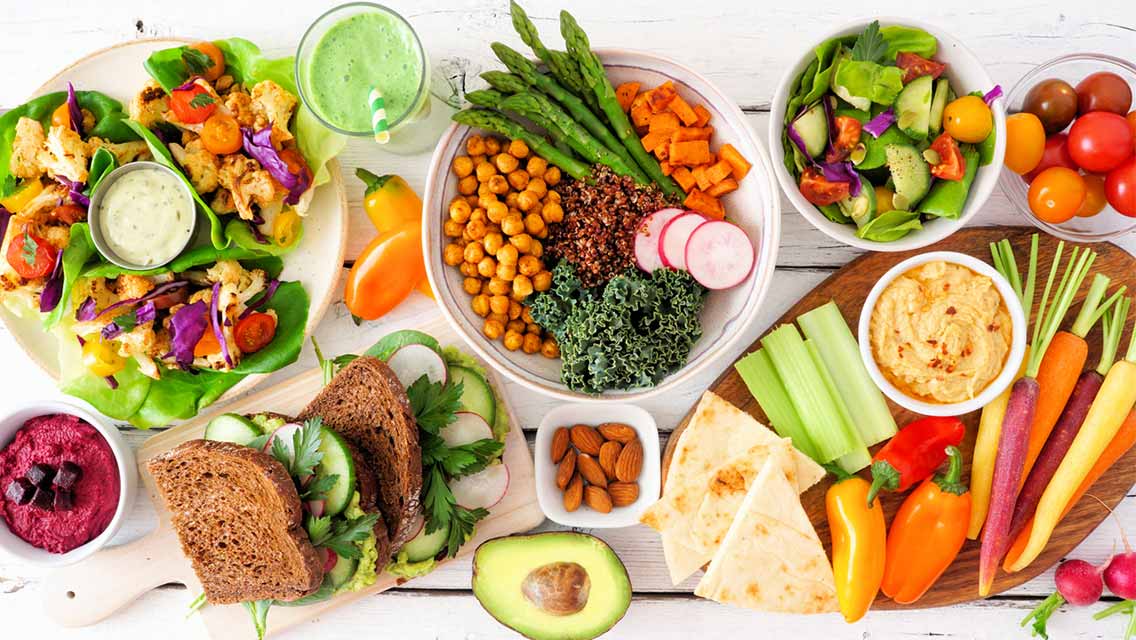
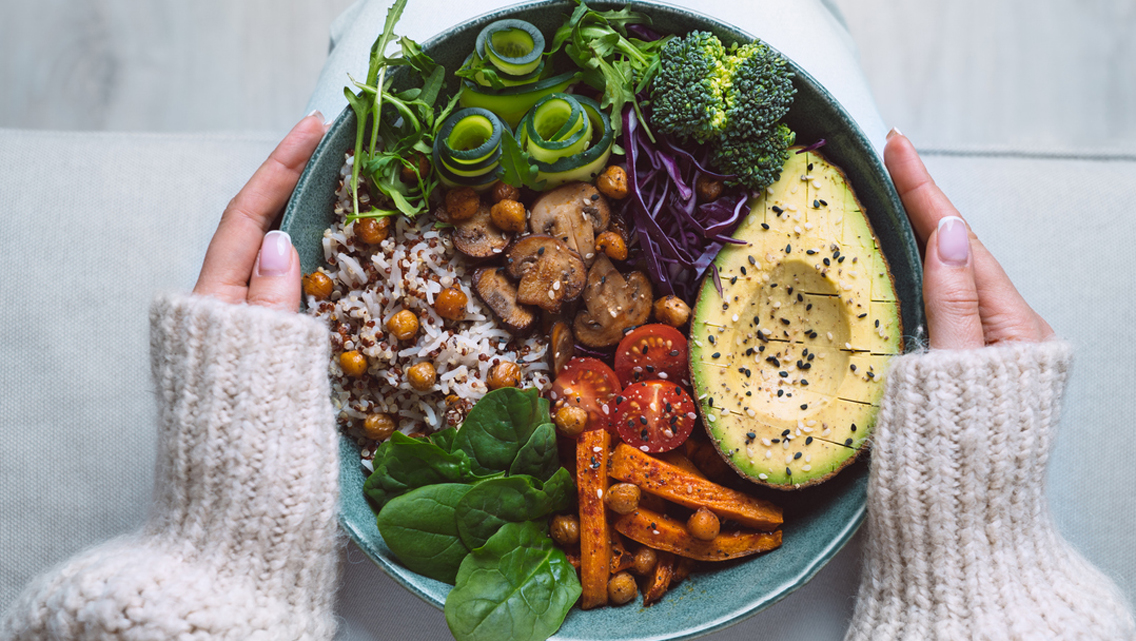
Plant-forward diets with plenty of healthy fats are associated with a reduced risk of a variety of diseases, including heart disease. The Mediterranean diet is the best studied and is backed by substantial research. The protocol is relatively low in processed carbohydrates, emphasizing vegetables, fruits, whole grains, beans and lentils, nuts, garlic, and olive oil. It also includes seafood — especially small, fatty fish, such as sardines — and meat in moderation. (For more healthy plant-forward food traditions from other cultures, check out “5 Heritage Diets and Their Health Benefits.”)
“Whole, unprocessed foods are pretty anti-inflammatory by default,” says Bhojraj. “And the different colors in plant-based foods come from phytonutrients and phytochemicals that have specific roles in combating inflammation.”
In addition to their abundant antioxidants and healthy fats, plant-forward diets are rich in fiber, which binds to cholesterol in the gut and carries it from the body. Fiber helps stabilize insulin levels, nourish the gut microbiome, and reduce the oxidative stress that can lead to vascular damage.
Guarneri recommends some supplements, but only as complements to a healthy diet. Deficiencies in vitamin D and antioxidants are common, and vegetarians may require extra B vitamins.
Supplements can also be used therapeutically: Omega-3 can lower inflammation and triglycerides; red yeast rice can lower cholesterol; and berberine can lower blood sugar. These are potent treatments — red yeast rice contains a naturally occurring statin, for instance — so work with your healthcare provider if you plan to take them.
What Your Heart Needs
Heart disease remains the leading cause of death in the United States. Some practitioners are now adopting an integrative cardiometabolic approach that involves new dietary and lifestyle measures to boost heart health. For more, see “8 Ways to Support Heart Health,” from which this article was excerpted.


This Post Has One Comment
Great overview on whole foods for heart health, Mo! Love the Mediterranean diet shoutout—I’ve been swapping processed snacks for lentil salads with olive oil and nuts, and my energy levels are through the roof. Fiber’s cholesterol-binding power is a game-changer.