



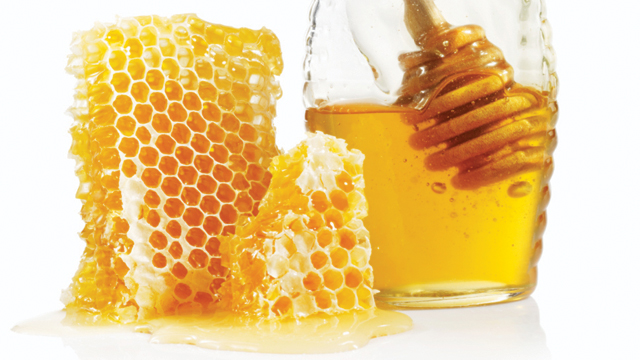
The honey you stir into your tea or yogurt may not have originated where the bottle’s label says it did. Thanks to a practice known as “honey laundering,” tainted Chinese honey may be making its way into the United States — and into your pantry.
Contaminated Hives
The problem started more than a decade ago, when a bacterial epidemic hit thousands of Chinese hives. Beekeepers treated the problem with a powerful but dangerous antibiotic known as chloramphenicol, which has been linked to a rare but fatal condition known as aplastic anemia, according to Jason Andrus, PhD, a microbiologist at Meredith College in Raleigh, N.C.
Even though the FDA keeps a close eye on Chinese-imported honey and has banned chloramphenicol from honey and other food-grade organisms, that hasn’t stopped some Chinese beekeepers from sidestepping the problem, according to Ken Albala, PhD, a food scholar and history professor at the University of the Pacific in Stockton, Calif. “It’s easy to send the honey from China to Europe, for example, and put another label on it there,” he says.
Although it is unclear how widespread the problem is, honey importers continue to find traces of chloramphenicol in their imported honey.
Your best bet to avoid contaminated honey is to buy a product produced closer to home, says Albala: “You can always go to a farmers’ market or local apiary. You’ll know where it came from, you’ll support your local economy, and it will just taste better.”




Comments (0)