


Skip to content

Get Experience Life delivered to your door

Experience Life
Delivered every two months

Real Health. No Hype.

More than 600,000 subscribers trust us to keep them informed, inspired, and authentically healthy. Join them.

Fitness Fix: Lunge With Confidence

Clean up your lunge technique with these four strategies.

Lunge With Confidence

Lunges are a terrific way to strengthen your legs and core while improving your balance. Unfortunately, many people avoid them because they feel unstable; wobbly lunges can contribute to pain in your hips, knees, and ankles.

You can prevent many of these annoyances by cleaning up your technique with these simple tips from Minnesota-based physical therapist Erika Mundinger, PT, DPT, OCS.

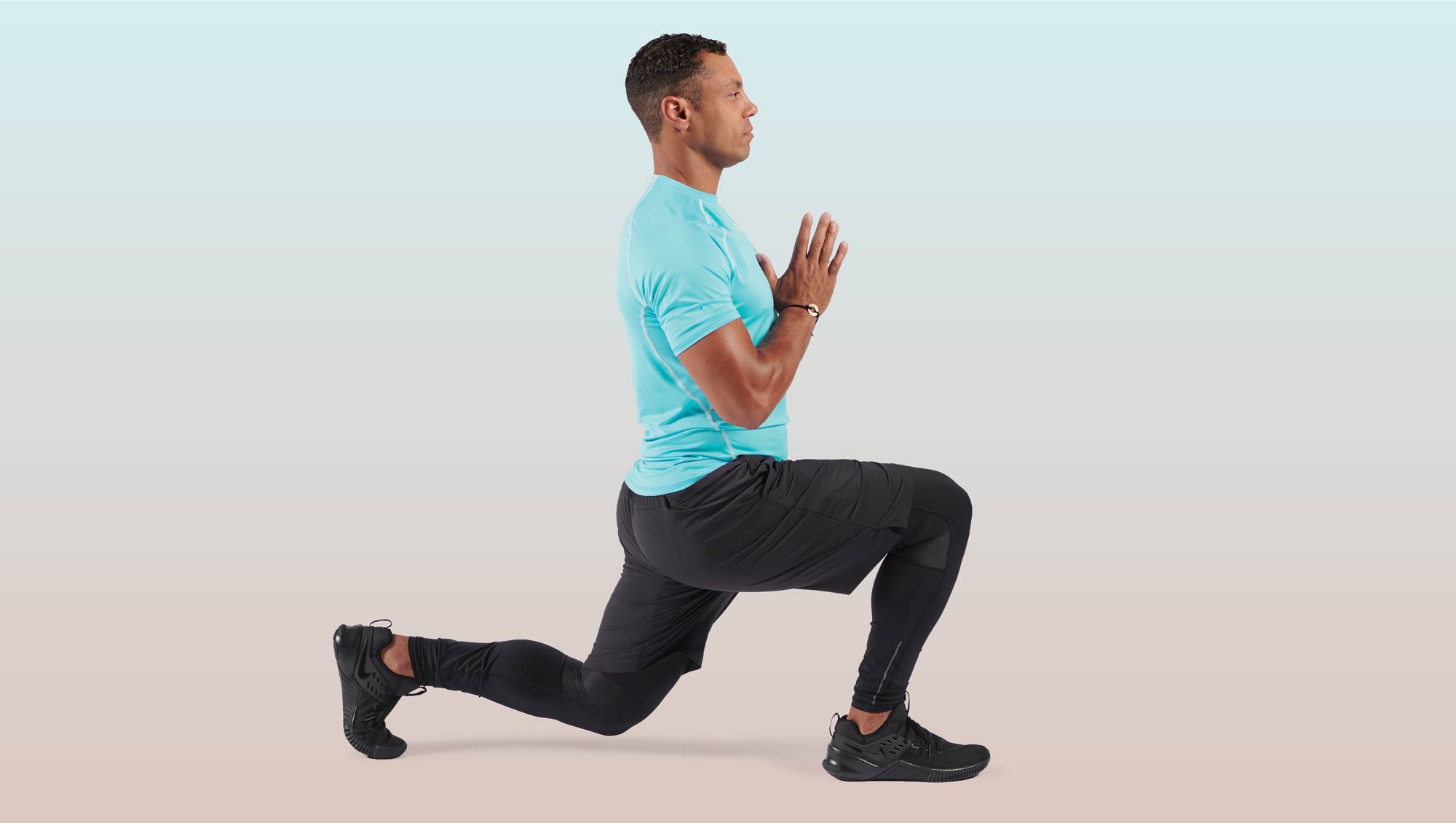
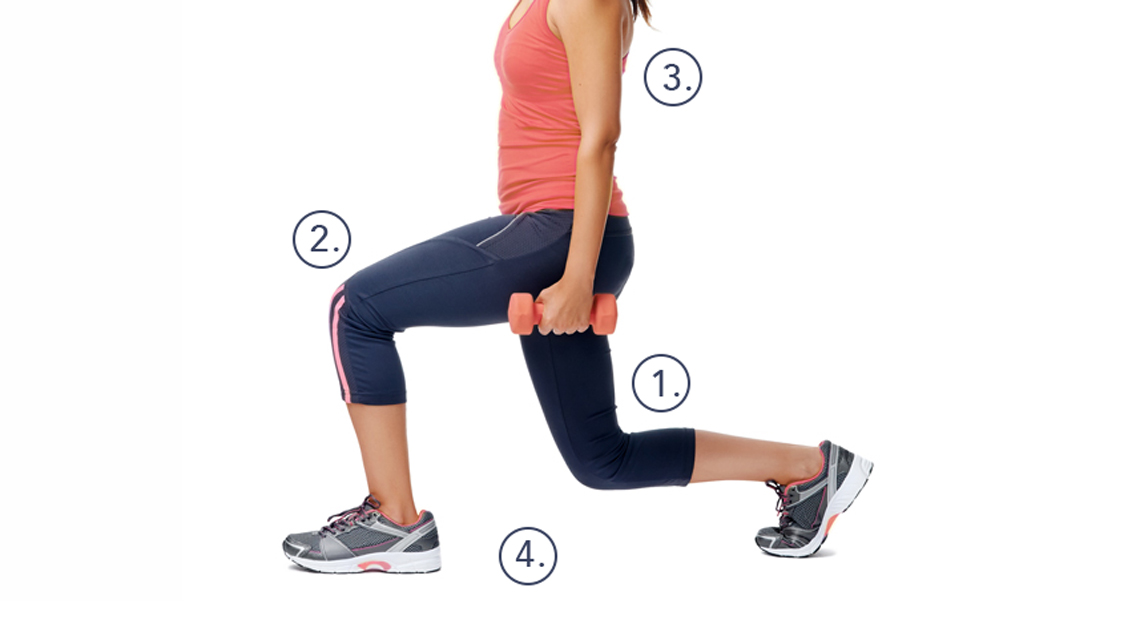
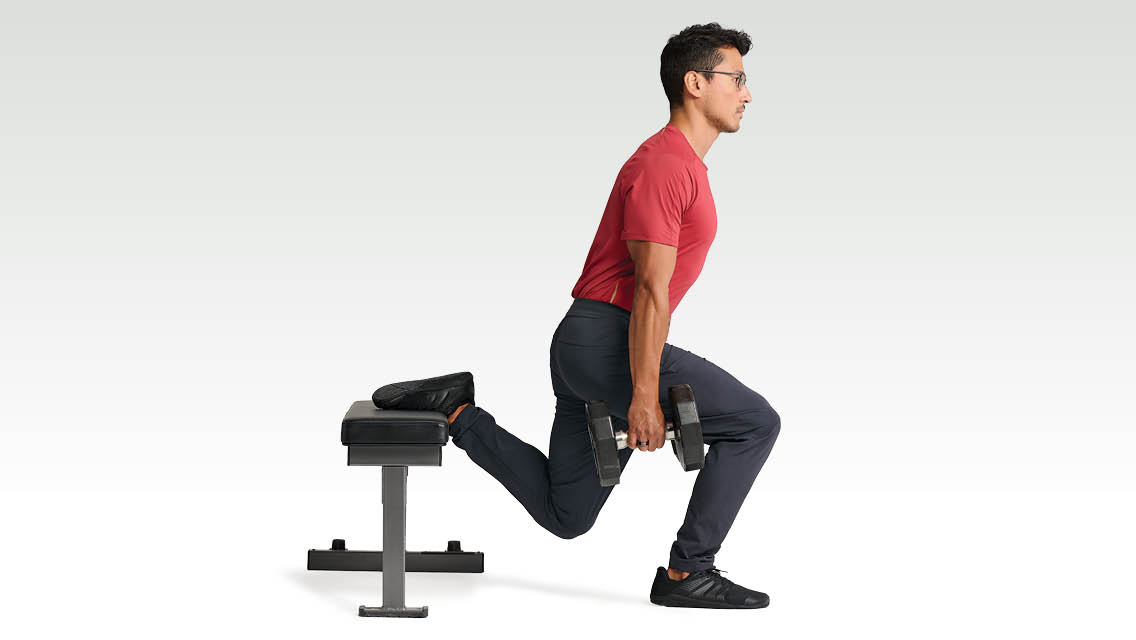
1. Take a 90/90 step. Aim for 90 degrees of flexion in both knees.

2. Keep your knee in line. Lunge with your knee directly in line with the middle toe of your lead leg to protect the joint.

3. Lunge proud. Aim to keep your shoulders stacked directly above your hips. (Tight hips can lead to excessive forward lean; check out “Fitness Fix: Improve Your Hip Mobility” for tips on improving hip mobility.)

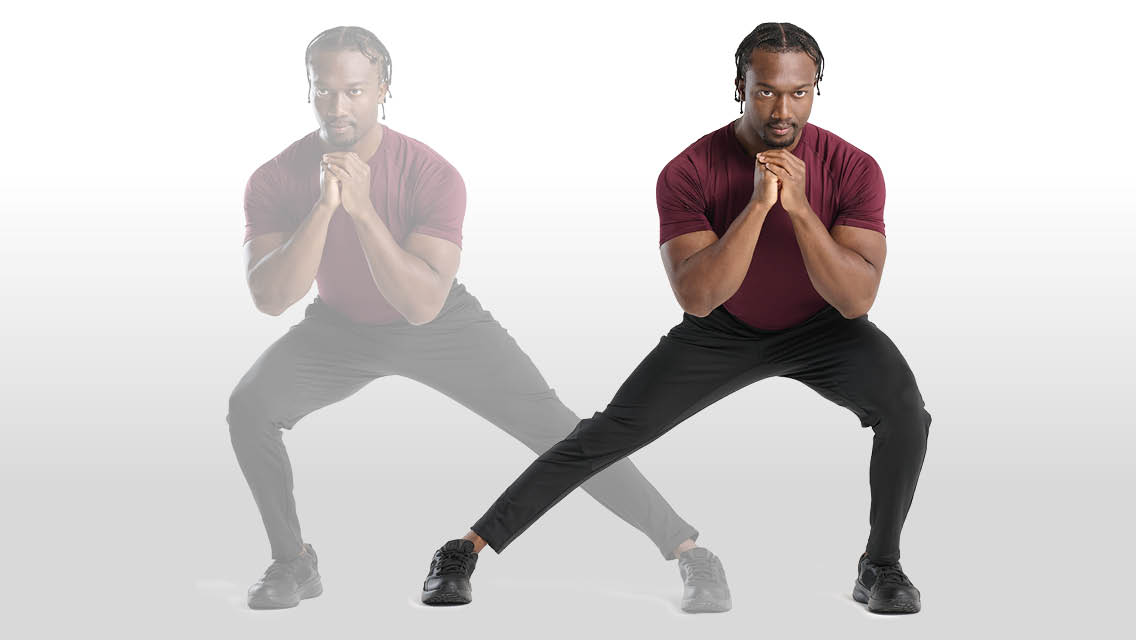
4. Step broadly. “People tend to lunge like they are walking on a balance beam,” says Mundinger. If you lose your balance lunging, your stance is likely too narrow. Instead, think of your feet as being on side-by-side railroad ties.
Share

More like this

Check Your Bulgarian-Split Squat-Form With These 4 Expert Cues

Learn four essential form cues for the basic Bulgarian split squat. Then explore simple variations to shift the focus to your glutes or quads for targeted results.
By Maggie Fazeli Fard

How to Perform a 3D Lunge Matrix

Turn your lunges into a complete lower-body workout with this multiplanar flow.
By Lauren Bedosky

Watch Out For These Common Split Squat and Lunge Errors

These moves — differentiated by whether both feet remain static (split squat) or one foot steps forward and backward (lunge) — strengthen the glutes, quads, and calves; build hip, knee, and ankle stability; and help improve overall balance. Here's how to nail the setup and perform them correctly.
By Lauren Bedosky

Share a thought

0 Comments

Comments (0)

Leave a Reply

Your email address will not be published. Required fields are marked *

Keep the conversation going

Leave a comment, ask a question, or see what others are talking about in the Life Time Health Facebook group.

Facebook Group

Advertisement

Back To Top