




As with most things fitness related, it depends.
“The problem with crunches,” says Dawn Joseph, a certified personal trainer in Kelowna, B.C., “is that they’re repetitive flexion.” And their repeated pressure on the spine in the lower back can lead to problems over time.
A typical crunch involves attening the natural curve of the lumbar spine, she explains. When the lower back is pressed against the floor, it’s out of its natural alignment, and this pushes on the fluid sacs between the spine’s vertebrae. Eventually, these sacs can start to bulge and lead to herniated discs. And those may put pressure on the nerves, creating a painful and potentially debilitating spinal condition.
Still, it is possible to practice modified crunches and get their ab-strengthening benefits. Joseph suggests a technique developed by Canadian exercise physiologist and spine expert Stuart McGill, a critic of the standard crunch.
When doing the McGill crunch, you place your hands under your lower back. This maintains the curve of your lumbar spine so it never exes; the abs do all the flexion as you rise only slightly from the floor.
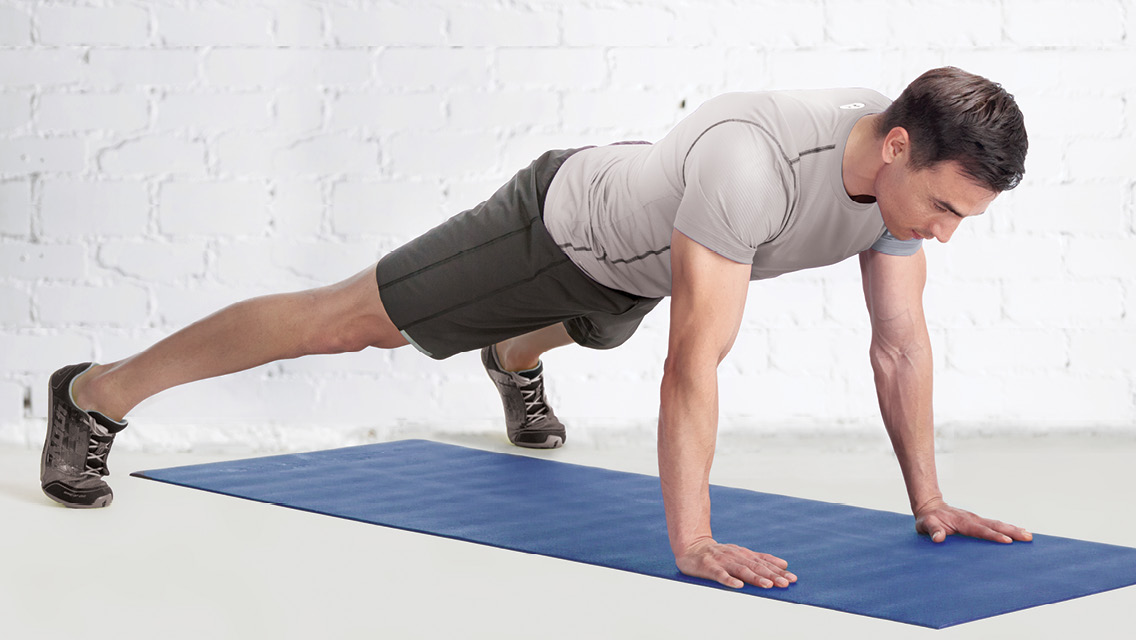
Joseph also suggests Pilates roll- ups and planks to help strengthen the abdominals.
“Whatever you do,” she adds, “pay attention to proper form.”
(For more counsel on crunches, see “How to Create a Strong Core.”)
This originally appeared as “My workout buddy just told me that doing crunches may be harmful. Is that true?” in the January-February 2019 print issue of Experience Life.



Comments (0)