



We often push our bodies to their limits with intensive training and all-out workouts — and with so much focus on the grind, recovery and relaxation can fall to the back burner. But rest shouldn’t be an afterthought: According to experts, it’s the key to performing at our best.
“When we feel better, we can move better,” says Danny King, Master Trainer and director of performance and recovery at Life Time. “There are all sorts of recovery strategies we can use to help our muscles heal and grow.”
At Life Time, it can be easy to fit recovery into your weekly routine. Whether you have an entire day or just 30 minutes to spare, we rounded up several ways you can prioritize recovery — for your body and mind — at the club.
1. Do your favorite low-intensity movement.
Active recovery involves low-intensity activities or exercise such as walking, swimming, yoga, or cycling at a slower pace. It keeps you moving without adding additional stress to the system. This could look like the following:
- Walking on the treadmill
- Water walking or low-intensity laps in the pool
- Taking a SURRENDER YIN or ROOT HATHA yoga class
- Booking a Dynamic Stretch session or stretching on your own
2. Practice hot and cold therapy.
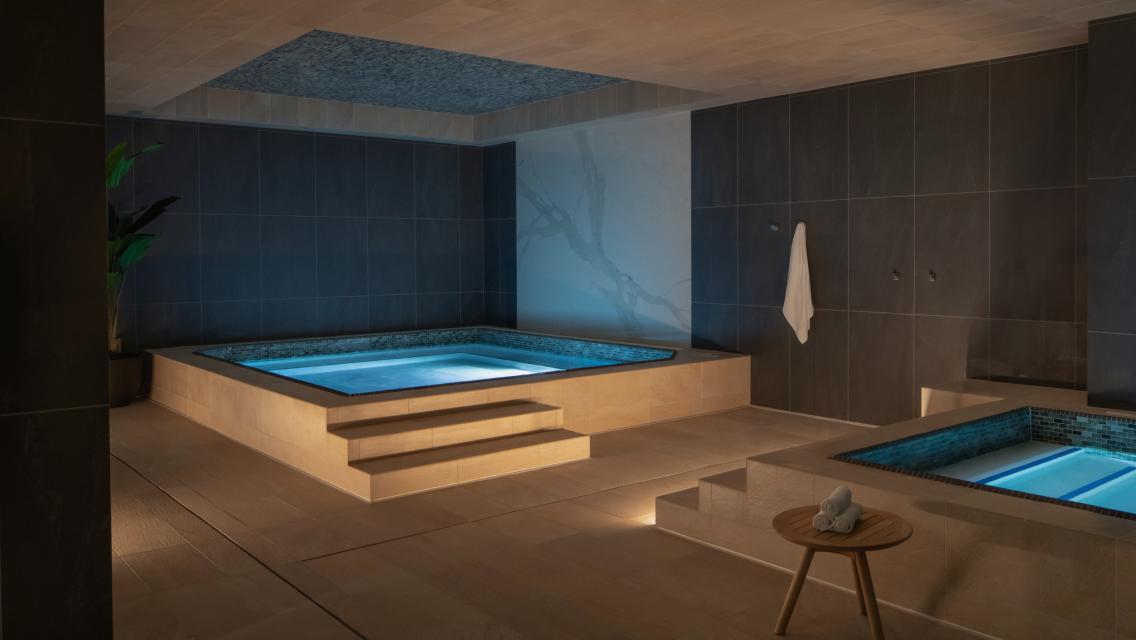
Hot and cold therapy — a.k.a. contrast therapy — offers several benefits, including muscle recovery, reduced soreness, and a feeling of rejuvenation. The experience involves alternately exposing your body to hot and cold temperatures, which you can do at Life Time in the sauna or whirlpool and cold plunge. (Learn more: “How Do I Perform Contrast Therapy for Improved Recovery?”)
If cold plunging isn’t for you, time in the sauna or whirlpool can still provide recovery and health benefits. Bonus: While you’re in the sauna or whirlpool, try a meditation or breathing exercise from the Life Time app for added mental recovery benefits.
3. Visit the LT Recovery zone.
Many Life Time athletic country clubs dedicate an entire area of the workout floor to recovery. It features several tools that can help you recuperate after tough workouts. Here you can try:
- Normatec compression sleeves or “boots” that use a patented compression technology to enhance circulation, speed up recovery, and reduce soreness.
- CryoLounge chairs that offer targeted hot and cold therapy in a dry setting. This allows you to control your experience: You decide which areas of the body are exposed to cold and heat. The goal is to relieve soreness, aches, and pains.
- A HydroMassage session to help relax your body and relieve muscle tension. This massage chair has high-pressure jets of hot water that move up and down the body, massaging your muscles, increasing circulation, and promoting overall well-being.
4. Get a massage.
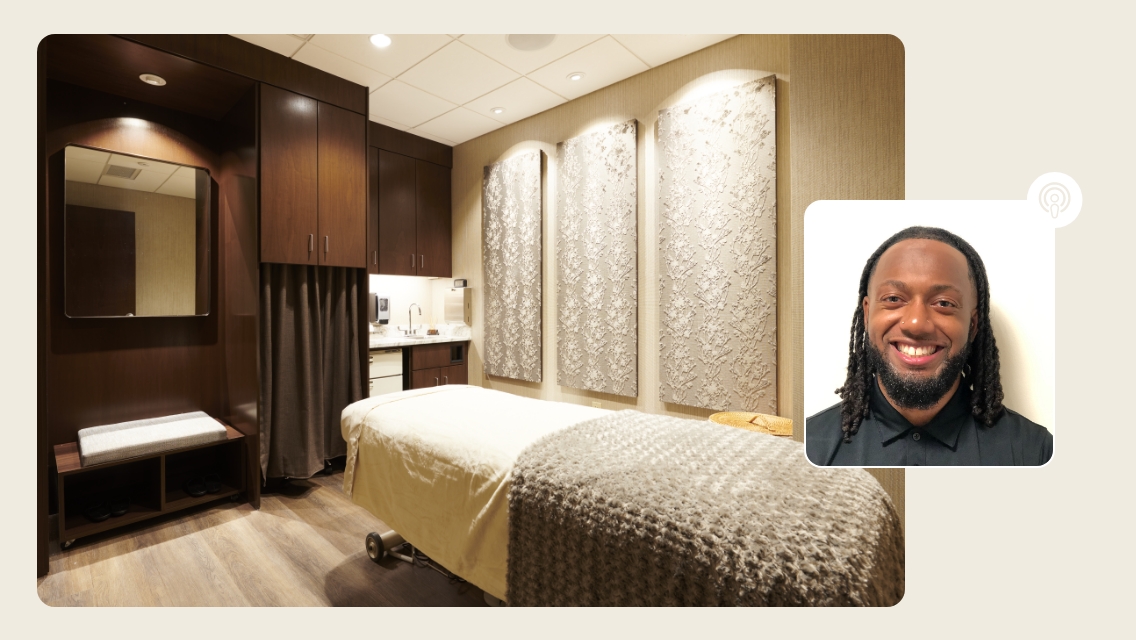
Put self-care and recovery on your calendar with a massage at LifeSpa. A massage can ease tightness and tension while the calming environment and therapeutic touch invite a sense of peace.
Depending on your needs, you can have your massage therapist add CBD for extra stress-relief and relaxation benefits, use hot stones for improving circulation and inflammation, or specify areas that need extra attention like your head or feet. Talk to your massage therapist to choose the best approach for you. (Learn more: “Why Massage?”)
5. Refuel with a nourishing meal.
Recovery is also about what we put in our bodies. Cap your efforts by replenishing with a nutritious meal or shake from LifeCafe. If you can spare the time, let yourself sit down and savor your food instead of rushing to the next activity. Life Time dietitians recommend aiming for 30 or more grams of protein per meal to support muscle recovery, energy levels, and steady blood-sugar levels — all of which are important for an active life.