




Finding Your Edge
With Brian Mazza



Season 12, Episode 1 | January 6, 2026
In this episode, we’re sitting down with health and fitness entrepreneur Brian Mazza, who’s featured on the January/February issue of Experience Life magazine. Mazza is the founder of HPLT (High Performance Lifestyle Training, now known as High Performance Life Time) and he shares how he became the high performer he is today, how he’s fostering that growth in others, what “high performance” means to him, and why he believes it’s attainable for everyone.
Brian Mazza is the founder of HPLT (High Performance Lifestyle Training, now known as High Performance Life Time), which creates transformational experiences that help people step outside their comfort zones to become their best, most optimal selves. Mazza has been an entrepreneur and a brand-builder for years and now serves as the vice president of brand performance at Life Time.
In this episode, Mazza shares several insights around his path to living a high-performance lifestyle, including the following:
- High performance is about living your most optimal life — and it starts with self-awareness and self-love.
- High performance is holistic and goes well beyond the physical benefits — though those do come with putting in the work. It includes considering everything you take in and how it’s either draining or amplifying you.
- Mazza encourages listeners to not compare themselves to others and instead have the mental strength to say, “I need to work on myself and I need to go on my own journey.”
- Resilience and learning from failures are key components of personal growth.
- There’s a critical significance to surrounding yourself with supportive and like-minded individuals.
- Stepping outside of your comfort zone is an essential component of high-performance living.
- Moments of solitude and reflection can be helpful for gaining focus and clarity.
- The lessons people learn from participating in sports, such as teamwork and perseverance, are applicable to nearly all areas of life.
- Showing up consistently, even when you’re faced with challenges or setbacks, is nonnegotiable.
- Living with intention has transformative power.
- High performance is a journey, not a destination, and is achievable by everyone.
ADVERTISEMENT
More Like This
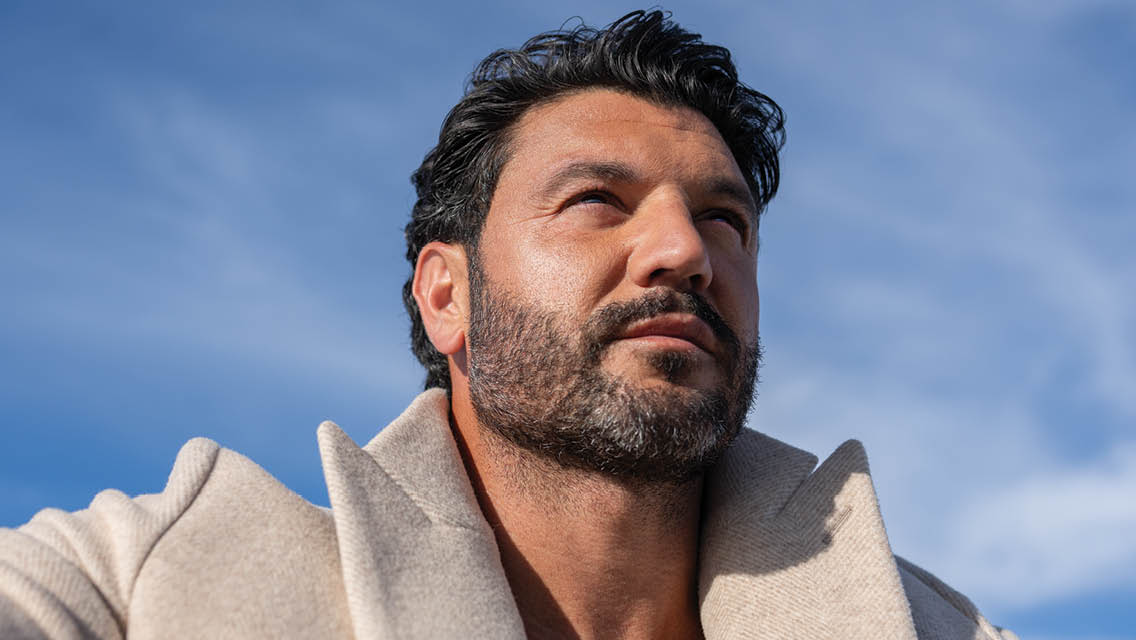
Brian Mazza on the Power of Pushing Limits — and Finding Yourself
The founder of High Performance Life Time shares how challenging your physical and emotional limits can open the door to self-discovery and growth.

What Is The High Performance Playbook Program?
Learn about this digital training program that’s designed to build strength for a high-performance lifestyle.
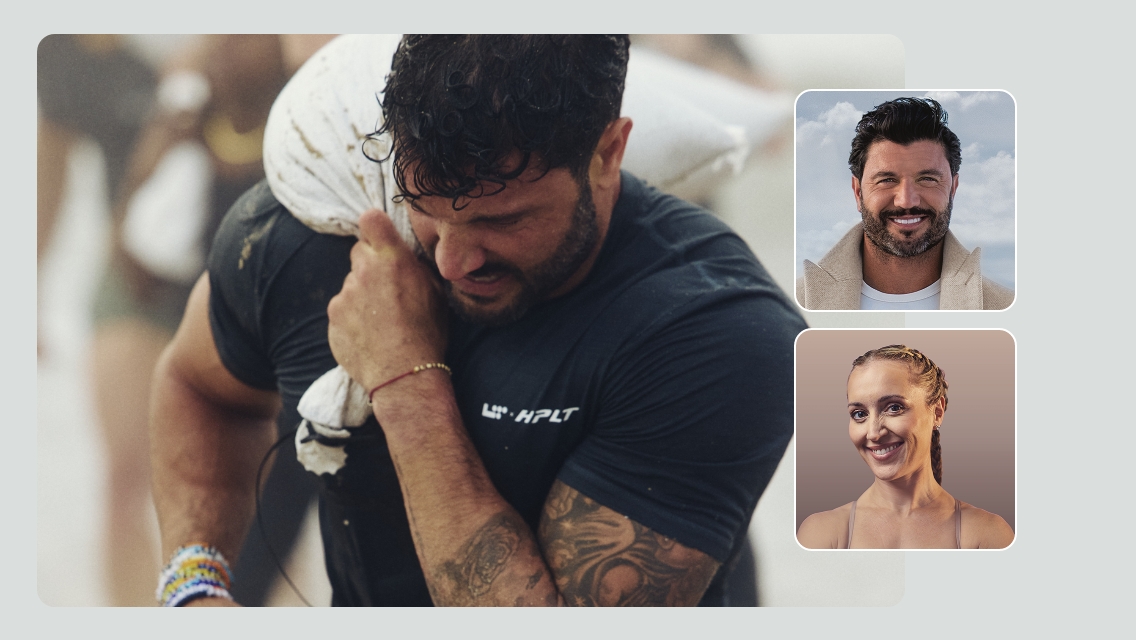
What Does It Mean to Live a High-Performance Lifestyle?
With Brian Mazza and Jessie Syfko
Two experts delve into their interpretations of a “high-performance lifestyle,” highlighting its core principles of continuous effort, improvement, and growth.
Listen >
Transcript: Finding Your Edge
Season 12, Episode 1 | January 6, 2026
Welcome to another episode of Life Time Talks. I’m Jamie Martin and my guest today is the cover feature in the Jan/Feb issue of Experience Life magazine. Also a friend and colleague of mine, Brian, how are you?
I’m excited.
I’m excited for our conversation. So you are helping us kick off the new year with a focus on kind of finding your edge. And that’s some of the work that you’ve been doing. I want to make sure people know who you are first. So Brian Mazza is the founder of HPLT High Performance Lifestyle Training, which recently joined forces with Life Time to create transformational experiences that help people become, step outside their comfort zones to become their best selves, most optimal selves. You have been an entrepreneur and brand builder for years and you’re now serving as a vice president at Life Time and working on a book, which we’ll talk a little bit about.
How are you?
Good thank you good to see you. It’s always good to see you. You’re one of my faves.
Thanks, I love that. You’re becoming one of my faves too. It’s like a new little friendship that we’ve got going here. So it’s all good. Okay, so I want to step back a little bit before we dive into what you’ve been doing. Sure. want to go back to who your foundations, who you are, how you got into this space. I know you were a D1 athlete in college. So let’s talk a little bit about who Brian was as a kid and teen and what kind of led you into the world of brand building.
Yeah, so I think as a kid I was always very confident. My parents instilled that in me and allowed me to be that butterfly and just go do what I wanted to do with guardrails, but allowed me just to flourish through sports. I wasn’t always the smartest kid in school. I was kind of middle of the pack. But when I started to perform athletically, things were a bit different. And I think my dad knew that really early on. And it’s so different now as a parent myself how
We are so, I guess, more dialed in with our children and how they develop and private lessons and all of these things. And we have so much more video and data. We didn’t have that growing up. totally different. was, you had practice two days a week. You played and that was basically it. You played a ton of, I played multiple sports. I played baseball, ice hockey, and soccer. Where my kids really just focus on soccer. That’s what they really wanna do.
Really different time.
So as a kid, yeah, very, very confident. I had an amazing upbringing. My parents were phenomenal. I have a very strong relationship with them and my siblings, my brother and my sister. So we were a very tight-knit family. Had dinner all the time together. My dad is a school teacher. My mom is a hairdresser. So I was very fortunate in that sense of having that unconditional positive household. And I think it shaped me today — that that’s the type of parent I want to be for my two boys. again, very confident, loved sports, loved competing, maybe a little bit too much. But I think that’s what shaped me today to understand how to lose, understand that winning isn’t forever. There’s going to be bumps in the road as you continue to grow and try to be who you want to be. yeah, I was I loved how we grew up. I talked to my parents every single day, my dad and very, best friend of mine still. talk all the time. So very fortunate. think as you know, I get older and my kids get older, I think the real true form of wealth is when your kids want to talk to you and hang out with you. So that’s my goal.
That’s awesome. I can relate to that with, we’ve talked, I have two girls, and how do you create a safe space where you want to connect with one another? And like, that’s the first thing you want to do in a day, right? Versus like, I have to talk to my parents. Like, that’s not what we want. We want to nurture these really caring environments for our kids where we can be friends with them, but also still have the guardrails there and be the parent as well.
My dad used to always say to me when I was a kid like, you know, I’m not your friend, I’m your dad. And now it’s kind of that reverse shift now where it’s, yes, he’s still my dad, but we are more friends and it’s really cool. And the way I see my parents interact with my kids is really special. They love going to their house. They love the way my mom cooks. They love how papa and grandma make them feel. And that’s how I’ve always been as a kid is I’ve always chased this feeling, a feeling, whatever it’s been. And I think my kids are doing that the same way. Being a soccer player, I’m not, maybe I’m being biased, but I feel like there’s such an emotional component to the game. It’s such a worldwide thing, right? It’s the most popular sport in the world. It doesn’t matter if you’re rich, poor, whatever. It’s so passionate. Scoring that goal, making that tackle, making that run. You just feel it through your bones. And I see my sons feeling it now.
And for me, it’s just, I feel like I’m in a way reliving my childhood watching them perform, watching Luki go get the ball and dictate, or watching Leo score these free kicks, or playing with such passion and conviction. It’s almost like I’m watching myself. My uncle, my dad’s brother came to watch my six-year-old play the other day, and he was like, dude, it’s literally like watching you on the field. I used to go get the ball. I used to go try to do everything. So it’s really neat to see them kind of excel now in something that they’re very passionate about.
That’s awesome. So you played D1. Was there ever a path for you, you thought you were going to go pro, or what happened there that you’re like, I’m not going that path, I’m going this other way?
So, as much as I consider myself and others consider myself a very top tier elite player, I wasn’t mentally strong enough at the moment to go play D1. Athletically performed great. We went to Europe that summer, played really, really well in Europe, scored some big time goals. And then when we came back, I couldn’t handle the pressure that D1 soccer or D1 sports was putting on me for some reason.
I wasn’t mature mentally enough to handle it. It was my first real time away from home. And that was fine, I got over that. But I wanted to do other things at that moment. And I wish someone would have been able to reel me in and say, hey, here’s a real future for you. This is where I think you need to tweak and change. That never really happened to me. So I’ve always had this chip on my shoulder that I was let down by my coaches. But over the years, as I’ve gotten older, I was the problem.
And I’m happy that I was able to really look within and understand that so I can hopefully help other people and help my kids to know that when there’s a problem, you need to look within first and say, am I causing this? Am I causing more strain or am I making things better? And even though I was playing really well, we won two A-10 championships, we made it to the tournament, we had a really good team. I became selfish and I became this person that I, later on looking back was like, not into and disgusted by like, that’s not who I was. And I think, you know, I talked to my parents about this. I said, why didn’t you ever like come to the school and like shake me up or slap me and say like, what is going on? You have a future here. And my dad always said like, I just always let you try to figure it out. Now, I think I’m doing okay, and things are great. But there’s always that part of me like what if, and it is what it is at this point, but I have enough friends that went pro and enough friends that have done great things in the sport that it’s okay. I think any young athlete or anyone in sports or in a career, not every day is going to be a picnic and a high five. And leading up to all of that experience that I had playing sport and dominating on so many levels, I always thought it was going to be a picnic and high five. And I had a harsh reality going in where I was just another number and that hurt me. For some reason, I was not mentally mature enough or my EQ wasn’t developed enough for me to understand this is a job and there can be a means to an end here to go play at a different level.
Yeah. How long did it take you, think, in hindsight to kind of tap into that self-awareness and recognize that? Was it several years later? Like, what did that take for you to kind of, when you reflected back, to realize that?
It’s really crazy. It actually happened maybe two or three years after school. I had an opportunity to go work out in the Hamptons at a nightclub called Dune. And I don’t know how or why I saw the light at the end of the tunnel, but it was kind of the mindset of, wow, this is another opportunity that can propel you and put you in a position financially, professionally, socially in New York, don’t screw this up. And for some reason, I just saw the writing on the wall that this was gonna be that moment and I needed to lean in on it. Now, for people who are listening who might not know about the Hamptons in the summer, that’s the premier spot that everyone goes in New York and the Northeast of the who’s who and all the money is there. And I worked at a nightclub as a bottle runner and I interacted with the best of the best in many different sectors and industries and was able to rub elbows with them.
And I’ve always been someone who worked my whole life. So I’ve either worked at a deli or parked cars or worked at a country club. So I loved talking to people. I loved interacting with people. So I was like, wow, this is really fun. I’m with the head of Nike or head of American Express or this person or that person. I have an opportunity now to get their information, get their contact. Where can this lead me? And it led me to partnering with my old partner when we created the Ainsworth here in New York.
Co-created that as the premier sports bar probably in the country for a long time and that’s what really was like Okay, this is now my professional moment. This is my professional soccer moment to do something cool, really cool and that the Ainsworth it’s not just in New York either.
It wasn’t in New York. We a place in Vegas. We were in Nashville, Kansas City, New Jersey. But New York was our home and we really invented the big Sunday football party and the DJs and everything. you know, at a young age, at 23 years old, 22 years old, I was really into the mix. But I looked at it like it was a professional sport, you know, because I was around, first of all, around a ton of professional athletes, ton of high profile professional people. And this was my moment. So, you know as much as I wasn’t on the field playing, I was on my own field that I created, and then I was able to apply all of the skills that I’ve learned and all the things not to do where I screwed up playing you could take those lessons, right? you know, we always often talk about like failure is not, it’s a lesson, right? Like the next thing we’re gonna learn from, right? And so that’s you taking that into this next phase of your life, this next thing you are.
And that’s why I think sports are so important for kids to play and your kid doesn’t have to be the best at every sport but it teaches you a lot and I think it learning how to lose is a really important thing in life because we all do it many times. We’re most likely gonna lose more than we win. But you have to build this resilient and unbreakable backbone that every single day you have to show up. You get back up and you go and you get back and you go.
Yep, you get back up.
You make that phone call again or you show up again and you continue to work and think of it like a big marble, a piece of marble and you have to chip away at it every single day. Because you never know who you’re going to meet. You never know who you’re going to interact with or whatever. And I think me failing at soccer and not chasing a dream that I was expected to do, I looked at myself and said, okay, here’s like your mulligan. Now let’s apply it here and see where that could take you. if you want to do anything and be great at anything, there’s a major sacrifice, right? And I think a lot of people don’t understand that. A lot of people think, I’m just gonna put a little bit of effort in or just put one toe in and I’m gonna be rich or I’m gonna be a pro or I’m gonna be happy. Everything takes a crazy amount of work. Everything takes a crazy amount of discipline, conviction, unrealistic mindset sometimes and self-belief that has to be so crazy that people might think you’re cocky or arrogant and it’s more of a self love I believe. So, you know, I just said, this is what’s gonna be the next path. I’m gonna be the best I could possibly be at this and continue to sacrifice. I mean, I missed so many, did for 10 years, I missed birthday parties and weddings and opportunities that the normal young professional gets to enjoy, right? They go to the beach house with their friends or they travel. Now I was in the Hamptons and we had a beautiful house and it was a different story but I wasn’t doing those things that the young professionals were doing because I was working all the time on the weekend.
Yeah, that you were focused. I was focused. were in your sport.
I sport exactly and I think I was able to all the tough times in sport and in college, I was able to translate that and that’s what that’s my message. So I coach now and I’m a director of the zone one with our young boys. And the message I say to the parents is, and I say this really respectfully that like 99 % of our kids right here will not play at the next level. And I think that’s a really hard thing for parents to swallow. It’s a huge financial commitment over the years, huge time commitment.
If you have other siblings, you’re splitting up time, you’re running here, you’re running there. It’s very difficult as you know. 99 % of this group, or the group in the club, is not going to go to a D1, D2, or D3 level. They just won’t. The competition is so crazy now. And plus with foreign influence too in the sport, right, that they’re able to come play, it kind of takes away from the American homegrown players, which I think is fine, but I’m trying to build these kids to understand, to run through the line, touch the line, tackle and track back, fight for your teammates, stand up for your teammates. Do all of these things that you can apply in elementary school, in middle school, in high school. And then when you become a teammate and a coworker, you have to be able to work with people, right? Like if me and you didn’t get along, if me and you did and I came in and I wasn’t respectful to you or I wasn’t nice, you wouldn’t wanna work with me. You wouldn’t want me on the podcast. You wouldn’t have offered these cool opportunities, right? So that’s what…
Being likable is a really huge component in people’s success. And that’s what you learn in sports too. if you’re not passing, if you’re not playing right, if you’re not a good teammate, you’re not likable. And that’s gonna translate into you’re not gonna be successful because people aren’t gonna wanna be around you.
Well, the lessons go so much farther than what’s happening out in the field, right? Like those lessons apply so like they go so far out that you can take. can still think back to, played high school sports, but there are lessons that I learned from being on the basketball court and with conversations with coaches that I use still to this day. And that was 25 years ago at this point, but there’s still things that were instilled in me from a very early age. And I think those are some of the values that I hold dearest to me now, like that I can apply another area.
A parent spoke to me the other day and asked why a player was not playing as much. And I said, well, they never run through the line. They’re not fit enough. They’re not working outside of the three hours that we get them. And they’re not developing. But they’re seven or eight, but they should get equal playing time. Where in life is there equal playing time as an adult? Equal playing time is not what’s helping anybody in life.
You learn those lessons.
You deserve it, you earn it, and that’s how it should be.
Put in the work, right? So you made a shift. So I want to kind of come back to Ainsworth. You eventually made a shift. like, I am going to move out of the space. You kind of moved into this space of health and wellness with the goal of how do I help people be their most optimal best self? Yes. Talk about that.
So I was the party boy in New York City. And it was great. And I don’t regret any of it. I didn’t have a problem at all, but it was a lot of fun. And there’s only like shelf life in that world, right? You can’t continue to do that unless you do, most likely something bad is gonna happen. So I got to a point where I said I want something different in my life. But also at that point, I was training at a facility here in New York City called Tone House, whoever listens to this probably knows about it. It’s one of the hardest workouts. So I was a diehard there, obsessed, loved it. And it started to really reshape my mindset again in bringing me back to an athlete where the camaraderie was there, the expectation, the work ethic, all of that. But I wasn’t able to, and I was burning the candle on both ends. And I said, okay, something has to change in my life. And that was, I’m gonna stop drinking. And when I started to make that conscious decision in my life to stop drinking,
My life really changed drastically. I was getting more fit. I had this mental clarity that I thought was crazy. I was seeing things in slow motion. Things were happening at different rates for me. I was making more money. I was becoming happier. was finding a different tribe of people. My community was getting smaller but better. So I think that was the shift where I said, okay, how can I blend these two markets together? I was, and that was around 2014, 15. And that was a huge renaissance moment with boutique fitness here in New York City. That’s when Barry started all these really cool concepts. So again, back to the nightlife world where was around hobnobbing with all these people. Now I was doing that in fitness. So I said, Another skill set. just, got a men’s health cover. I had my first men’s health cover. So now I was kind of building that brand equity with the consumers took that skill set.
Got a second men’s health cover. So was very, very fortunate in that sense. And then I started to implement Instagram into my life. So I started to dabble in Instagram and then that started to pick up. So I said to myself, wow, I’m able to make some good money here at Instagram. The restaurants are doing really well, but when is this gonna come to an inflection point where I’m gonna have to make a decision? And I think I made that choice at the very, very last moment I possibly could.
Yeah, make it.
Because I wanted to give full amount of effort into the restaurants as I was, you know, I was the president of the company then. And this was starting to really explode on the other side with Instagram and helping people and working with brands that were influential in helping people. And I said, wow, this really feels like a natural fit because I’m getting in incredible shape again. I love the way I feel. I love the way I’m making other people feel. How can we make this into a business? And that’s when I made the pivot to leave the restaurant space in 2018 and create high performance lifestyle training. And that was the best decision I’ve really ever made in my life, besides having my two boys, because it gave me purpose. It gave me a sense of worth again, where I was losing that in the hospitality space. It was just, I was around food, you know, food and people are two most inconsistent things in the world. It was so difficult and I hated that I couldn’t control that. And I was around people that I felt empty and I wanted to get back to my roots like we spoke about earlier and that was able to bring me back. So then when I created high performance lifestyle training, said, now I can get people, I can throw events, I can get people together and we can really show them a different way of an optimal life. So it was great.
So we go in depth on what high performance lifestyle training is on a separate podcast. We’re going to link to that from here. But I do want to delve into just kind of when you think of the term high performance, what has what does that mean to you? And has that changed as you’ve gone through different phases of life, different, you know, from being, you know, in the space that you were in prior to becoming a dad to where you are now?
High performance to me means living your most optimal life. How can you have this, you have this 360 pie, how can you fill it with the best things that you could possibly do every single day? And how is that going to shape you to be the best mom, the best dad, the best coworker, the best partner, and overall best self? But it starts with you. So I personally believe being a human being, you are a high performer. Now so many things happen in your life from birth until you die that can distract you and put you on a different path. But I firmly believe when you start doing things, start loving yourself, which is totally fine by the way, I need people to understand this podcast, it’s okay to love yourself. It’s okay to tell people you love yourself. And you only have one life in this crazy journey, right? So being a high performer means sharpening your tool as often as possible in order to be the very, very best version of yourself. has nothing to do with abs, has nothing to do with great legs or great butt or great chest or great shoulders or arms. It has nothing to do with that. Far beyond that. Those come with everything, right? That will come because you’re working hard and you’re doing it. But it’s what are you taking in? What are you ingesting from the news, from the food, to your sleep, to who you hang around, to who you married, to all of these things? It’s so far taking all of this in. Is it draining you or is it amplifying you? And I think people are so confused with what they want to be, who they want to be around because they’ve been told this narrative their whole life for whatever reason, good or bad.
You’ve been told that narrative, then there’s all these other social influences now that just amplify that. And it’s like hard to know who am I? Sure.
And it’s like the comparison problem, right? We’re always comparing ourselves to other people. Unfortunately, you know, it’s a gift and a curse with the phones, but we’re always seeing what everyone’s doing. And half the time it’s a lie, half the time it’s not what it really seems to be. So it’s very difficult for people who don’t have that mental strength and that mental fortitude to say, I don’t need to compare myself to that person. I need to work on myself and I need to go on my own journey, my own path.
I love, you’ve mentioned it twice now, the concept of self-love. And I think it is, want to drive that home for people because it isn’t selfish to start with yourself. Because if we’re investing in ourselves, that’s how we show up better for everybody else in our lives, right? But if we’re not willing to kind of do that deeper reflection to know who we are, what we care about, what we want to invest in and give our time and energy to, we’re just giving it
We are giving it all away and you know, being a New Yorker, it’s like a double-edged sword sometimes. Just because you have a great job or just because you have to get up early for work and whatever it is doesn’t make you a high performer. And I think New York has that stigma of you’re a really huge banker or you are brand builder or you’re this or that and you don’t have time for self-love which makes you a high performer.
That’s old news. A high performer is when your kids see you intentionally suffering training, when your kids see you getting up every single day, taking care of yourself before you have that big job. Or when you’re home and it’s your undivided attention for your children. Or it’s when your kids say, wow, you make me feel safe. Or you, wow, you’re strong, I wanna be strong. That is the ultimate goal. And I think New York has this stigma and hopefully it will change one day that maybe you can neglect some of that stuff to chase the dollar or chase this career title you think you have or want.
Yeah, there’s a lot in that. But the whole thing of you’re leading by example, but that first means doing. Correct. means repeating those behaviors over and over again to get to that next place. Yeah.
I think people don’t understand that the mundane of life needs to be so dialed and that’s the sexy part and people don’t think the mundane is sexy because it sometimes doesn’t appear that way but it’s the same reps and reps and reps, right? You can do all of these things and you’re like, when is my break gonna come? When is my break gonna come? For instance, I spoke about this the other day on my Instagram. HBLT was around, been around for a while we had this client we were doing an event for. I’m human, I didn’t want to go to the event. Payday was not as big as I wanted it to be. It was very unorganized, it was disjointed, my kids had sports, I wanted to be there for my son in club soccer. I wasn’t coaching then, but I wanted to support and show up. And I had this event. But if I didn’t go to that event, and if my kids didn’t see me go to that event, and still take care of myself, train, do all of these things. I would have been setting up a bad example. I went to that event. I met Jason Love at that event. That turned into meeting Afonda. Spent three hours with him in the car ride in Florida, going to Boca and all these other clubs. And that turned into me coming to meet Jesse here in New York at Penn. Turned into me meeting Eric Buss, who is my favorite human being on this planet. He should be president of the United States. I love him. Love him.
He’s one of our EVPs at Life Time.
A statue for Mr. Buss in every state. You’re gonna lead that chart. I love him. I will lead that. And then that made me meet Eric Buss and then 500 calls with BA, who is another weapon in the man. And that led me to my company getting acquired. But if I didn’t show up the way I was supposed to show up, I would be letting so many people down now. And I wouldn’t have met all you guys. And my business wouldn’t have been now with the best juggernaut in the fitness world. Right. Right? So…
There’s so many lessons, but again, it goes back to sports. goes back to the sprints you don’t want to do or the practice you don’t want to go to. It’s cold, it’s wet, you’re sore, you’re tired. No one cares at the end of the day because Jamie will take that spot. Right? Jamie wants that spot. And I’m going put in the work and you’re to get forgotten. yeah.
And I’m gonna put in the work.
I think it’s so funny, we say this a lot in the podcast, and David, if he were here, or my co-host, he’d say like, it’s the reps, right? You gotta put in the reps and it can be boring, and it feels like, I’m doing the same thing again and again. But again, mundane, it’s what kind of builds that resilience, right, to do the next thing, right? And I think it’s not just like the resilience to live your most optimal life down the road, it’s also to handle the hard things that are gonna happen in life. And I feel like that’s one thing, just briefly, quick story.
About a decade ago, I was going through a hard time. My nephew was sick and I was supporting my sister. I was kind of giving a lot to other people, but I had a lot of people say to me, like, gosh, you’re really like resilient through all of this. You’re getting through this. And it was because I had foundational habits that supported me where I was. And I think a lot of it comes back to how do we, what do we do in our daily lives that help us show up in good times and bad.
Yeah, mean, sports definitely taught me that. But also, I think a huge part during COVID, where I really felt like I built this body armor mentally and physically to withstand anything happened during COVID. So I started to run a lot during COVID. And I started to run without music. So I was spending a lot of alone time just hearing my breath and my footsteps in the outside world. And there’s something that happens to you when you practice solitude.
And I think a lot of people are so unhappy with themselves and don’t like themselves that they need to either be around people, have a podcast on or have music on. So I, and I stumbled upon doing this because my headphones died. I had no choice. And I was training for 50 miles or so, I had to go. So I started to run and I was by myself, nothing.
I have to go.
And I was like, wow, is okay. Maybe the first mile was difficult. I’m like, why am I doing this? But then I got into this flow state and I got into this feeling of, my God, what is going on? Then I was like, I’m gonna try that again tomorrow. Then I became so obsessed running without music and being alone in my thoughts. There was moments where I was crying, moments where I was second guessing every decision I made in my life, moments where I was celebrating every decision in my life.
Moments where I would look down at my watch and be like, holy crap, I’m on 10 miles and I have no clue how I even did this. How did I even get here? Why is my pace so incredible? And I became this incredible controlled weapon running that I was so thirsty for it every second. And I was able to really be on this therapeutic journey every single day by myself.
Thank you.
And it shaped me in so many different ways and changed my views on so many different things. And it was so special. anyone I could sit right now, you could do this 30 minutes a day. Put your phone away. mean, put it in your pocket so that in case someone really needs you. But just walk or run or do something alone for 30 minutes and just be by yourself because we’re pulled in so many different directions.
Well, and when we let ourselves do that, there’s something that gets into kind of like, again, I mentioned earlier, like that knowing when we’re willing to like be with our thoughts to actually notice them and then question them potentially and process them and just give it the time it deserves. What do we discover about ourselves? And I’m sure that’s the discovery.
Yeah, I mean, there’s so many things I was like, why did I do this or I hate this about myself? I want to change it. Yeah. And I was able to work on it.
That was the time you gave yourself. I know you’re working on a program and solitude walks or runs are gonna be part of that. So like, I think that’s be really interesting.
Interesting because I think people are going to see a different side of themselves on the mental performance side because again high performance and training and it’s not just about what you can pick up and what you can put down. Yeah, it’s really becoming one with yourself again and understanding yourself and hopefully that helps you around other people. So we’re going to implement those for people. Yeah, and I think it’s going to be a little contagious, which is great and it should spark some some really cool conversations and some future projects.
Do you come back and after doing that, do you journal? Like what are some practices that you need to process?
So crazy, so there would be some like 20 mile runs where I feel like I’ve created 700 businesses and have these best business ideas and then you have to remember it. the shorter moments are great because then you can come back and write your ideas. So I would come back on my computer, write down ideas and then you have action plans. Like, okay, that was a stupid idea, but at the time it felt great. But, that was a really great one, let’s execute on that. Or, my God, I haven’t called my uncle or I haven’t called my friend in a long time, let me check in with people. That’s what it also does too.
It’s just gives you kind of like, there’s like all these things and I feel like you tap into parts of your brain that you don’t really use and it was really cool. It was really awesome and for the longest time I didn’t want to run with people. They’d be like, let’s go for a run. be like, you know, I kind of want to do my own thing. I’m doing this by myself and it’s working. Like lifting, I need to be with my performance coach. I prefer that. I prefer to lift with other people. But you tell me on a program to go run or do 10, 800 on the track, I’m there all day by myself over here.
Awesome. So I just want to I want to acknowledge for people you might at first blush like someone might hear about what you’re describing think it’s not for them. Yeah. But why is it really for everyone? Why is high performance living for everyone and training?
It’s for everyone because the barrier of entry isn’t as crazy as people think. Each program that we put out or each summit that we conduct, there’s no one left behind. Yes, there’s people that are fit. But the beautiful part about HPLT is that you either are sharpening your really sharp tool already and continuing on that journey, or you might have a dull tool and you need to start that process. But
There’s zero ego with our company. Whoever comes, we are servants for everybody. And everyone who comes becomes a servant for everybody. And I don’t know how we did that, but it’s our secret sauce. So everyone comes together, no one is competing with each other, and everyone becomes this helping hand community that looks out for each other. They’re in the WhatsApp group after, if you’re traveling to the state where someone lives, you would mention, hey, I’m going to Texas, I’m going to Austin this weekend, is anyone around?
And then everyone’s hands are raising in the group chat, hey, you could stay with me, let’s go for a run, let’s go for a bite to eat, tell me about your business pitch, hey, I need a new job, does anyone have any connections here or there? So it becomes this family that’s unbreakable. And that’s high performance. That’s what high performance is. It’s building this community that helps every single person while helping yourself.
I love that, supports them through that process.
Everyone becomes this really tight-knit family, which is cool.
So with a career and life that’s really dedicated for reaching for your dreams, just pursuing that best self, how do you stay grounded? What are some of the practices or who are the people that help you slow down and be really intentional in the day to day?
Yeah, mean, listen, it’s a crazy world and you have to have that edge and that fight and everything. then there are moments where you can get a little head of your steez, but that’s just being human. What happened? I think, you know, through not being able to have kids naturally and having both of my boys through IVF as my miracle babies, that was a really big shocker to me as a man and as a human being. I didn’t feel like a man at that moment. And having the beautiful you know, science of IVF and having them allowed me to say like, wow, I almost didn’t have these two miracle boys, right? So that’s gonna keep me really grounded here. Also the conversations with my dad and always talking to him about life and even disagree about this or that and having that positive relationship with him. And I think also knowing that this can end tomorrow. 24 was a really horrible year for me health-wise. I had double adductor surgery reattached my adductors to my pubic bone. That was not fun. I dislocated the cuboid bone in my foot, tore the hamstring off my bone, and I thought I had colon cancer. So going through all of that was like, much can I take? But at the end of the day, like I said earlier on the podcast, I could take it, and I took it, and I still trained, and still went every day to the gym, and still ate the way I ate, and still focused on the mundane because I know now that that’s gonna get me through anything. It’s that resilience that I’ve built up years after years and you just callus your brain to think that and know that. So I remember during the moment where I thought I had colon cancer and I was blood in the toilet and sick and is this over and having suicidal thoughts and saying, okay, I’m gonna drive off the bridge today. Like I’m gonna kill myself. You go through these moments of — it’s that resilience we — wow, like this could be gone tomorrow. And you know, then you look at your boys like, almost didn’t have them. Right? So you go through that moment. And I think every day you go and okay, today’s a new day. I’m gonna go to gym. And Tommy would be like, dude, like, why are you here? I’m like, just work me out to do it.
It’s how you process, right? Yes. It’s how you move through those things. Yeah.
Yeah, and I think, you you become really sharp. You become that steak knife that we talk about, right? You become a steak knife and people see you showing up and your kids see you showing up. Daddy, you’re sick. Guess I’m going to work out. Okay, like, Daddy, you okay? Yeah, we’re good. Let’s go to soccer. Daddy, let’s go outside. I’m dying. My foot’s broken. I can’t even kick a ball. Let’s go outside. And I would still do it. And they saw that. And I have this one thing with my kids that I’ll never let them see me tired. Ever.
Interesting.
I will never ever ever let them see me tired. I could be as sick as a dog. I could be surgery’d out. I could be thinking I’m dying. I never let them see that I was gonna stop. And I think for them, they really appreciate that.
Yeah. So on that note, and I know we’re getting close on time here, I do want to ask, like, how do you let yourself recover? Because you go, you work hard, but how do you recover and let yourself like, you know, process all the good that you put in your body, all the work that you’ve put in?
Yeah, I mean, that’s a big struggle of mine. And I think I’ve gotten really a lot better with it. Over the years, I was just no days off mentality human being. And that’s old school and that’s really foolish. And having Tommy as my performance coach, he’s really instilled that in me where he’ll be like, you’re not working out tomorrow. And if I find out you worked out, I’m going to fire you. Yeah, he takes that approach. And he would be like, when I started training with him too,
I’d be like, dude, I don’t think I’m doing enough. He’s like, stop. Stop, this is enough. We don’t need to burn you out. You’ve been burnt out. Let’s take it slow. And I think that’s when we were creating this program for Life Time that we want people to know and understand you don’t need two and a half hours lifting. You don’t need to kill yourself every single day to see your result. You probably are not gonna see those results if you do that. So I think slowing down with him or him helping me slow down was really, really important.
And I think for myself was taking more of a step back with certain things and letting it evolve and Not having to be such a control freak with everything.
Yeah. Letting go in the right places and trusting the team and people and the support systems around you.
And having you know Melissa’s a phenomenal employee and she’s been with us for three years and Leaning into her more saying you know Melissa you can you’re gonna handle more of this stuff now And I know you could do it and her performing and excelling allows me to Recharge for other projects and stuff like that.
Well, right. I mean, the delegation is huge, right? Because it gives you the space for the next thing. on that note, what is next for you? I mentioned at the top of the episode that you’re working on a book. But what is the passion or obsession that’s on your horizon?
So we have the book coming out, right? We don’t know what it’s gonna be called yet, but it’s gonna be releasing 27. And I want this book to be with you at all times. I want this book to be when your son or daughter graduates from high school, you give them this book. Or if you’re graduating college or you wanna change a job or you wanna get out of a situation, this is the book or this is something that you can read. I want it to be short, I want it to be sweet, which we’re working on and it’s really gonna give you all of the tips that I’ve used in achieving a high performance life. And it’s talking about nutrition and it’s talking about who you’re surrounding yourself with and it’s talking about all the daily things you can do in order to sharpen your tool. And there’s a lot of funny phrases in it and it’s not just everything that I’ve done but everything I’ve learned from people that have a lot of wins and a lot of losses that have kind of put themselves in these positions to teach others, I’ve extrapolated a ton of information from Navy SEALs, professional athletes, and people that I look up to every single day to put this playbook together for you, where if you are in a rut, you can go to chapter seven, and I can guarantee you it’s gonna propel you to get out of it, and there’s gonna be some action items for you to do.
So kind of almost like its own version of a guidebook, Bible of sorts, like that you can grab and lean into in the right place.
The chapters are going to be short. It’s not going to be… And listen, all these books are phenomenal that are people putting out, but they’re so long sometimes and with everyone’s focus being so crushed and I want this to be a quick read. I want this to be, I remember chapter six. Like that was butter knife or steak knife. And maybe I’m hanging around too many butter knives in my life. I need some steak knife people that are going to keep me accountable, make me uncomfortable, make me work harder, tell me my flaws in order to become better.
So it’s all of that, like what type of friend are we to other people? I did this post yesterday. What type of friend are we? How are we showing up? We can’t just expect people around us to be great. Like what are we doing? Yes. it’s like that comes back to self, comes back to sport, comes back to showing up.
Comes back to self again.
All right, Brian, well, we’ve gone through a lot. I’m going to there’s a word that comes to mind for me when I think of you. I think you’re a connector. Like you’re really good at connecting people. If your sons, maybe your older boy, is it Leo?
Leo’s oldest.
If he could describe you in one word, what do you think it would be?
My gosh. Annoying. I’m just kidding. I think he would say really caring.
You show up. But you’re bringing probably everything you’ve learned from your relationship with your own dad into your relationship.
Yeah, I they know that I’m not going to settle. I’m not going to let them settle in their life.
Yeah, you see their potential and the possibilities are there for them. Well, Brian, I always appreciate you. you. If people want to learn more about you, they can go to Brian Mazza dot com. Follow you on Instagram at Brian Mazza. There’s HPL training on Instagram and HPL training dot com. And obviously, there’s all sorts of stuff with lifetime as well with the events coming up. Thanks, Brian.
Thank you.
We’d Love to Hear From You
Have thoughts you’d like to share or topic ideas for future episodes? Email us at lttalks@lt.life.
The information in this podcast is intended to provide broad understanding and knowledge of healthcare topics. This information is for educational purposes only and should not be considered complete and should not be used in place of advice from your physician or healthcare provider. We recommend you consult your physician or healthcare professional before beginning or altering your personal exercise, diet or supplementation program.