




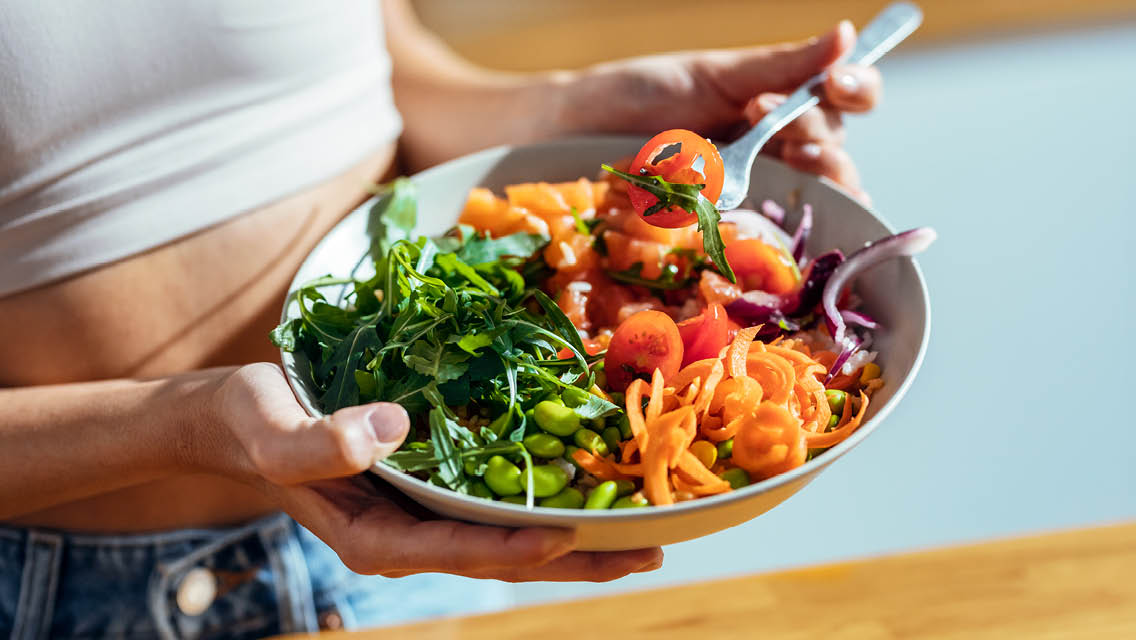
Vegetables and fruits are filled with nutrients that can support athletic endeavors and recovery. They’re rich in essential vitamins, minerals, and phytochemicals that sustain overall health, immune function, and energy metabolism. Their antioxidants help manage the impact of exercise-induced oxidative stress, reduce inflammation, and assist with tissue recovery.
Some combine high water content with minerals, making them boons for hydration. This can bolster performance and recovery and regulate body temperature.
Plant fiber aids digestion and promotes a healthy gut microbiome. The carbohydrates in vegetables and fruits help athletes sustain their energy levels during physical activity.
How much produce do you need to reap these benefits?
“As with many other dietary guidelines, the goal isn’t ‘perfect’ but ‘better,’” says Nelson. Try to get at least two — and up to eight — servings of different vegetables and fruits each day. This can include mushrooms; sometimes-maligned starchier plants, like bananas and potatoes; and even tea.
Eating an array of vegetables and fruits
— categorized by color —
may be more important than how many you eat.
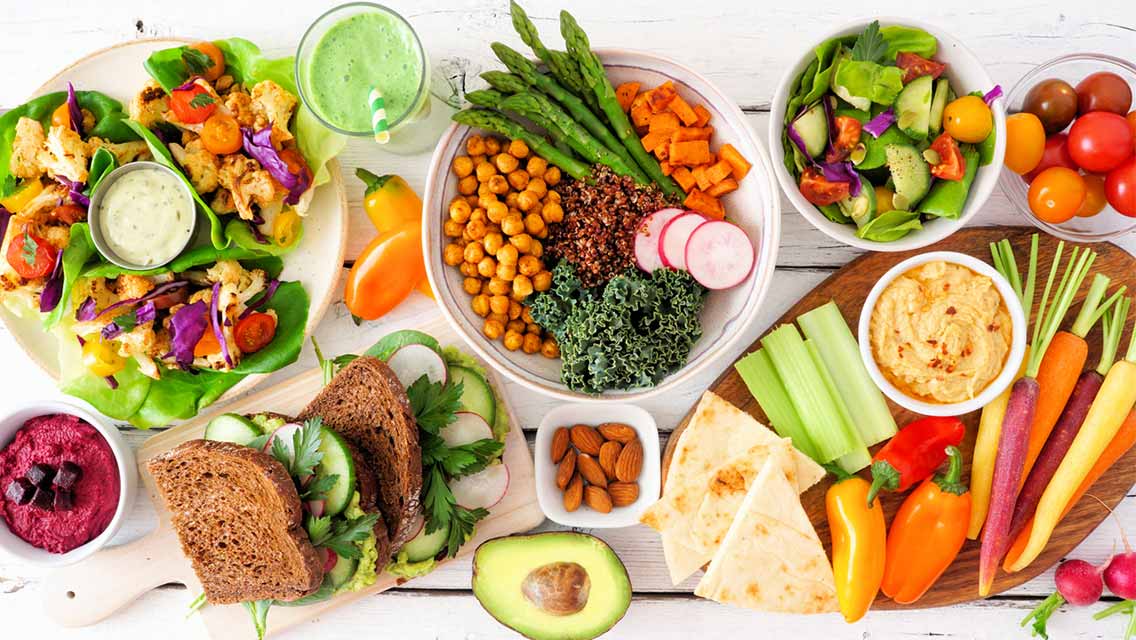
Go for variety over quantity: A recent 15-year study published in the Journal of Nutrition found that eating an array of vegetables and fruits — categorized by color — may be more important than how many you eat. Green and white fruits and vegetables, the study found, seem to protect against cardiovascular disease and all-cause mortality; red and purple ones are associated with a reduced risk of cancer and all-cause mortality.
Note that whole grains also fall under the “plants” umbrella, says Koff. Though they have been vilified by low-carb marketing campaigns, whole grains can be nutrient dense — full of antioxidants, phytoestrogens, phenolic and phytic acids, flavonoids, and fiber. (If you struggle with blood-sugar regulation, be attentive to portion size and preparation.)
Whole grains are also powerful sources of easily available fuel and energy. Oats, quinoa, barley, millet, and wild rice are just a few options to complement your training.
(Learn more about grains at “Whole Grains: A Close Look.” For guidance on how to eat more veggies, check out “How to Eat More Veggies“. And to learn why fruit is great for you despite what you’ve heard about its sugar content, head to “Why Eating Fruit Is Still Good for You.”)
The Big Rocks of Fitness Nutrition
Feeling overwhelmed by all the nutritional advice out there? We’ve boiled it down to a few more key strategies at “5 Foundational Guidelines for Fitness Nutrition,” from which this article was excerpted.

This Post Has 0 Comments