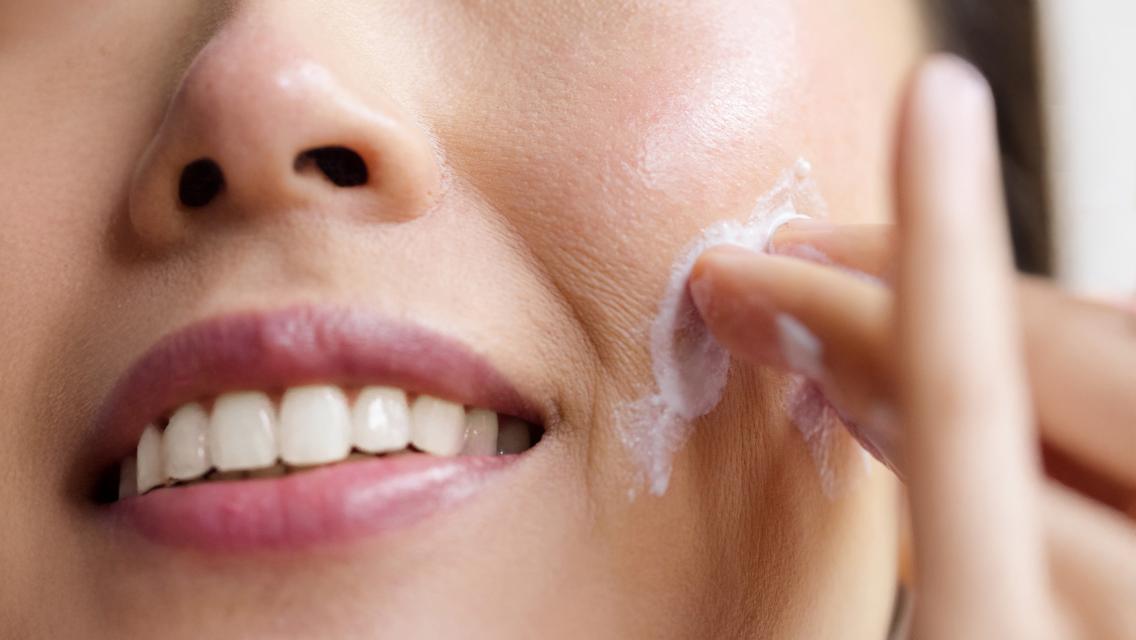




Regenerative skincare, a treatment approach that stimulates the skin’s natural healing properties to repair and reverse signs of aging, is gaining popularity as more people invest in their long-term skin health.
One advanced option that’s quickly gaining traction is the use of exosomes. These tiny cell-derived vesicles help deliver proteins, growth factors, and genetic material to stimulate skin regeneration, increase collagen production, and reduce inflammation.
“Exosomes are one of the buzziest trends in skincare right now,” says Lucy Miranda, master esthetician at LifeSpa in Bridgewater, N.J. “But there’s science behind the hype: They can be truly powerful in gaining your healthiest skin. Unlike traditional topical ingredients that act on the surface of the skin, exosomes work by supporting cellular communication, which is why they’re often described as ‘regenerative’ rather than ‘corrective.’”
Yet this treatment isn’t magic, Miranda stresses. “While exosomes have been widely studied in regenerative medicine and are showing encouraging results in early dermatologic research, they’re relatively new to the cosmetic space. We’re continuing to learn how they work best in skincare, including ideal concentrations, delivery methods, long-term effects, and which skin types benefit most.
“Early research is promising,” she continues, “but we don’t yet have decades of cosmetic data the way we do with ingredients like retinoids or vitamin C. This means we need to use them thoughtfully, source them carefully, and set realistic expectations. They support the skin’s natural repair process, but they’re not an overnight fix.”
We asked Miranda to answer some common questions about exosomes: what they are, how they’re used in skincare, and who they may be best for.
Life Time | What are exosomes and how are they used in skincare?
Lucy Miranda | Exosomes are microscopic extracellular vesicles naturally released by cells. You might think of them as tiny messengers. They carry proteins, lipids, and genetic material, like RNA, that allow cells to communicate with one another.
In skincare, these lab-cultured exosomes — often derived from stem cells or plant sources — are purified and formulated to be used in professional treatments and topical serums. Their role isn’t to replace your skin cells, but to signal them to support repair, regeneration, collagen production, and balanced inflammation.
When we talk about “regeneration,” we’re referring to encouraging your skin to function and appear more like younger, healthier skin. We tend to lose collagen as we age, but regenerating collagen support can help soften the appearance of fine lines and wrinkles. Improved cellular repair can also help the skin recover from sun damage, environmental stress, and post-procedure inflammation. Reduced inflammation can also mean calmer skin, improved healing, and potentially better results for concerns like acne, redness, and compromised skin barriers.
Exosomes contain growth factors, peptides, and signaling molecules that act like instructions for your skin cells. When these signals reach fibroblasts — the cells responsible for producing collagen and elastin — they can encourage them to function more efficiently. This can support firmer-looking skin and help soften the appearance of fine lines over time.
They also help regulate inflammation. Inflammation is a normal part of healing, but when it’s excessive or chronic, it can slow recovery and contribute to redness, acne, and premature aging of your skin. The signaling molecules in exosomes help calm and balance this response, which is why they’re often used after treatments like microneedling or laser procedures to support healing.
Another key role of exosomes is improving cell-to-cell communication. As we age, cellular communication becomes less efficient. Exosomes enhance how skin cells “talk” to each other, allowing repair and regeneration processes to happen in a more coordinated way. Over time, this improved skin function can translate to better texture, improved hydration, stronger barrier support, enhanced recovery, and a more resilient, healthy-looking complexion.
Microneedling and laser treatments work by creating controlled micro-injuries in the skin. This triggers your body’s natural healing response, which stimulates collagen production — but it also causes redness, swelling, and temporary downtime. When exosomes are applied topically immediately post procedure, the growth factors and anti-inflammatory signals support healing by calming excessive inflammation and encouraging skin cells to repair more efficiently.
LT | Can anyone benefit from exosomes, or are there other at-home products that provide similar results?
LM | Most people don’t need exosomes to maintain healthy skin. Well-formulated skincare products with proven ingredients — including stem cells, SPF, retinoids, antioxidants, and peptides — can deliver results at a fraction of the cost. And for everyday maintenance, a strong foundational routine still does the heavy lifting when it comes to caring for your skin.
Exosomes are best as a supportive add-on after professional treatments rather than as replacements for your regular skincare routine. Exosomes may be worth considering if you’re investing in professional treatments or if your skin is healing or compromised after microneedling or laser treatments, and you want to enhance results and accelerate healing.
For those looking for the benefits of exosomes in at-home products, they are most commonly formulated into serums, moisturizers, and recovery-focused products. However, their role is different than post-procedure. When the skin barrier is intact, exosomes don’t penetrate as deeply. In at-home products, they function as supportive ingredients that help improve hydration, calm irritation, strengthen the skin barrier, and maintain overall skin health.
Serums and moisturizers: In a moisturizer or serum, exosomes are used to support barrier repair, improve hydration and skin resilience, calm low-grade inflammation, and enhance overall skin quality over time.
Exfoliators or peel products: Exosomes can work alongside exfoliating acids that stimulate turnover and create temporary irritation. Adding exosomes helps balance that response by supporting recovery and calming inflammation.
For at-home use, exosomes are most beneficial for clients focused on healthy aging and skin longevity, post-procedure maintenance, sensitive or reactive skin, and acne-prone or inflamed skin that needs calming support. They’re less necessary for someone with very resilient skin on a simple routine.
LT | How often do you recommend using exosome products? Are they safe to use regularly?
LM | For professional skincare treatments, when exosomes are used post-procedure, the frequency depends on your skin type and needs and what your specific provider recommends.
For at-home skincare, most topical exosome products are designed for daily or several-times-per-week use. They are typically applied after cleansing and before heavier serums and moisturizers.
Exosomes are considered safe when used topically and sourced from reputable, medical-grade manufacturers. Because they are still newer to the skincare space, quality and proper use are key.
Exosomes have been studied extensively in regenerative medicine, and early dermatologic research suggests they’re generally well-tolerated when properly sourced and processed. What interests me most about exosomes is supporting how the skin naturally communicates and repairs itself. But I also think it’s important to approach them with curiosity, not blind trust.
Exosomes work best as part of a thoughtful plan rather than a stand-alone solution. If you’re considering exosomes, especially for use after professional treatments, I recommend starting with guidance from a licensed esthetician who understands your skin type, goals, and treatment history.
LT | What should I look for when considering products with exosomes?
LM | If a brand can’t clearly explain what their exosomes are, where they’re sourced from, or how they’re processed, that’s a red flag.
Exosomes are also delicate structures that can degrade if they’re not properly stabilized or stored, which means formula and packaging really matter. Air exposure, heat, and poor formulation can reduce their effectiveness before they even reach your skin.
Delivery methods matter, meaning how the product is designed to help the exosomes penetrate the skin and remain active. Look for lightweight serums, airless pumps, and formulas paired with supportive ingredients like peptides or other growth factors. When in doubt, consult a licensed esthetician for more personalized advice on using exosomes and reaching your skin goals.