




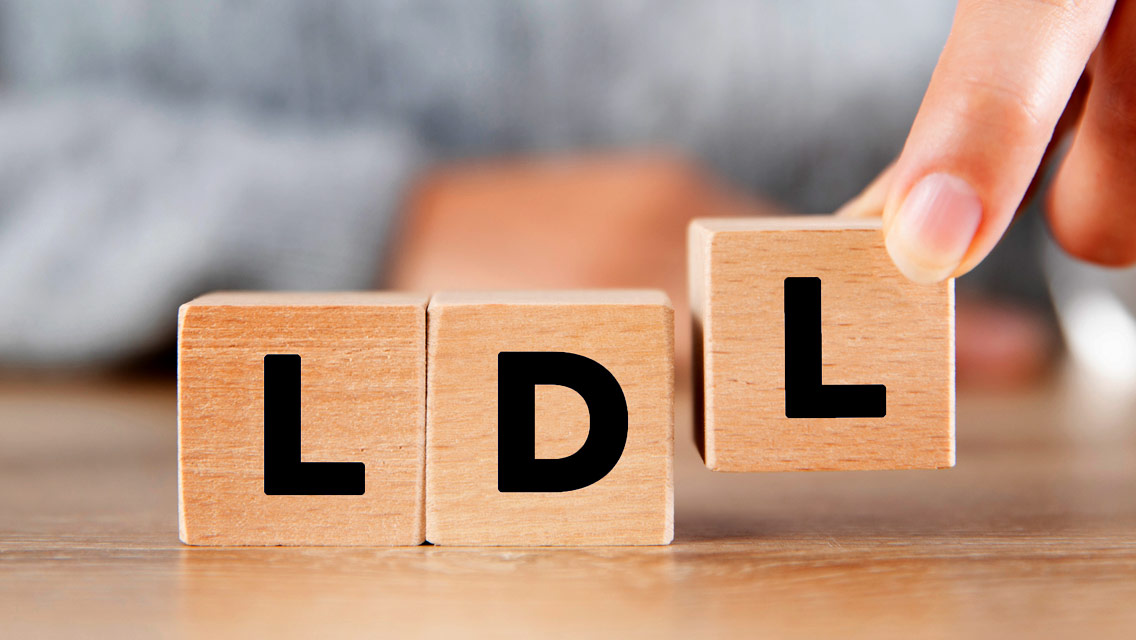
The distinction between high-density lipoprotein (HDL) and low-density lipoprotein (LDL) cholesterol was first explored in the 1950s. Since then, multiple studies have shown that having higher “good” HDL and lower “bad” LDL cholesterol is associated with a lower risk of heart attack.
Statin drugs that lower LDL cholesterol do appear to reduce the risk of cardiac events, particularly in those who already have heart disease. Yet recent research suggests the relationship between cholesterol and heart health is more nuanced, and that the complexity lies in the type and behavior of the LDL particles themselves. “LDL itself is not inherently harmful,” explains integrative cardiologist Mimi Guarneri, MD, FACC.
The risk comes when LDL particles are small, dense, and oxidized, making them more likely to penetrate blood-vessel walls and contribute to plaque formation. In the presence of inflammation, these particles become particularly damaging.
“We’ve learned that two people could have had the exact same LDL level, but if one had inflammation, that’s the one who did worse,” Guarneri says.
Because of this, many integrative practitioners now favor advanced lipid and inflammation testing. The following tests consider factors beyond total LDL.
- LDL particle number (LDL-P): Even when total LDL cholesterol appears normal, a high number of LDL particles might indicate a greater risk of plaque formation, especially if they’re small and dense.
- Apolipoprotein B (ApoB): This is a measure of the number of plaque-forming lipoprotein particles.
- High-sensitivity C-reactive protein (hs-CRP): This marker of systemic inflammation can make otherwise-benign LDL particles more damaging.
- Lipoprotein(a) (Lp(a)): A form of LDL, elevated Lp(a) levels are associated with an increased risk of heart attack and stroke, regardless of other lipid markers. Some people have a genetic variant that predisposes them to elevated Lp(a).
- Triglyceride-to-HDL ratio: A high ratio (typically above 2:1) can signal insulin resistance and metabolic dysfunction.
These more granular markers help practitioners get a clearer sense of a patient’s cardiovascular risk and offer more targeted, personalized prevention strategies.
While LDL isn’t off the hook, it’s no longer the lone villain in the cholesterol story. It’s part of a much larger picture that includes inflammation, metabolic health, and lifestyle.
What Your Heart Needs
Heart disease remains the leading cause of death in the United States. Some practitioners are now adopting an integrative cardiometabolic approach that involves new dietary and lifestyle measures to boost heart health. For more, see “8 Ways to Support Heart Health,” from which this article was excerpted.



This Post Has 0 Comments