




Antioxidants protect cells from oxidative stress, which can occur when the body accumulates too many free radicals — as a natural byproduct of metabolism as well as a response to external factors, such as sunlight and pollution. Years of oxidative stress can contribute to issues often linked to aging, such as heart disease, stroke, and even wrinkles.
“Eating a variety of antioxidants is one of the best ways to reduce inflammation, support long-term health, and keep your body functioning at its best,” says Lewin. “Think of them as your body’s natural defense system.”
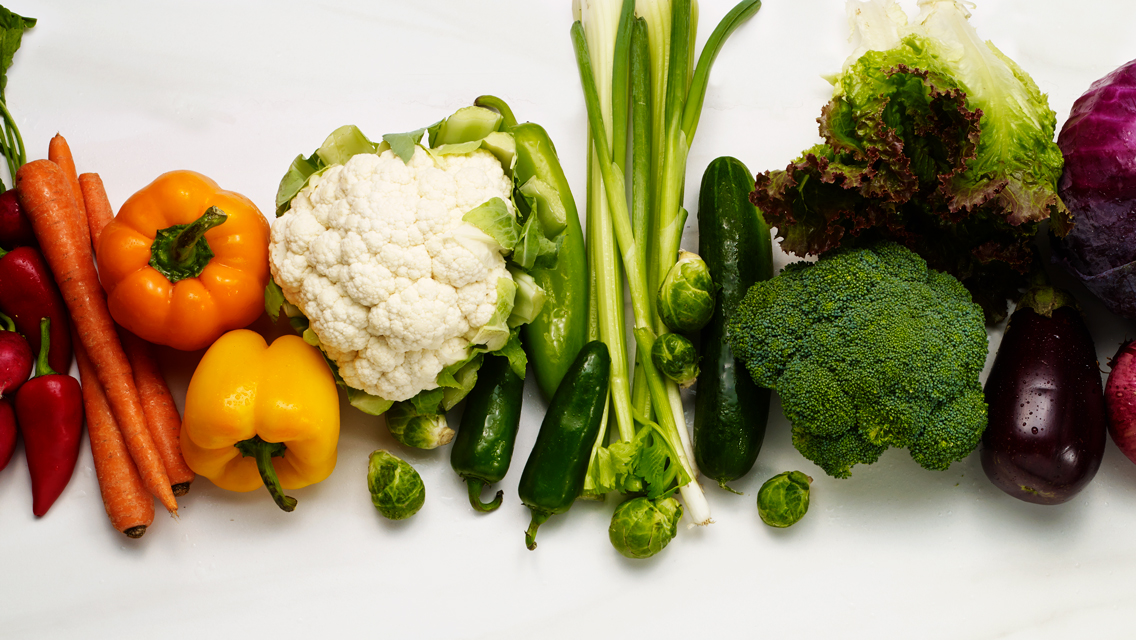
One simple trick for dialing up your antioxidant intake, according to Hanson, is to seek out colorful foods — color is a strong indicator of antioxidants. “When you look at your grocery cart, how many colors do you see?” she asks. “If you don’t see that many, what can you add to your next grocery list to bring more variety into your home?”
These tips can help you prioritize antioxidants.
Try your favorite vegetables in different colors to get a variety of benefits. For instance, yellow and purple carrots have a different antioxidant profile than their orange brethren. Yellow carrots get their sunny hue from xanthophylls — plant compounds linked to healthy eyesight — and purple carrots contain anthocyanins, the same potent antioxidants contained in blueberries and blackberries.
That advice extends to other veggies as well.
“Little tweaks can make a big difference,” says Hanson. She encourages people to buy the variety pack of yellow, orange, and red cherry tomatoes; try pink, purple, and white radishes; cook with red, blue, and purple baby potatoes; and experiment with orange, purple, and green cauliflower.
Enjoy berries year-round. Berries are some of the most antioxidant-rich foods on the planet, and winter is the perfect time to explore the many uses for frozen berries; they contain about as many phytochemicals and antioxidants as fresh ones.
Lewin likes to pour a cup of frozen berries into a large container of Greek or plant-based plain yogurt. The berries defrost in the yogurt, making breakfast even easier. If she’s feeling more creative, she’ll make parfaits in small canning jars by layering yogurt, frozen berries, walnuts, flaxseed meal, and warming spices, like cinnamon. The thawing berries help keep the parfait cold until she’s ready to dig in.
(Berries offer a wide array of health-supporting benefits. Take a closer look at “What Are the Health Benefits of Berries?“)
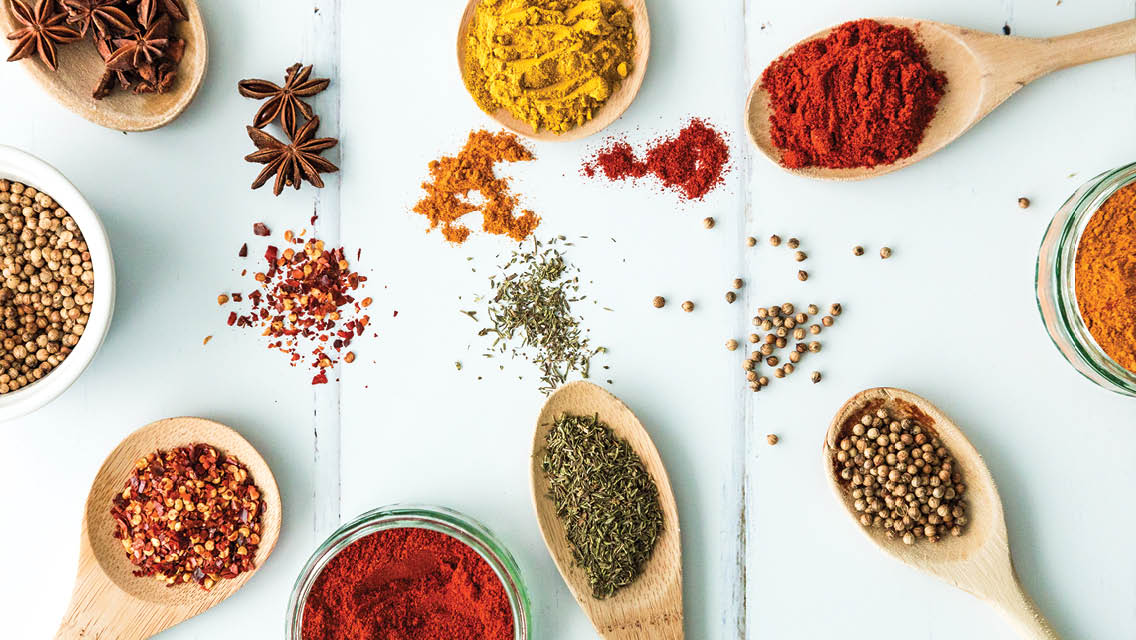
Lean into seasoning. Busy home cooks can be tempted to skimp on (or even skip) a recipe’s herbs and spices. But this is a missed opportunity, Hanson says. “Not only will herbs and spices give you a wide array of antioxidants, but they also offer so much more flavor variety, which leads to more satisfaction and pleasure.”
If chicken is a part of the weekly dinner rotation, use herbs and spices to stave off boredom. Perhaps one week you could make a chicken dish inspired by Vietnamese flavors, like lemongrass, mint, and ginger. The next week you could try a Mediterranean-style chicken spiced with oregano, thyme, and sumac.
“Novel spices are interesting to your palate, which is one of the reasons why a new flavor of potato chip is so appealing,” Hanson says. “Adding more interesting seasonings to foods you make at home can give your taste buds that excitement without looking to a big food manufacturer to do it for you.” (Try these eight herbs and spices to broaden your culinary horizons.)
Make your own spice blend. Lewin makes a batch using mostly Ceylon cinnamon along with ginger, cloves, and nutmeg to taste. She chooses these spices for their potent antioxidants, including quercetin, eugenol, gingerol, and cinnamaldehyde. Every morning, she stirs a teaspoon of the spice blend into her yogurt and berries. This blend adds flavor without extra sugar and gives a concentrated boost of antioxidants. It can also be sprinkled on oatmeal or blended into a smoothie. “Keeping this spice blend on my countertop means I don’t have to hunt and peck for various spices,” she says. “If you make it easy to eat well, you’re more likely to stick with it.” (See “DIY Seasoning Blends” for four popular recipes you can make yourself.)
Sneak saffron into your coffee. Always on the lookout for ways to get more antioxidants, Lewin adds a few threads of the golden spice to her coffee beans before grinding them. Saffron is a rich source of antioxidants, including crocin and crocetin.
“I can’t taste the saffron,” she says, “but it gives me an extra dose of antioxidants every morning. It’s a subtle way to elevate your morning coffee with a nutrient boost.”
Yes, she acknowledges, saffron is expensive. But she finds that a small bottle lasts her several months. “If I spend a bit more on groceries,” she says, “I see it as an investment in my health.”
Power Up Your Plate
You don’t need to overhaul your diet in order to eat well. Try these easy ways to get you more of the nutrients that matter at “How to Add More Fiber, Protein, and Antioxidants to Your Plate,” from which this article was excerpted.



This Post Has 0 Comments